


 VN
VN EN
ENRegenerative Hospitality – When sustainable development is no longer the ultimate goal
Over the past decade, sustainability has become a key strategic direction for the global hotel industry. From reducing energy consumption, limiting plastic waste, and conserving water to achieving green building certifications, many hotels have invested heavily in building a "Green Hotel" image. However, changing guest expectations, pressure from investors, and increasingly stringent ESG (Environmental, Social and Governance) requirements are making the concept of "green" gradually insufficient. Today's market not only expects hotels to minimise negative impacts but also anticipates that accommodation establishments will create positive value for the environment, local communities, and the local economy.

This is the foundation for the emergence of Regenerative Hospitality, a development philosophy considered the next step after Sustainability. Unlike the traditional approach that focuses solely on "minimising harm," Regenerative Hospitality aims to restore ecosystems, regenerate resources, develop local communities, and create a lasting positive impact on destinations.
Why is Regenerative Hospitality becoming a global trend?
Changes in consumer behaviour are a key driver of this trend. According to Deloitte's Sustainable Consumer 2024report, consumers are increasingly incorporating environmental and social factors into their purchasing decisions. Millennials and Gen Z are particularly interested in brands that demonstrate community responsibility, operational transparency, and a commitment to sustainable development. Concurrently, Booking.com's Sustainable Travel Report 2024 notes that most global travellers want their trips to leave a positive impact on the destination rather than just reducing negative impacts. Many are willing to choose accommodations that support local economies, preserve culture, and protect nature.

From an investment perspective, both Deloitte and Savills recognise that ESG criteria are becoming crucial factors in hotel real estate valuation. Properties that effectively meet environmental, social, and governance requirements are more likely to enhance asset value, reduce investment risks, and attract international capital. Meanwhile, the World Travel & Tourism Council (WTTC) suggests that the growth of the tourism industry in the coming years must be accompanied by the ability to conserve natural resources and increase benefits for local communities to maintain long-term competitiveness. These trends indicate that Regenerative Hospitality is not merely a CSR activity or a marketing campaign but is evolving into a long-term business strategy.
How does Regenerative Hospitality differ from Green Hotels?
This is a point where many businesses in the hospitality industry still get confused. In reality, both Green Hotels and Regenerative Hospitality aim for sustainable development, but they differ in mindset and scope of impact. While Green Hotels focus on minimising negative impacts during operations, Regenerative Hospitality aims to create positive value for the environment, community, and destination. With the Green Hotel model, hotels typically implement solutions such as saving electricity and water, reducing carbon emissions, replacing single-use plastics, increasing recycling, or using renewable energy. These are all necessary activities that help limit environmental impact and improve operational efficiency. However, the essence of this approach is still "doing less harm" rather than creating positive change.
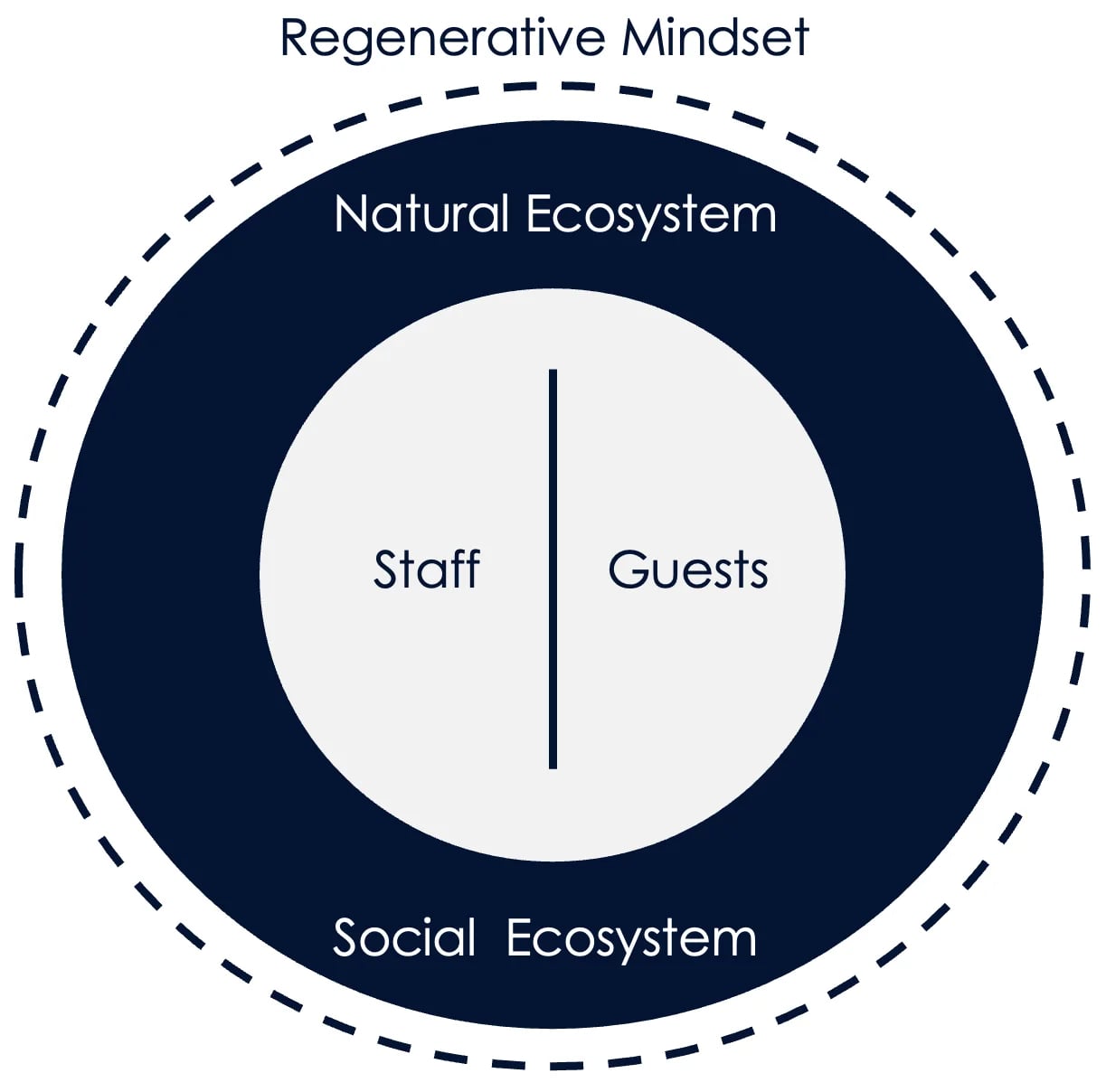
In contrast, Regenerative Hospitality poses a bigger question: After guests leave, is the destination better than before? This question reflects a shift in the development mindset of the hotel industry. The goal is no longer limited to reducing negative impacts but actively restoring ecosystems, promoting livelihoods for local communities, and preserving indigenous cultural values. This means hotels need to act as a link in the destination's regeneration process. For example, a resort might invest in mangrove restoration programmes, coral reef regeneration, developing organic agriculture with local communities, prioritising products from local supply chains, or organising vocational training programmes for the community. Simultaneously, businesses can also encourage guests to directly participate in these activities, transforming each trip into a meaningful experience that creates long-term value. From a business perspective, Regenerative Hospitality not only enhances brand image but also helps businesses create distinctive, locally-rooted, and difficult-to-replicate experiences. This is an element increasingly valued by modern travellers and becomes a sustainable competitive advantage as the hotel industry shifts from providing accommodation services to creating positive value for society and the environment.
From "Less Bad" to "Net Positive"
Simply put, the development of the hotel industry can be viewed in three stages. The first stage is traditional operation, aiming to maximise profit with little regard for environmental impact. The second stage is Sustainability, where businesses strive to minimise negative impacts. Regenerative Hospitality is the next stage, aiming to create a Net Positive value. This means the hotel contributes more than it consumes from the ecosystem and community. This is also the direction many international hotel groups are integrating into their long-term development strategies to meet the demands of investors, customers, and financial institutions.
Pioneering Brands Embracing Regenerative Hospitality
One prime example is Six Senses. Instead of merely reducing emissions, this brand invests in programmes to restore marine ecosystems, conserve biodiversity, develop organic farms, and establish environmental education centres directly within their resorts.
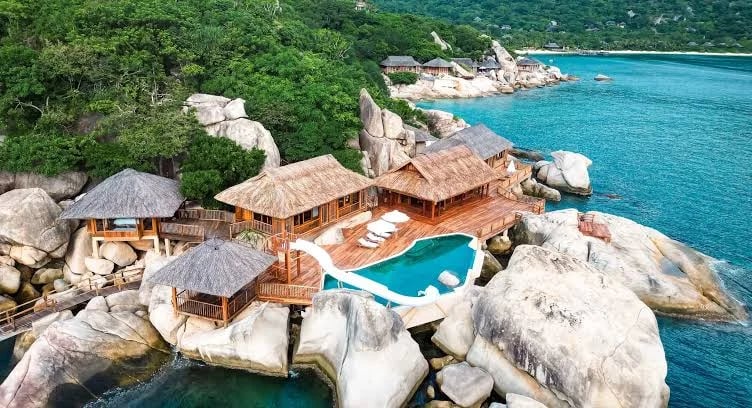
Soneva is also considered a pioneer in initiatives such as forest regeneration, circular waste management, marine biology research, and investment in community projects in the Maldives. In Costa Rica, many ecolodges have partnered directly with local communities to develop tourism based on rainforest conservation, creating sustainable income while contributing to the restoration of degraded ecosystems. A common thread in these models is that the environment and community are no longer viewed as "costs" but as integral to brand value and competitive advantage. Regenerative Hospitality is not just a fleeting trend; it is progressively shaping the future of the global accommodation industry. In the next instalment, NewSun Hospitality will delve deeper into the opportunities this model presents for the Vietnamese hotel market, the challenges businesses must overcome, and practical implementation steps for a gradual transition from "green hotels" to a regenerative development model. Don't miss the next article on the NewSun Hospitality website for in-depth insights, new management trends, and practical solutions to help businesses enhance competitiveness, increase asset value, and achieve sustainable development in the new era of the hospitality industry.