


 VN
VN EN
ENThe Vietnamese accommodation market is entering a new phase of development, where competition is no longer solely about room count or service standards. Changes in traveller behaviour, technological advancements, the demand for authentic local experiences, and the trend towards personalised holidays are driving investors to seek more distinctive product models.

Market signals in 2026 indicate that the industry's growth foundation remains relatively positive. According to the General Statistics Office, in the first 8 months of 2026, Vietnam welcomed nearly 16 million international visitors, an increase of 14.4% compared to the same period last year. Revenue from accommodation and food services reached approximately 670.3 trillion VND, up 16.4%, while travel and tourism revenue increased by 17.1%. These figures demonstrate that demand for tourism and accommodation-related consumption continues to show significant growth momentum.
From a hotel market perspective, Savills notes that the operational performance of Vietnam's hospitality industry will continue to improve in 2026. RevPAR increased by nearly 15% in 2025 compared to the previous year, while occupancy rates in Ho Chi Minh City in Q1/2026 reached approximately 80% and Hanoi approximately 70%. New supply is also increasingly focused on the upscale segment, reflecting a market shift towards product quality upgrades.
However, market growth does not mean all accommodation models have the same prospects. 2026 is showing a clear differentiation: products capable of creating experiential value, clear positioning, and adapting to new traveler demands have more opportunities in the long-term competition.
1. Boutique hotels and lifestyle hotels: Smaller but more distinctive
Boutique hotels are not an entirely new model, but are being redefined in the 2026 market context. Instead of focusing solely on small scale and beautiful design, the new generation of boutique hotels aims to build a consistent brand story, combining architecture, cuisine, local culture, and personal experiences.
This approach suits young customers, especially Gen Z and Millennials, who increasingly view accommodation choices as part of the travel experience rather than just seeking a comfortable bedroom. Deloitte reports that Gen Z and Millennials currently account for about half of US travelers during the 2025 holiday season, and these two groups tend to use social media more when researching and planning trips.
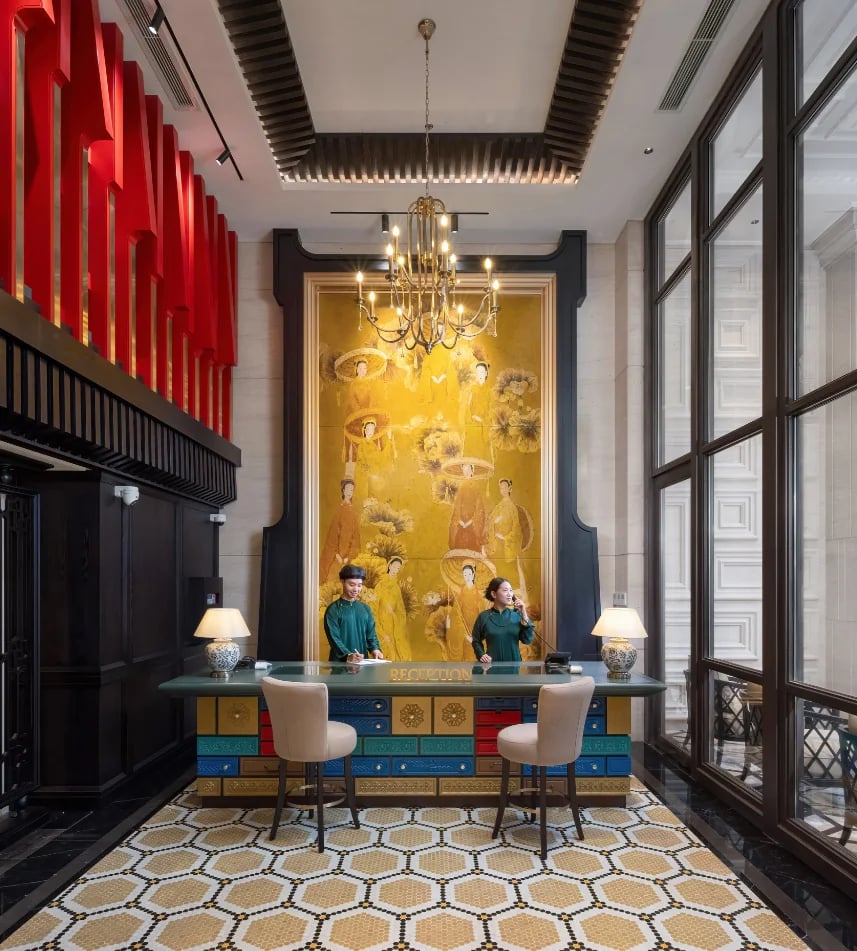
In Vietnam, this trend is even more notable, with Decision Lab recording that 57% of surveyed individuals prefer independent travel, planning and booking services themselves, significantly higher than the 27% who choose packaged tours. This shows that travelers increasingly want to actively decide on their accommodation, itinerary, and experiences according to their personal needs.
Therefore, the new generation of boutique hotels may not need to compete directly with large-scale hotels in terms of room count. Instead, the advantage lies in their ability to create a strong "reason to choose," such as an architectural story, a distinctive culinary experience, or a deep connection to local culture.
2. Retreats and wellness resorts: Accommodation linked to health and rejuvenation
Another notable development direction is retreats, especially wellness retreats and nature retreats. This model addresses a shift in how travelers perceive holidays: from a time to "go out" to a time for physical and mental recovery and connection with nature.
While traditional resorts often focus on facilities and entertainment activities, retreats tend to emphasize space, tranquility, health, nature, and in-depth experiences. Products can combine accommodation with yoga, meditation, therapy, nutrition, outdoor activities, or indigenous cultural experiences.
![\nScreenshot at .."
]](/_next/image/?url=%2Fapi%2Fmedia%2Ffile%2FAnh-man-hinh-2026-09-28-luc-10.55.32.webp&w=3840&q=85)
This trend also aligns with the development of destinations beyond traditional tourist centers. As transportation infrastructure improves, areas with natural landscapes, unique climates, or distinct cultural values can become the foundation for uniquely positioned retreat products.
Notably, Deloitte's study on the future of the hospitality industry in 2026 also highlighted the emergence of new accommodation models that combine flexible design, reduced environmental impact, and integration with local communities. Some new models use modular structures, independent energy and water systems, or renovate historical buildings to create accommodation products.
This suggests an important direction for Vietnamese investors: instead of developing a mere resort, they can develop a "destination experience" where the stay itself becomes part of the tourism product.
3. Cruise holidays: When accommodation becomes part of the journey
Among the most notable models in Vietnam, cruise holidays are well-positioned for continued growth, especially in coastal destinations and areas with distinctive landscapes such as Ha Long, Lan Ha, Nha Trang, Phu Quoc, or the Central region.
The fundamental difference of this model lies in the integration of "destination" and "accommodation" into a single product. Travelers don't just buy a cabin on a ship; they buy the entire journey, from scenery, cuisine, entertainment, wellness services, to destination exploration activities.
This represents a significant shift in hospitality product development thinking. While traditional hotels center around the guest room, cruise holidays can center around the entire journey. Revenue, therefore, comes not only from rooms but can also extend to F&B, entertainment, wellness, excursions, and ancillary services.
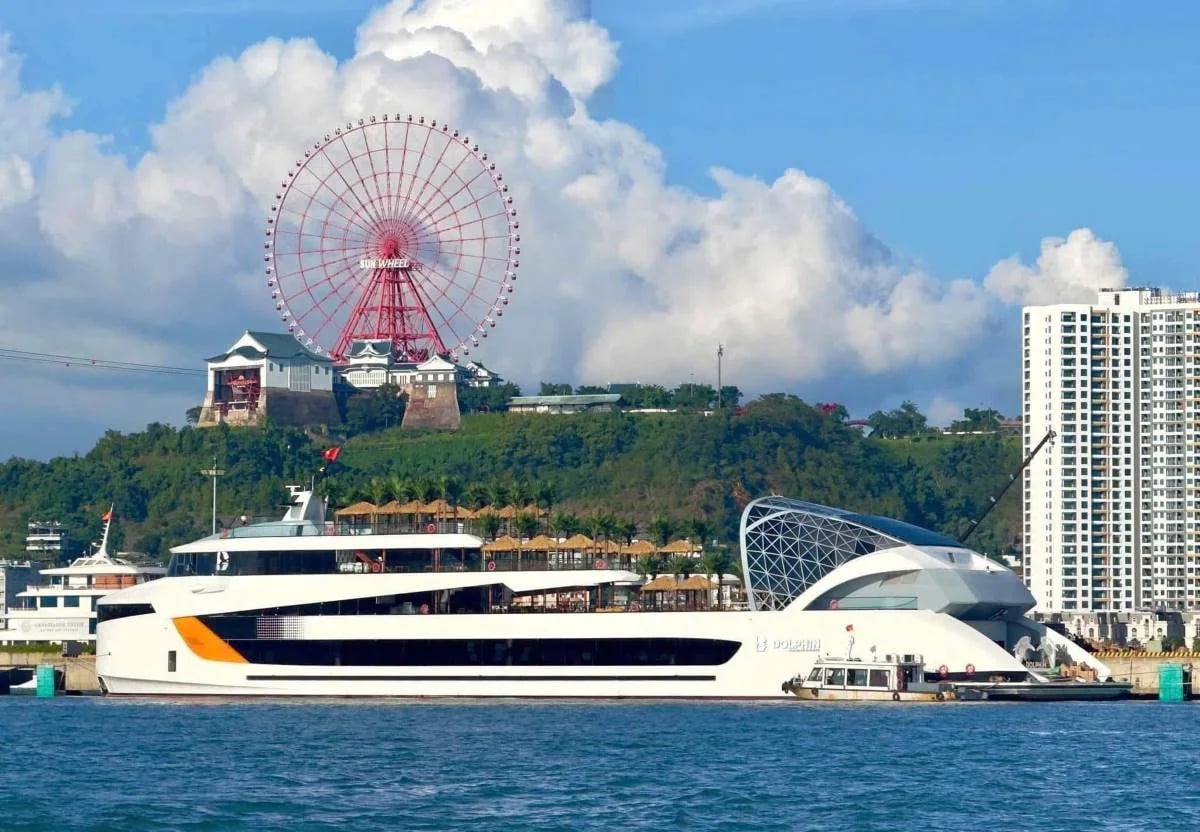
The growth of this segment also aligns with the ongoing product upgrade trend in the Vietnamese market. Savills notes that new supply in the coming years will continue to concentrate in coastal destinations like Da Nang and Phu Quoc, while product quality is increasingly emphasized.
However, the cruise market also places higher demands on revenue management, product design, distribution, and operations. A ship may have a beautiful design but still struggle to be effective if the itinerary is unsuitable, positioning is unclear, or the sales system is insufficient. Therefore, this segment requires close collaboration between market research, product development, revenue management, sales, and operations.
4. Branded residences and hybrid accommodation models: The line between "living" and "holidaying" is blurring
Another notable trend is the development of models combining long-term accommodation, holidays, and branded real estate. Branded residences are a prime example, where a project's value comes not only from the property itself but also from the management brand, service standards, and ecosystem of amenities.
Savills believes that branded residences are continuing to accelerate in Vietnam's urban areas, as the market seeks products that can combine real estate value with hospitality experiences.

This model has particular potential in major cities and destinations with demand for extended stays. Users can both own or rent living spaces and access services typically found only in luxury hotels.
From a developer's perspective, this model also creates opportunities to diversify revenue streams. However, the crucial challenge is to clearly define the target audience and purpose of use right from the product development stage. A product that serves both long-term residents and short-term guests will require a different operational and experience management strategy than a traditional hotel.
5. Eco-lodges and nature-based accommodation: Value not found in "luxury"
Alongside wellness, the segment of nature-based accommodation products is also expanding. Eco-lodges, farm stays, forest retreats, or accommodation models located in areas with natural landscapes can create appeal through distinctive experiences rather than relying solely on luxury.
Notably, the concept of "premium" in hospitality is changing. A product doesn't necessarily need many amenities to be considered premium. Privacy, unique locations, personalised services, environmentally harmonious design, and inimitable experiences can become factors that create higher value.
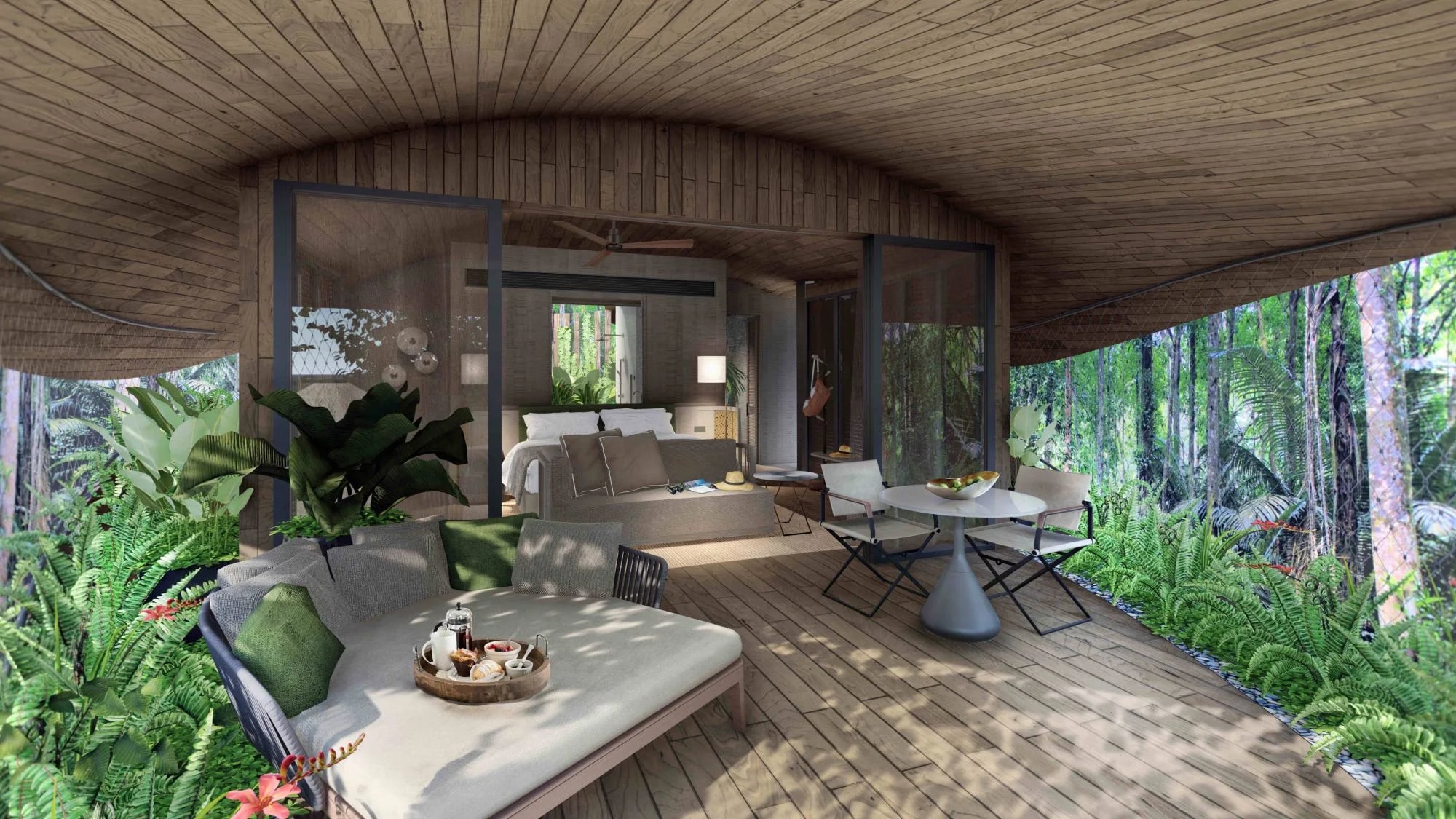
Euromonitor notes that the global lodging market is seeing strong growth in non-traditional hotel accommodation, with short-term rentals continuing to play a key role and the "experience-first" trend becoming increasingly prominent. The report also indicates that Asia Pacific has significant growth potential in the lodging and short-term rental sectors.
For Vietnam, this opens up opportunities for localities that do not have the advantage of large-scale hotel supply but possess unique natural landscapes, culture, or agriculture. The challenge lies in ensuring a balance between authentic experiences, service quality, and sustainable operational capability.
6. Modular hotels and flexible accommodation: Optimising investment capital, shortening development time
Another interesting new model is modular accommodation, where components or modules are manufactured and assembled according to a predetermined design. This model is particularly suitable for projects requiring rapid deployment, areas with complex construction conditions, or investors who want better control over costs and development time.
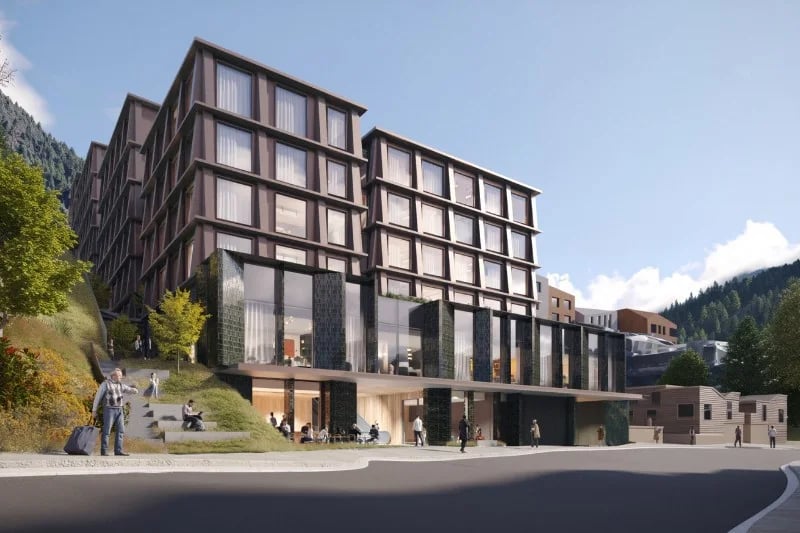
Deloitte has noted new hospitality models using modular structures as a way to meet accommodation needs while limiting some impacts of traditional construction development.
In Vietnam, modular hotels are not yet a mainstream segment, but they could become a viable option for small and medium-sized projects, especially in emerging destinations. When combined with sustainable design, operational technology, and a clear experience concept, this model can help investors reduce time-to-market.
7. Smart stay: Technology is no longer an added amenity
One of the overarching changes for all accommodation models in 2026 is digitisation. Smart hotels or smart stays do not necessarily mean a hotel with many technological devices. More importantly, technology must help reduce friction throughout the customer journey.
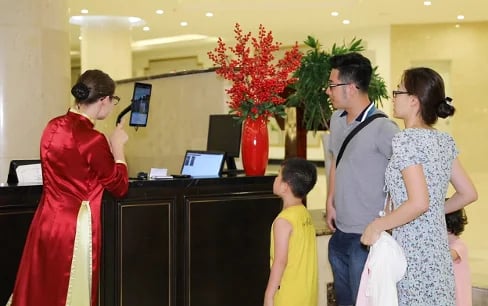
From searching, selecting, booking, check-in, payment, service usage to check-out, each touchpoint can be redesigned to be more convenient and personalised. This is also why customer data, CRM, revenue management, chatbots, AI, and online distribution systems are increasingly becoming part of core operational capabilities.
Deloitte reports that nearly a quarter of surveyed travellers used generative AI for trip planning by the end of 2025, three times higher than in 2022. As AI increasingly participates in the discovery and destination selection process, a brand's ability to be "found" in the digital search journey will become a new competitive factor in the hospitality industry.
This means that investors should not view digital transformation as a separate technology project. Digital transformation needs to be integrated directly into product development, marketing, sales, and operational strategies.
Which models will have an advantage in the 2026–2027 period?
The common thread among emerging accommodation models is not their architectural style or scale. The more important commonality is their ability to answer a very basic question: what value are travellers seeking that traditional accommodation models have not fully met?
Market data for 2026 shows that travel demand continues to grow, but traveller behaviour is becoming more selective. Decision Lab indicates that Vietnamese people are increasingly proactive in organising trips; Deloitte notes that young consumers play an increasingly significant role in the tourism market and AI is rapidly changing how they search for information; while Savills reports an improvement in the performance of the Vietnamese hotel market along with a trend of upgrading supply quality.
Therefore, the opportunity for the hospitality industry in the coming period does not necessarily lie in building many more rooms. The opportunity lies in developing the right product, for the right market, and with the right experience.
Boutique hotels can win through brand storytelling. Retreats can win through their ability to foster recovery and connection. Cruises can win by transforming the journey into the product. Branded residences can win by combining real estate value with hospitality. Eco-lodges can win through nature experiences. Modular accommodation can win through flexibility. And smart stays can become the technological layer that helps all these models operate more efficiently.
For investors, the important thing is not to chase a "hot model" but to assess the suitability between the model, target market, location, investment resources, operational capability, and revenue generation potential. A good concept is only truly valuable when proven by market data and transformed into a viable business model.
NewSun Hospitality: From concept to operations
In a rapidly shifting market, developing a hospitality project is no longer solely about design or construction. Project success hinges on the ability to integrate market research, product positioning, experience design, business strategy, sales, marketing, and operations into a unified system.
With a focus on "Strategic Consulting & Comprehensive Business and Operational Solutions", NewSun Hospitality partners with investors from market research, business model development, product definition, design review, and pre-opening, through to business implementation and operational management.
Do you have an idea for a hotel, resort, retreat, cruise, or a new accommodation model? Let NewSun Hospitality help you assess the market, build a concept, and transform your idea into a sustainable and scalable business model.
- Hotline: +84 768 68 2913
- Email: dosm@nshm.com.vn
- Zalo OA: https://zalo.me/2452770272256938463 (NewSun Hospitality)
- Website: https://nshm.com.vn/ (NewSun Hospitality)
References
- Deloitte. (2026). 2026 travel industry outlook. Deloitte Consumer Industry Center.
- Deloitte. (2026). The future of hospitality: Navigating new frontiers. Deloitte.
- Decision Lab. (2026, May 15). The rise of independent travel in Vietnam is changing how destinations, airlines, and tour brands compete. Decision Lab.
- Euromonitor International. (2026). World market for lodging. Euromonitor International.
- Savills Vietnam. (2026, April 21). Viet Nam hospitality and residential markets commence new growth. Savills Vietnam.
- General Statistics Office. (2026, September 8). International arrivals to Vietnam in 8 months reach nearly 16 million, aiming for 25 million visitors in 2026. General Statistics Office.