


 VN
VN EN
ENFor decades, the hotel business model was relatively straightforward: sell rooms, optimise occupancy, increase rates, and maximise revenue per room. The guest room was the core product, while restaurants, spas, pools, bars, and other amenities served to enhance the stay experience.
However, the hospitality market is entering a new phase. As supply becomes increasingly diverse, customers have more choices, and the lines between hotels, resorts, destinations, entertainment venues, and lifestyle experiences blur, the crucial question is no longer “How many rooms does the hotel have?”, but rather “What reasons do customers have to choose and spend more at the hotel?”
![\nScreenshot at .."
]](/_next/image/?url=%2Fapi%2Fmedia%2Ffile%2FAnh-man-hinh-2026-09-28-luc-11.03.07.webp&w=3840&q=85)
This is the spirit of Beyond the Room: extending the value of a hotel beyond the guest room, transforming accommodation assets into an experiential ecosystem capable of generating revenue, increasing engagement, and building brand equity.
This trend is not a fleeting concept. Market data clearly indicates a shift. According to Savills, Vietnam is projected to welcome 21.1 million international visitors in 2025, a 20.4% increase year-on-year; RevPAR for the Vietnamese hotel market is also expected to rise by nearly 15% compared to 2024. Entering 2026, Savills continues to note improved operational performance in major markets, with Q1 occupancy rates reaching approximately 80% in Ho Chi Minh City and 70% in Hanoi.
These figures demonstrate a strong return in demand. However, as the market enters a new growth phase, mere growth in visitor numbers will no longer be sufficient to create a long-term advantage. The next chapter will be about how much value a hotel can generate per customer and how much value across their entire journey.
When the "hotel room" becomes a starting point, not an endpoint
A customer booking a room isn't just buying a bed to sleep in. They are purchasing the convenience of a business trip, a relaxing weekend, a memorable dinner, a meeting, a wellness experience, a workspace, a family moment, or simply a story worth sharing after their trip. This is a significant shift in how hospitality products are viewed.
Previously, hotels were often designed around room nights. All business activities ultimately aimed at selling more room nights. In the Beyond the Room model, room nights remain the foundation, but are no longer the limit of the product. Value is extended to food & beverage, wellness, entertainment, retail, meetings & events, local experiences, cultural activities, membership, and personalised services.
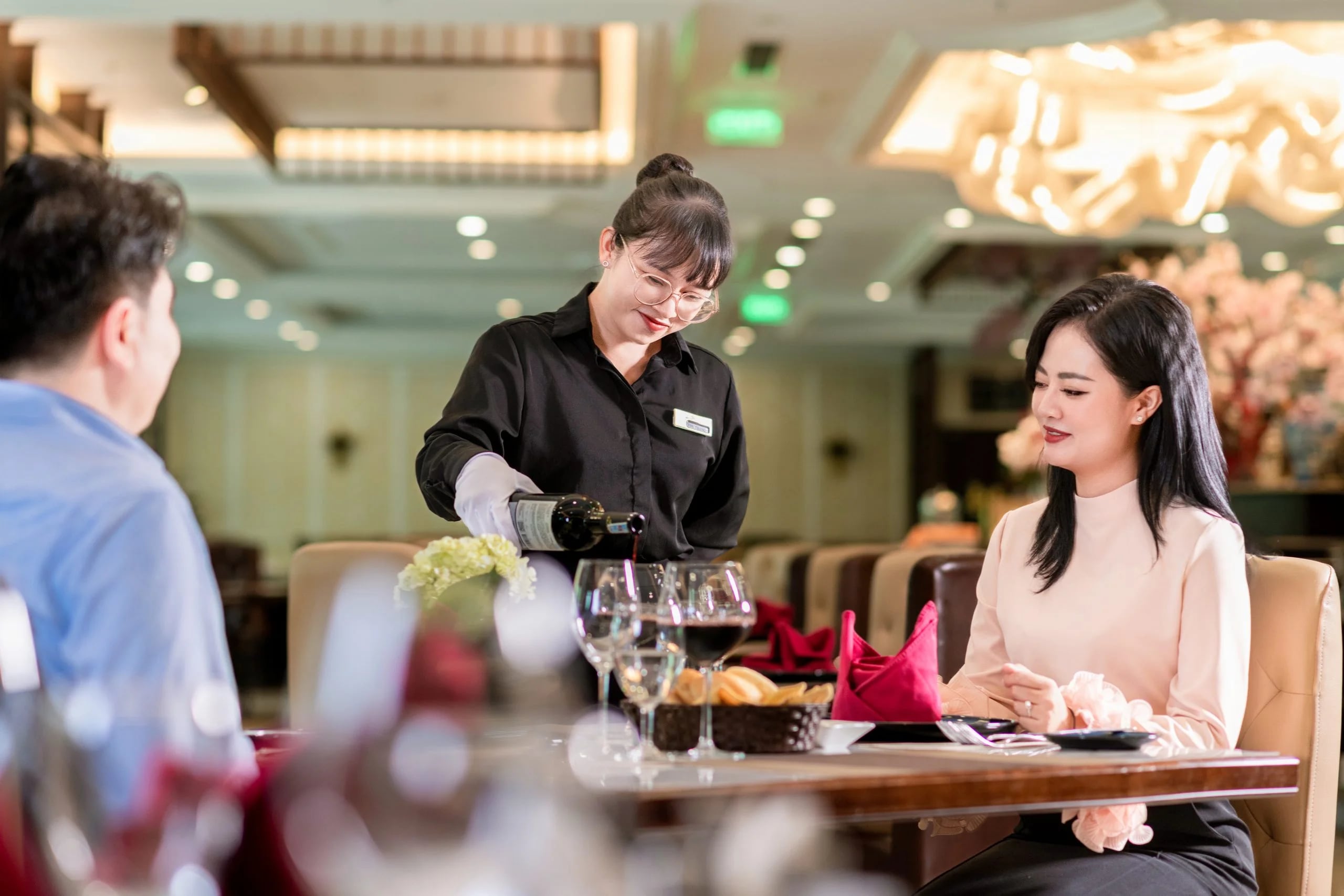
Euromonitor, in its 2026 tourism industry study, noted that travel spending fully recovered by 2025 and consumers continue to prioritise experiences even amidst rising living costs and economic uncertainty. Notably, experiences that create engagement and meaningful emotions are becoming key drivers of spending value across many tourism segments.
In other words, customers don't necessarily want a better room. They may be willing to pay more for a better experience.
This is the fundamental difference between a room-centric and an experience-centricmindset.
A coastal resort might not just sell sea-view rooms but also a sunset dinner, a beachfront yoga class, private dining, a local discovery tour, or a weekend wellness programme. A city hotel might not just sell rooms to business travellers but also leverage co-working spaces, business lounges, meeting packages, rooftop dining, cocktail experiences, or cultural events. A boutique hotel can transform its architecture, local stories, and surrounding community into part of its product.
In this scenario, the room is where the guest's experience begins, not the entire experience itself.
Why is Beyond the Room becoming a strategic imperative for hotels?
One of the biggest problems with the traditional hotel business model is its relatively high dependence on occupancy and room rates. When demand falls, low seasons occur, or supply increases rapidly, room revenue comes under direct pressure. Beyond the Room offers a different approach: increasing value from the same customer instead of just seeking new customers.
Suppose a customer stays two nights. In the traditional model, most revenue is generated from the room rate. But if, during that journey, the customer uses the restaurant, spa, bar, meeting rooms, transfer services, local experiences, or participates in an entertainment activity, the total value the customer brings to the hotel will be significantly greater.
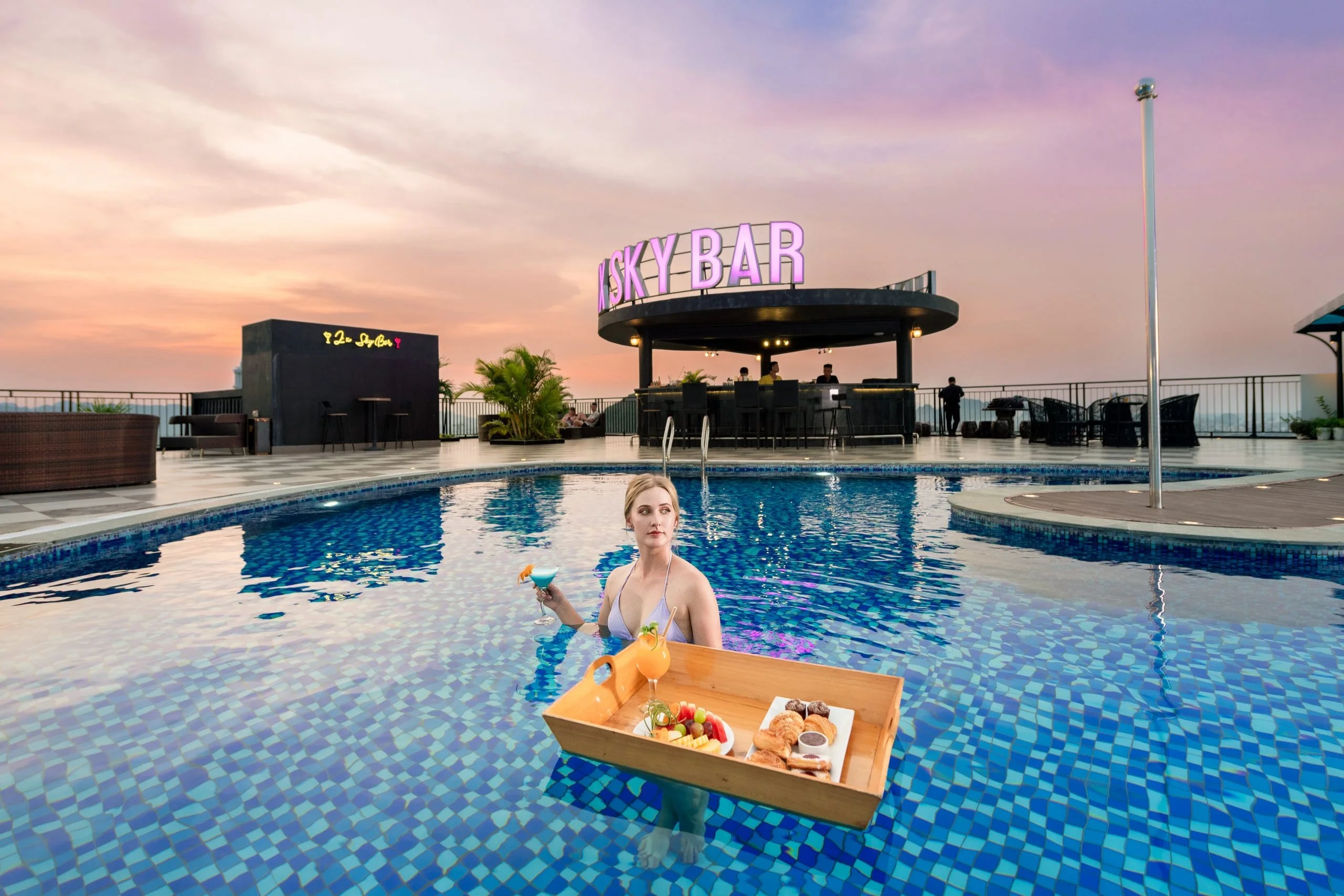
More importantly, these expenditures do not necessarily depend entirely on whether the guest stays overnight.
A signature restaurant can attract local patrons. A rooftop bar can become an independent destination. A spa can serve residents in the area. An event space can generate revenue from conferences and weddings. A wellness class can develop into a membership. A local experience programme can become a product sold directly or through partners.
In this case, a hotel is no longer merely an accommodation asset, but becomes a commercial and experiential platform.
Savills also notes that the Vietnamese hospitality market is entering a new cycle, where upgrading, repositioning assets, and improving customer experience are becoming increasingly important amidst growing competition.
This is particularly noteworthy for operating hotels. Not every project needs to expand its number of rooms to grow. In many cases, the solution may lie in better utilising what the existing asset already possesses.
From "amenities" to "experiences": Customers don't buy facilities, they buy value
A common mistake when implementing Beyond the Room is equating it with adding more amenities.
Adding a restaurant does not automatically mean the hotel has a strong F&B product. Adding a spa does not automatically mean customers will use the spa. Having a pool, gym, or rooftop is also not enough to create a distinctive experience.
The key lies in the value perceived by the customer.
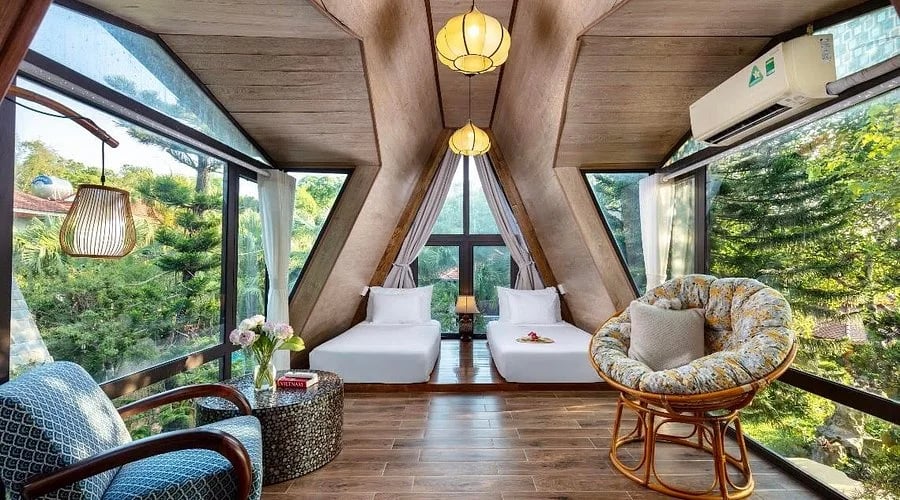
An amenity becomes an experience when it addresses a specific need and creates an emotion strong enough for customers to remember, use, or be willing to pay for.
A breakfast buffet might just be an amenity. But a local breakfast experience with local ingredients, a story about the dish, and a specially designed space can become a product.
A spa room might just be an operational component. But a 48-hour urban wellness retreat program combining accommodation, treatments, nutrition, and mindfulness can become a complete package.
A rooftop bar might just be an F&B outlet. But if positioned as a sunset viewing spot, a cocktail destination, or a venue for unique music events, it can become an independent reason for guests to visit the hotel.
This is also the shift highlighted by Euromonitor when researching travel trends up to 2026: experience, authenticity, and value are increasingly influencing traveler choices; simultaneously, journeys linked to interests, wellbeing, discovery, and creativity are expanding demand beyond traditional holidays.
Therefore, the hotel's challenge is not "what additional amenities can we add?", but should begin with the question:
“What experiences do customers want that a hotel can create better than other places?”
Beyond the Room and the opportunity to generate new revenue
One of the most important values of Beyond the Room lies in its ability to expand the revenue pool.
Instead of just tracking Occupancy, ADR, and RevPAR, managers can look more broadly at the total customer value generated throughout their interaction with the brand.
This could be Total Revenue per Guest, F&B revenue per staying guest, spa revenue, event revenue, membership revenue, or the percentage of returning guests who use services without staying overnight.

This approach is particularly suited to the Vietnamese market, which is expanding in both customer volume and demand quality. Vietnam Report indicates that a 2025 survey found 65.3% of consumers surveyed plan to travel more in the next 12 months, and 69.4% plan to increase their travel budget. The study also shows a growing trend towards selective investment in quality, privacy, and the emotional value of the journey.
This is an important signal for investors and operators.
When customers are willing to spend more on valuable experiences, hotels have the opportunity to shift from competing on “who sells rooms better” to “who creates better value throughout the customer journey.”
And when revenue is distributed across multiple touchpoints, business performance can also become more flexible. A hotel with relatively stable occupancy but a strong F&B destination, good event business, and an effective wellness ecosystem can have a very different revenue structure from a hotel primarily dependent on room revenue.
This is precisely why Beyond the Room should be viewed as a business strategy, rather than a marketing campaign.
Beyond the Room does not mean “doing everything”
Another risk is that in pursuing experiences, hotels try to offer too many things.
A hotel doesn't need to become an amusement park. A resort doesn't need to transform into a shopping mall. A boutique hotel doesn't necessarily need dozens of services.
Beyond the Room is not about limitless product expansion. It's about expanding in the right direction.
The starting point must be brand positioning, customer profile, and asset advantages.
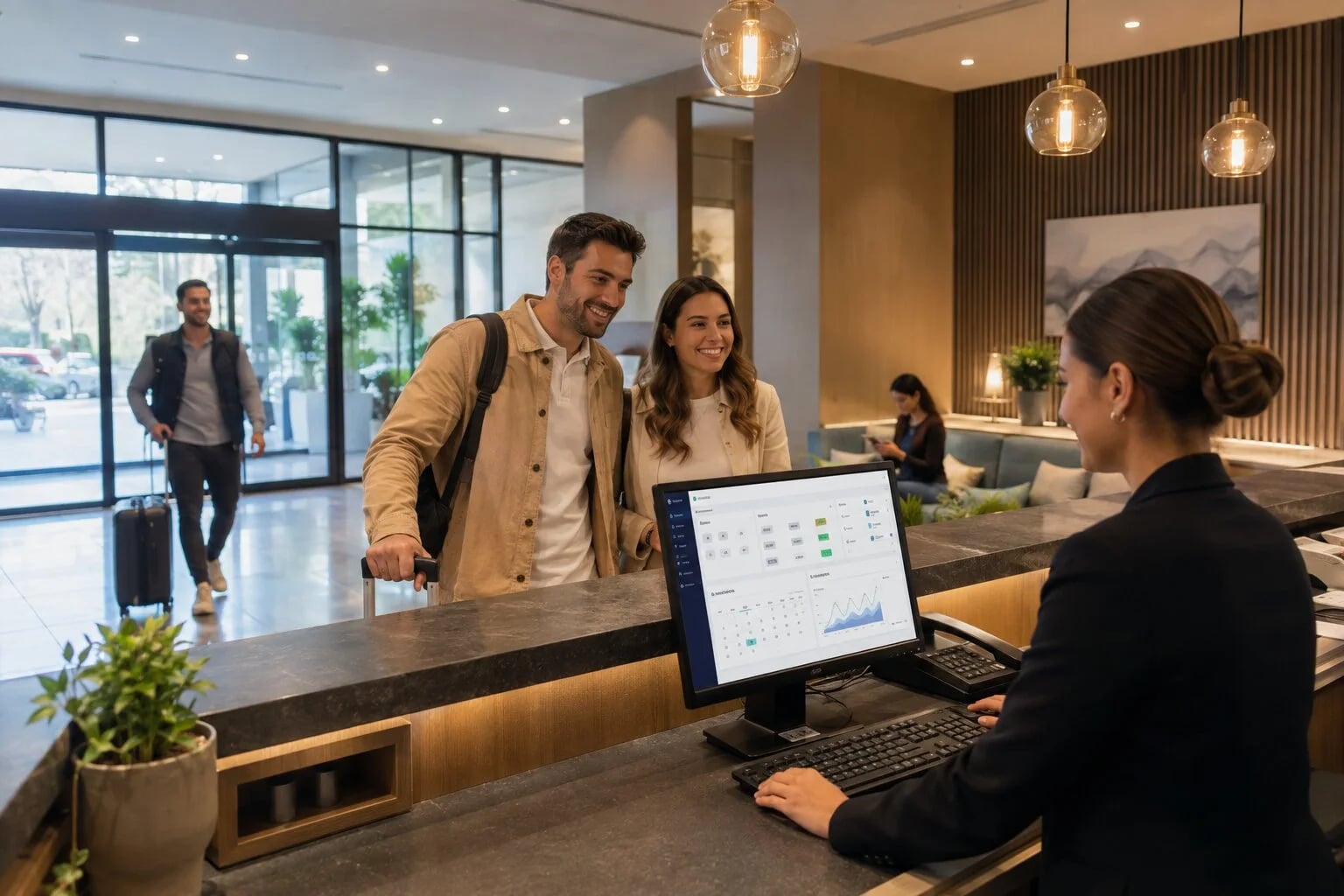
An urban business hotel can focus on business lifestyle, networking, F&B, and MICE. A beach resort can develop wellness, culinary, and destination experiences. A boutique hotel can build local culture, art, community, and storytelling. A MICE hotel can transform its meeting package into an ecosystem from accommodation, meetings, dining to team experiences.
Each asset needs its own Experience Architecture .
Within this, each experience must answer three questions: which customer will use it, what value is created, and whether the experience aligns with the brand's DNA.
Without this connection, Beyond the Room can easily become a long list of amenities lacking identity.
Conclusion: The room is only the beginning
The hotel industry is crossing a significant boundary. The room remains the foundation. But experience is where value expands.
A room can generate a transaction. A good experience can generate additional revenue. But a well-designed experience ecosystem has the potential to create brand, loyalty, and long-term value for the asset.
Beyond the Room is therefore not simply a product design trend. It is a new way of thinking about hospitality: not just providing a place for guests to stay, but creating reasons for guests to come, experience, spend, share, and return.
At NewSun Hospitality, we believe that a hospitality asset truly realises its value when its product strategy, business model, customer experience, and operational capabilities are designed as a unified system.
From Market Research & Business Model, Product Definition & Functional Brief, Design Review, Pre Opening to Sales & Marketing, Operations and Digital Transformation, NewSun partners with investors to transform business objectives into a hospitality model capable of practical operation and sustainable value creation.
Beyond the Room is not just about experience. It's about how a hotel can create more value from the assets it already owns.
- Hotline: +84 768 68 2913
- Email: dosm@nshm.com.vn
- Zalo OA: https://zalo.me/2452770272256938463 (NewSun Hospitality)
- Website: https://nshm.com.vn/ (NewSun Hospitality)
References
- Deloitte. (2025). 2025 travel industry outlook. Deloitte Insights.
- Decision Lab. (2025). The Connected Consumer Q1 2025. Decision Lab.
- Decision Lab. (2025). The Connected Consumer Q2 2025. Decision Lab.
- Euromonitor International. (2025). Top five trends shaping travel into 2026. Euromonitor International.
- Euromonitor International. (2026). Travel in an age of poly-crisis. Euromonitor International.
- Savills Vietnam. (2026, April 21). Viet Nam hospitality and residential markets commence new growth. Savills.
- Savills Vietnam. (2026, May 15). Hospitality sector in Viet Nam: A comprehensive guide to hotel operations and investments. Savills.
- Vietnam Report. (2025, December 1). Top 10 & Top 5 Most Reputable Companies in Tourism – Hotels, Resorts – Passenger Transport in 2025. Vietnam Report.
- Statista Research Department. (2026). Online travel and tourism e-commerce spending in Vietnam in 2025, by category. Statista.