


 VN
VN EN
ENA remarkable paradox is unfolding in the tourism industry: as travel becomes faster than ever, people are beginning to seek out less hurried journeys.
For many years, the value of a trip was often measured by the number of places visited, activities participated in, or experiences that could be "checked in" within a certain period. Technology allows customers to book tickets in minutes, build itineraries with AI, and access thousands of options with just a phone. However, this very convenience and speed are making another resource scarcer: true time for oneself.
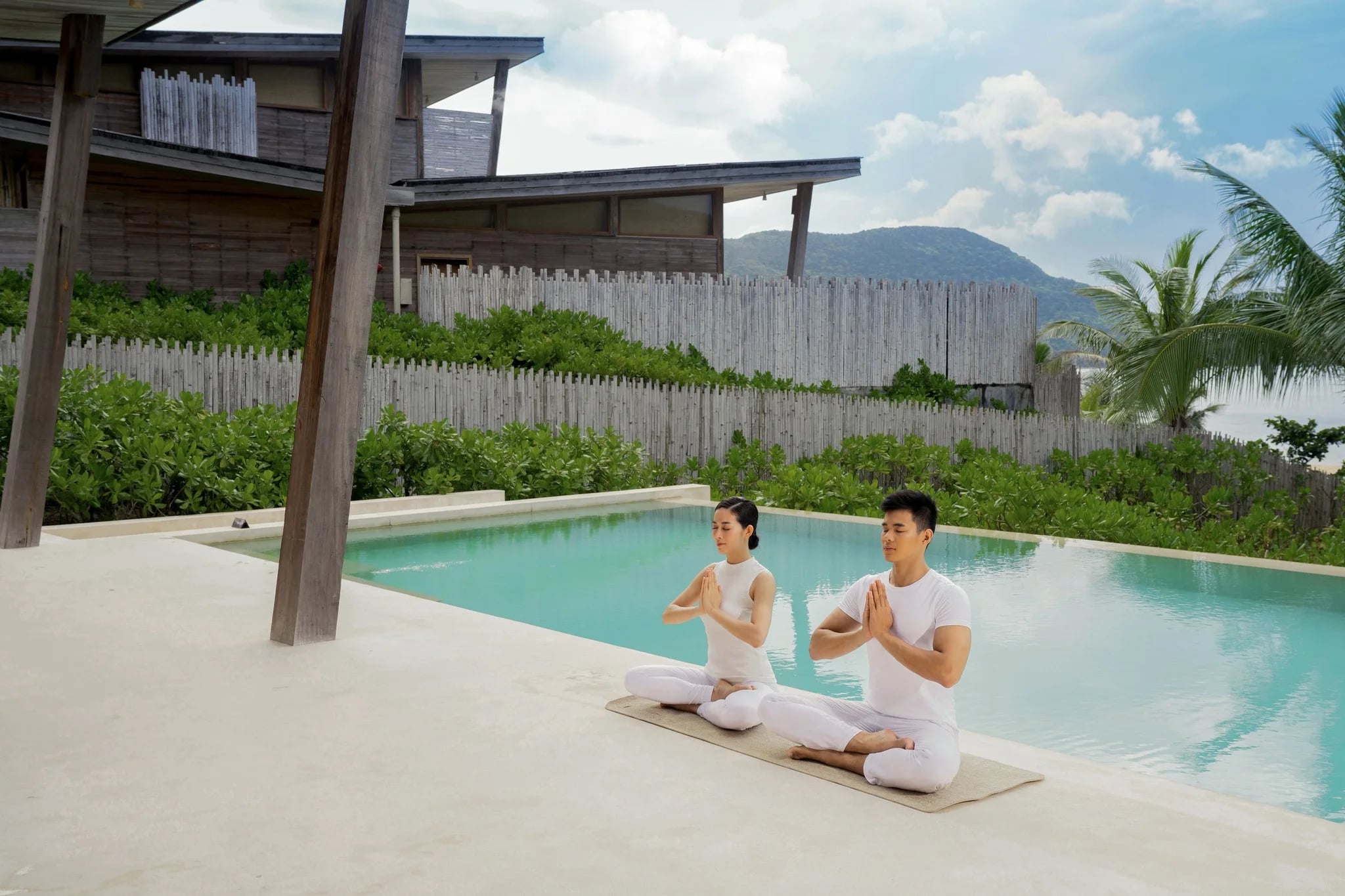
This is one of the foundations for Slow Travel, and more broadly, Slow Hospitality to gain traction. Euromonitor notes that current travel choices are increasingly shaped by experience, authenticity, and value; moreover, journeys driven by passion, personal purpose, wellbeing, exploration, and creativity are expanding demand beyond traditional resort models.
For the hospitality industry, this creates a significant shift. Guests are no longer just seeking a better room, more amenities, or a packed itinerary. They are increasingly interested in how a hotel can make them feel during their stay.
And that is precisely where Slow Hospitality begins.
What exactly is Slow Hospitality?
Slow Hospitality does not simply mean slower service, longer check-ins, or encouraging guests to "do less". Interpreted this way, the concept would become a paradox for a service industry that constantly pursues convenience and efficiency.
Essentially, Slow Hospitality is an approach where time, relaxation, local authenticity, human connection, and depth of experience are considered the core components that create value in a hospitality product.
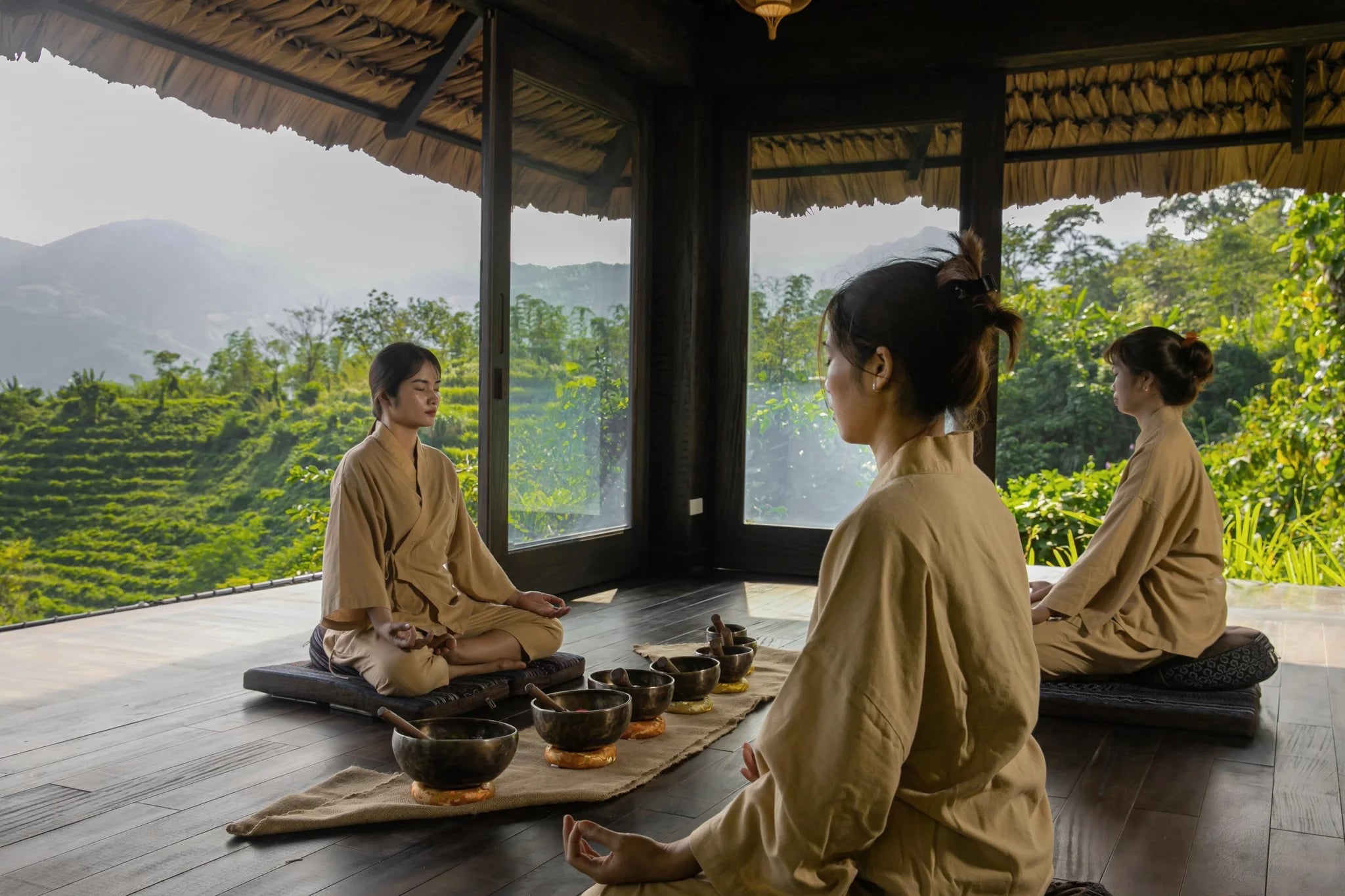
A resort embracing the spirit of Slow Hospitality does not necessarily need a multitude of activities. Value can lie in creating a space appealing enough for guests to want to spend an entire morning by the pool, reading under a tree, enjoying a local breakfast, or simply having no plans at all.
A boutique hotel also doesn't need a host of facilities to differentiate itself. The architecture, local stories, garden, sounds, scents, a carefully prepared breakfast, or a timely conversation with staff can become elements that create a memorable experience.
In other words, Slow Hospitality doesn't sell "more things". It sells "a different way of experiencing".
While traditional hospitality often asks: "What do guests need during their stay?", Slow Hospitality adds a deeper question: "How do we want guests to feel about their time here?"
When Time Becomes Part of the Product
In the hotel industry, time has long been viewed primarily from an operational perspective. How many minutes for check-in, how long for housekeeping to complete a room, breakfast service hours, room turnaround time.
But Slow Hospitality introduces another concept: guest time.
How much time do guests truly have for themselves during a holiday?
This question can change how a hotel designs its products. A resort might not need to fill guests' schedules with continuous activities but can proactively create empty spaces. A wellness retreat can design programs with a gentler pace, allowing guests time to rest between experiences. A city hotel can develop staycation products that enable guests to enjoy the space and services without excessive travel.
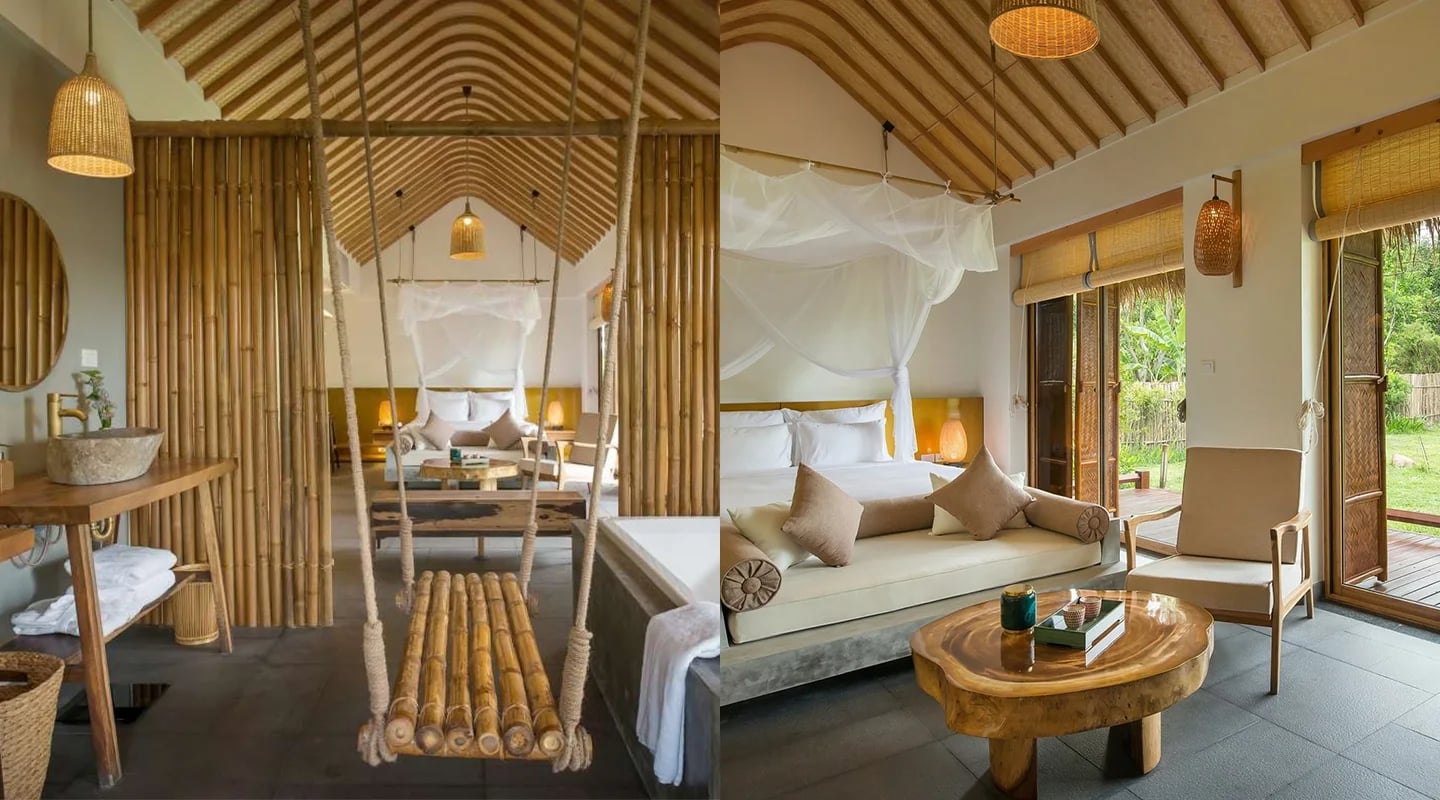
Notably, empty space is no longer seen as a missing part of the product. If intentionally designed, empty space is an integral part of the experience.
A packed schedule might make guests feel they have "done a lot". But a holiday with enough empty space is truly capable of making guests feel rested.
This is a shift from activity-driven hospitality to emotion-driven hospitality, from maximising the quantity of activities to optimising the quality of perception.
Why is this trend emerging now?
The rise of Slow Hospitality is not an isolated phenomenon. It is part of a larger shift in global travel behaviour: travellers are seeking experiences that better align with their own preferences, values, and life stages.
Euromonitor, in its report Top Five Trends Shaping Travel into 2026 , states that experiences, authenticity, and value are increasingly shaping travellers' choices. In particular, "passion and purpose" are becoming significant drivers of travel demand, as customers combine wellbeing, exploration, and creativity in a single journey. Euromonitor also notes that experience and attraction categories are among the fastest-growing segments of destination spending.
This means that trips are increasingly evaluated not by "where they went", but by "what they felt".
Data from Vietnam also indicates that travel demand continues to maintain significant momentum. According to a 2025 Vietnam Report survey, 65.3% of surveyed consumers stated they plan to travel more in the next 12 months, and 69.4% intend to increase their travel budgets. Vietnam Report also noted a trend of consumers prioritising service quality, privacy, sustainability, and emotional value in their journeys.
This is a notable change for hospitality. As customers are willing to allocate more resources to travel, the question is no longer just how many times they travel, but what value they want that expenditure to bring.
If the answer is relaxation, connection, and rejuvenation, Slow Hospitality has a very clear space to develop.
Vietnamese Travellers Are Becoming More Proactive in Designing Their Journeys
Another factor driving Slow Hospitality is the increase in independent travel.
According to Decision Lab, 57% of surveyed Vietnamese consumers prefer independent travel, planning their own trips and booking services themselves. Meanwhile, 27% prefer all-inclusive tours, and 16% choose a hybrid approach. Decision Lab suggests this trend reflects a growing demand for flexibility and control over their itineraries among travellers.
This has significant implications for hotels.
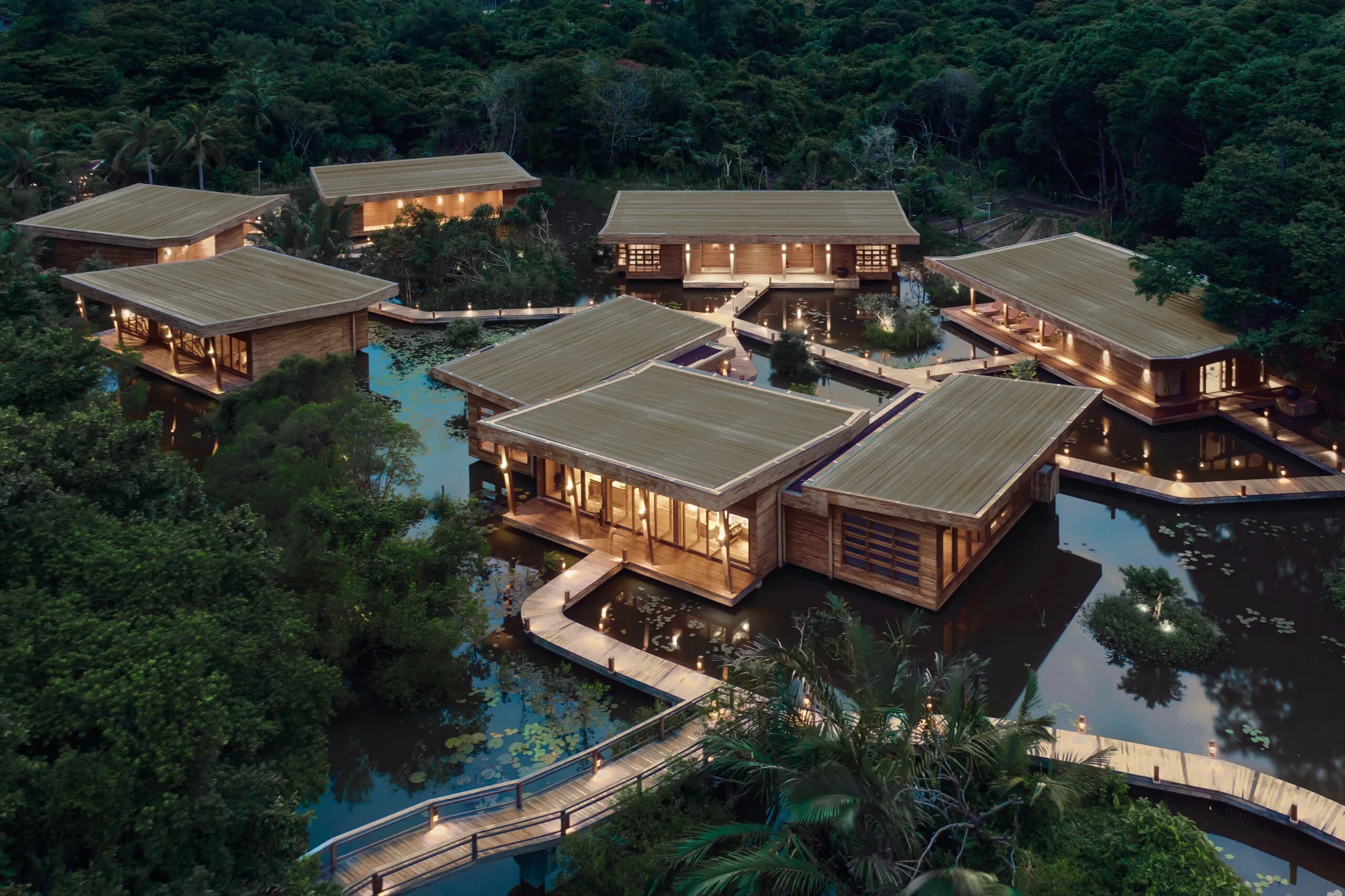
When customers are no longer entirely dependent on a fixed tour itinerary, they have the power to decide how they use their time. They might skip a sightseeing spot to sleep an extra hour. They might stay at the resort instead of going out. They might spend an entire afternoon at the spa, reading, or enjoying a long dinner instead of trying to fit in another activity.
Hotels, therefore, are not just places that serve a pre-determined itinerary. They can become an integral part of the journey that guests actively design themselves.
This presents a significant opportunity for hospitality models capable of creating reasons to stay.
From "amenity" to "ritual": When simple things become experiences
One of the key changes in Slow Hospitality lies in how hotels perceive seemingly ordinary things.
A cup of coffee can be just a drink. But if served in a quiet garden in the morning, accompanied by a story about the local coffee source and an undisturbed period of time, it can become a morning ritual.
A dinner may simply represent F&B revenue. However, if the restaurant crafts its menu from local ingredients, weaving in stories of the region and traditional preparation methods, the meal can transform into a way for guests to discover the destination.
A spa session doesn't necessarily have to be sold only as a treatment. It can be designed as a restorative journey encompassing therapy, nutrition, meditation, sleep, and downtime.
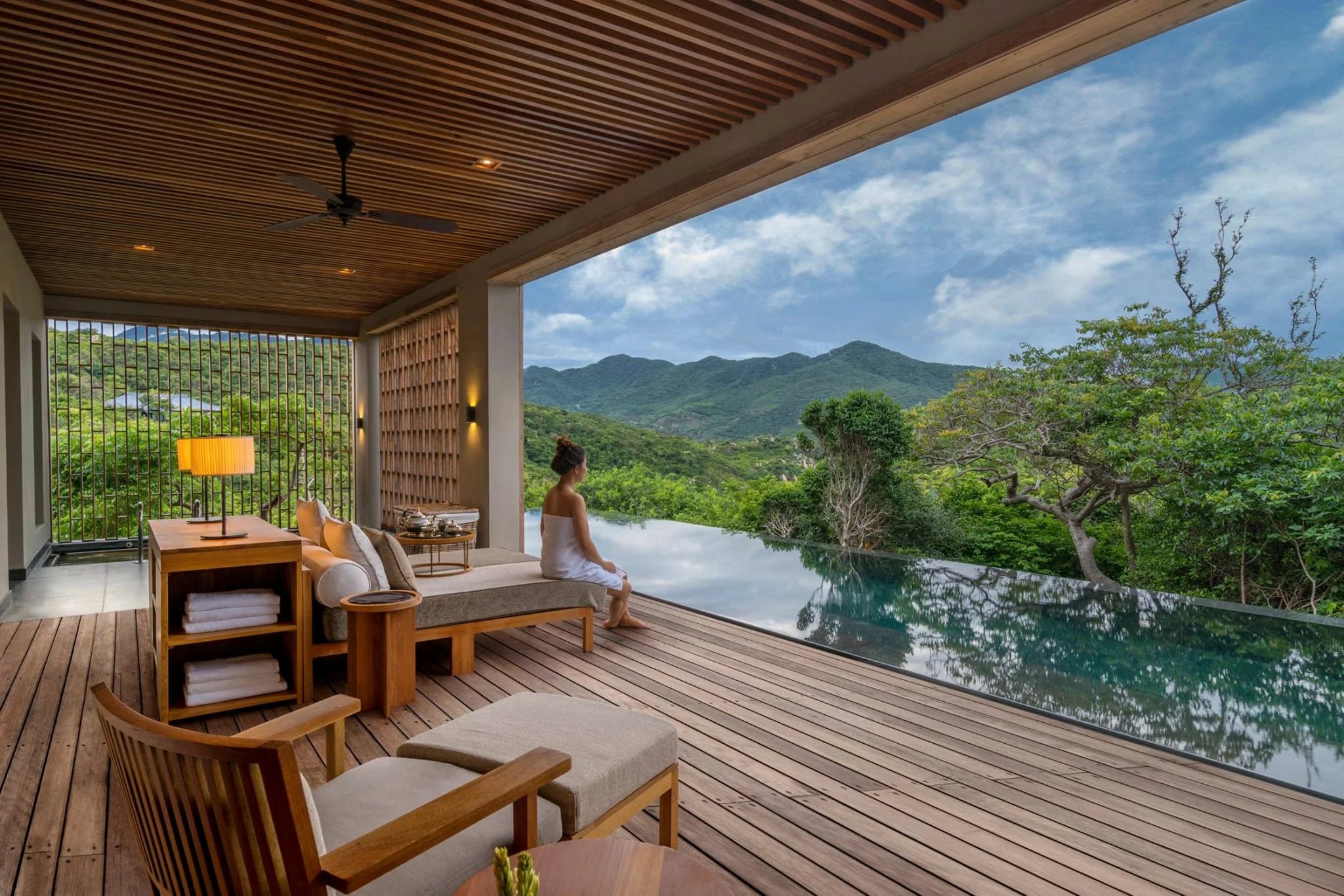
This is where experience design becomes crucial.
Hotels do not necessarily need to invest in many additional amenities. Often, the value lies in connecting the property's existing assets into a purposeful experience.
A garden can become a meditation space. A kitchen can become a culinary class. A coastal path can become a morning walking experience. A local community can become a partner in creating cultural experiences.
Slow Hospitality does not necessarily entail a large CAPEX. First and foremost, it is about product redesign.
Slow Hospitality is not a one-size-fits-all formula for every hotel
It is crucial not to turn Slow Hospitality into a "template" to be applied to every property.
A city hotel serving business travellers may not need to build long-stay retreat experiences. However, the hotel can develop slow dining, business wellness, micro wellness experiences, or spaces that help guests rejuvenate amidst their work schedules.
A coastal resort has completely different advantages. There, Slow Hospitality can be built around nature, wellness, cuisine, local culture, and slow-paced experiences.
A boutique hotel, on the other hand, can focus on architecture, art, history, and the local community.
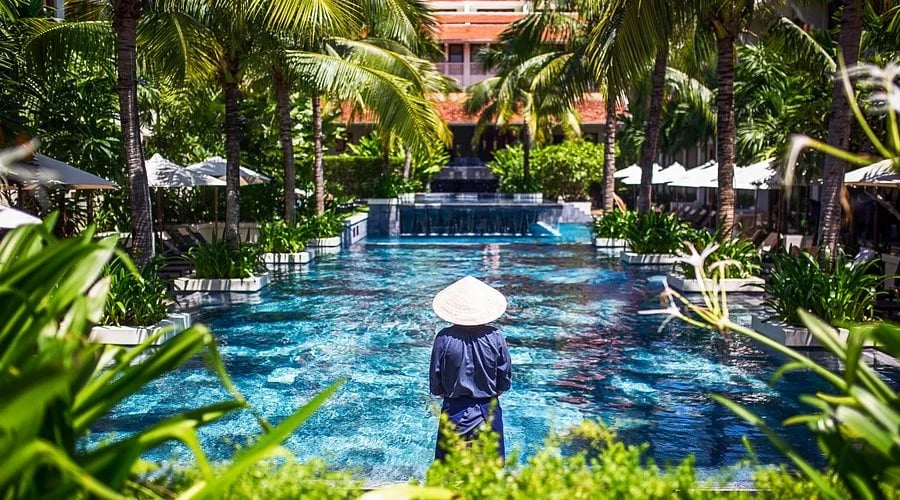
The key is not “how many slow activities” are offered, but whether the property creates a consistent experiential rhythm aligned with its brand positioning. Slow Hospitality only truly adds value when it becomes an integral part of the product concept, guest journey, and operating model, rather than merely appearing in a marketing campaign.
NewSun Hospitality – Designing Experiences from Asset Strategy
At NewSun Hospitality, we believe that a valuable hospitality project is defined not only by what is built, but by how the asset is positioned, the experience designed, and the business model operated.
From Market Research & Business Model, Product Definition & Functional Brief, Design Review, Pre-Opening to Operations, Sales & Marketing and Digital Transformation, NewSun partners with investors to transform market data and customer insights into hospitality products with clear positioning, distinctive experiences, and practical operational capabilities.
- Hotline: +84 768 68 2913
- Email: dosm@nshm.com.vn
- Zalo OA: https://zalo.me/2452770272256938463 (NewSun Hospitality)
- Website: https://nshm.com.vn/ (NewSun Hospitality)
References:
- Deloitte. (2026, February 5). 2026 travel industry outlook. Deloitte Insights.
- Deloitte. (2026, May 19). Flight or fold: 2026 Deloitte Summer Travel Survey. Deloitte Insights.
- Decision Lab. (2026, May 15). The rise of independent travel in Vietnam is changing how destinations, airlines, and tour brands compete. Decision Lab.
- Euromonitor International. (2025, December 9). Top five trends shaping travel into 2026. Euromonitor International.
- Vietnam Report. (2025, December 1). Top 10 & Top 5 Most Reputable Companies in Tourism – Hotels, Resorts – Passenger Transport in 2025. Vietnam Report.