


 VN
VN EN
ENOver the past four articles in the series "Decoding Hotel Product Strategy" we have successively dissected common "bottlenecks" in the development of hotel and resort products in Vietnam. From products lacking clear differentiation and misaligned target customer segmentation, to the imbalance in room quantity and structure, these are all issues that are visible, measurable, and frequently mentioned in investment reports. However, reality shows that many projects, despite addressing these factors and even receiving trillions of VND in investment, still struggle to make an impression and be remembered by tourists.
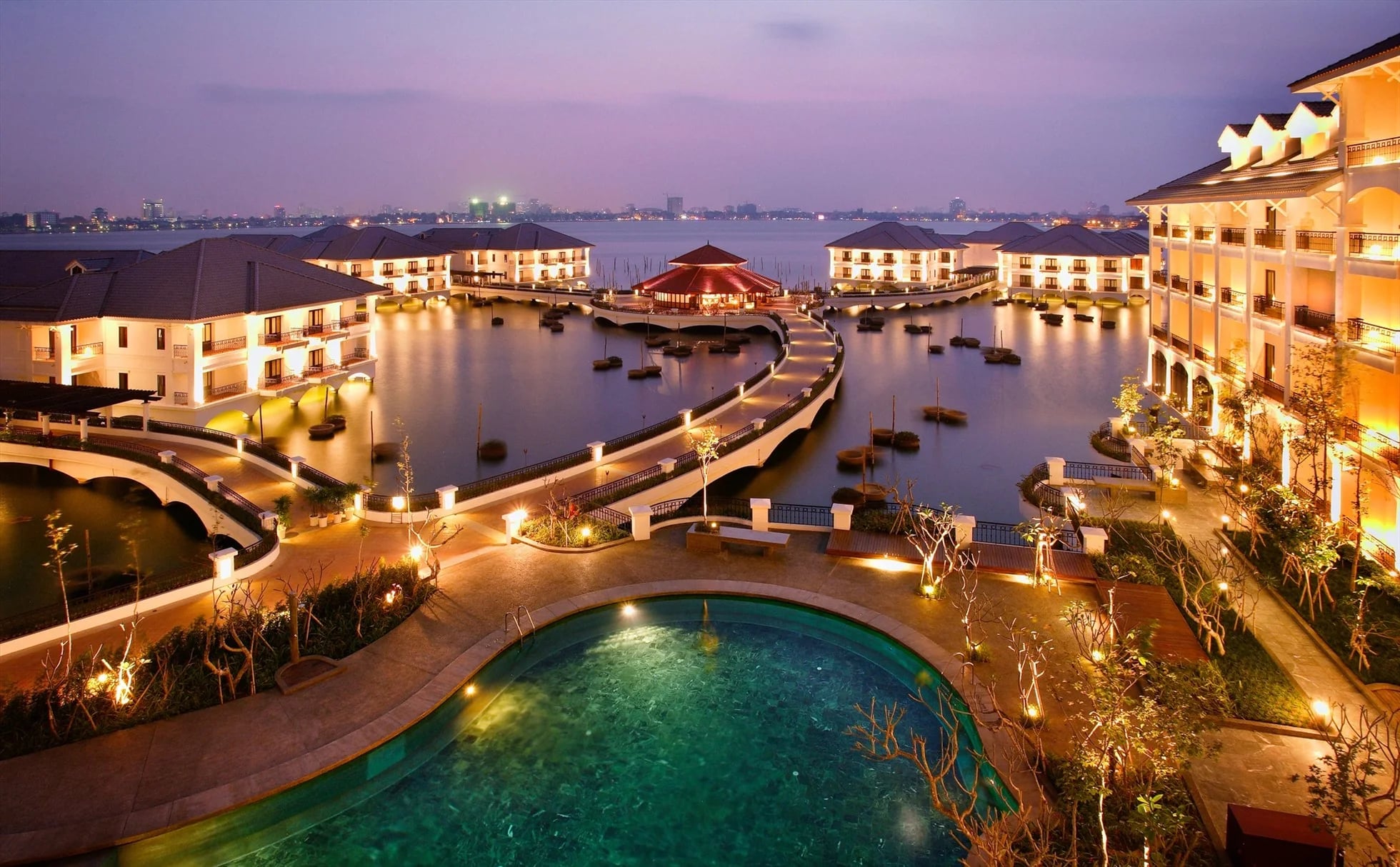
The core reason lies in a more "invisible" and elusive factor, often overlooked during the strategic planning phase: the absence of local identity. Upon entering many high-end hotels and resorts in Vietnam, guests often encounter spaces, design styles, and service experiences that are so "internationalised" they could be found in any country. This uniformity causes destinations to lose their unique character, making the stay experience bland, lacking stories to tell and emotions to remember, despite everything being luxurious, meticulous, and expensive. In this concluding article of the series, NewSun Hospitality will join you in confronting the reality that is quietly undermining the competitiveness of many high-end projects. Through compelling statistics on experiential travel trends, the modern traveller's demand for local value, and practical market lessons, we will analyse why local culture needs to be at the heart of product strategy. More importantly, the article will suggest specific approaches and solutions to transform local identity into a sharp competitive "weapon," helping hotels not only attract significant investment but also be remembered longer and chosen more often.
The Reality: When 5-Star Hotels Become Soulless "Glass Boxes"
A paradox is quietly unfolding in many of Vietnam's tourism hubs: travellers are willing to journey thousands of kilometres in search of new experiences, only to find themselves staying in rooms indistinguishable from those in New York, London, or Singapore. The spaces are so familiar they become impersonal, completely detached from the very destination they have just arrived in.
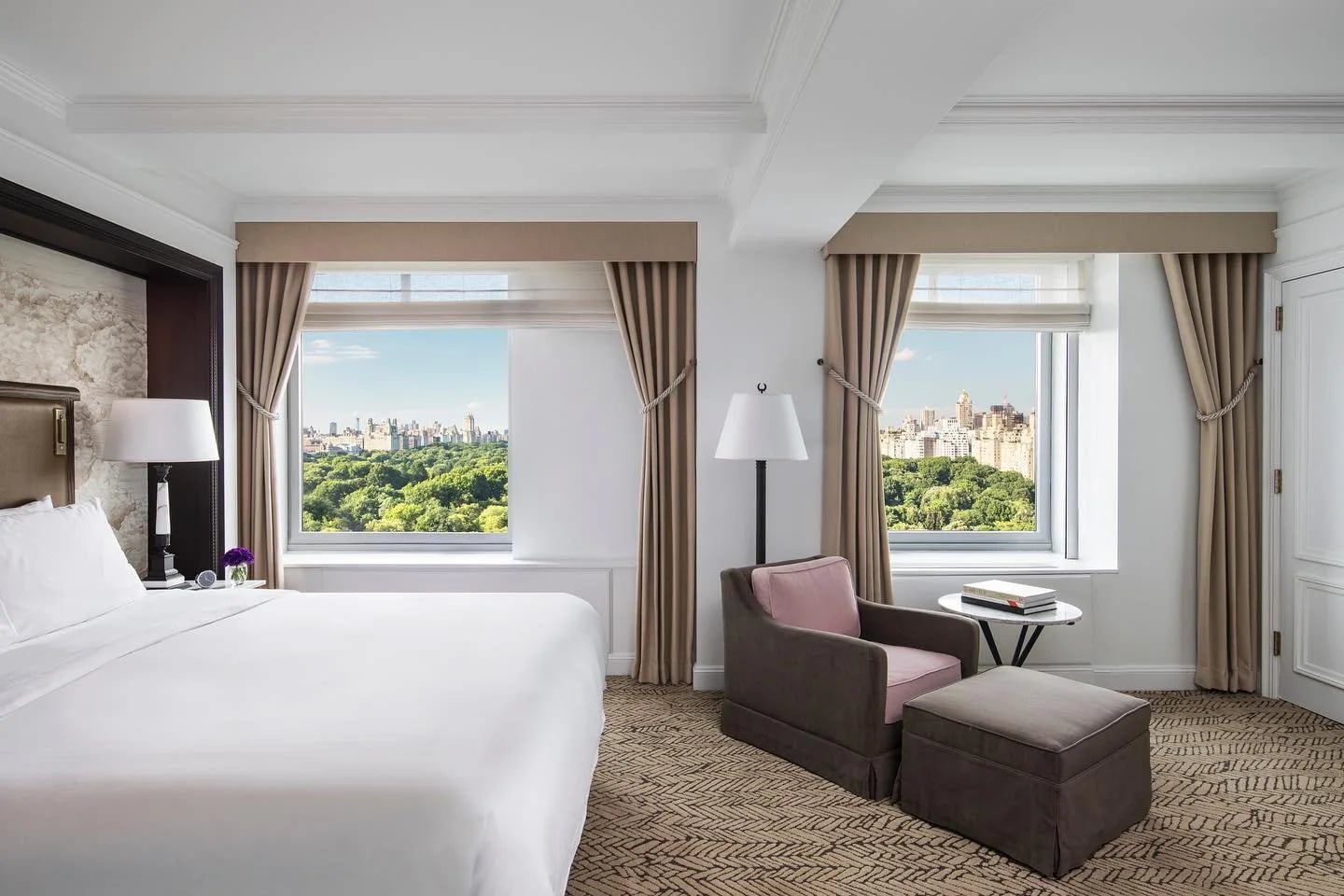
The core reason lies in a templated international product development mindset – cookie-cutter approach. Many high-end hotels and resorts are opting for "safety" by replicating global standards, rather than boldly creating a unique identity. The result is properties that may achieve 5-star standards in amenities, but fail to tell a local story.
- At the architecturallevel, it is not uncommon to encounter reinforced concrete structures and modern glass facades that are alien to the surrounding landscape. The building exists as an "exotic object," lacking dialogue with nature, climate, and local materials – elements that could otherwise create a unique identity for the destination.
- Stepping into the interior space, luxury is evident, but the emotional impact is muted. Expensive, internationally standardised furnishings are abundant, while handcrafted motifs, traditional materials, or Vietnamese-inspired artworks are absent. The space thus becomes beautiful, but anonymous; high-end, but lacking in memory.
- Cuisine – one of the most important pillars of the travel experience – is also caught in this "homogenisation" spiral. Menus are filled with generic, easy-to-eat but forgettable European and Asian dishes. Regional specialities are overlooked, or superficially recreated, lacking cultural depth and appropriate culinary techniques.
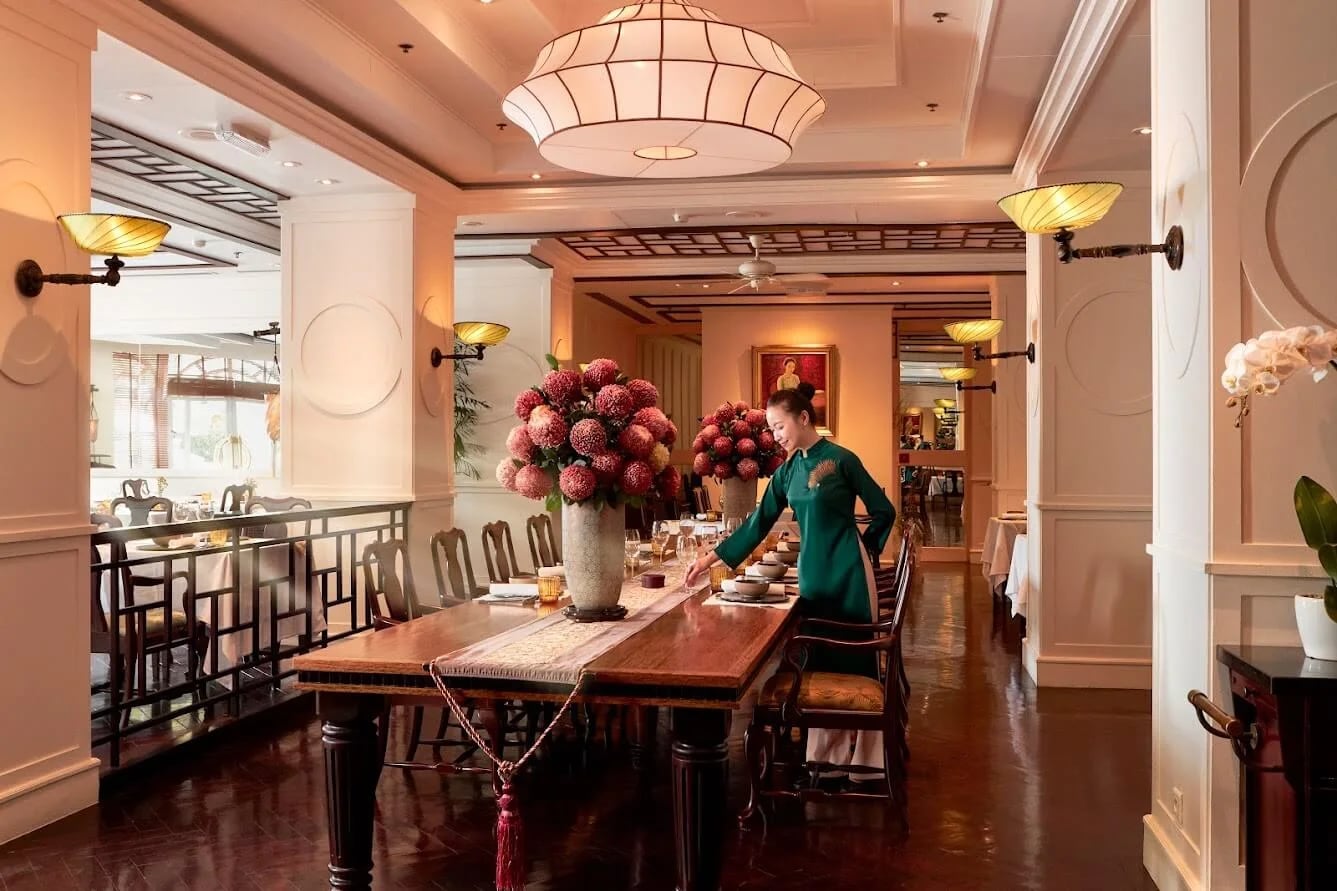
This homogenisation is silently eroding the core value of luxury hotel products: authenticity. When every destination looks the same, guests have no reason to remember – and even less reason to return.
The Data Speaks: What Do Travellers Really Need?
One of the most common misconceptions in today's luxury hospitality industry is equating "luxury" with "Westernisation". Many projects believe that the closer they align with international standards in design, service, and experience, the more readily the product will be accepted by the market. However, global tourist behaviour research data in recent years reveals a completely different reality: the luxury of the future lies not in replication, but in authenticity. According to Booking.com's 2023 Sustainable Travel Report, conducted with over 33,000 travellers from 35 countries, as many as 75% of travellers stated they desire authentic experiences rich in local cultural identity during each trip. More notably, 66% actively seek opportunities to learn about the local life, customs, and identity of their destination – rather than merely enjoying pure accommodation amenities.
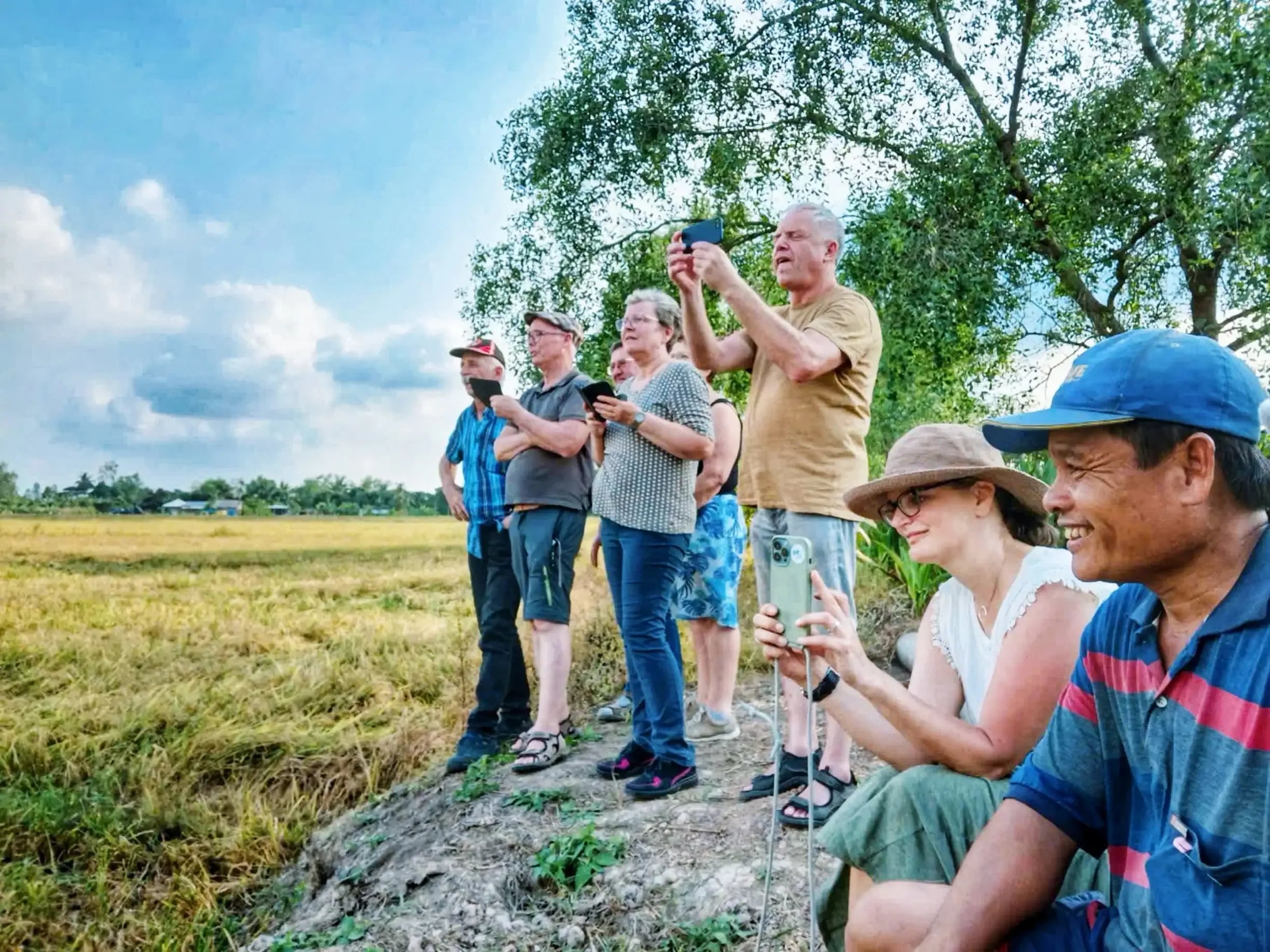
These figures indicate a clear shift in global traveller expectations: hotels are no longer seen merely as "a place to sleep," but are becoming an integral part of a cultural discovery journey. Every space, every experience, every service detail is expected to tell a story about the destination where they are located. This trend becomes even more pronounced when looking at the key customer segment of the future. According to the American Express Travel Global Travel Trends Report 2023, 85% of Gen Z and Millennial travellers are willing to spend money on experiences that allow them to immerse themselves in local culture, rather than prioritising shopping or traditional resort stays. For this group of guests, the value of a trip is not measured by the hotel's star rating, but by the degree of "localisation" of the experience they take away.
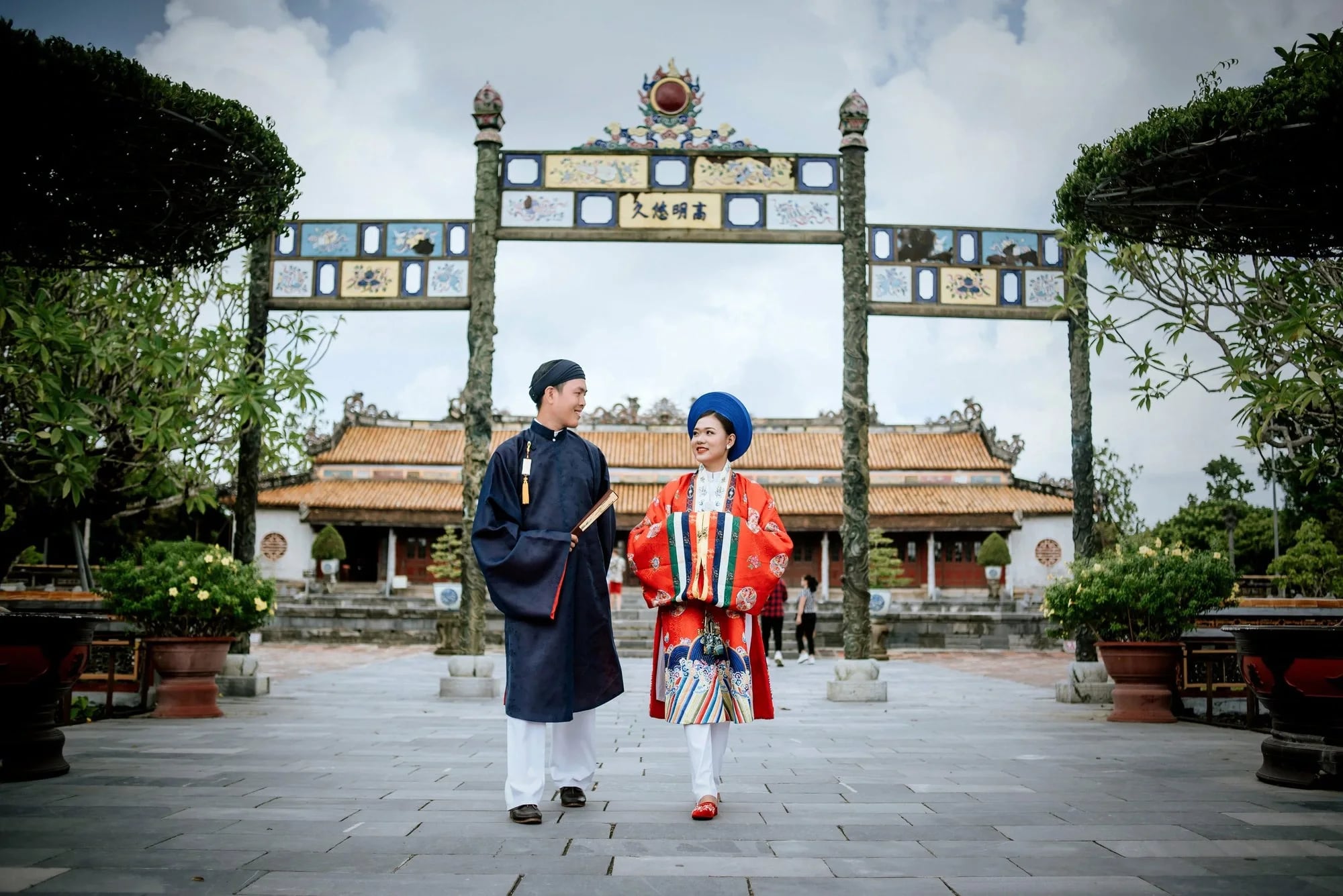
When these figures are placed side-by-side, one message becomes abundantly clear: identity is no longer a "bonus," but a "prerequisite." A hotel product lacking cultural distinctiveness not only fades into the background of a fiercely competitive market but also goes against the demands of nearly 80% of the global potential customer base. In other words, every design decision, every culinary choice, every service experience that fails to reflect the local spirit means we are voluntarily refusing to forge an emotional connection with the majority of our guests. In a market where experience is the new "currency," hotels without identity will struggle to be remembered – and even more so to secure repeat visits. The Cause: Why are we losing the "soul" of the project? Vietnam is not short of resources to tell cultural stories. On the contrary, we possess a vast treasure trove of heritage, from architecture, handicrafts, and cuisine, to lifestyles, beliefs, and indigenous customs unique to each region. Yet, the paradox is that the more resources we have, the poorer hotel products become in terms of identity. So, what are the core reasons why the "soul" of a project is gradually eroded right from the conceptualisation stage?
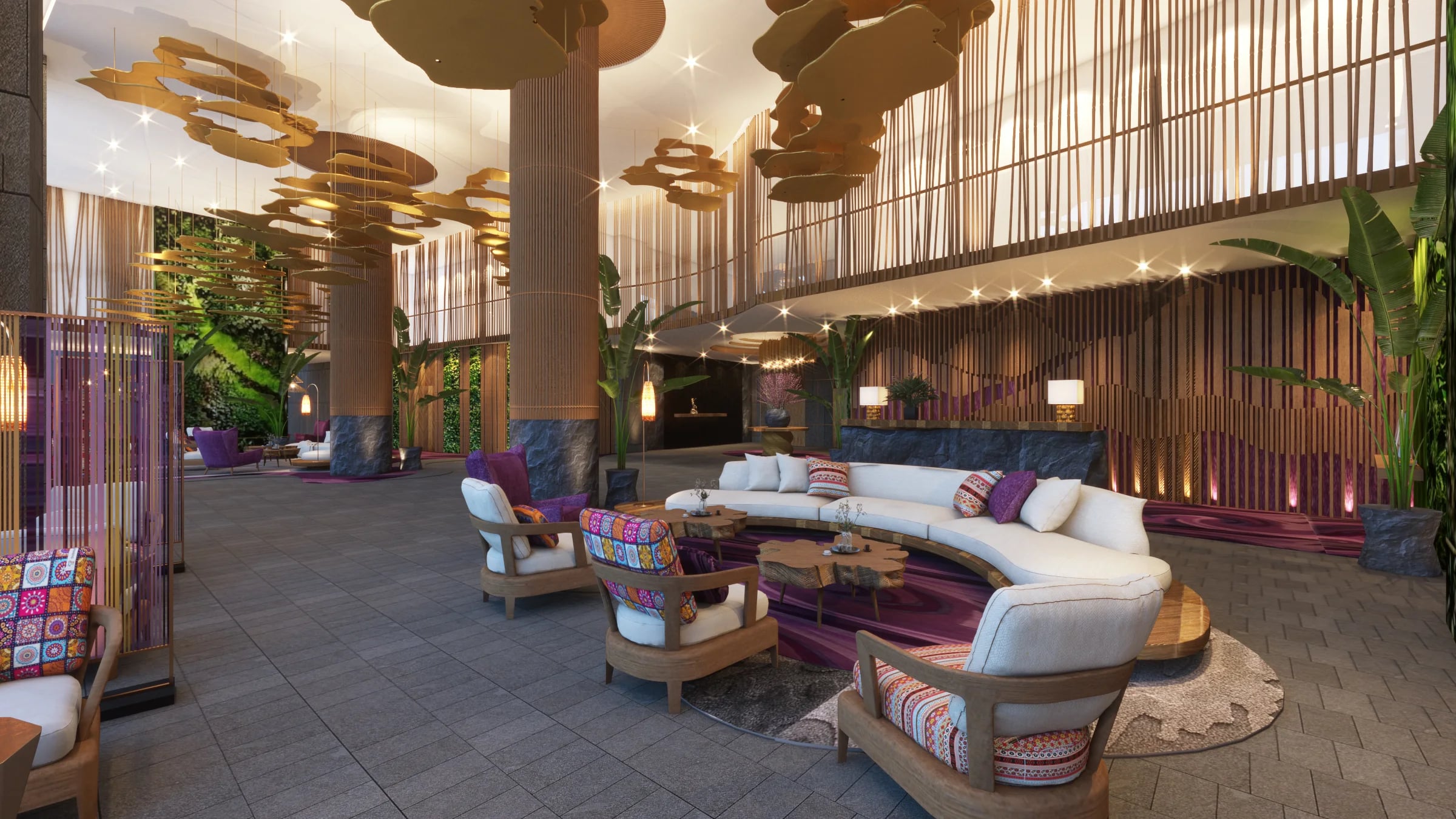
Firstly, a "safe" mindset in product design and development. Under pressure from deadlines, costs, and profit expectations, many investors—especially when working with international design consultants—choose the path of least risk: applying standard concepts proven in various markets. These models offer the advantages of being easy to operate, maintain, and replicate. However, the cost is a trade-off of identity. When everything adheres to a "global template," leaving no room for local creativity, the project inadvertently becomes an anonymous product among hundreds of similar hotels. Secondly, a misunderstanding and sometimes prejudice regarding the concept of "luxury." Many investors, particularly in the small and medium-sized segments, still equate luxury with classical European, Neoclassical, or Western Modern Luxury aesthetics. Within this frame of reference, indigenous materials such as bamboo, rattan, ceramics, natural stone, or traditional roof tiles are often labelled as "less luxurious," "rustic," or "difficult to sell." This misconception means that Vietnamese identity is not seen as a value that can elevate a product, but merely as a secondary decorative element—if not entirely discarded. Thirdly, superficiality in product research and development (R&D). The concept of Genius Loci, or "the spirit of a place," demands a serious, multi-faceted, and long-term research process. However, in reality, many projects approach culture only at a superficial level: hanging a few illustrative paintings, placing a few folk-art statues, or using traditional motifs disjointedly. These formalistic efforts are insufficient to create a cohesive narrative, much less to evoke deep emotions and connection from guests.
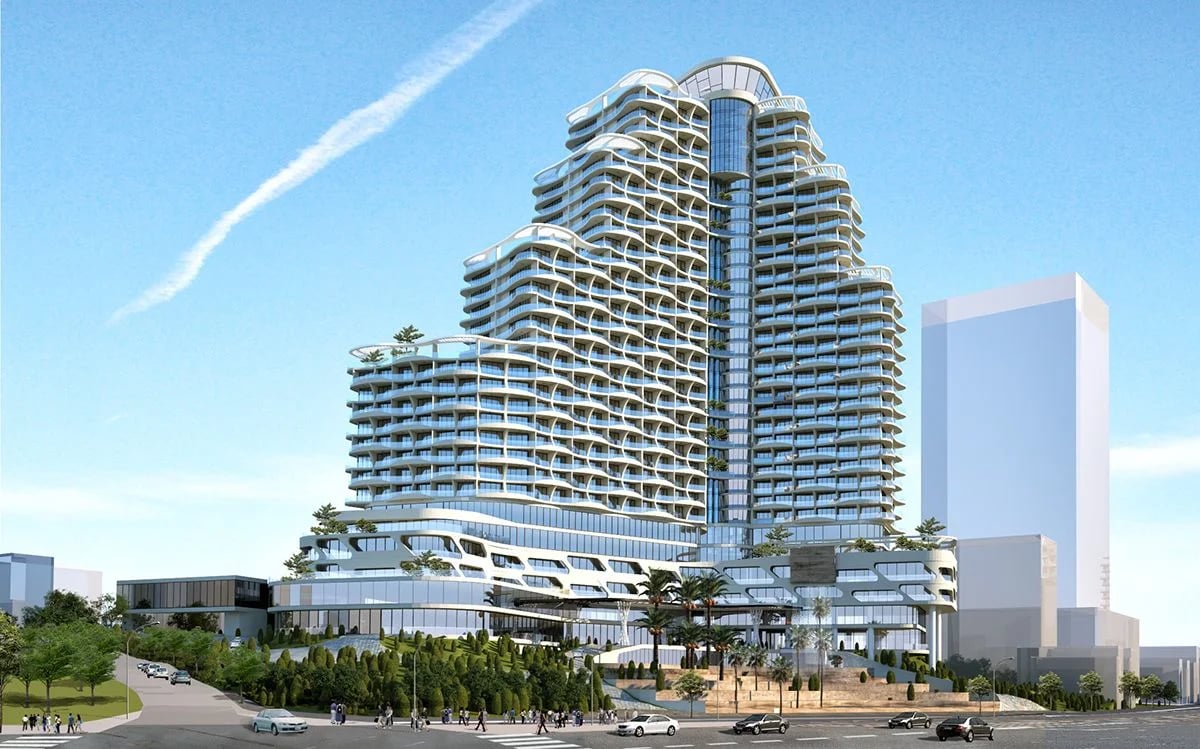
Finally, the lack of a cohesive storytelling mindset throughout the entire experience. Culture cannot be "added on" to a project at the final stage. It needs to be integrated from the outset—from master planning, architecture, interior design, and cuisine, to staff training. Without a core guiding narrative, cultural elements become fragmented, illogical, and fail to leave a distinct impression in the customer's mind. The sum of these reasons has led to an unfortunate consequence: many hotel projects, despite investments of hundreds, even thousands of billions of VND, lack a strong enough "soul" to be remembered. In a market where experience and emotion are decisive factors, losing identity from the very core concept is the greatest risk and the greatest waste in today's hospitality industry.
Consequences: Loss of competitive advantage and guests' "underlying" disappointment
The most dangerous aspect of a hotel product lacking identity is not immediate revenue decline. On the contrary, its consequences unfold subtly, slowly, but persistently, like a process of brand "erosion" from within. By the time the problem is recognised, many projects have lost the opportunity to correct course, as their competitive position and brand image in customers' minds have already faded. Firstly, brand dilution – when a hotel becomes "unmemorable." A product without a story, without a clear cultural imprint, will be very difficult to distinguish from numerous competitors in the market. In the eyes of customers, your hotel is merely "an okay place to stay," not "a memorable place." When differentiation disappears, price becomes the only remaining competitive weapon. The inevitable consequence is continuous discounting, reliance on OTAs, and increasingly eroded profit margins. From a brand with high pricing potential, the hotel gradually slides into the "selling rooms at low prices" race – a path that is very difficult to reverse.

Secondly, losing out on home turf in regional destination competition. When comparing Vietnam with excellent cultural tourism destinations like Thailand or Bali (Indonesia), the gap in authentic experiences becomes clear. Visitors to Bali can feel the "breath" of Hinduism present in every resort – from architecture and welcoming rituals to sounds, scents, and the rhythm of life. In Thailand, friendly smiles, curved temple roofs, traditional patterns, and a spirit of hospitality create a consistent, unmistakable identity. Meanwhile, if an international tourist comes to Vietnam but only encounters concrete blocks, glass facades, and industrial-style interiors, they will have no reason to return. Not because Vietnam lacks beauty, but because the accommodation experience does not help them "touch" Vietnam. Thirdly, fragmented customer experience – "moments of disappointment" significantly reduce satisfaction. High-end travellers do not seek disjointed experiences. They desire a seamless emotional journey, where every touchpoint complements and enhances the overall experience. Strolling through an ancient, moss-covered old quarter, or exploring a traditional craft village, then returning to rest in a cold, impersonal, industrial-style room will create an "emotional disconnect." This disappointment is often not openly complained about, but it subtly reduces the Guest Satisfaction Score (GSS), leading to lower average ratings, decreased return rates, and weakened willingness to recommend (NPS). More worryingly, guests may still say "everything was fine," but subconsciously, they no longer have strong enough feelings to remember the brand.

Finally, "latent" disappointment – the most dangerous enemy in the luxury service industry. Unlike direct complaints, latent disappointment provides no clear warning signals. It manifests only through small metrics: shorter stays, lower ancillary spending, and lower-than-expected return rates. But when aggregated, this represents a significant long-term loss – in both revenue and brand value. In a market where experience and emotion dictate willingness to pay, a product lacking identity is not only difficult to sell at a premium but also struggles for sustainable existence. At that point, the cost is not just eroded profits, but the lost opportunity to secure a prominent position on the regional tourism map.
NewSun Hospitality's Solution: Awaken Identity – Elevate Position
At NewSun Hospitality, we do not approach culture as a supplementary decorative element. We believe that culture is not a cost burden, but a long-term profitable asset if leveraged correctly. The biggest challenge for many investors is not "whether to incorporate culture," but how to integrate it subtly, creating a distinctive experience while ensuring the operational standards and business efficiency of a 4-5 star hotel. To address this, NewSun Hospitality proposes a comprehensive strategic roadmap, where identity is woven throughout design, product, service, and people.
1. Storytelling Architecture: Instead of copying international models, let the space tell the story of the local area.
NewSun does not advocate for simply transplanting traditional architecture into modern hotels. Instead, we advise investors on how to distil the local spirit and transform it into a contemporary design language. Local materials such as stone, wood, ceramics, silk, or rattan are used purposefully, in the right measure and location, to create emotional accents while ensuring luxury and operational functionality. For example, ethnic patterns are not overused but are simplified to become focal points on decorative pillows, carpets, or art walls. Local ceramics are incorporated into premium amenities like soap dispensers, tea trays, or drinking cups – small details that allow guests to "touch" the culture daily. Design, in this context, is no longer just form, but a story told through materials and light.

2. Cuisine – The Silent Yet Most Powerful Cultural Ambassador
Cuisine is the most direct and emotionally rich cultural touchpoint for guests. However, elevating rustic dishes to a 5-star dining experience requires deep understanding and sophisticated creative thinking. NewSun supports the development of localised culinary concepts, combining modern cooking techniques (fusion, fine dining) with unique local ingredients. Each dish is not only delicious but also tells a story: about the land, the season, and the people behind the ingredients. The menu thus becomes "both new and familiar" – novel enough to pique curiosity, yet familiar enough to evoke a sense of belonging. When cuisine is positioned correctly, the hotel restaurant not only serves in-house guests but can also become a culinary destination for locals, increasing revenue and vitality for the project.
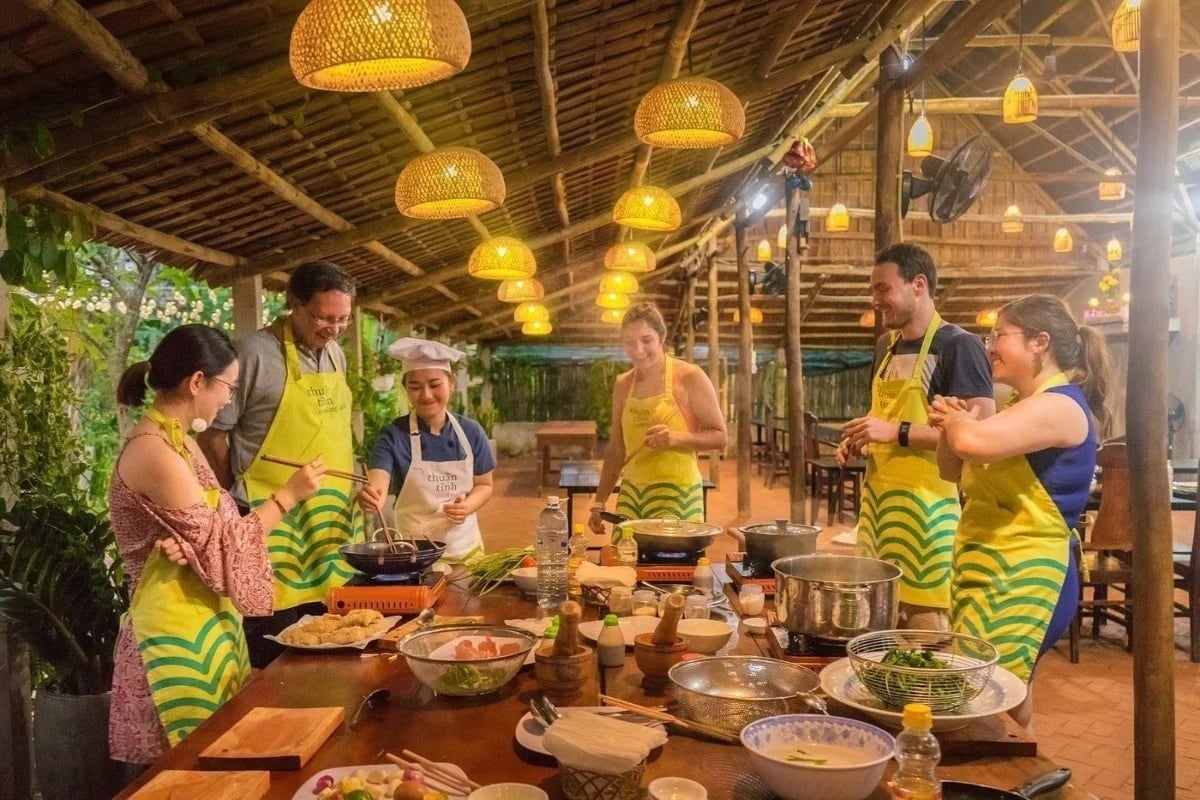
3. In-house Cultural Experiences: Transform the hotel from a "place to stay" into a "living cultural experience space."
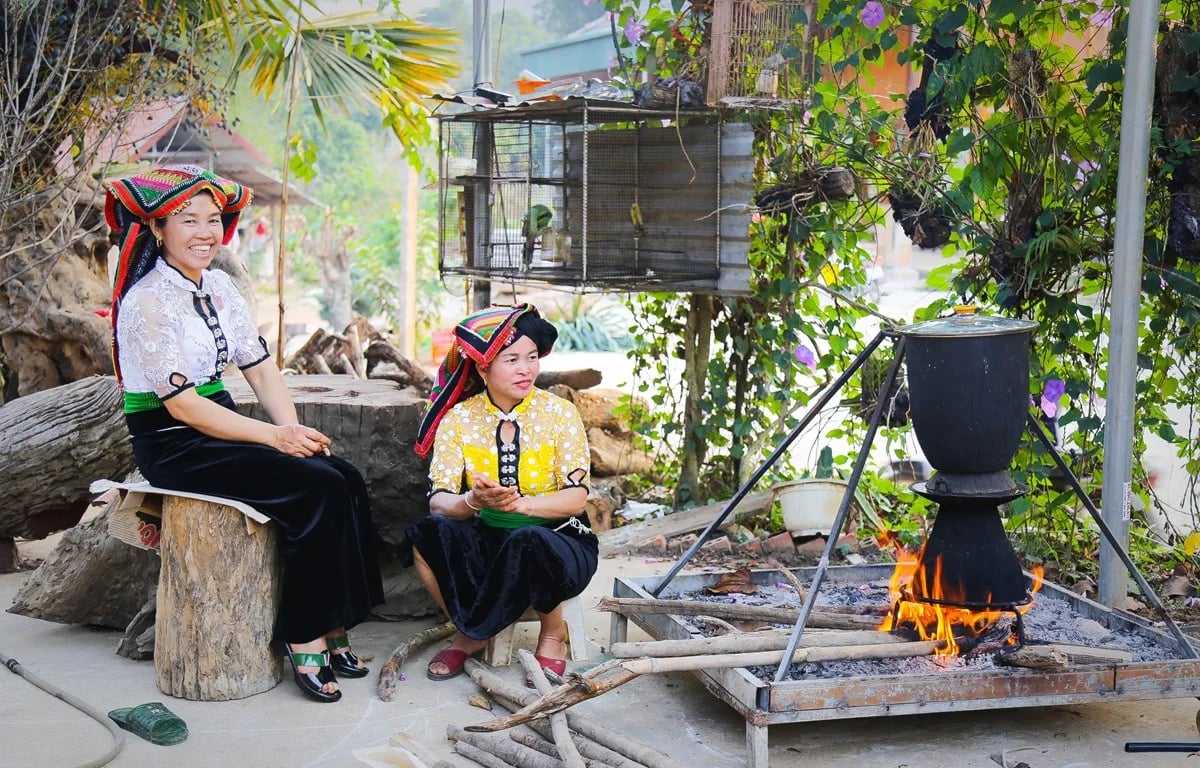
NewSun designs cultural experience activities within the hotel premises, helping guests connect with the local culture naturally and conveniently. These might include traditional cooking classes with the chef, early morning market tours to select fresh ingredients, workshops for making pottery, lanterns, or folk paintings, or small-scale art performances in the lobby during the evening. These activities do not need to be overly extravagant, but they must be meticulously organised and have depth. They help extend the length of stay, increase on-site spending, and, more importantly, create unique experiential memories – something guests are eager to share and return for.
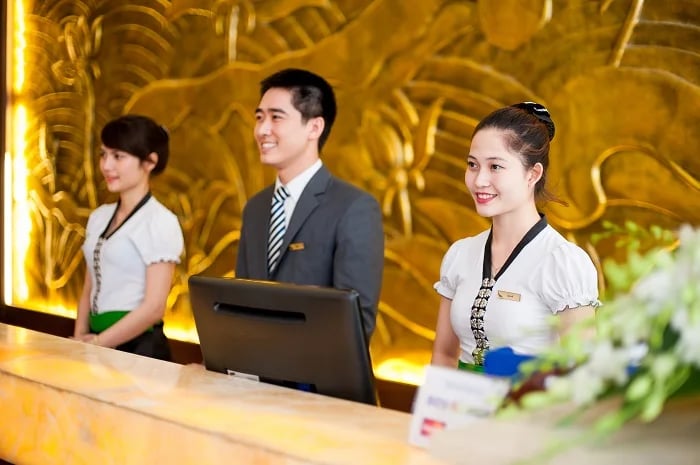
4. Staff Training – Turning Every Employee into a "Storyteller" People are the decisive factor in whether a hotel's identity truly "lives." This is also a core strength of NewSun Hospitality's Consulting & Operations Management division. We don't just train staff to follow procedures; we empower them to become knowledgeable storytellers of local culture. From greetings and food introductions to suggesting local experiences – every interaction is designed to subtly convey local pride. When employees understand the story they are telling, guests will feel the authenticity. And it is this emotion that elevates service from "good" to "memorable."
Conclusion to the "Decoding Hotel Product Strategy" Series
Concluding the 5-part series "Decoding Hotel Product Strategy", NewSun Hospitality hopes to have provided investors not just academic analyses, but a comprehensive overview of the core issues governing the success or failure of hotel products today. In an increasingly competitive and saturated market, building a beautiful hotel is a necessary but entirely insufficient condition. What creates sustainable value lies in the ability to craft a product with "soul," optimally operated, and truly understanding customer needs and emotions. A successful hotel not only meets 4-5 star standards but must leave a cultural imprint and experiential memories deep enough for guests to want to return – and readily recommend it to others. Don't let your project become a bland replica among hundreds of similar products. Let your hotel become an icon, where every space tells a story, every experience embodies the local spirit, and every stay is a reason for guests to long to return. If you are contemplating:
- Shaping product identity from the conceptual stage
- Restructuring the Product to Create Differentiation and Enhance Room Value
- Or optimise operations to both maintain high service standards and ensure financial efficiency
NewSun Hospitality is ready to accompany you, from strategic consulting and product development to comprehensive operational management. ???? Contact NewSun Hospitality today to begin the journey of transforming your project into a hotel product with identity, depth, and long-term competitiveness.
- Hotline: +84 768 68 2913
- Email: dosm@nshm.com.vn
- Zalo OA: https://zalo.me/2452770272256938463 (NewSun Hospitality)
- Website: https://nshm.com.vn/ (NewSun Hospitality)
References:
- Booking.com. (2023). Sustainable Travel Report 2023.
- American Express Travel. (2023). 2023 Global Travel Trends Report.