


 VN
VN EN
ENIn the service industry, there's a subtle yet damaging paradox that many investors and managers inadvertently overlook: customers rarely leave you because of price; they leave because of uncertainty about the experience. High prices might make guests hesitate, but it's inconsistency in service quality that erodes trust and drives them away permanently. Imagine this scenario: A business traveller once stayed at your hotel, satisfied with the room quality, the meticulous attention to detail, and the "reliable" feeling the brand conveyed. Consequently, on their next business trip, they didn't waste time comparing or considering other options; they returned to you, booking the same room type, at the same price, with the same expectations as before. But this time, the experience was entirely different. A leaky shower head made the morning unpleasant. A frayed carpet gave a sense of decline. The familiar amenities were replaced by an unfamiliar, inconsistent, and less refined brand. No single mistake was "big" enough to be a disaster, but the accumulation of small details created a general feeling: this hotel is no longer as trustworthy as it once was.

The consequences extend beyond losing a loyal guest – someone who would have readily returned without hesitation. You also face a negative review on OTA (Online Travel Agent) platforms, where a personal experience quickly becomes a "warning" for hundreds, even thousands, of other potential customers. The damage here is not just the revenue from one room, but brand reputation eroded over time. This is precisely the focus of Article 4 in the "Decoding Hotel Product Strategy" Series: Inconsistent Room Quality – The "Trap" of Lacking Standard Consistency. A successful hotel product is not just about beautiful design or competitive pricing; more importantly, it must deliver a consistent, stable, and reliable experience for guests across all stays, at all times. Because in the hospitality industry, consistency is not just an operational standard, but the core foundation for building lasting loyalty and brand value.
The Reality: The "Gamble" of Customer Experience
In many hotels in Vietnam today, especially small and medium-sized hotels or chains that are expanding but have not yet standardised their systems, the customer experience is being put on the scales of a risky "gamble". This is a gamble where the outcome does not depend on the brand promise or the price paid, but entirely on... the room they are allocated that day. This phenomenon is often known by a familiar name in the operational world: "localised degradation". This means that within the same accommodation facility, with the same star standard and the same selling price, the quality of experience between rooms is inconsistent, lacking uniformity and depending on luck. Customers do not know whether they will receive the "best version" or the "acceptable version" of the product they have trusted and chosen.
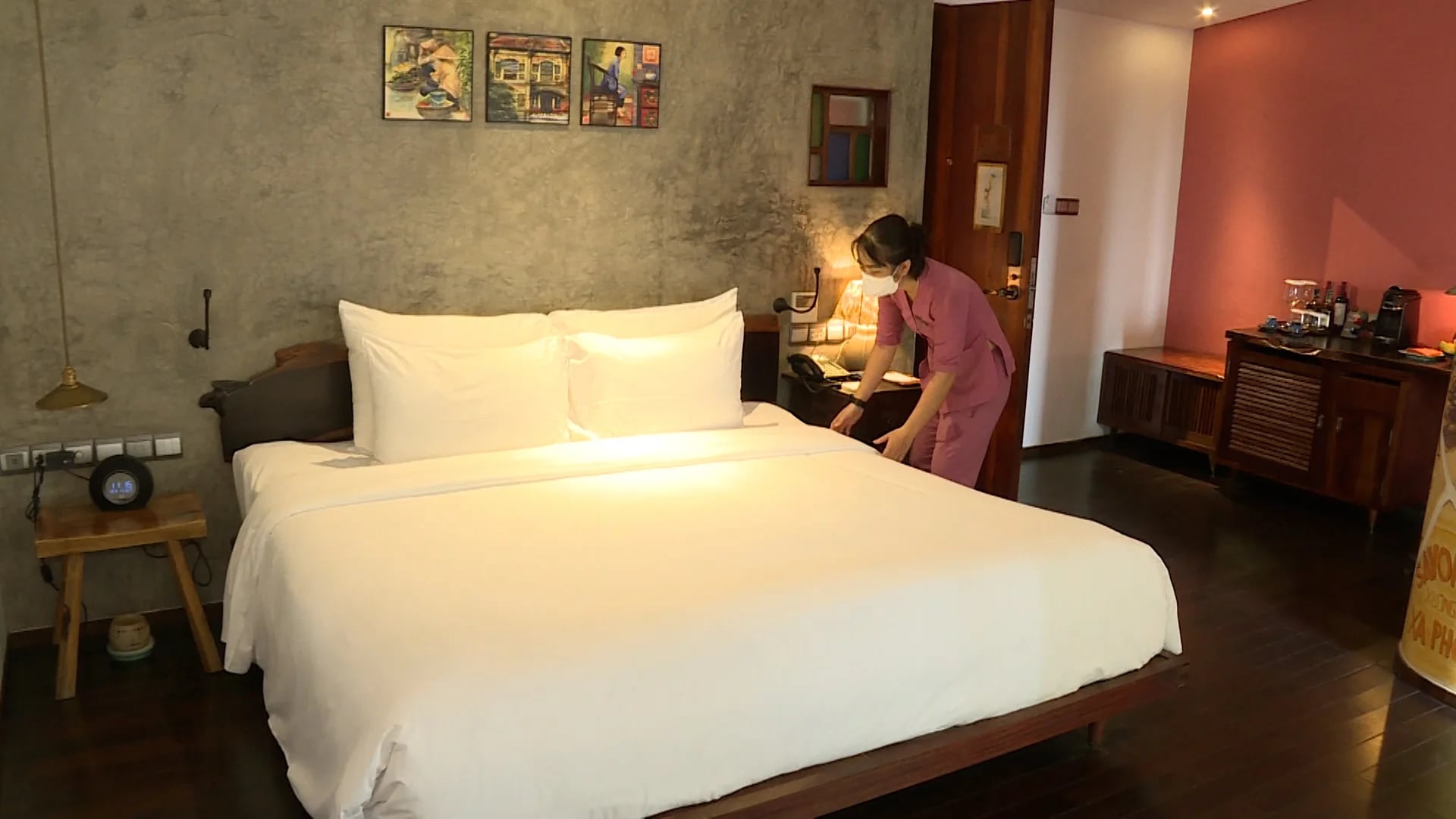
Firstly, there is a clear disparity in facilities. On the same floor, even in the same wing, some rooms have been recently upgraded, with new furniture, harmonious colours, and good lighting. But interspersed among them are rooms that have not been renovated for many years, with frayed carpets, scratched wooden furniture, and degraded sanitary equipment. The reason often stems from "firefighting" maintenance plans, piecemeal and reactive, lacking a comprehensive renovation roadmap based on the room product lifecycle. Next is the lack of uniformity in equipment and consumables – details that seem small but directly impact customer perception. Room 305 is equipped with soft, thick cotton towels, providing a luxurious and pleasant feeling after showering. But just two rooms away, room 307 uses thin, stiff, poorly absorbent towels because the hotel changed suppliers in a later order to cut costs. For customers, this is no longer an internal story about purchasing or bidding, but a big question mark: "So what exactly is this hotel's true standard?" Even more serious is the instability in room cleaning quality. In many establishments, the cleanliness of the room is not guaranteed by a checklist system, QC (Quality Control) standards, or clear supervision procedures, but depends too much on the personal experience or... mood of the housekeeping staff during that shift. Some rooms are meticulously cleaned, tidy, and fragrant. But in others, hair is left in the bathroom, dust on the headboard, or a musty smell has not been thoroughly addressed. This turns the customer's stay into a true game of chance.
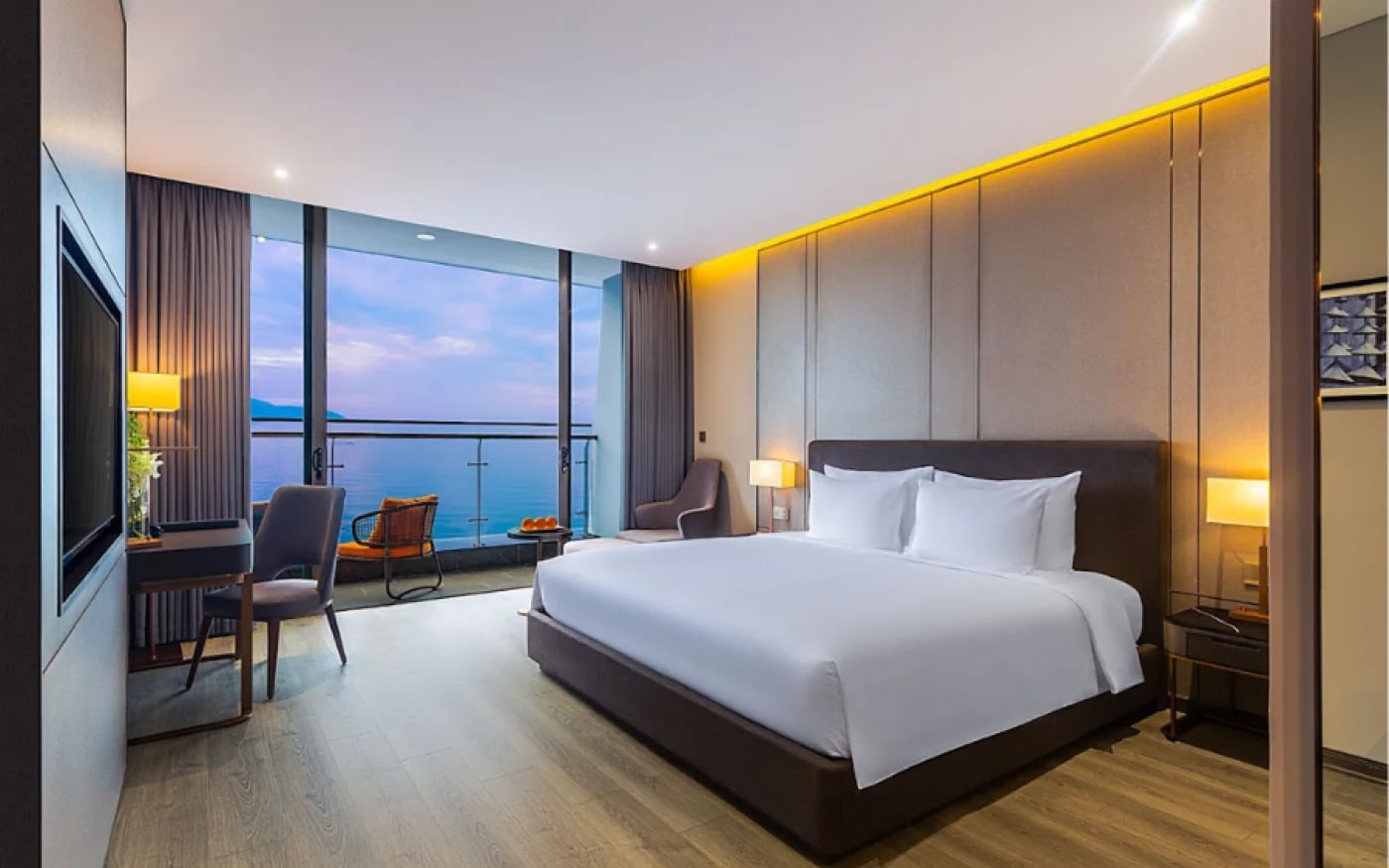
The problem here is not just about material quality or cleaning techniques, but about the sense of insecurity that this inconsistency creates. Customers may accept a 3-star hotel with moderate standards, but they find it difficult to accept that in the same hotel, at the same price, each return visit offers a different experience. At that point, trust – the intangible yet most valuable asset of a brand – begins to erode. According to PwC's "Experience is Everything" report, 32% of customers (nearly 1/3) are willing to abandon a brand they once loved after just one bad experience. In the hotel industry, where experience is the core product, consistency is the "gold standard" of brand reputation. Customers do not seek absolute perfection, but they always need certainty – the assurance that the good experience they once had will be repeated, not as a lucky exception, but as a commitment delivered consistently and systematically.
Causes: Why do standards "deviate"?
From the perspective of NewSun Hospitality's operational experts, inconsistency in room quality is not a random phenomenon, nor does it simply stem from the capabilities of frontline staff. In fact, it is the inevitable consequence of gaps in management thinking and operational systems, silently existing for a long time before manifesting clearly through customer experience. When "standards" are not clearly defined, not measured, and not maintained by processes, they will gradually "deviate" over time – deviating between rooms, between shifts, and between the brand promise and operational reality. Lack of Preventive Maintenance Procedures One of the most fundamental and common reasons is that many hotels still operate with a "fix it when it breaks" (Breakdown Maintenance) mindset. This approach may seem cost-effective in the short term, but it is extremely expensive and risky in the long run. Without a regular maintenance plan and room rotation based on usage frequency, rooms with high occupancy rates – often those with good views and easy to sell – will degrade much faster than less frequently used rooms. Electrical equipment, plumbing systems, furniture, carpets, etc., are constantly worn out without "rest" or proper cyclical care. Meanwhile, less occupied rooms maintain a better condition, despite having the same initial standard.

Over time, this disparity widens. Hotels inadvertently create "room groups" with varying quality, even though they are listed under the same room category in the sales system. Consequently, the customer experience no longer depends on star ratings or price, but on the probability of which room they are assigned. A well-structured Preventive Maintenance system not only extends asset lifespan but also acts as a "quality regulator," ensuring all rooms are maintained at a consistent, predictable minimum experience level. "Gaps" in SOPs (Standard Operating Procedures) The second reason, fundamental yet often overlooked, is the lack of standardisation in SOPs – especially within the Housekeeping department. In many hotels, room attendants primarily rely on personal experience and word-of-mouth knowledge transfer between generations of staff, rather than a detailed, measurable, and controllable checklist system.
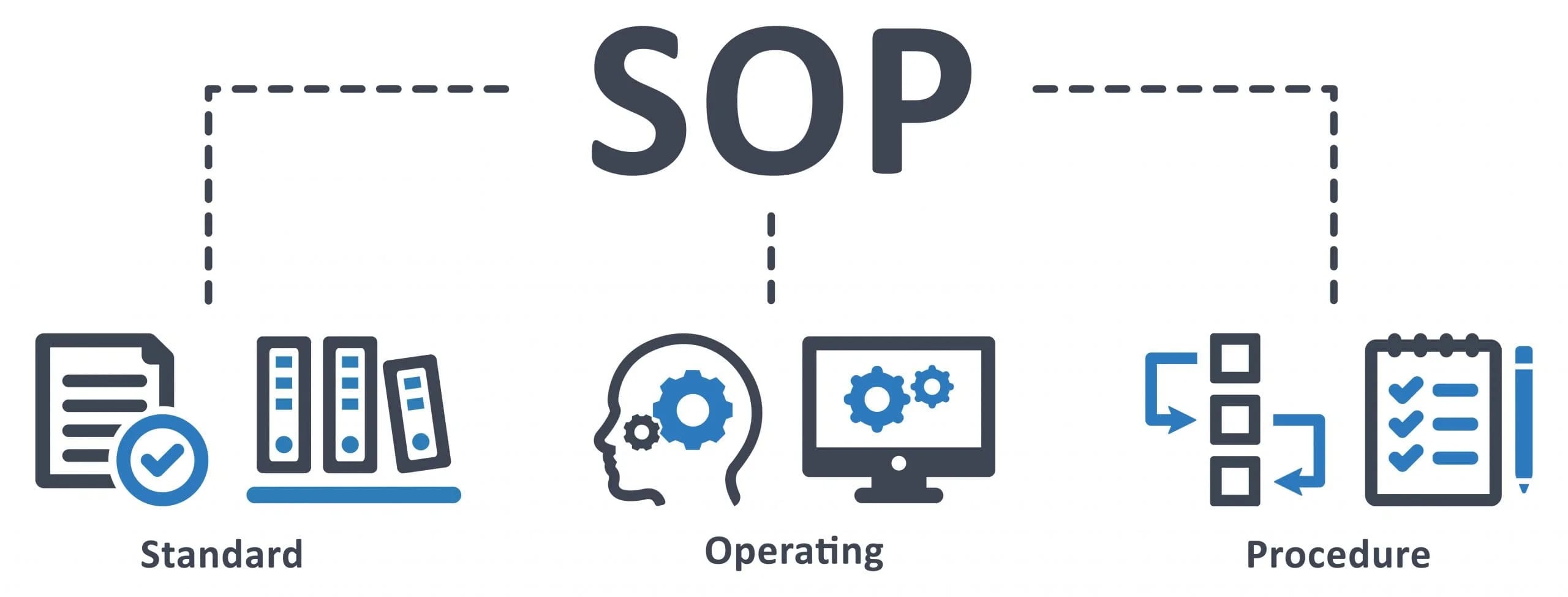
The result is that room cleanliness quality becomes overly dependent on individuals. Meticulous and dedicated staff will thoroughly clean every small detail: under the bed, carpet edges, top of wardrobes, window crevices, and room scent. In contrast, inexperienced staff or those working habitually may overlook hidden areas, as long as it "looks okay at a glance." When SOPs are not detailed enough, failing to clearly define what to do, to what extent, and how to check, the concept of a "clean room" becomes vague, interpreted differently by everyone. Service quality thus becomes inconsistent, unstable, and non-replicable – a critical flaw in the hospitality industry. More importantly, the lack of standardised SOPs also makes staff training, supervision, and evaluation subjective. Managers struggle to identify systemic errors, as every problem is attributed to "human error," instead of correctly recognising that the system itself is not good enough to support staff in doing things right from the outset. Unstrategic Purchasing Management and Non-Adherence to Brand Standards Another "behind-the-scenes" reason that directly impacts customer experience is unstrategic purchasing management. Under pressure to optimise costs, many hotels opt for piecemeal replacement of damaged equipment and supplies, buying whatever is cheap, readily available, and "just works."

The problem lies in the fact that these purchasing decisions do not adhere to the established Brand Standards regarding colour, material, style, function, and emotional experience. As a result, the room gradually turns into a "hotpot": one type of lamp, another type of chair, towels of different materials, and amenities from various brands in each room. This lack of uniformity not only disrupts the aesthetic experience but also affects functionality and customer emotions. A space that should provide a seamless, pleasant, and "purposeful" feeling becomes disjointed and lacks identity. In the long run, the hotel brand becomes diluted, failing to leave a clear impression in the customer's mind.
Consequences: The high cost of inconsistency
Inconsistency in room quality is not merely limited to subjective customer perceptions or scattered complaints at the front desk. In reality, this is a systemic financial, operational, and brand issue, directly and long-term impacting the hotel business's P&L (Profit & Loss) statement. The most dangerous aspect is that these losses often occur silently, are dispersed, and difficult to measure immediately, but when aggregated, the cost is extremely high. 1. Undercurrent PR Crisis & Pressure to Reduce ADR In the digital age, where OTAs and social media have become customers' "default communication channels," inconsistency in experience is the seed of an undercurrent PR crisis. Today's customers don't need to send lengthy complaint letters or meet managers in person; they just need a few lines of review on TripAdvisor, Booking.com, or Google Reviews – and those words have a stronger ripple effect than any advertising campaign.
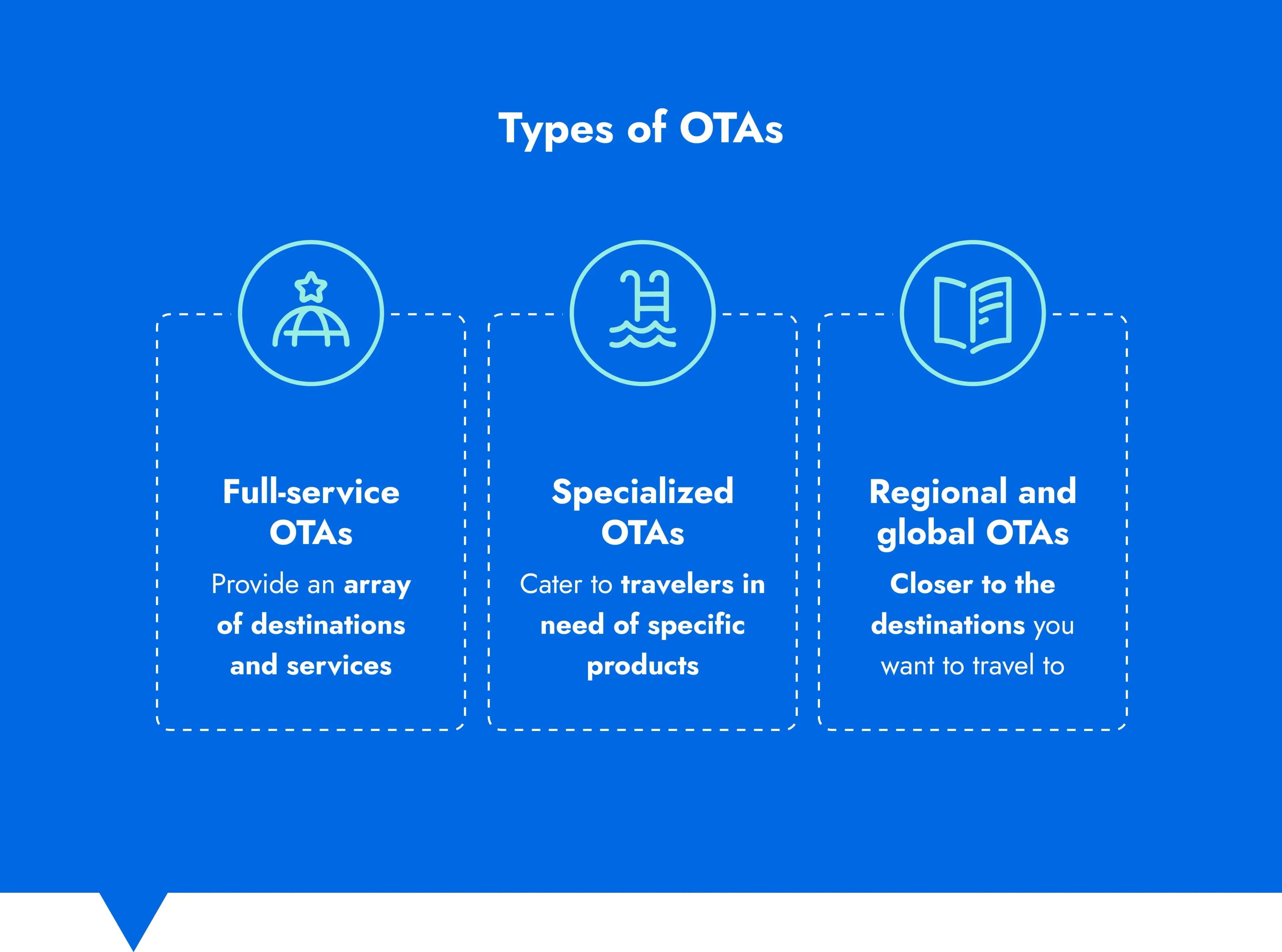
Notably, customers rarely complain about a single technical fault. What they often emphasise is the feeling of "not like last time," "this room is worse than the one I stayed in before," or "inconsistent quality between rooms." These comments strike at the brand's fatal weakness: reliability. Academic studies have proven a strong link between experience and revenue. A famous study from the Cornell School of Hotel Administration indicates that if the average review score on platforms like TripAdvisor increases by 1 point (on a 5-point scale), a hotel can increase its Average Daily Rate (ADR) by up to 11.2% without reducing occupancy. This means that consistency in quality is a direct "lever" for optimising revenue. Conversely, when negative reviews about inconsistency become more frequent, the hotel is forced into a passive position: reducing prices to compensate for lost trust. Instead of selling rooms based on experiential value, the business is compelled to compete on price, driving ADR down and inadvertently falling into a cycle of "price reduction – profit reduction – reinvestment budget reduction," exacerbating the deterioration problem. 2. Invisible Burden on the Front Office Department The next consequence, less visible in financial reports but placing heavy pressure on daily operations, is the burden on the Front Office department. When room quality is inconsistent, front desk staff become the "first line of defence" for issues that are not inherently theirs. Front desk agents constantly have to handle complaints, listen to guest dissatisfaction, and explain things they themselves cannot control. Time that should be spent on guest care, upselling services, or creating memorable experiences is instead consumed by changing rooms, apologising, negotiating, and soothing emotions.
More seriously, to retain guests and avoid negative reviews, hotels are often forced to implement temporary solutions such as complimentary room upgrades, vouchers, or free services. While necessary in the short term, these actions inherently create a significant Opportunity Cost. Each complimentary upgrade means the business loses the chance to sell a higher-priced room to another guest. Every compensatory voucher represents potential revenue that "evaporates" without appearing clearly on the profit and loss statement. Not to mention, the continuous pressure from complaint situations also lowers the morale of the Front Office team, increasing turnover rates – another challenging HR issue in the Hospitality industry. 3. Erosion of Loyalty & Customer Lifetime Value (CLV) Beyond short-term impacts, inconsistency also severely damages Customer Lifetime Value (CLV). A customer who once returned 3–5 times a year and referred colleagues and partners can now disappear entirely from the brand ecosystem after just one "substandard" experience.
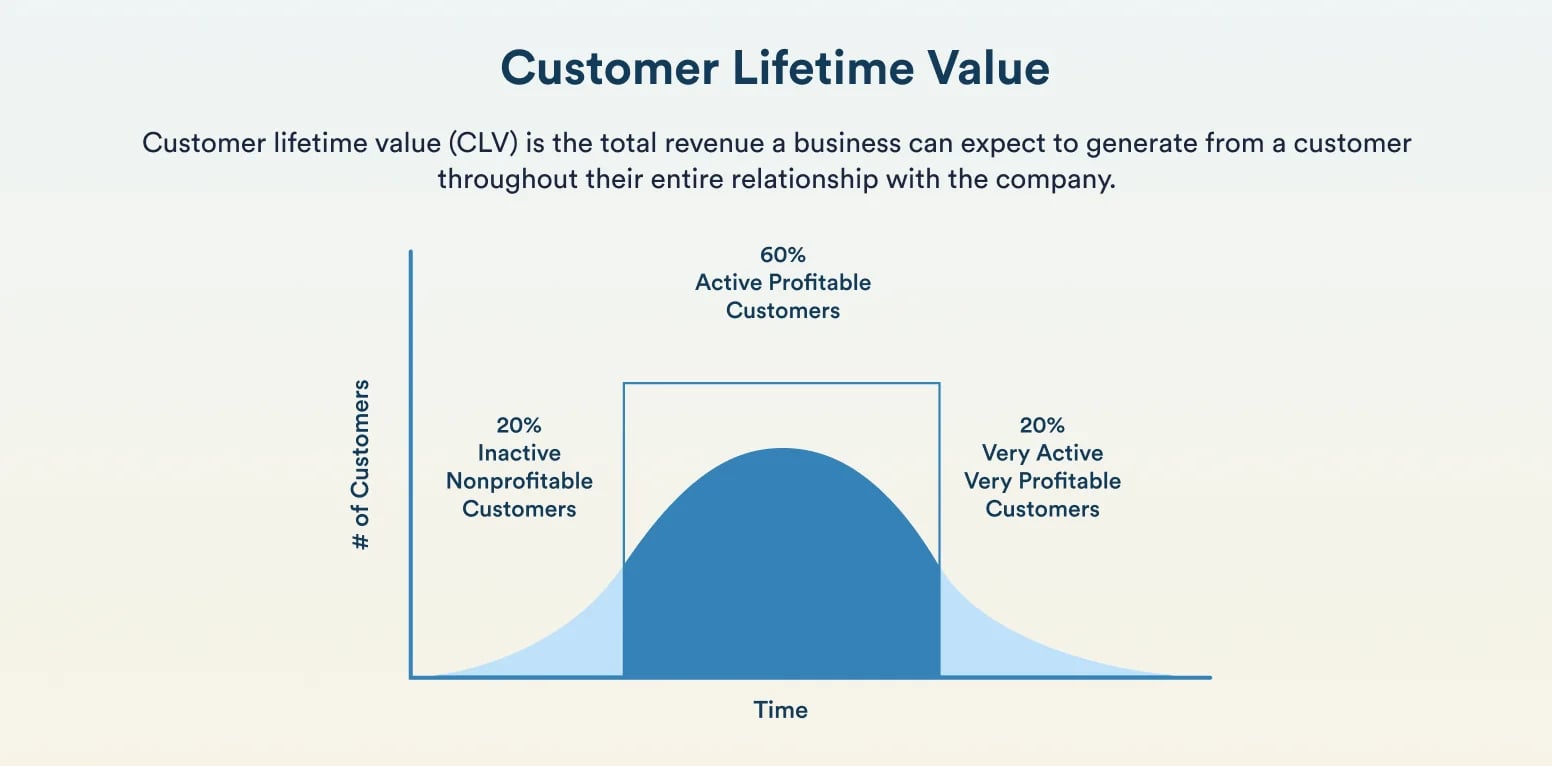
The worrying thing is that customers who leave due to inconsistency often don't complain directly. They remain silent, don't return, and choose a "safer" hotel for future stays. The business thus loses repeat revenue – the type of revenue with the lowest marketing costs and highest profit margins.
Solutions from NewSun Hospitality: Establishing a Consistent "Quality DNA"
To thoroughly resolve the issue of inconsistent quality, investors cannot simply remind staff, replace a few broken items, or handle incidents on an ad-hoc basis. The root of the problem lies not with individuals, but with the operational system. When the system is not clear, robust, or sustainable enough, inconsistency will always return, no matter how many staff you replace or how much more you invest. At NewSun Hospitality, we approach this challenge with a consistent philosophy: quality is not a random outcome, but a "DNA" that is intentionally designed, programmed, and maintained. NewSun's consulting package doesn't just "patch errors"; it focuses on re-establishing foundational standards, so that every room, every shift, and every return visit delivers a consistent and reliable experience. Step 1: Develop bespoke SOPs & detailed operational checklists Step 2: Asset maintenance strategy & long-term CAPEX plan Step 3: Team training & Quality Assurance Step 4: Supply chain optimisation & procurement standardisation
Conclusion
In an increasingly competitive market, where pricing and location are no longer the sole advantages, Consistency is a hotel's sharpest and most sustainable competitive weapon. Guests may accept a "good" experience, but they will be loyal to a stable, reliable, and repeatable one. Don't let your hotel become a "gamble" in the eyes of your guests. Let NewSun Hospitality partner with you to re-establish operational order, create a consistent "quality DNA", turn every stay into a fully delivered promise – and transform every transient guest into a loyal customer, even a brand ambassador for your hotel. Contact us for hotel operations & management consulting:
- Hotline: +84 768 68 2913
- Email: dosm@nshm.com.vn
- Zalo OA: https://zalo.me/2452770272256938463 (NewSun Hospitality)
- Website: https://nshm.com.vn/ (NewSun Hospitality)
References: [1] PwC. (2018). Experience is everything: Here’s how to get it right. PwC Future of Customer Experience Survey. [2] Anderson, C. K. (2012). The Impact of Social Media on Lodging Performance. Cornell Hospitality Report, 12(15), 6-11. Cornell University School of Hotel Administration.