


 VN
VN EN
ENBy 2026, the hospitality industry will no longer be discussing "digital transformation" as a future-oriented concept. Digital transformation has become a vital operational and communication foundation for all hotel business models. While the budget accommodation segment grapples with cost pressures, thin profit margins, and price sensitivity, the 4-5 star hotel segment has entered a much fiercer competition – not over the number of rooms sold, but over the ability to capture the "emotional market share" of affluent customers. High-end customers in 2026 do not buy bedrooms; they buy the living experience, value system, and emotions that the hotel brand represents. The difference between a hotel with high occupancy but volatile revenue and an efficiently operated brand that commands high prices and has a stable base of loyal customers lies in how that hotel builds, communicates, and maintains its brand story throughout the entire customer journey.
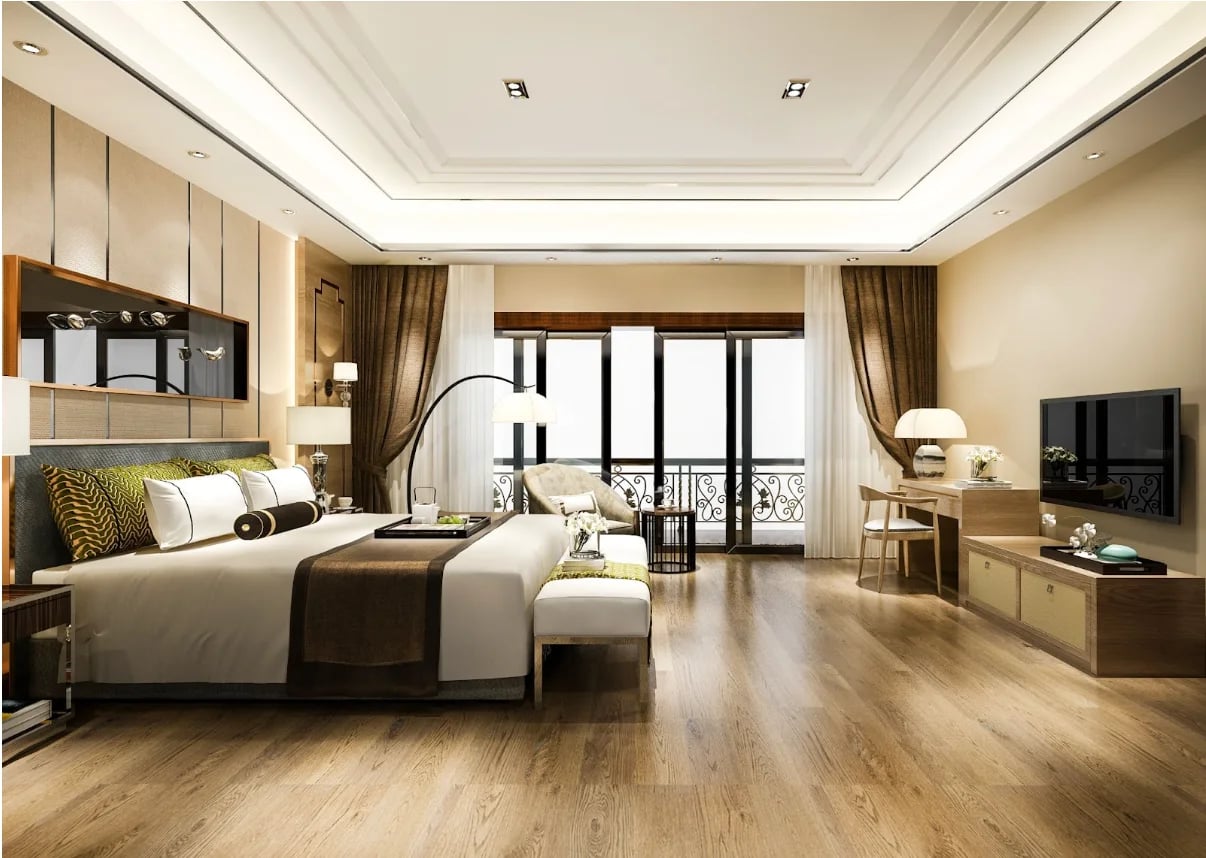
At NewSun Hospitality, through our experience consulting and implementing numerous hotel projects, we've observed a clear reality: Room Revenue is no longer the sole measure of success. The year 2026 marks the powerful rise of the Experience Economy – where value is created not just during the stay, but extends before and after the trip, alongside Generative Engine Optimization (GEO). Customer search, research, and decision-making behaviors are increasingly influenced by AI platforms and intelligent content ecosystems. In this context, if a hotel's communication strategy is limited to posting beautiful room photos on social media, running conventional Google Ads, or heavily relying on OTA channels, the hotel is, in fact, losing control over its brand narrative, customer data, and a significant portion of potential revenue, leaving a "profit gap" for competitors to exploit. This introductory article to Part 4 – Decoding Revenue-Driving Strategies in the Hotel Industry will focus on dissecting the core communication trends shaping the 4–5 star hotel segment in 2026, while frankly pointing out 5 common communication mistakes that are silently hindering the revenue growth potential of many luxury hotels, even those with products and services that are competitive in the market.
Current State of Hotel Industry Communications: "Noisy" but Lacking "Depth"
The media landscape of the hotel industry in 2025–2026 can be described in one word: saturation. Never before have customers been exposed to such a dense volume of information. According to Statista, an average consumer encounters over 6,000–10,000 advertising messages daily, with the tourism and hospitality sector being among the most frequently appearing on digital platforms.

In this "noisy" environment, customer attention has become a scarce resource. The SiteMinder – Changing Traveller Report 2026 and Hotel Tech Report – State of Hotel Marketing & Distribution 2026 indicate that traveller booking behaviour is changing at an unprecedented pace. Today's customers are no longer easily persuaded by self-proclaimed advertising messages like " đẳng cấp" (classy), "sang trọng" (luxurious), or "trải nghiệm hoàn hảo" (perfect experience). Instead, they trust data, verified experiences, and user-generated content (UGC). Specifically, according to a SiteMinder survey, over 82% of travellers state that real reviews and ratings directly influence their booking decisions, while nearly 70% of mid-to-high-end customers prioritise watching short-form videos on platforms like TikTok, Instagram Reels, or YouTube Shorts before choosing a hotel. Authentic, unpolished content that accurately reflects real experiences has significantly higher credibility than traditional advertising campaigns.
However, the major paradox in current hotel communications is that technology is evolving faster than marketing mindsets. While AI, Big Data, CRM, and customer behaviour analytics platforms have become more common and accessible than ever, most hotels in Vietnam still operate their communications with a "shooting arrows in the dark" approach. Content is produced broadly, lacking customer insights, audience segmentation, and almost no personalisation in messaging. As a result, a hotel's digital presence may be very "wide" but not "deep" enough to generate real conversions. A report from Hotel Tech Report shows that the average conversion rate from website visits to direct bookings in the global hotel industry only ranges from 1.5–2.5%, and in many developing markets, this figure is even lower. This reflects a worrying reality: hotels may attract a large number of views and interactions, but they fail to convert that interest into direct revenue. In an environment where advertising costs are escalating and OTA commissions are constantly rising, ineffective communication is no longer just a brand image issue; it has become a serious economic problem. "Noisy" but shallow communication traps hotels in a vicious cycle: reliance on OTAs to fill rooms, reduced control over customer data, and a gradual loss of long-term competitive advantage in their own market.
2026 Communication Trends: Where AI and Emotion Intersect
2026 marks a significant turning point for premium hotel industry communications: technology no longer opposes emotion but becomes a tool to amplify emotions precisely and purposefully. With rapidly changing customer behaviour, Chief Marketing Officers (CMOs) and owners of 4–5 star hotels have little "room for experimentation". Grasping the right trends not only determines communication effectiveness but directly impacts revenue, Average Daily Rate (ADR), and the ability to build long-term relationships with affluent customers. According to the McKinsey – The State of AI in Marketing 2025report, over 71% of global premium service businesses state that AI has become a core element of their marketing strategy, no longer an experimental support tool. In the hotel industry, where experience and emotion are central, AI is redefining how brands are discovered, understood, and chosen.
1. From SEO to GEO (Generative Engine Optimization): When AI Becomes the "Gateway" to Booking Decisions
For years, SEO revolved around keyword optimisation for high rankings on Google. However, 2026 sees a strong shift from Search Engine Optimization (SEO) to Generative Engine Optimization (GEO) – optimising content to be "read, understood, and recommended" by generative AI tools. Affluent customers today no longer search with short queries like "5-star hotel Hanoi". Instead, they ask highly contextual and personalised questions to AI platforms like ChatGPT, Gemini, or Copilot: "Suggest a 3-day luxury retreat itinerary in Hanoi, including private dining experiences and a high-end spa."
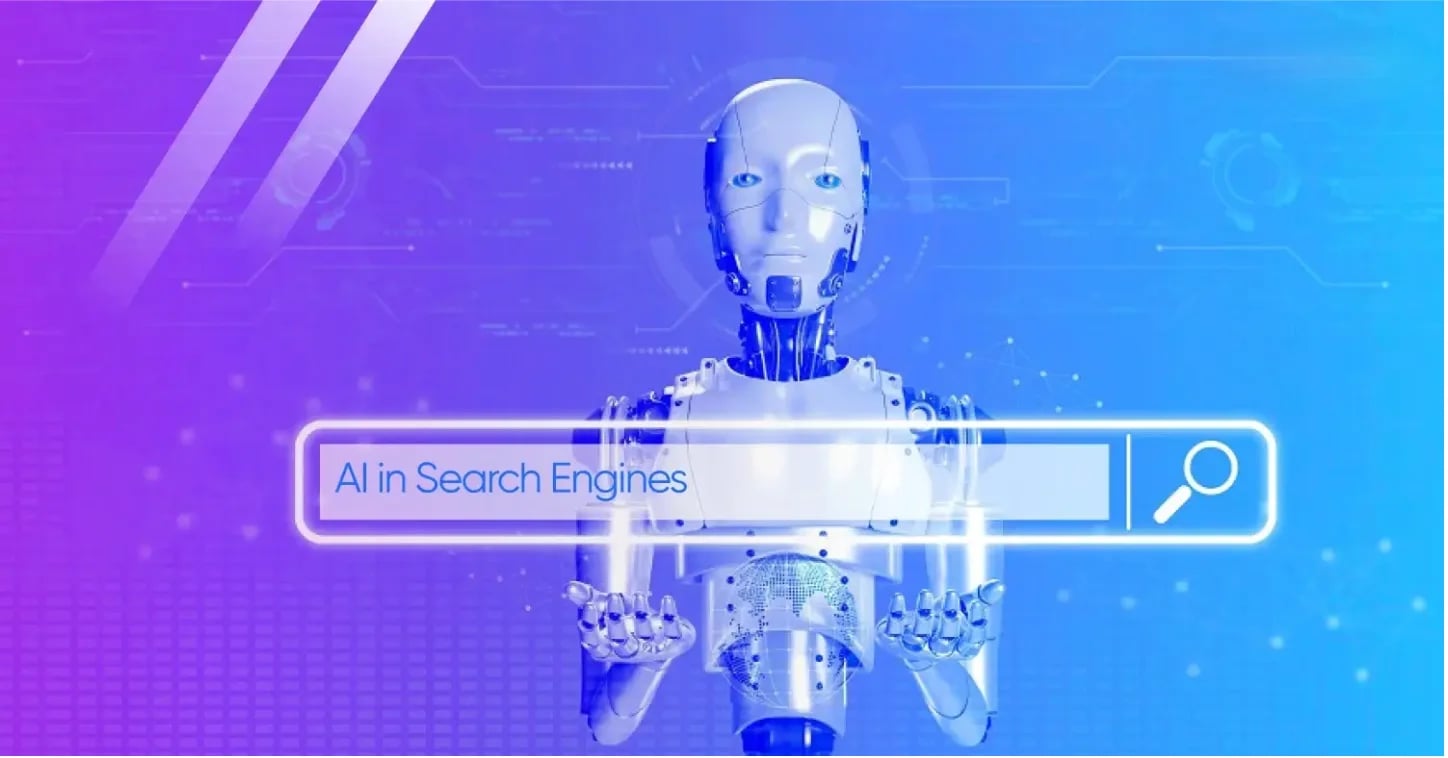
According to Gartner Forecast 2026, over 30% of travel and hospitality-related search queries will be conducted through generative AI platforms, rather than traditional search engines. This places entirely new demands on hotel communications: website content must not only be reader-friendly but also have a clear structure, deep semantics, and sufficient context for AI to confidently extract and recommend it. Hotels that invest thoroughly in GEO will gain a pioneering advantage in the race for presence at this "invisible" yet extremely powerful touchpoint.
2. Hyper-Personalisation: When Each Guest Enters a Different "Version of the Hotel"
If personalisation was once simply understood as addressing a guest by name in an email, by 2026, this concept has evolved into hyper-personalisation based on real-time behavioural data. A report by Accenture Interactive indicates that 91% of high-end customers are willing to spend more on brands that provide personalised experiences tailored to their needs and lifestyles.

In this context, hotel communication is no longer a "one-size-fits-all" message. Websites, emails, advertisements, and even social media content need to be designed to automatically adapt to each guest segment. A female guest aged 30–40, who has previously shown interest in wellness retreats and spas, will be prioritised with Spa & Wellness Escapepackages when visiting the website. Meanwhile, a middle-aged male business traveller with a history of booking suites and using executive lounges will see Golf & Cigar Experience or Executive Retreatpackages. According to Salesforce – State of the Connected Customer, brands that effectively implement personalisation can increase conversion rates by up to 20–30%, while significantly improving customer lifetime value (CLV). For 4–5 star hotels, this is not just a marketing challenge, but a sustainable revenue growth strategy.
3. "Bookable" Social Media: When Social Media Becomes a Sales Point, Not Just a Touchpoint
By 2026, social media has far surpassed its role of inspiration. TikTok, Instagram Reels, and YouTube Shorts are gradually becoming direct commerce channels for the hotel industry. According to DataReportal 2026, over 60% of Millennial and Gen Z travellers report discovering hotels for the first time through short videos, and nearly 45% are willing to book services directly on social platforms if the process is simple enough.
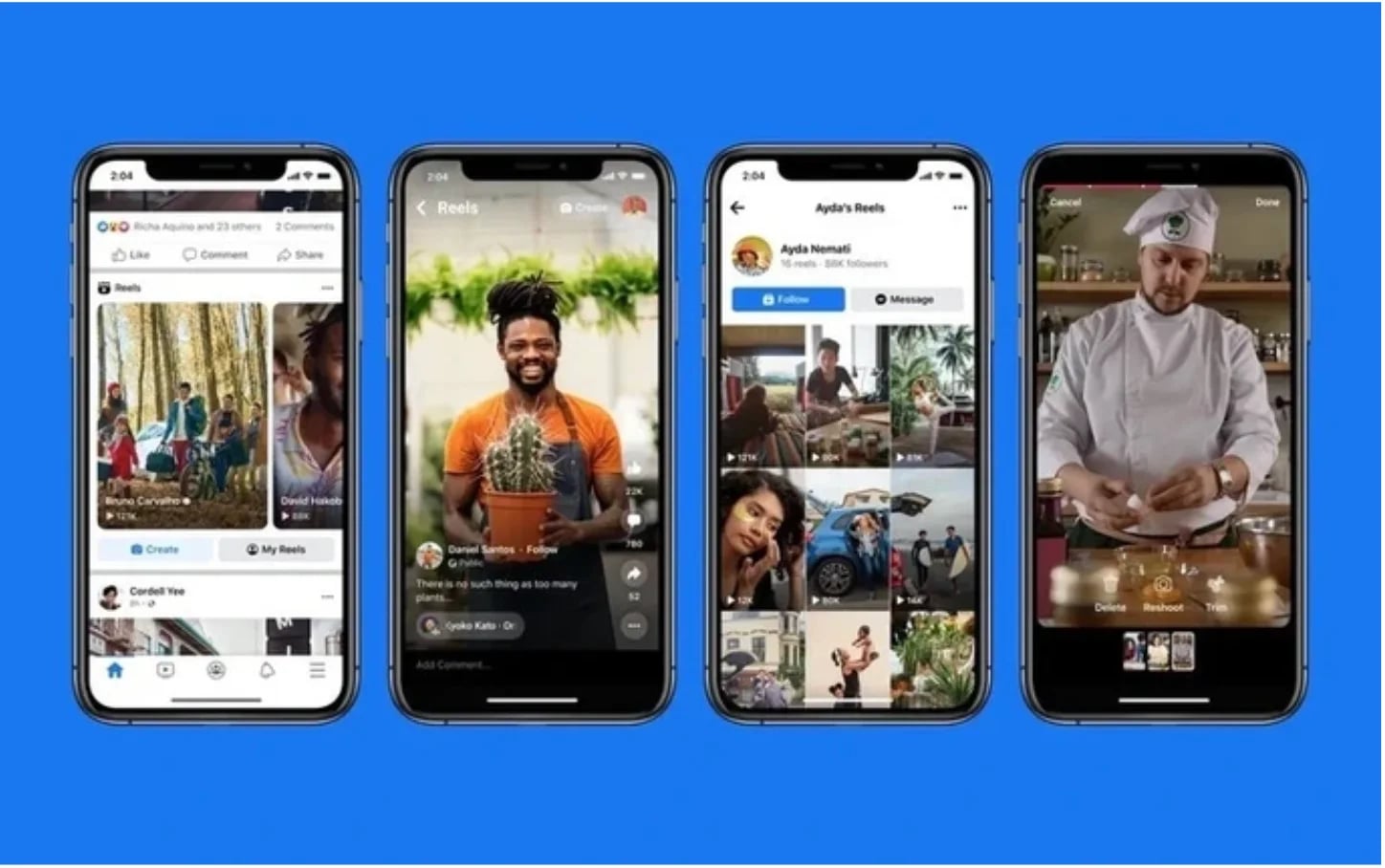
This leads to the trend of "bookable content" – content capable of instant conversion. A 15-second video about afternoon tea, a fine dining experience, or a sunset moment on a rooftop should not only be for viewing but also integrate the ability to book a table, reserve a service, or save an offer directly within the video, without requiring the customer to exit the application. For luxury hotels, this is a significant opportunity to shorten the decision-making journey, reduce conversion friction, and increase the rate of direct bookings – a key factor in the context of rising distribution costs.
5 core challenges of 4–5 star hotel communication: Identifying the "bottlenecks"
From the perspective of strategic consulting and practical implementation for numerous luxury hotel projects, NewSun Hospitality observes that most communication failures do not stem from a lack of budget or tools, but rather from structural issues and strategic thinking. Below are the five most common challenges silently hindering the revenue growth potential of 4–5 star hotels – issues that need to be clearly identified before discussing any solutions.
Challenge 1: Vague marketing messages, lacking a "distinctive anchor"
A readily apparent reality in the market is that most luxury hotels use almost identical language: luxury, đẳng cấp (classy/exclusive), tinh tế (refined/sophisticated), standard service. These messages may sound safe, but they place the brand in a "grey area" where all hotels say the same thing, and therefore no one is truly remembered.
The problem is not that these values are wrong, but that they are not specific enough to create differentiation in the customer's mind. When faced with a multitude of equivalent options, customers no longer buy an abstract concept like "luxury," but seek an experience that aligns with their needs, emotions, and lifestyle at a very specific moment.
Challenge 2: Ineffective Social Media Communication Strategy
In an era where social media has become the "first touchpoint" between customers and hotel brands, many establishments still use Facebook, Instagram, or TikTok merely as bulletin boards. Content is scattered, lacks clear direction, chases short-term trends, or repeats familiar room-selling messages, leading to diminishing communication effectiveness.
Today's customers do not visit social media to see advertisements, but to experience the lifestyle, personality, and values that a brand represents. When content lacks storytelling, depth, and fails to accurately reflect the actual experience, hotels struggle to create emotional connections or build long-term trust. The core issue is not "not posting enough," but rather that the social media communication strategy is not systematically developed, lacks clear objectives, customer insights, and a strong link to the overall brand strategy.
Challenge 3: Communication lacking data foundation and personalisation
In the era of data and AI, many hotels are still approaching customers with generic messages. Sending the same content and the same offers to all audiences not only reduces marketing effectiveness but also erodes the brand experience. High-end customers increasingly expect to be understood. When messages are irrelevant to their context, travel purpose, or previous interactions, they tend to ignore or even disconnect from the brand. This is a clear indication of the absence of a systematic customer data management system, rather than merely a content issue.
Challenge 4: Short-term, seasonal, and opportunistic communication
A common model in the industry is to concentrate communication budgets during peak season and almost "shut down" during off-peak season. This approach may help optimise costs in the short term, but it leads to long-term consequences: the brand gradually disappears from customers' minds when they don't have an immediate need to book.
As the market enters peak season again, hotels are forced to spend more to regain lost attention. This indicates that the issue is not about a large or small budget, but about the lack of a long-term, consistent, and value-accumulating communication strategy.
Challenge 5: Weak Digital Presence and Underestimated Role of Websites
Despite being considered the brand's "digital headquarters," the websites of many 4–5 star hotels still operate like static image catalogues, rather than true sales platforms and digital experiences. Meanwhile, Google Travel and numerous industry reports indicate that the majority of travellers research and make decisions on mobile devices, with high expectations for speed, intuitiveness, and a seamless booking journey.

A slow-loading website, poor mobile experience, or complex booking process not only reduces conversion rates but also creates a negative impression of the brand's professionalism – a particularly sensitive point for the luxury customer segment.
Conclusion: Communication is no longer an expense – it's a strategic asset
By 2026, there will be no room for emotional, short-term, or trend-chasing communication strategies. In a market where luxury customers are increasingly discerning, knowledgeable, and have countless alternatives, the revenue of 4–5 star hotels will no longer be determined by the number of rooms sold, but by the extent to which the brand touches emotions and creates sustainable differentiated value. At NewSun Hospitality, we believe every hotel possesses a unique value that deserves to be told correctly. We do not approach communication as isolated campaigns, but rather partner with investors and operational teams in building a comprehensive communication strategy, from brand positioning, content architecture, and digital presence optimisation to conversion systems and long-term customer nurturing. The goal is not just to increase views or engagement, but to transform the hotel brand into a "magnet" that attracts and retains high-value loyal customers. Don't let your hotel be a "rough gem" in a noisy market – possessing a good product but not yet properly polished to shine. In the 2026 era, a sharp communication strategy is the tool that helps that gem be seen, desired, and chosen. ???? Contact NewSun Hospitality to begin a strategic discussion where communication is not just about talking, but about creating sustainable value and revenue for your hotel.
- Hotline: +84 768 68 2913
- Email: dosm@nshm.com.vn
- Zalo OA: https://zalo.me/2452770272256938463 (NewSun Hospitality)
- Website: https://nshm.com.vn/ (NewSun Hospitality)
References:
- SiteMinder (2025). "Hotel Booking Trends & The Changing Traveller Report".
- Google Travel Insights (2025). "The Future of Travel: Mobile-first & AI-driven".
- McKinsey & Company (2025). "The promise of travel in the age of AI".
- Deloitte (2026). "Hospitality 2026: The dominance of personalized experience".