


 VN
VN EN
ENThe Vietnamese cruise market is entering a remarkable transitional phase. Previously, cruise operations in Vietnam were primarily viewed as a means of transporting tourists. However, particularly in Ha Long Bay, the vessel itself is increasingly becoming an integral part of the tourism product. Value is no longer solely derived from the journey through famous destinations, but from the overall experience created on board, encompassing accommodation, dining, entertainment, wellness, cultural programmes, and personalised services.
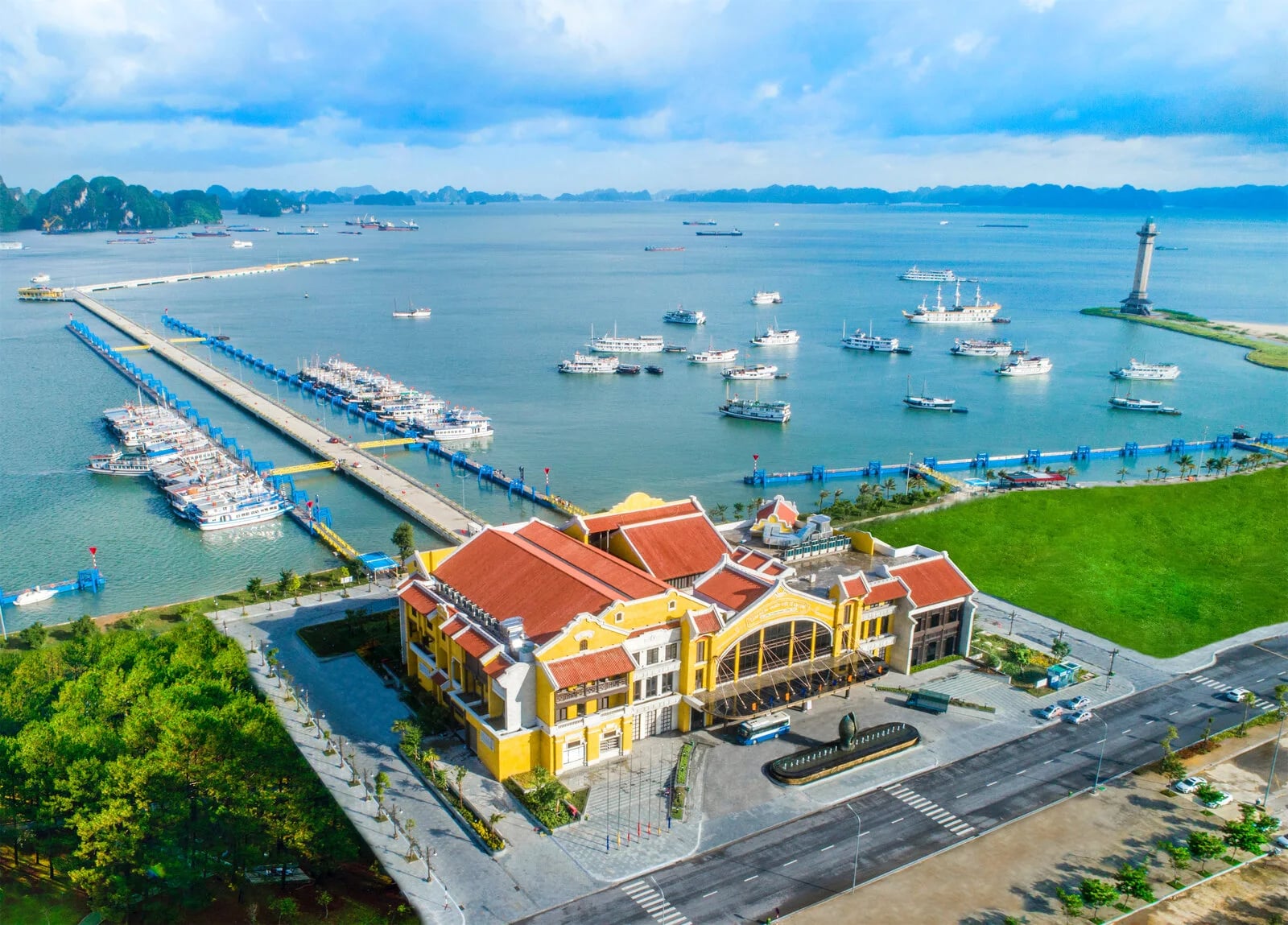
The movements of 2026 further clarify this direction. Quang Ninh is proactively restructuring its fleet to enhance quality, expand experiential spaces, increase premium products, and connect Ha Long Bay with Lan Ha Bay. Meanwhile, tourism demand continues to be supported by the recovery of international visitors and the trend of prioritising high-emotional-value experiences. These will be important foundations shaping the Vietnamese cruise market in 2027.
From "Sightseeing Boat Trips" to "Water-Based Retreats"
One of the most significant changes in Vietnam's cruise market is the shift in product definition. Cruises are no longer merely a means of transporting guests between attractions but are increasingly developed as a miniature floating hospitality model.
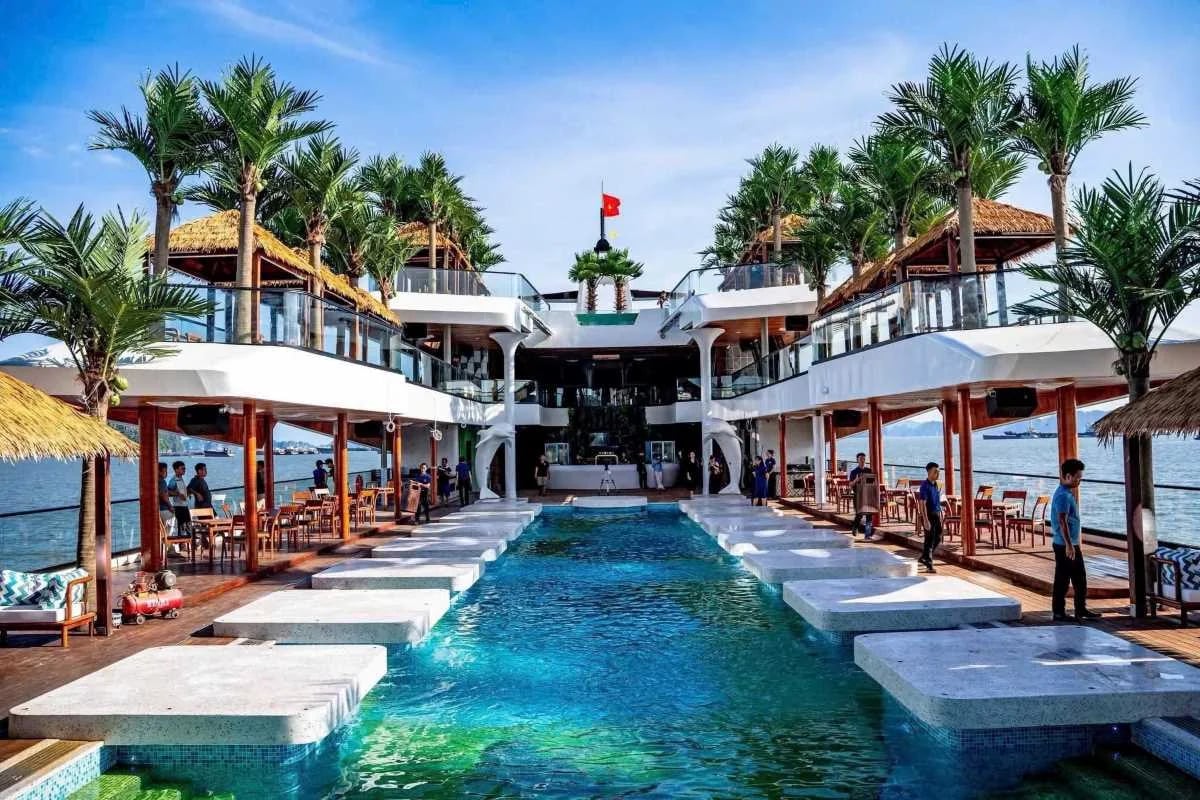
This trend is particularly evident in Ha Long Bay, where the advantage of natural scenery allows businesses to develop products with longer stays and higher spending. Overnight cruises now offer not only cabins but also integrated restaurants, bars, swimming pools, spas, entertainment areas, performance stages, and various experiential activities. In other words, the "ship" is being designed as a destination rather than just a means to reach one.
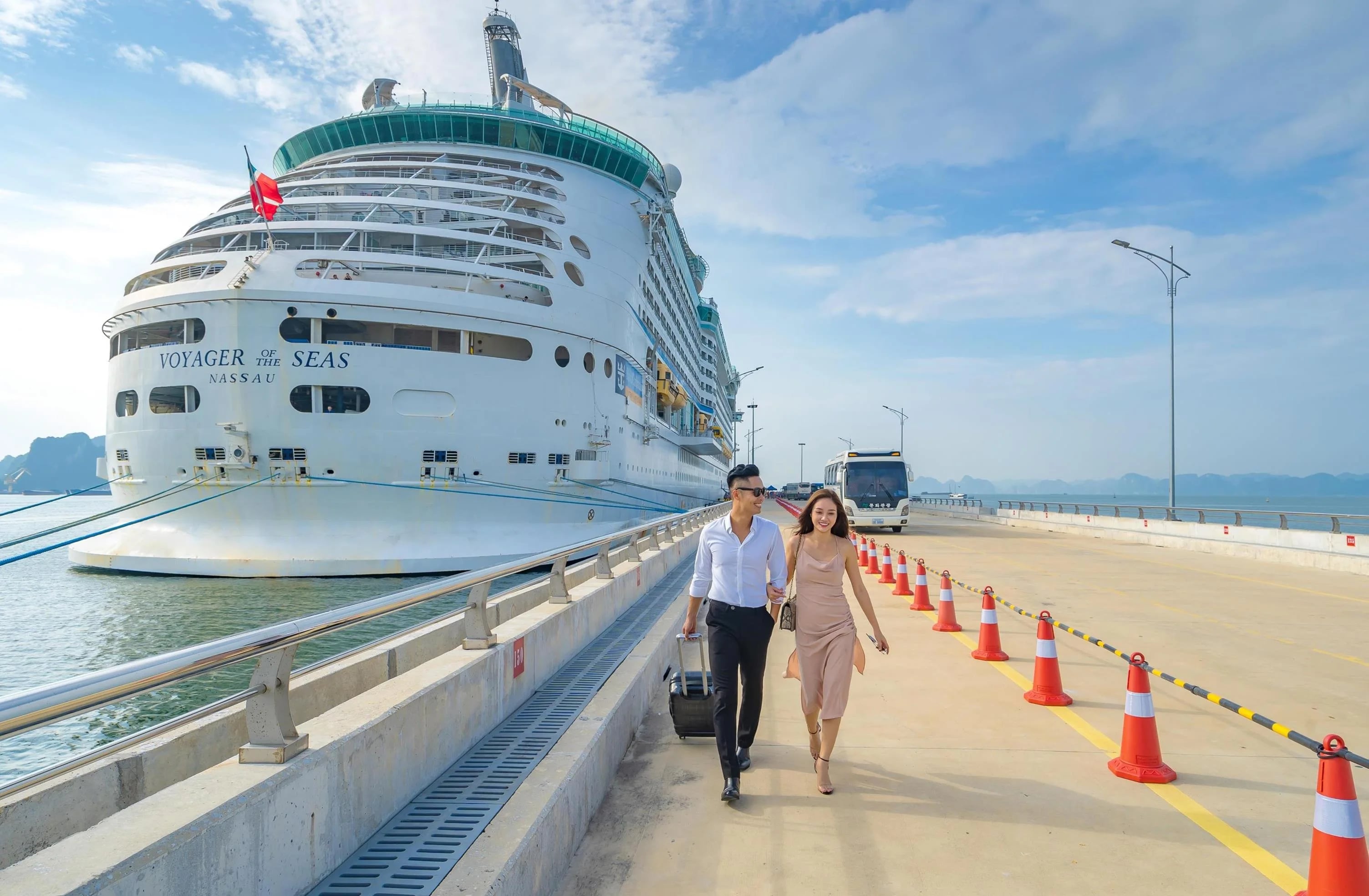
Quang Ninh's data shows that by May 2026, Ha Long Bay had 487 registered operating vessels, of which 369 were active and 118 were temporarily suspended for new construction, renovation, or replacement. The fleet includes 268 day-trip boats with a total capacity of 15,943 passengers and 97 overnight cruises with 1,815 cabins, accommodating 4,281 passengers. This structure indicates that the overnight segment is holding an increasingly important position in the bay's tourism ecosystem.
More notably, Quang Ninh's management orientation is also changing. Instead of continuing to expand the number of vessels, the locality is shifting its focus to upgrading fleet quality, increasing the proportion of steel-hulled ships, and improving technical, safety, environmental, and service standards. This indicates that the market is moving from a race for capacity to a race for quality, experience, and value.
Ha Long Bay becomes the focal point of the product upgrade race
Looking at the overall market, Ha Long Bay is one of the areas that most clearly demonstrates the transformation of Vietnam's cruise industry.
In Q1 2026, Ha Long Bay is estimated to have welcomed around 864,000 visitors, an increase of over 22% compared to the same period last year. Notably, from the beginning of the year to June 2026, the number of visitors to the heritage site reached approximately 1.8 million, with about 80% being international tourists. These figures show that Ha Long not only has stable domestic demand but also holds significant appeal for the international market, especially for those seeking marine tourism and resort experiences.
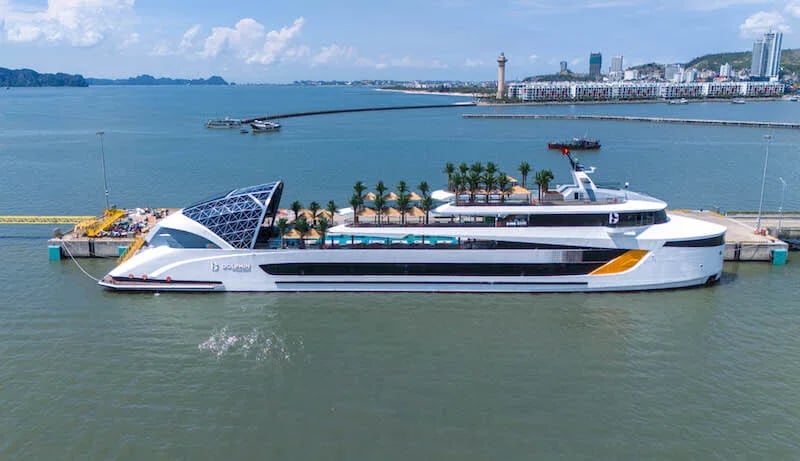
At a broader level, Quang Ninh welcomed over 12.4 million visitors in the first 6 months of 2026, of which over 2.6 million were international tourists. Total tourism revenue reached nearly 35.2 trillion VND, an increase of 21% compared to the same period in 2025. Based on these results, the province has raised its 2026 targets to nearly 22.5 million visitors and approximately 68.585 trillion VND in tourism revenue.
This forms a crucial demand base for the cruise market. As the total number of visitors increases, especially international and high-spending guests, opportunities lie not only in selling more cabins but also in increasing revenue per guest through F&B, entertainment, wellness, events, MICE, and ancillary services.
Statista also indicates that Vietnam's cruise market still has room for growth. According to Market Insights, cruise market revenue in Vietnam is projected to reach approximately 52.35 million USD by 2025 and could reach around 75.31 million USD by 2030, corresponding to an average annual revenue growth rate of approximately 7.75% during the forecast period. Statista also notes that the trend of seeking unique experiences and the ability to combine multiple destinations in one itinerary are factors supporting demand for cruise products.
Although Statista's data includes both domestic and outbound cruises, this figure still highlights a notable point: cruise-related consumer behavior in Vietnam is emerging and has significant potential for development.
Trend 1: Premiumisation instead of quantity expansion
The Ha Long cruise market is entering a phase where "more ships" is no longer the sole strategy. Product value is increasingly determined by design quality, service standards, experiences, and the ability to create differentiation.
Quang Ninh's fleet once peaked at 539 vessels in 2015. By May 2026, the number of registered operating vessels was 487, with over 100 temporarily suspended for renovation or replacement. This reduction in quantity pressure while upgrading fleet standards reflects a strategic shift: heritage exploitation can no longer rely on a growth-at-all-costs mindset.
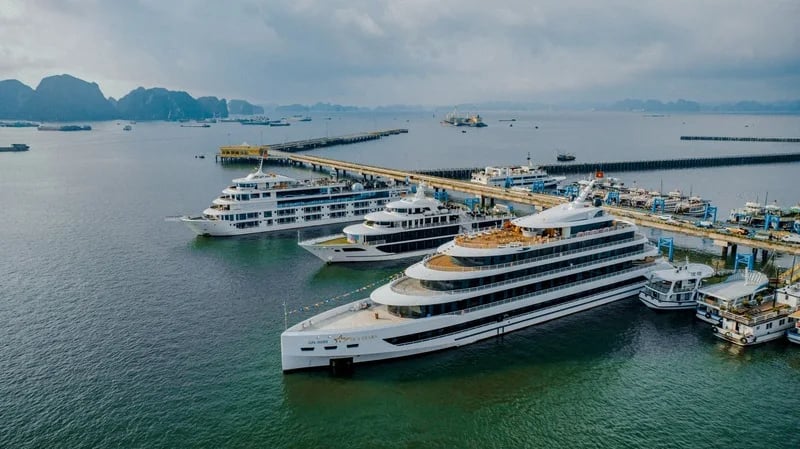
This direction also aligns with the broader trend in the tourism industry. As customers increasingly value experience quality, a premium product does not necessarily have to compete on lower prices, but must demonstrate higher value.
In Ha Long, many new products have begun to follow this direction. A new overnight cruise launched in 2026 with a total investment of approximately 200 billion VND is an example of businesses being willing to invest more in premium products. Quang Ninh has also identified the Ha Long and Bai Tu Long areas as focal points for developing luxury cruises and water-based economy in its heritage economic development orientation until 2030, with a vision to 2045.
Therefore, the competition in the 2026–2027 period will likely no longer be about "who has more cabins," but "who creates higher value per cabin."
Trend 2: Expanding the cruising area from Ha Long to Ha Long – Lan Ha
One of the most strategically significant changes in 2026 is the expansion of the operating area between Ha Long Bay and Lan Ha Bay.
From April 1, 2026, Quang Ninh and Hai Phong officially implemented a coordinated management regulation for tourist boat operations between the two bays. Initially, the inter-bay route is expected to generate an additional 5,000 to 6,000 visitors per day and allow over 50 overnight cruises to operate from Lan Ha to Ha Long.
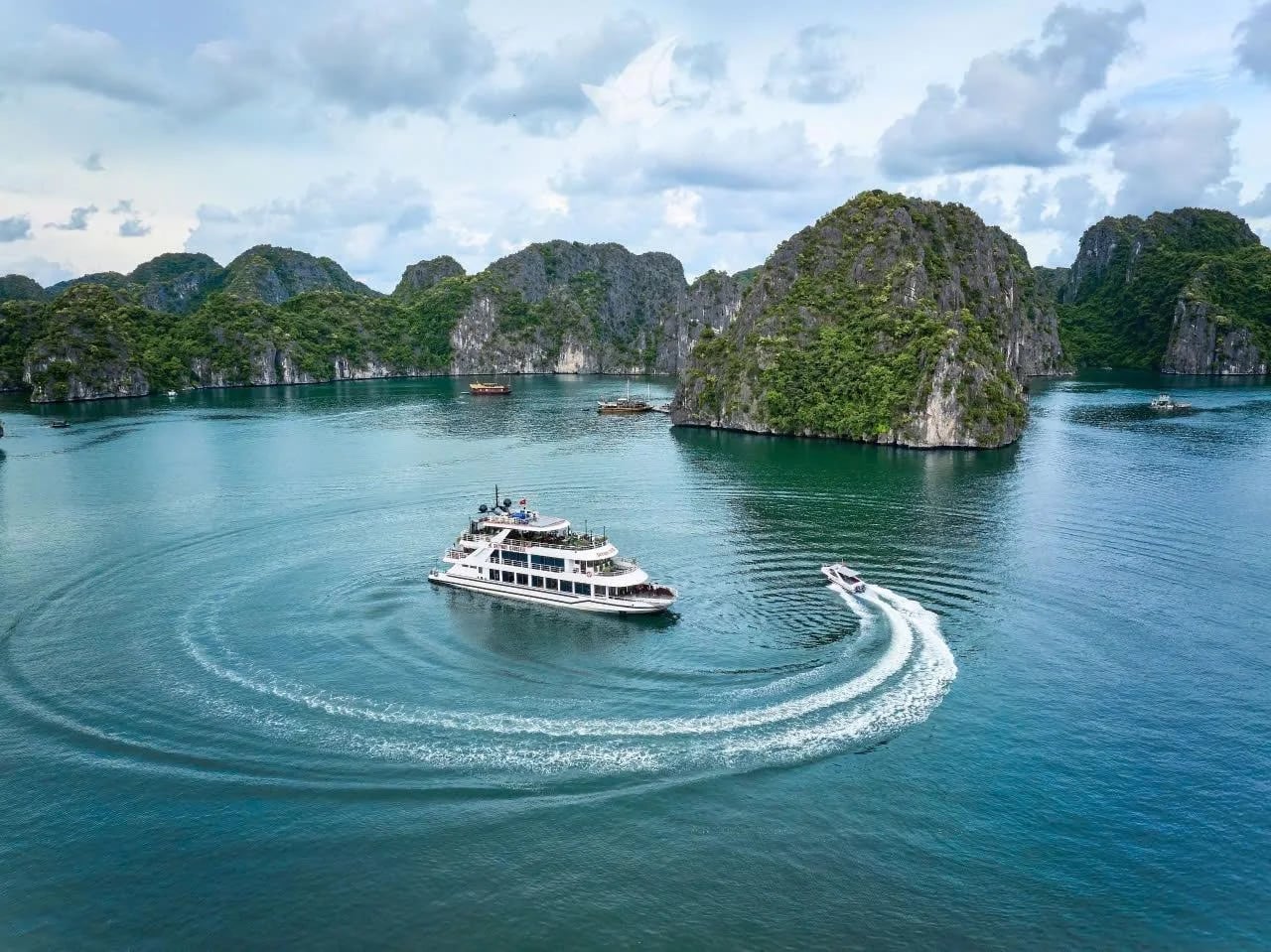
This is not merely about opening an additional cruise route. In essence, it is changing how tourism products are designed. Administrative boundaries become less important than creating a seamless journey based on the heritage and landscape ecosystem.
In the first six months of 2026, the Ha Long – Cat Ba inter-provincial route recorded 4,562 passengers and over 1 billion VND in fees. While the current scale is not large, it is a significant indicator for a new product. Notably, the advantage of this model lies in its ability to extend the experience duration, distribute passenger flow, and open up new opportunities for overnight stays, exploration, and high-end leisure products.
If properly developed in 2027, Ha Long – Lan Ha could evolve into a "destination cruise ecosystem," where tourists purchase not just a cruise, but an entire journey of experiences across multiple heritage sites.
Trend 3: Personalising experiences and product segmentation
The cruise market is also facing another change: customers no longer want all journeys to be the same.
While a mass-market product may still meet basic sightseeing needs, the premium segment is seeking more distinctive experiences. This opens up opportunities for products tailored to specific needs, such as wellness cruises, culinary cruises, sunset cruises, family cruises, MICE cruises, or journeys combining culture and exploration.
A notable example in 2026 was the introduction of a three-hulled boat product in Ha Long. The initial phase included six boats, each accommodating a maximum of 12 guests and two staff, operating for approximately 60 minutes per trip. The small scale and slow speed create a private, tranquil experience, targeting families, small groups of friends, or tourists seeking a more relaxed way to explore Ha Long.
This demonstrates that "cruise" is no longer a singular product. The market is beginning to form different product tiers, from large-scale sightseeing vessels, restaurant boats, and overnight cruise ships to small-scale experiential products.
For businesses, this presents both an opportunity and a challenge. Product development can no longer start with the question "how many rooms does the ship have?", but rather "what experience does the target customer want, and how much are they willing to pay for it?".
Fourth trend: Cruises becoming part of the night-time economy
One of the notable development directions for Ha Long is the exploitation of its night-time space.
Quang Ninh is developing models such as night cruises, night markets, entertainment venues, art programmes, and cultural activities after 6 PM. In its heritage economy development orientation, the province identifies the night-time economy as a space to increase consumption, while Ha Long – Bai Tu Long is oriented towards strong development of high-end cruise products and the water-based economy.
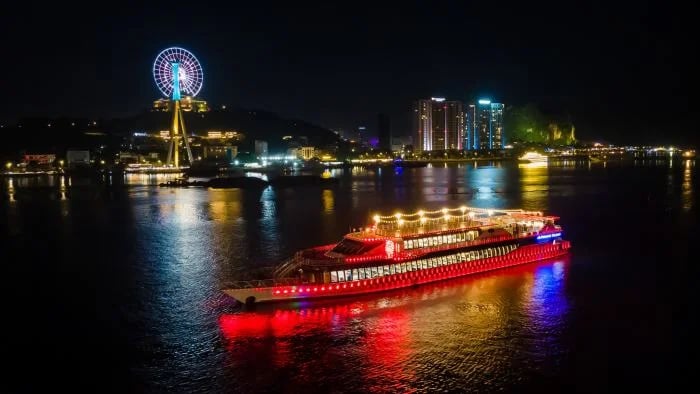
This is a highly significant direction for the cruise industry. If a ship only operates during daytime sightseeing hours, revenue and operational capacity will be limited. Conversely, when a ship becomes a venue for dining, performances, entertainment, or events, the same asset can generate multiple revenue streams.
For MICE and premium guests, this model holds even greater potential. Cruises can become venues for gala dinners, private events, product launches, corporate retreats, or programmes combining leisure and meetings. This also aligns with the trend of increasing value per guest rather than simply maximising guest numbers.
Fifth trend: Safety and sustainable development become competitive conditions
Alongside premiumisation, the Ha Long cruise market is facing increasingly clear demands for safety and sustainable development.
Following the ship fire incident in Ha Long in February 2026, the government requested Quang Ninh to inspect the safety of all tourist vessels operating in the bay and to decisively suspend any vehicles that did not meet technical and safety requirements.
This indicates that operational standards will become increasingly stringent. In the future, a premium cruise product cannot be judged solely by beautiful design, spacious cabins, or numerous amenities. Safety, fire prevention, environmental considerations, staff quality, and operational capability will become part of the brand's value.
This also aligns with Quang Ninh's current orientation. The province is controlling the scale of its fleet, raising technical and environmental standards, while maintaining the capacity to serve approximately 3.6 million day-trip and overnight visitors annually without increasing the number of ships in the core heritage area.
Where will Vietnam's cruise market head in 2027?
Looking at the developments in 2026, it is evident that the Vietnamese cruise market is shifting from a "demand recovery" phase to a "value restructuring" phase.
In 2027, three shifts are highly likely to continue to be key drivers. First is product premiumisation, with businesses focusing more on ship quality, experience design, and revenue per guest. Second is the expansion of operational areas, especially through inter-regional routes like Ha Long – Lan Ha and deeper connectivity with Bai Tu Long. Third is digitalisation and personalisation, as customer data, online distribution systems, and AI become more deeply involved in sales and operations.
The most important point is that the market will no longer be measured solely by the number of ships or guests. A mature market needs to be viewed through indicators such as revenue per cabin, spending per guest, length of stay, occupancy rate, repeat guest rate, ancillary revenue, distribution efficiency, and quality of experience.
With its heritage, landscape, connected infrastructure, and international tourist flow, Ha Long Bay has the opportunity to become one of Vietnam's important cruise hubs. However, resource advantage is only the starting point. To transform this advantage into sustainable business performance, businesses need the right product strategy, a suitable operating model, an effective distribution system, and the ability to continuously accurately interpret market changes.
NewSun Hospitality: Partnering from Strategy to Cruise Operations
As the cruise market shifts from quantitative growth to growth based on quality and value, the challenge for investors is not merely owning a good vessel, but building a business model capable of generating sustainable revenue.
NewSun Hospitality aims to partner with investors and tourism businesses across the entire value chain, from market research, business model development, product positioning, and Sales & Marketing strategy development, to operational organisation and distribution system optimisation. With an approach based on market data and operational realities, each product is developed with clear objectives: the right market, the right experience, the right operational capability, and the right customer expectations.
The Vietnamese cruise market is entering a new development cycle. The question is no longer "should we invest in cruises?", but rather "how do we invest and operate to create a product with long-term competitiveness?".
If your business is researching a cruise project, overnight vessel, or marine tourism product in Ha Long Bay and other coastal destinations in Vietnam, NewSun Hospitality is ready to partner with you from market research and business model development to implementation and actual operation.
- Hotline: +84 768 68 2913
- Email: dosm@nshm.com.vn
- Zalo OA: https://zalo.me/2452770272256938463 (NewSun Hospitality)
- Website: https://nshm.com.vn/ (NewSun Hospitality)
References
- Deloitte. (2026). 2026 Travel Industry Outlook. Deloitte Consumer Industry Center.
- Q&Me. (2026). Vietnam macro market trend (Q1, 2026). Asia Plus Inc.
- Statista. (2026). Cruises: Vietnam. Statista Market Insights.
- Statista. (2026). Target audience: Cruise bookers in Vietnam. Statista Consumer Insights.
- Quảng Ninh Portal. (2026, July 22). Upgrading the tourist fleet on Ha Long Bay.
- Quảng Ninh Portal. (2026, July 22). Quang Ninh tourism accelerates in the second half of the year.
- Quảng Ninh Portal. (2026, July 5). Connecting Ha Long Bay and Lan Ha Bay, expanding the heritage tourism space.
- Quảng Ninh Portal. (2026, June 25). Building world-class tourism products on Ha Long Bay.
- Quảng Ninh Portal. (2026, August 8). Quang Ninh unlocks heritage economy potential.
- Vietnam Government Portal (baochinhphu.vn). (2026, March 2). Gov’t demands safety inspection of all tourist vessels in Ha Long Bay.