

 VN
VN EN
ENIn the tourism, hotel, resort, and cruise industries, bookings from travel agents and B2B partners can be received through various methods. Email and Zalo remain popular tools due to their convenience, ease of use, and minimal barriers to initiating new partnerships. However, as the number of agents and transactions increases, these manual communication methods can gradually reveal limitations in processing speed, data control, and scalability.
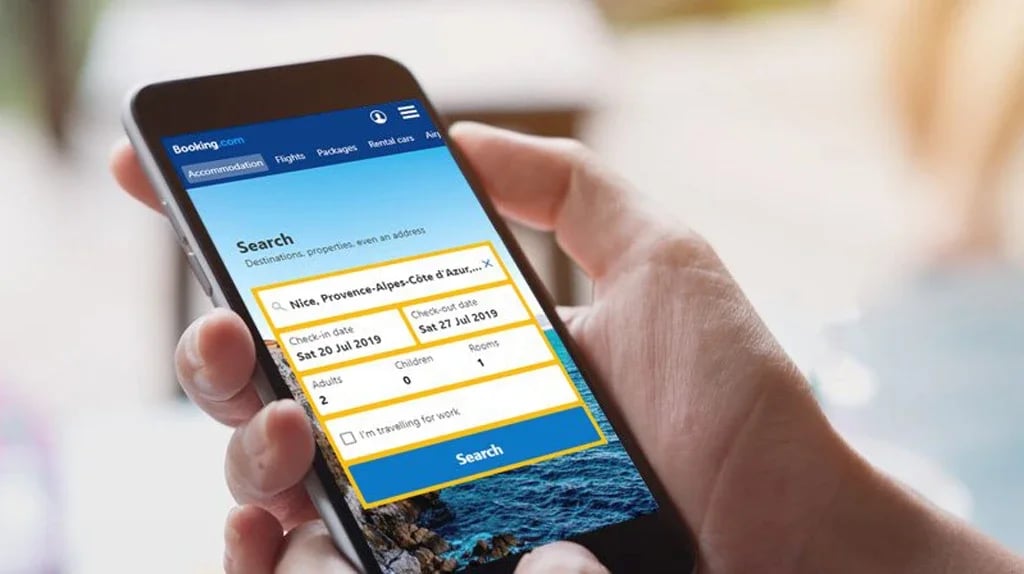
A Booking Portal is developed to address these very issues by centralising service bookings on a single platform. Instead of sending requests via email or messaging staff, agents can proactively log in, search for services, check inventory, and make bookings online. The difference lies not just in the tools used, but in how a business organises its entire sales process and partner management. Therefore, the crucial question is not whether Email, Zalo, or a Booking Portal is "absolutely better". Businesses need to determine which method aligns with their scale, booking volume, distribution model, and development strategy.
Booking via Email – A familiar method, but heavily reliant on personnel
Email is one of the most common B2B booking methods in the hospitality industry. Travel agents send customer information, service dates, number of guests, and related requests to the Sales or Reservation department. Staff then check service availability, confirm prices, process bookings, and send feedback to the agent.
The biggest advantage of Email is its ubiquity and ease of implementation. Most businesses and agents already have email systems, requiring minimal training and allowing communication content to be saved for reconciliation. For businesses with a small number of bookings or a limited partner network, this method can still adequately meet operational needs. However, Email becomes less efficient as booking volumes increase rapidly. Staff must constantly check inboxes, categorise requests, verify room or service availability, input data into the system, and respond to each email. When multiple requests arise simultaneously, the risk of missed emails, slow responses, or incorrect data entry significantly increases.
Booking via Zalo – Fast, but difficult to manage as scale increases
Zalo offers fast communication and aligns with the communication habits of many businesses in Vietnam. Agents can send booking requests directly to Sales or Reservation staff, quickly discuss service availability, and receive almost immediate responses. For urgent requests or those requiring extensive discussion, Zalo often feels more convenient than Email.
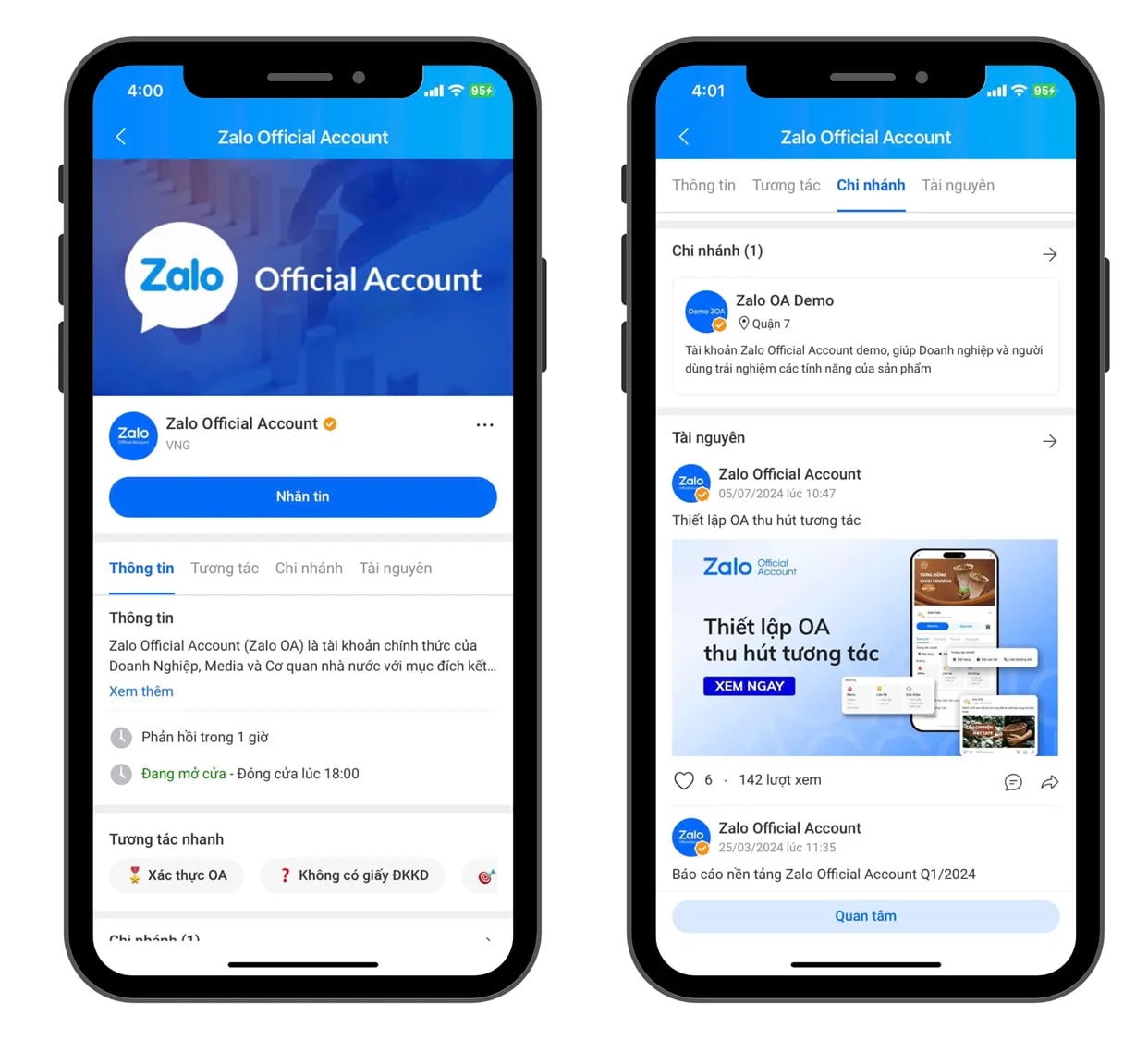
However, the very nature of fast and continuous conversations creates a significant data management problem. An employee might simultaneously handle multiple conversations from various agents, leading to booking information being scattered across numerous chat threads. When needing to retrieve an old booking, cross-reference information, or determine an agent's transaction history, staff can spend considerable time searching. Zalo is also not specifically designed for B2B booking management. Information exchanged in messages does not automatically become structured booking data, and managing prices, service availability, transaction history, and sales reports still relies on other systems. Therefore, Zalo can be an effective communication tool but is unlikely to become a booking management platform as a business scales up.
Booking Portal – From communication tool to transaction platform
Unlike Email and Zalo, a Booking Portal is designed from the outset to facilitate service bookings and B2B transaction management. Agents are provided with individual accounts to access the system, proactively search for products, check availability, view service details, and make bookings. Transaction-related information is recorded directly in the system instead of being manually transferred from emails or messages.
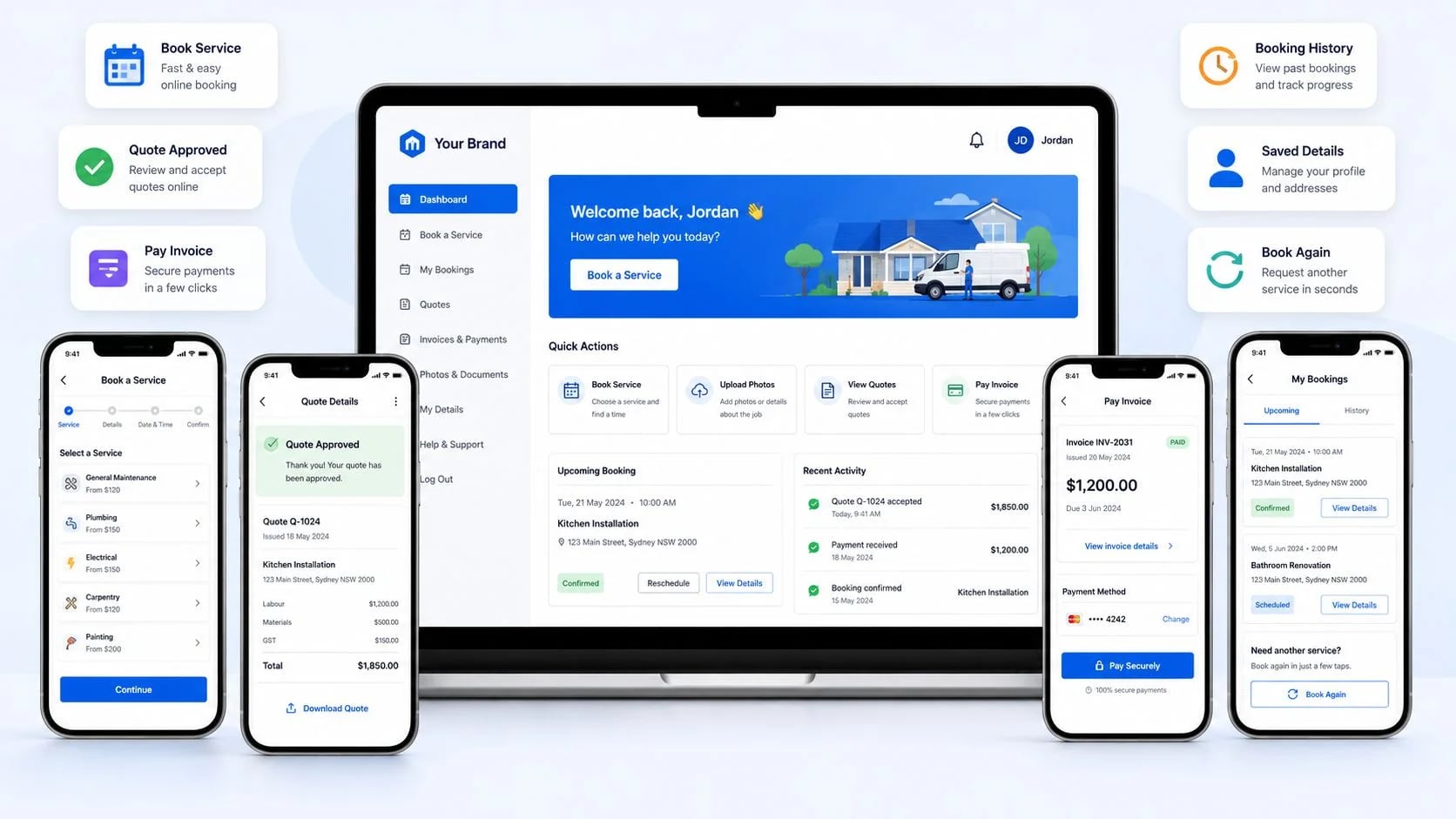
The most significant difference is that a Booking Portal shifts some of the initiative from staff to partners. Agents no longer need to constantly send messages or emails to inquire about service availability; they can independently check real-time information, depending on the system's configuration and integration capabilities. This reduces the number of repetitive requests that Sales and Reservation departments have to handle daily. For businesses, a Booking Portal also creates a centralised management environment for all B2B operations. Information regarding agent accounts, bookings, transaction history, and related data can be managed on a single platform. This represents a shift from a "staff-processed booking" model to a "system-supported booking operation" model.
Response Speed: When minutes can make a difference
In the travel business, response speed can directly impact an agent's ability to close a booking. When customers are simultaneously exploring multiple options, agents often need quick confirmation to finalise the consultation and sales process. If they have to wait for staff to check emails or respond to messages, the transaction opportunity may be affected. With Email, response speed heavily depends on when staff check and process requests. With Zalo, responses can be faster but still entirely rely on staff being online and able to handle the request at that moment. A Booking Portal reduces this dependency by allowing agents to proactively search and perform system-supported actions. This is especially crucial for businesses serving multiple markets or with agents in different time zones, where the ability to receive continuous bookings is highly significant. A 24/7 system can help businesses extend their "selling hours" without necessarily needing to proportionally increase the number of direct handling staff.
Data Control: The major difference between manual and digital
When bookings are made via Email and Zalo, data is often scattered across various inboxes and chat conversations. Businesses may need to consolidate information from multiple sources before inputting it into a management system or internal reports. This process adds extra handling steps and increases the risk of data inconsistency.

A Booking Portal allows booking data to be created and stored directly within the system. When an agent makes a transaction, information can be recorded in a consistent structure, making it easy for relevant departments to access and process. This is particularly important when a business needs to track booking volumes, revenue, transaction history, or the performance of individual partners. Centralised data also provides a foundation for further development in digital transformation. When booking data is structured and connected to other systems, businesses can progressively build management reports, analyse partner behaviour, and optimise sales strategies. This is a value that a mere communication tool cannot easily provide.
Scalability: Where do Email and Zalo fit in?
It is undeniable that email and Zalo still play a definite role in Hospitality business operations. These tools are particularly useful for communication, partner relationship management, handling special requests, or discussing matters requiring direct staff intervention. Therefore, implementing a Booking Portal does not mean businesses must completely eliminate email or Zalo. The key is to correctly define the role of each tool within the process. Email and Zalo can continue to be used as communication channels, while the Booking Portal becomes the primary platform for executing and managing booking transactions. When each tool performs its appropriate function, businesses can maintain communication flexibility while ensuring data standardization. This is also a more practical approach to digital transformation. Businesses do not necessarily have to change their entire workflow at once; instead, they can gradually transition repetitive tasks and those requiring high data control to a digital platform. Once the system proves effective, businesses can continue to expand its application scope.
When should businesses transition from Email and Zalo to a Booking Portal?
Not every business needs to implement a Booking Portal from the outset. If the number of agents is small, booking volume is low, and operational processes are not yet complex, email or Zalo may still meet basic needs. However, when a business starts experiencing staff having to handle too many repetitive requests, slow responses, or difficulty controlling transaction history, it could be a sign that the process needs to be digitized. Another indicator is when a business begins to expand its agent network or enter new markets. The more partners involved, the greater the number of booking requests and support needs, while human resources cannot increase at the same rate indefinitely. A Booking Portal can help businesses create a more scalable service mechanism. Businesses should also consider a Booking Portal when booking data becomes a critical factor in management. If management frequently asks staff to compile Excel sheets, check emails, or retrieve message history for reports, it indicates that data is not centrally managed. In such cases, investing in a booking platform is not just about automation but also about building a data foundation for business operations.
Booking Portals don't replace people; they optimise their role.
One common misconception when businesses begin digital transformation is that online booking systems will completely replace Sales or Reservation staff. In reality, the goal of a Booking Portal is to reduce repetitive tasks and help staff focus on higher-value activities. Employees still play a crucial role in consulting, building partner relationships, handling special requests, and driving revenue growth.

When agents can independently check information and make basic bookings, staff will spend less time answering repetitive questions. Instead of dedicating most of their time to checking service availability and entering data, the team can focus more on agent care, seeking new partners, and developing business opportunities. Technology thus becomes a tool to enhance productivity rather than merely a means of staff reduction. An effective operational model in the future will not be "people or technology," but "people combined with technology." When these two elements are designed to complement each other, businesses can maintain personalised service quality while achieving the efficiency needed for scalability.
NewSun Hospitality – 24/7 Service Booking Portal Solution for B2B Bookings
Based on practical operations in the tourism, hotel, and cruise sectors, NewSun Hospitality recognises that email and Zalo are useful communication tools but are insufficient as a B2B booking management platform as businesses scale. Therefore, NewSun Hospitality has researched and developed the 24/7 Service Booking Portal (B2B Booking Portal) Solution to help businesses transition from manual booking reception processes to an online transaction model.
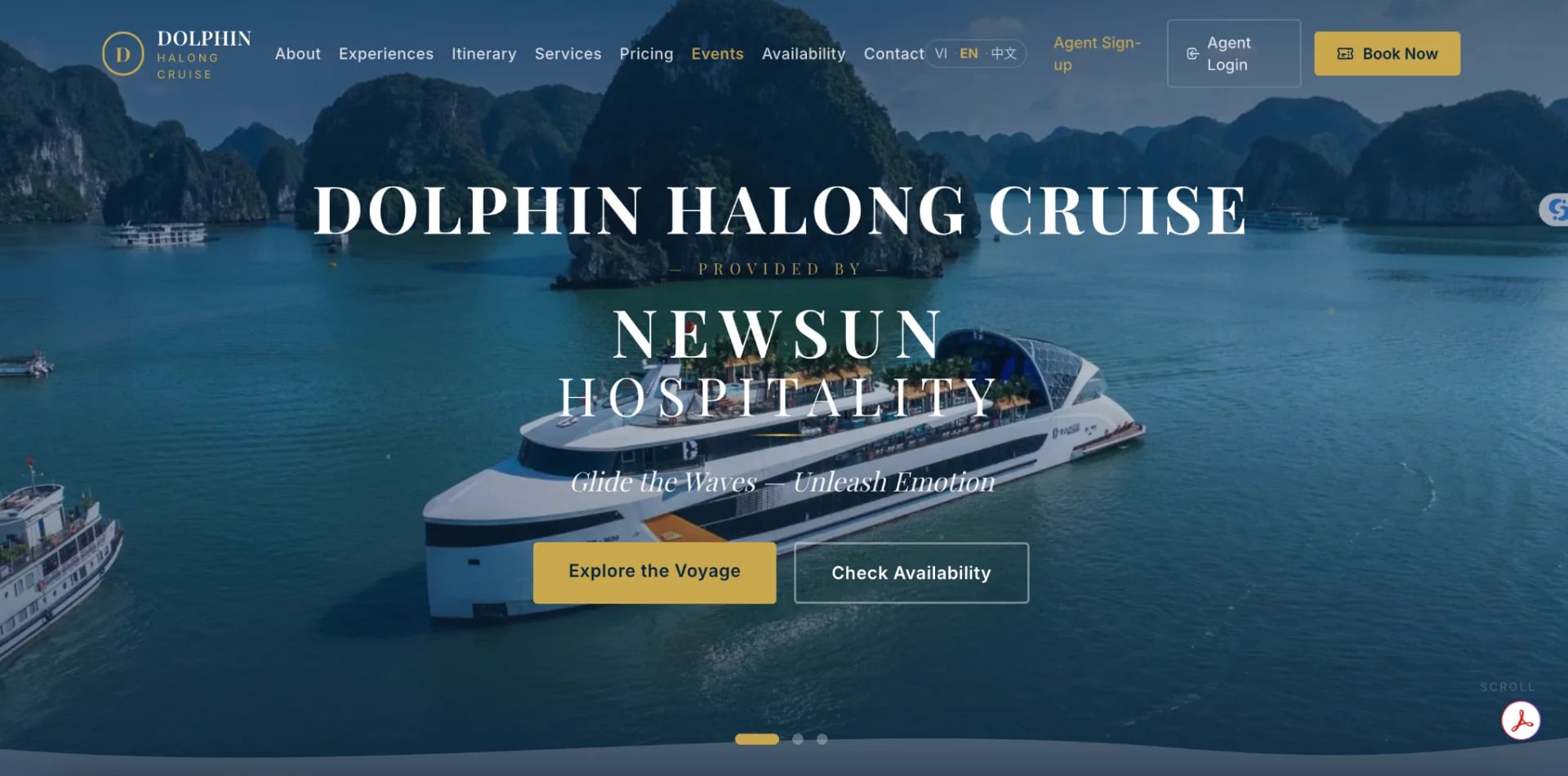
Through the system, agents and partners can proactively access and retrieve service information, check availability, make bookings, and track transaction history. For businesses, the system centralises booking data, reduces manual processing, and extends the ability to receive transactions outside of business hours. The solution is developed based on practical operational experience, addressing the needs of tourism, hotel, resort, and cruise businesses with B2B operations. Currently, the system has been implemented for cruise brands in Ha Long Bay such as Dolphin Halong Cruise and IRIS Halong Cruise. This practical foundation allows NewSun Hospitality to continue refining the solution and accompanying businesses seeking a suitable direction for digitising their booking operations.
Email, Zalo, or Booking Portal – Not an exclusive choice
Email and Zalo remain valuable for communication and partner relations, especially for requests requiring direct staff consultation. However, as booking volumes and agent network size grow, relying on these tools as primary transaction channels can lead to limitations in speed, data, and scalability. A Booking Portal emerges as the next evolutionary step, transforming booking from manual exchanges to structured transaction processes. Businesses don't need to eliminate Email or Zalo to implement a Booking Portal. Instead, they can build a model where the Booking Portal handles booking and transaction management, while Email and Zalo continue to support communication and partner care. This approach allows businesses to leverage the strengths of each tool and progressively build a more effective B2B sales ecosystem. In the journey of digital transformation, the critical question isn't which tools a business uses, but rather whether current processes can adequately support future growth rates. When the answer is no, investing in a suitable Booking Portal platform can be a crucial step for businesses to enhance operational capabilities, expand distribution channels, and achieve sustainable growth.
- Hotline: +84 768 68 2913
- Email: dosm@nshm.com.vn
- Zalo OA: https://zalo.me/2452770272256938463 (NewSun Hospitality)
- Website: https://nshm.com.vn/ (NewSun Hospitality)