


 VN
VN EN
ENFollowing the robust recovery of the global tourism industry, 2026 is projected to mark a clear shift in how customers perceive luxury travel. While luxury was once measured by 5-star hotels, opulent services, or expensive amenities, today, the concept of "luxury" is expanding to encompass personal, emotional, and experiential values. Customers are willing to spend more if a trip helps them connect with local culture, improve their well-being, broaden their knowledge, or create irreplaceable memories.
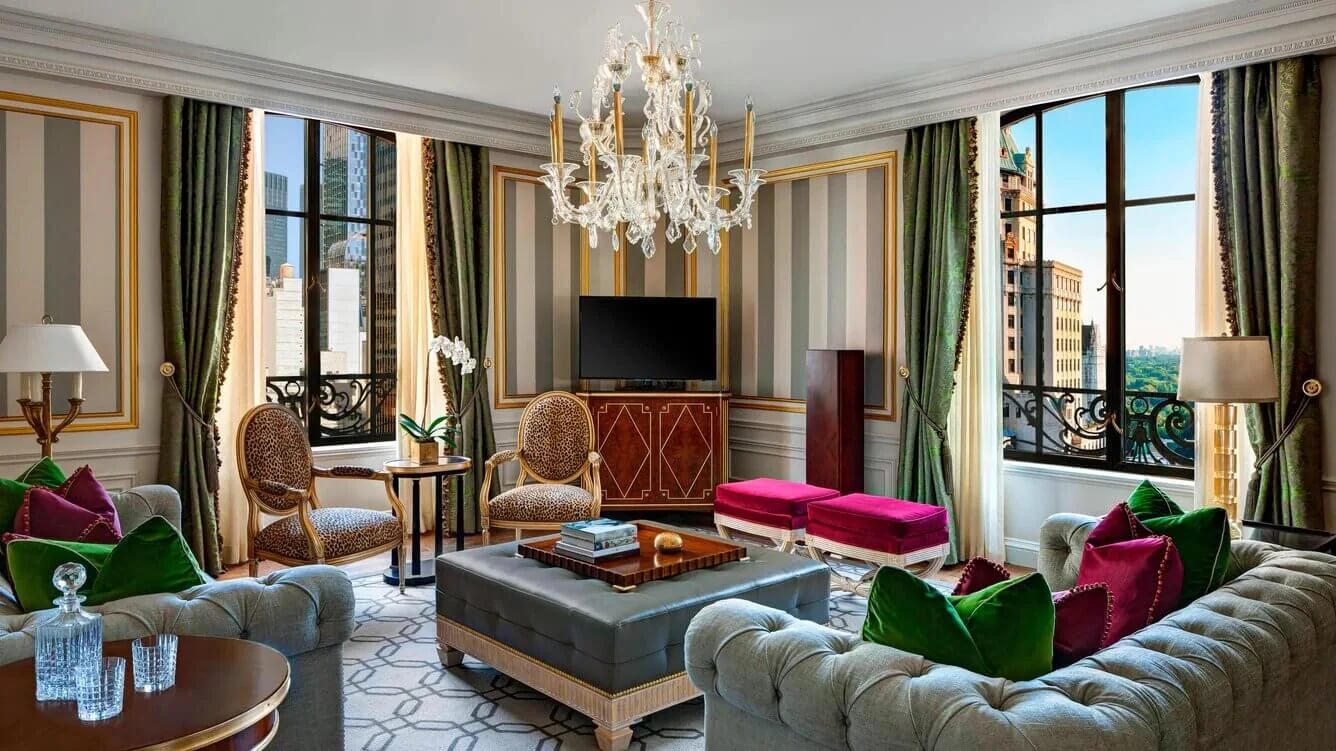
According to Deloitte in its 2026 Travel Industry Outlook, while financial caution is leading many travellers to adjust the frequency or duration of their trips, the premium segment continues to attract due to its ability to deliver value beyond ordinary accommodation needs. Deloitte also points out that competition in the premium and luxury segments will intensify as businesses can no longer compete solely on facilities but must create distinctive experiences to appeal to high-spending customers. For Vietnam, this trend presents many opportunities but also new demands for hotel and resort investors and management companies. Owning a prime location or a large-scale property will no longer guarantee success if the product fails to create a memorable experience.
Personalised experiences become the new measure of luxury
One of the most significant shifts in luxury travel for 2026 is the move from material consumption to experiential consumption. Instead of seeking trips solely for relaxation, travellers want each journey to reflect their lifestyle, preferences, and personal values. They prioritise bespoke experiences over standard, mass-market programmes.
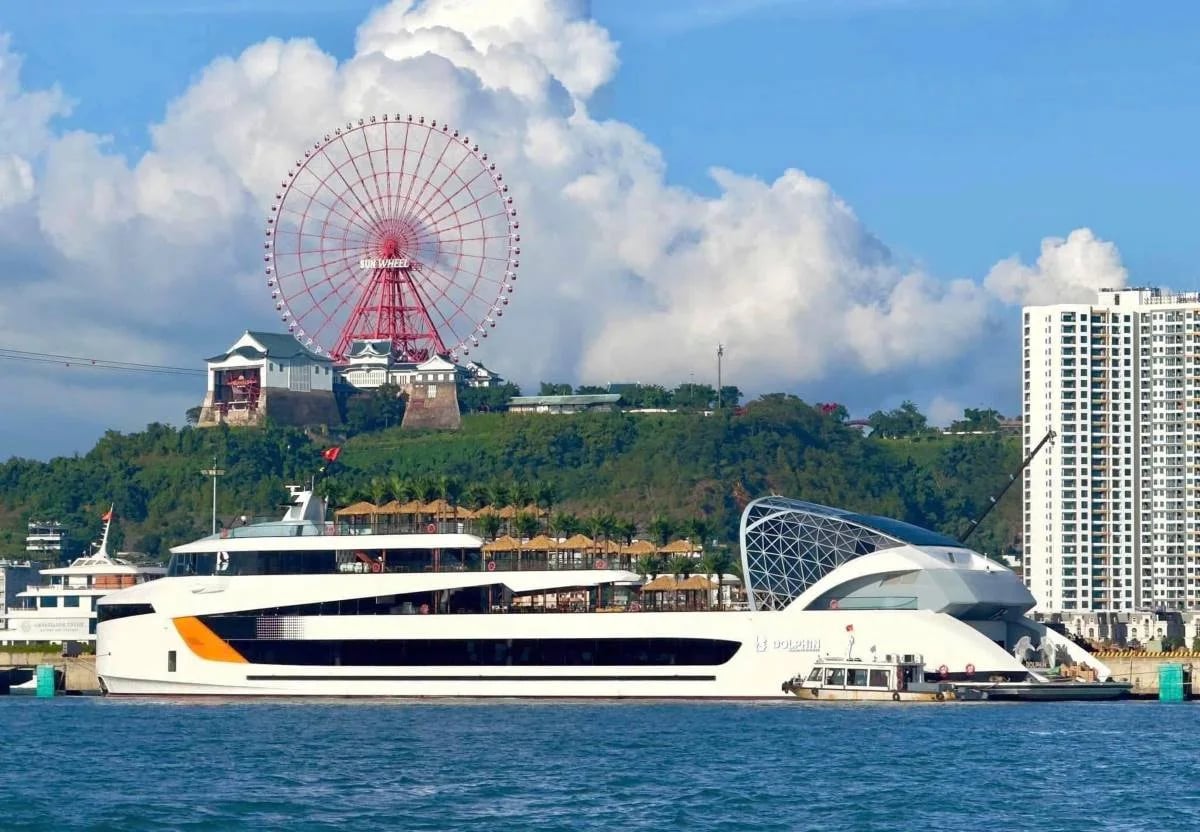
According to the report Top Five Trends in Travel by Euromonitor International, the value of the tourism industry is shaped by four factors: personalisation, purpose of travel, regenerative travel, and technological connectivity. The report highlights that travellers are increasingly choosing brands that can offer authentic, meaningful experiences and create a positive impact on local communities. This explains why many luxury resorts worldwide are shifting their focus from investing in additional amenities to developing experiential programmes such as in-depth wellness, local cultural exploration, art, cuisine, or activities tailored to specific customer segments.
Wellness becomes a growth driver for luxury travel
Another prominent trend for 2026 is the strong growth of wellness tourism. However, wellness is no longer simply understood as spas or yoga, but has expanded into comprehensive journeys of physical, mental, and emotional recovery. Many luxury resorts are developing multi-day programmes that combine nutrition, meditation, sleep therapy, outdoor activities, and personalised health consultations.
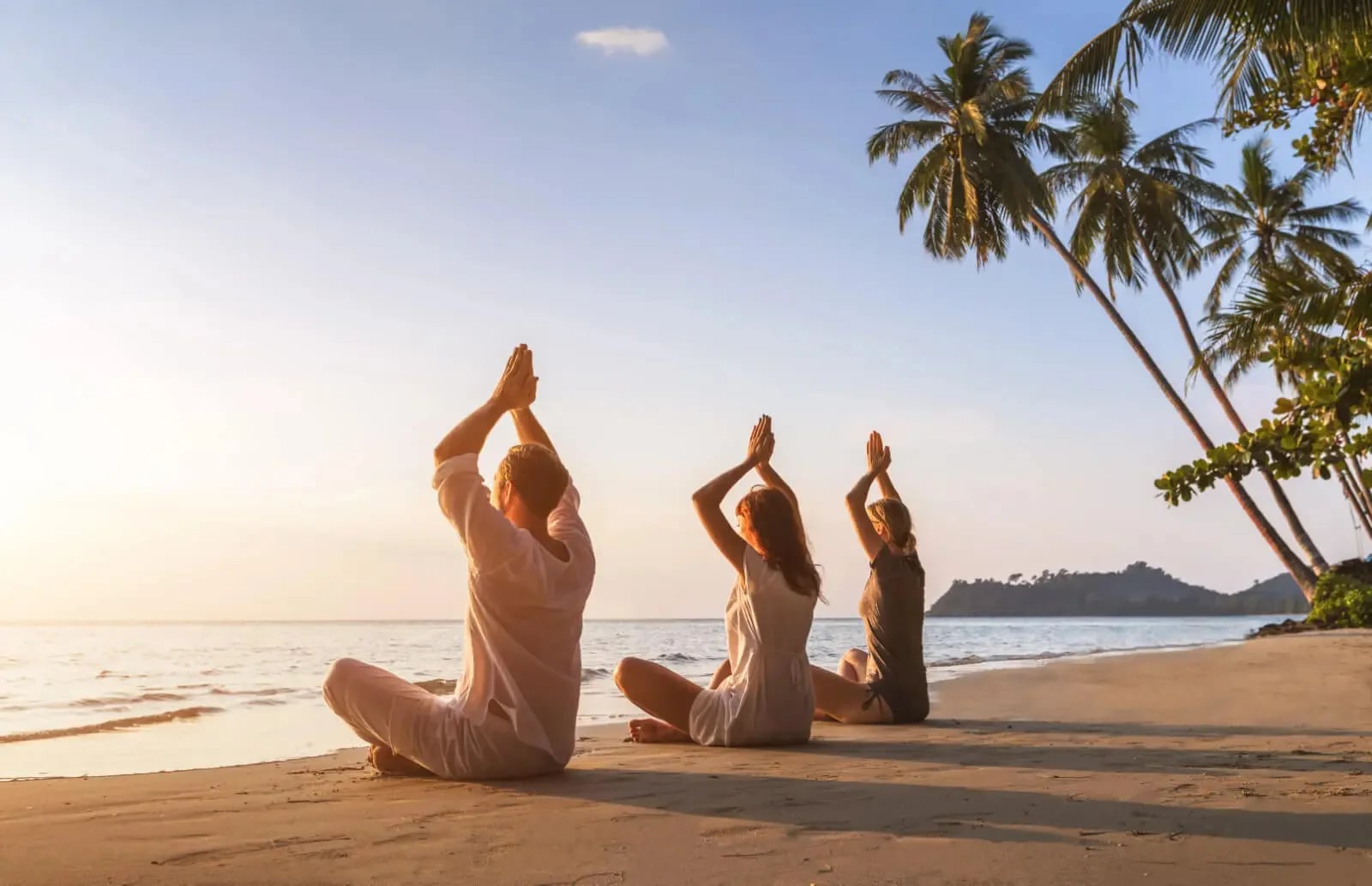
According to trends compiled by Condé Nast Traveler for 2026, models such as social bathhouses, wellness cruises, Viking wellness, and health-balancing retreats are becoming popular choices for high-spending guests. This reflects a change in the definition of a holiday, where health and quality of life are seen as part of modern luxury. For hotel and resort projects in Vietnam, this is an opportunity to develop wellness products with local identity instead of merely replicating international models. Combining traditional medicine, indigenous herbs, meditation, healthy cuisine, and natural spaces can create a sustainable competitive advantage.
Technology enhances personalised experiences rather than replacing human interaction
The development of artificial intelligence is bringing many changes to the luxury travel industry, but notably, customers do not expect AI to replace human interaction. They want technology to make their journey more convenient, while emotional experiences still come from the refined care of the service team.

According to Deloitte, Generative AI is increasingly being applied in the process of information search, planning, and booking travel services. Simultaneously, AI helps businesses analyse customer data to personalise services, from suggesting room types and experiential programmes to offering suitable promotions for each individual. This trend shows that competitive advantage in the luxury segment lies not in using the most technology, but in the ability to combine data, AI, and human service quality. A personalised experience at the right time will create far greater value than adding luxurious amenities that lack connection to customers' actual needs.
Regenerative travel and sustainable development become selection criteria
Luxury travellers are increasingly concerned about the impact of their trips on the environment and local communities. They not only want to minimise negative effects but also want their trips to create positive value for the destination. This is the foundation for the development of regenerative travel, a trend that many research organisations consider the next step in sustainable tourism. Euromonitor notes that brands capable of combining luxury experiences with sustainable development will create a long-term competitive advantage. Meanwhile, new analyses of luxury tourism also show that travellers increasingly prioritise destinations with good environmental quality, natural spaces, and community-linked conservation programmes. This places demands on resort projects in Vietnam to integrate ESG factors from the product development stage, from architectural design, operations, and energy management to building activities that create value for local communities.
Vietnam stands at a great opportunity in the luxury experience segment
The strong recovery of Vietnam's tourism creates a favourable foundation for developing high-end experiential products. According to a Euromonitorreport, Vietnam's tourism industry in 2025 will grow thanks to the recovery of international visitors, more open visa policies, improved transport infrastructure, and continued growth in domestic tourism demand. The report also notes that social media, especially TikTok, is significantly influencing young customers' destination and experience choices.

In addition to its natural resources, Vietnam boasts a rich cultural ecosystem, cuisine, and heritage, suitable for developing high-value experiential tourism products. However, to effectively leverage this opportunity, businesses need to move beyond a price-competitive mindset or solely investing in facilities. Instead, product strategies should be built upon market research, customer behaviour analysis, and the design of distinctive experiences.
From "accommodation" to "crafting journeys"
A common thread among successful hotel and resort brands worldwide is that they sell not just rooms, but a story, a lifestyle, and an experiential journey. The value of the product lies not in the number of amenities, but in its ability to create emotions, memories, and lasting connections with guests. For investors, this means product development must begin with market research, target segment identification, brand positioning, and experience design before architectural design or operational plans are implemented. When the product strategy is correctly established from the outset, the hotel or resort will have a greater opportunity to create a competitive advantage, enhance pricing power, and sustain long-term business performance.
Conclusion
2026 will mark a new phase in the development of luxury experiential travel, where luxury is no longer defined by material standards but by the value of the experience, the degree of personalisation, and the positive impact of the journey. Technology, sustainability, wellness, local culture, and itinerary design will become core elements determining a tourism product's appeal.
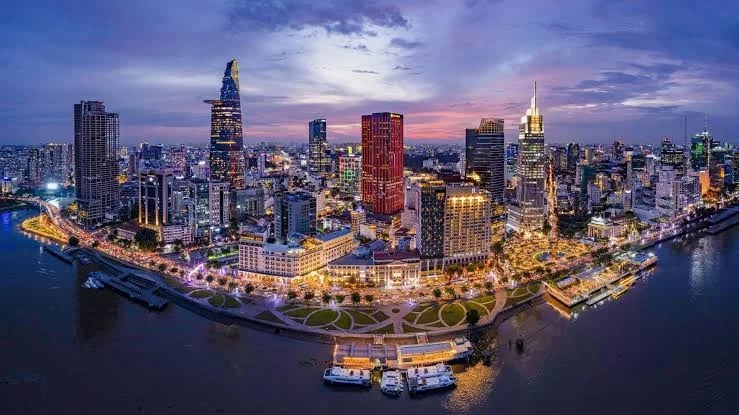
For hotel and resort businesses in Vietnam, the opportunities are immense, but only for those willing to invest in product strategy rather than competing on price. As traveller demands become increasingly diverse and expectations rise, differentiation will come not from project scale, but from the ability to create truly valuable experiences.
NewSun Hospitality partners to create trend-setting resort products
At NewSun Hospitality, we partner with investors from market research, business model development, product positioning, customer experience design, and pre-opening to operational optimisation. With a consulting approach based on the latest market data and consumer trends, NewSun Hospitality helps hotels and resorts develop distinctive products that meet the needs of discerning travellers and enhance competitiveness in the new development phase of the tourism industry. If your business is seeking solutions to build accommodation or resort products with a luxury experiential focus, please contact NewSun Hospitality's team of experts for tailored strategic advice.
- Hotline: +84 768 68 2913
- Email: dosm@nshm.com.vn
- Zalo OA: https://zalo.me/2452770272256938463 (NewSun Hospitality)
- Website: https://nshm.com.vn/ (NewSun Hospitality)
References:
- Deloitte. (2026). 2026 Travel Industry Outlook. https://www.deloitte.com/us/en/insights/industry/transportation/travel-hospitality-industry-outlook.html.
- Euromonitor International. (2025). Travel in Vietnam. https://www.euromonitor.com/travel-in-vietnam/report.
- Euromonitor International. (2025). Top Five Trends in Travel. https://lp.euromonitor.com/top-five-trends-in-travel/report.
- Condé Nast Traveler. (2026). The Biggest Travel Trends of 2026.
- Vogue Business. (2026). How Climate Change Will Reshape Luxury Travel.