


 VN
VN EN
ENThe hospitality industry is entering a new competitive cycle, where advantages are no longer determined by project scale or the number of amenities. With supply continuously increasing, customers can easily compare hundreds of options with just a few clicks on online platforms. This means factors once considered advantages, such as prime location, spacious rooms, or infinity pools, are gradually becoming basic standards rather than differentiators. For investors and operators, the most crucial question in 2026 is no longer "how to build a beautiful hotel" but "how to create a product that customers are willing to choose and return to".

According to Deloitte in its 2026 Travel Industry Outlook, the travel industry is entering a period of slower growth after a strong post-pandemic recovery. Consumers are becoming more cautious with their spending but still prioritise allocating budget to trips that offer genuine value. Simultaneously, Gen Z and Millennials are becoming the dominant customer segments in travel, bringing entirely different expectations regarding experiences, technology, and personalisation. In this context, a hospitality product's competitiveness no longer depends on having more amenities than competitors, but on its ability to create meaningful experiences that truly reflect the needs of each customer segment and sustain long-term value for both the business and the destination.
From "Accommodation Product" to "Experience Ecosystem"
One of the biggest changes in the hotel industry in 2026 is the shift from a room-selling mindset to an experience-creation mindset. Today's guests no longer evaluate their stay solely by the room they occupy, but by the entire journey, from information search, booking, check-in, service use, staff interaction, to their feelings after the trip. Every touchpoint contributes to brand perception and determines whether they will return.
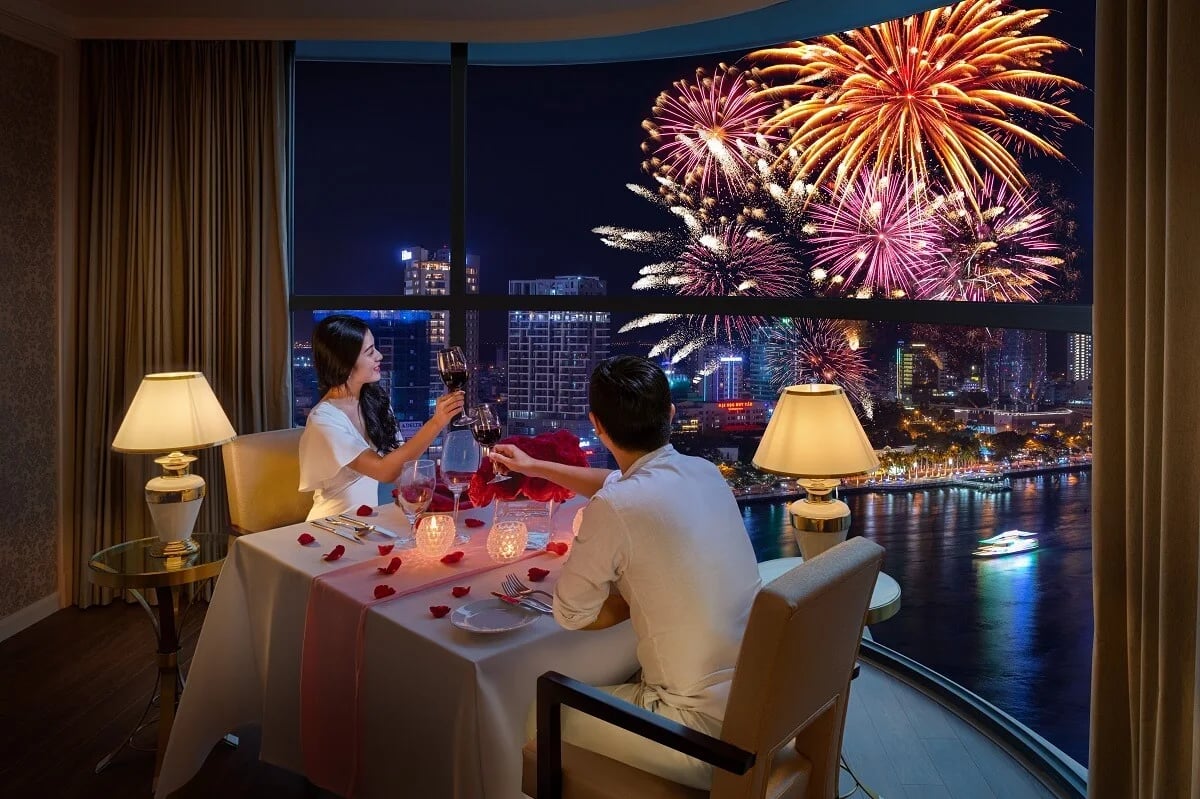
The Top Five Trends Shaping Travel into 2026 report by Euromonitor International indicates that travellers increasingly prioritise experiential trips aligned with personal interests, values, and life purpose, rather than just leisure. Factors such as local culture, wellness, community experiences, authenticity, and the meaning of the trip are becoming key drivers in accommodation choices. The report also notes that the value of the tourism industry is shifting from selling services to designing personalised and emotionally rich journeys. This means a hotel not only needs to invest in facilities but also to build a cohesive experience ecosystem, where every service contributes to telling a clear and consistent brand story.
Personalisation Becomes the New Standard in Hospitality
While personalisation was once considered a service exclusive to the luxury hotel segment, by 2026, it has become a common expectation for guests across most segments. Consumers no longer want the same service process as everyone else; they desire to be understood from the very first interaction. They expect hotels to remember their preferences, trip purpose, consumption behaviour, and to offer tailored suggestions. According to Statista, 2026 is seen as a significant milestone when artificial intelligence, AI Agents, next-generation chatbots, and biometric technology will be widely deployed in the tourism industry. These technologies help businesses automate consultation, booking, customer service, and create a more seamless experience throughout the guest journey. This is not just a technological trend but also a foundation for implementing large-scale personalisation strategies. However, personalisation is not merely about sending birthday emails or displaying guests' names on welcome screens. The true value lies in businesses using data to design experiences tailored to specific customer segments, from service packages, experiential activities, menus, workspaces, to post-stay care programmes.
Local Experiences: An Irreplaceable Advantage Over Technology
While technology optimises processes and enhances operational efficiency, the emotional element still stems from authentic local and human experiences. This is why more and more hotels are shifting investment towards activities that connect with local culture, rather than just adding more physical amenities.

According to Euromonitor, the trends of "purpose-driven travel" and "passion-led travel" are driving demand for accommodation products that connect guests with local culture, nature, and communities. Travellers are willing to pay more for unique experiences such as traditional craft workshops, local culinary journeys, indigenous wellness programmes, or community contribution activities. These are values that standard accommodation models find very difficult to replicate. This indicates that the differentiation of a future accommodation product will not lie in having more amenities, but in its ability to make the destination part of the experience. When guests feel truly connected to the local culture and people, the perceived value of the brand will significantly increase.
Technology Only Creates Advantage When Serving Customer Experience
For many years, the hotel industry has invested heavily in digital transformation, but 2026 marks a crucial shift from process digitisation to experience optimisation. Guests don't care what software or AI platform a hotel uses; they only care whether that technology makes their trip more convenient, faster, and more memorable. Statista notes that AI Agents will be one of the most prominent trends in the tourism industry in 2026, with the ability to assist with planning, booking services, handling requests, and accompanying guests throughout their journey. Concurrently, Deloitte suggests that businesses need to view AI as a tool to enhance experience value rather than just a cost-cutting solution. Entities that combine customer data, AI, and quality human resources will create a more sustainable competitive advantage than businesses that only invest in automation. This confirms that technology is not the ultimate goal. The value of technology is only proven when it helps customers save time, reduce friction in their journey, and provides a sense of being served according to their needs.
Sustainability Shifts from Marketing Message to Competitive Capability
Another prominent trend for 2026 is the shift from the concept of sustainable development to creating regenerative value for destinations. Instead of merely reducing energy consumption or limiting plastic waste, many businesses are beginning to build business models that contribute to local community development, cultural preservation, and livelihood creation for residents.
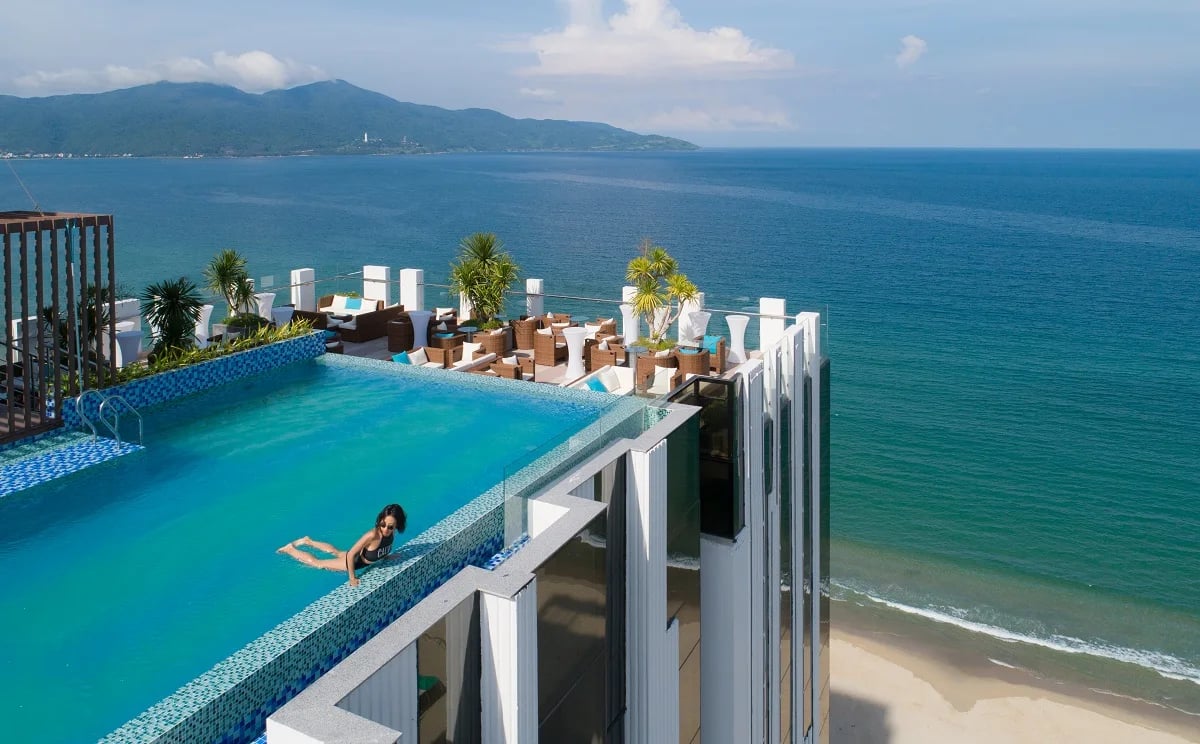
Euromonitor notes that sustainability, authenticity, and positive social impact are becoming crucial criteria in customers' decisions when choosing accommodation. Simultaneously, the global tourism market is shifting from quantity-driven growth to value-driven growth, where products with a clear identity and positive contributions to the destination will have greater opportunities for long-term profitability. For investors, this necessitates integrating ESG factors and sustainable development from the market research, product positioning, and operational model design phases, rather than merely implementing them as a PR activity after the project is operational.
Differentiation Must Be Built from the Strategic Phase
Many hotel projects still allocate the majority of resources to architectural design and construction, while market research, product positioning, and experience design receive insufficient investment. This often leads to projects with high construction quality struggling to make an impact in the market and resorting to price competition after opening. According to Savills' analysis of hotel investment trends in Europe, investors continue to show significant interest in the luxury and leisure segments, which can create differentiated value through clear positioning and unique experiences. This reflects a general market trend where competitive advantage increasingly stems from product strategy rather than solely relying on physical assets. Therefore, the development of accommodation products must begin with market research, identifying target customers, defining core experiences, and designing a suitable service ecosystem and operational model. This foundation helps projects establish a unique identity, maintain pricing power, and achieve sustainable long-term growth.
Conclusion
2026 marks a period where the accommodation industry will no longer compete on scale or the number of amenities, but on its ability to create differentiated value for each customer segment. Technology, data, local experiences, sustainable development, and personalisation will become core factors determining a project's competitiveness. Businesses that focus solely on building physical infrastructure will find it increasingly difficult to gain an advantage over brands that invest in product strategy from the outset. The distinctiveness of an accommodation product is therefore not the result of a single creative idea, but the outcome of thorough market research, clear positioning, and consistent experience design. This approach also helps hotels and resorts enhance brand value, improve business performance, and build a sustainable competitive advantage in the next phase of the tourism industry's development.
NewSun Hospitality: Partnering to Create Distinctive Accommodation Products
At NewSun Hospitality, we believe a successful project doesn't start with architectural drawings, but with a sound product strategy. With our expertise in market research, business model development, Product Definition, customer experience design, pre-opening, and operational optimisation, NewSun Hospitality partners with investors throughout the entire project lifecycle to create distinctive accommodation products that meet market trends and establish sustainable competitive advantages. If your company is seeking solutions for hotel or resort product development in the new landscape of the tourism industry, please contact NewSun Hospitality for strategic advice tailored to each project from our team of experts.
- Hotline: +84 768 68 2913
- Email: dosm@nshm.com.vn
- Zalo OA: https://zalo.me/2452770272256938463 (NewSun Hospitality)
- Website: https://nshm.com.vn/ (NewSun Hospitality)
References:
- Deloitte. (2026). 2026 Travel Industry Outlook. https://www.deloitte.com/us/en/insights/industry/transportation/travel-hospitality-industry-outlook.html
- Euromonitor International. (2025). Top Five Trends Shaping Travel into 2026. https://www.euromonitor.com/article/top-five-trends-shaping-travel
- Euromonitor International. (2025). The World Market for Travel. https://www.euromonitor.com/the-world-market-for-travel/report
- Statista. (2026). Travel and tourism trends 2026 – Statistics & Facts. https://www.statista.com/topics/13141/travel-and-tourism-trends-2025/