


 VN
VN EN
ENFor many years, digital transformation has been seen as key to enhancing the hospitality industry's competitiveness. However, as we move into 2026, the game has changed. The focus is no longer on digitising processes, but on how businesses leverage Artificial Intelligence (AI) to automate, optimise operations, and make data-driven business decisions in real-time. If the 2020–2023 period saw the explosion of Cloud PMS, Mobile Check-in, and Contactless Service, then from 2024 onwards, AI has entered a phase of large-scale practical application. AI is no longer an experimental technology reserved for international corporations but is gradually becoming part of the daily operations of independent hotels, hotel chains, and resorts in many countries, including Vietnam.
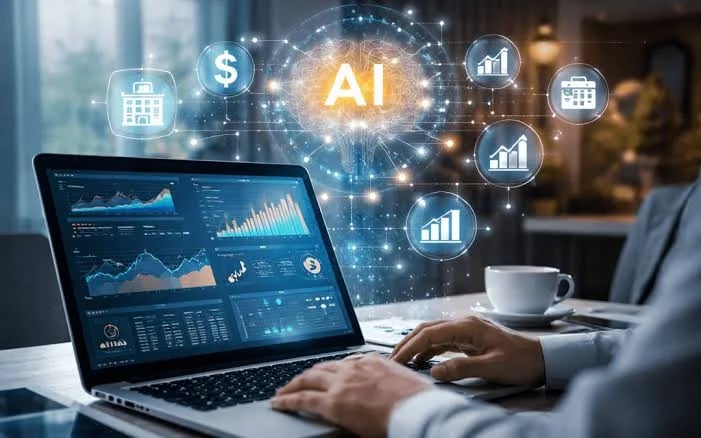
According to Statista, global AI market revenue is projected to continue its strong growth in the coming years, reflecting increasing corporate investment in AI solutions for operations and customer service. Concurrently, Canary Technologies' 2025 State of AI in Hospitality report indicates that most surveyed hotels have either begun implementing or plan to invest in AI within 12 months to enhance operational efficiency, optimise staffing, and improve guest experience. These figures demonstrate that AI is no longer a futuristic concept but a current competitive advantage. The question is no longer "Should we adopt AI?" but "Where can AI be applied for maximum impact?" To help investors, hotel owners, and management teams better understand this trend, NewSun Hospitality proudly introduces the AI Hotel Labseries. This is an in-depth series of articles analysing AI technologies transforming the hospitality industry from management, operational, and business strategy perspectives. In the first article of the series, we will explore seven AI applications that are creating the most significant changes in hotel operations by 2026.
Why is 2026 considered a turning point for AI in the hospitality industry?
Three factors are driving the strong growth of AI in the Hospitality sector. Firstly, the maturity of Generative AI models. Modern AI platforms are now capable of natural language processing, data analysis, and content generation with increasing accuracy. This allows AI to directly participate in many tasks previously handled only by humans, from customer service and business planning to employee training support. Secondly, the shift in customer expectations. Today's travellers expect quick responses, personalised services, and seamless experiences across multiple platforms. According to Deloitte, customers increasingly favour businesses that can provide seamless, convenient, and personalised experiences based on behavioural data.
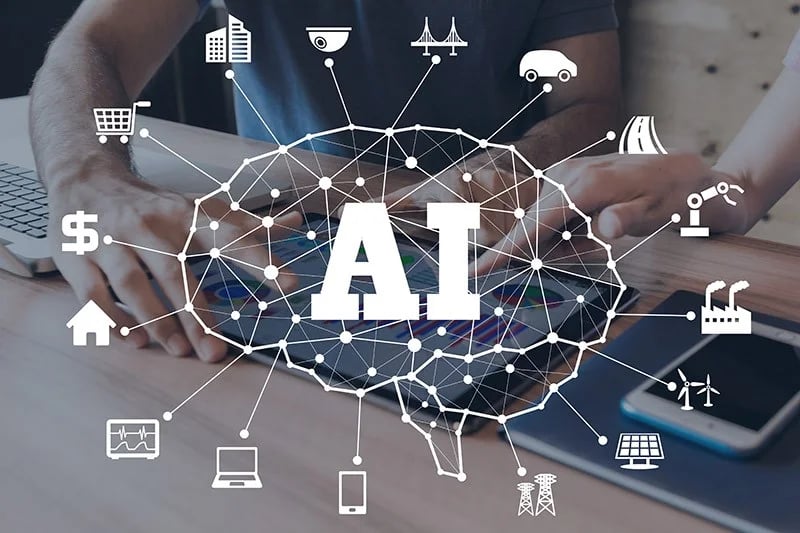
Thirdly, pressure on operating costs. With rising labour, energy, and raw material costs, many hotels are seeking solutions to boost productivity without expanding their workforce. AI is seen as a tool capable of simultaneously addressing all three challenges: cost savings, service quality improvement, and decision-making support. It is important to note that AI is not intended to replace humans. On the contrary, this technology helps employees reduce repetitive tasks to focus on higher-value work such as customer care, problem-solving, and creating distinctive experiences.
1. AI Concierge – Smart 24/7 Front Desk
One of the most popular applications today is the AI Concierge, also known as a smart front desk assistant. Unlike traditional chatbots that only respond according to fixed scripts, AI Concierge can understand context, remember customer information, and communicate naturally in multiple languages. The system can assist guests from before booking until after check-out.
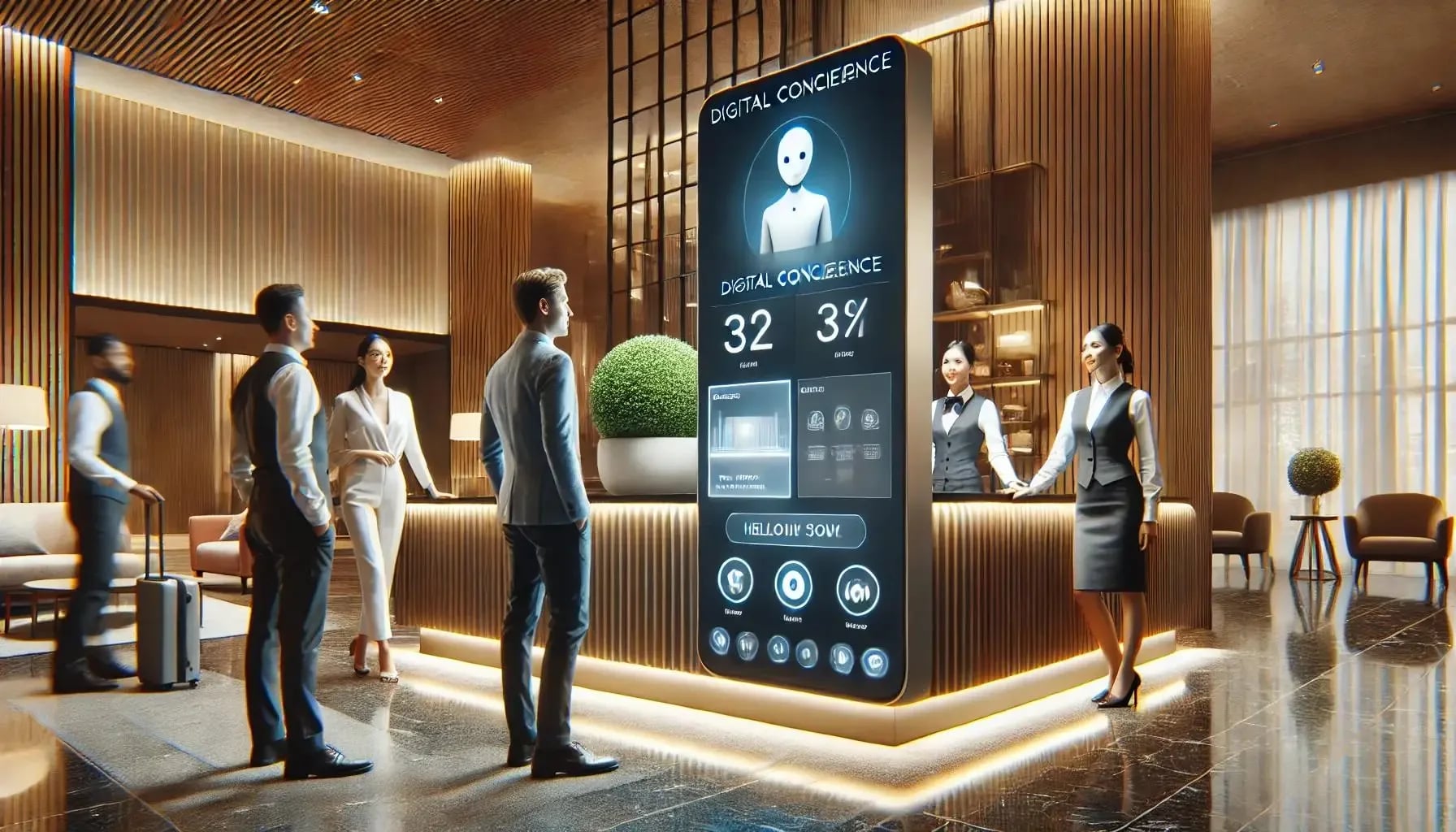
AI can answer questions about room categories, check-in policies, spa services, restaurants, and transportation, while also assisting with table reservations, taxi bookings, suggesting tour itineraries, or handling ad-hoc requests at any time of day. For hotels, this significantly reduces the workload for the front desk, especially during peak hours or night shifts. Meanwhile, guests always receive near-instant responses instead of waiting for direct staff assistance. This trend is being implemented by many international hotel brands to enhance customer experience while optimising staffing costs.
2. AI Revenue Management – Real-time Revenue Optimisation
Revenue Management has long been the "heart" of hotel operations. However, AI is taking this field to an entirely new level. Instead of relying solely on historical data and the Revenue Manager's experience, AI can simultaneously analyse thousands of variables such as market demand, seasonality, competitor pricing, local events, online search trends, weather, and real-time booking pace.

From this, the system continuously suggests optimal pricing for each room type, sales channel, and time period. This helps hotels maximise RevPAR and ADR while maintaining reasonable occupancy rates. For hotel chains with multiple properties, AI can also forecast demand for each distinct market, helping the Revenue Management team develop more precise pricing strategies instead of applying the same model to all destinations. In an increasingly volatile tourism market, the ability to react quickly to real-time data is becoming a more crucial competitive advantage than ever before.
3. AI Personalises Customer Experience
According to various studies by Deloitte and Salesforce, personalisation is becoming one of the strongest factors influencing brand choice and customer loyalty. In the hotel industry, AI is playing a central role in this process.
Instead of just storing basic information in the CRM system, AI can aggregate stay history, preferences, spending habits, post-trip feedback, and interactions on websites or social media to build real-time customer profiles. As a result, each guest can receive different experiences. For example, guests who frequently use the spa will receive offers for wellness services. Families with small children will be suggested suitable rooms along with children's activities. Meanwhile, business travellers can be offered airport transfers or meeting rooms as soon as their booking is complete. Personalisation not only increases satisfaction but also boosts revenue through upselling and cross-selling with higher conversion rates compared to mass promotions.
4. AI Housekeeping – Enhancing Room Management Efficiency
For many years, the Housekeeping department has been considered one of the most labour-intensive departments in a hotel. Work assignments were primarily based on supervisor experience, while room status constantly changed according to check-out, check-in, and ad-hoc guest requests. This led to many hotels experiencing overload during peak hours, delayed room handover, or inefficient staff allocation. The advent of AI is gradually changing how room management is handled. Instead of just displaying room status, modern AI platforms can analyse data from the PMS, electronic lock systems, check-in/check-out schedules, occupancy rates, and individual staff workloads to automatically propose optimal room cleaning plans.
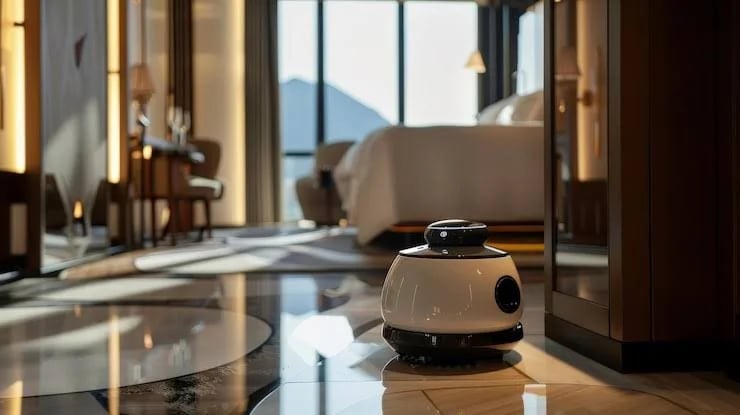
AI can also prioritise rooms that need to be handed over urgently, predict the completion time of each task, and automatically coordinate staff by area to reduce travel time between floors or buildings within the resort. Some solutions also integrate with the Internet of Things (IoT) to detect whether a room has actually been vacated by a guest, helping to limit situations where staff disturb guests by knocking on doors or wait unnecessarily. Beyond optimising processes, AI also supports service quality management. The system can aggregate data on room cleaning times, number of guest complaints, and cleanliness levels by room type or individual staff member, providing managers with a basis for more objective performance evaluation. For large-scale hotels, this is an important foundation for building a lean operating model, reducing personnel costs while maintaining consistent service standards.
5. AI Marketing – Automating Marketing while Ensuring Personalisation
Hotel marketing is entering a phase where data is the most valuable asset. While advertising campaigns previously relied mainly on experience or broad customer segments, AI allows hotels to understand each customer group with much greater detail.
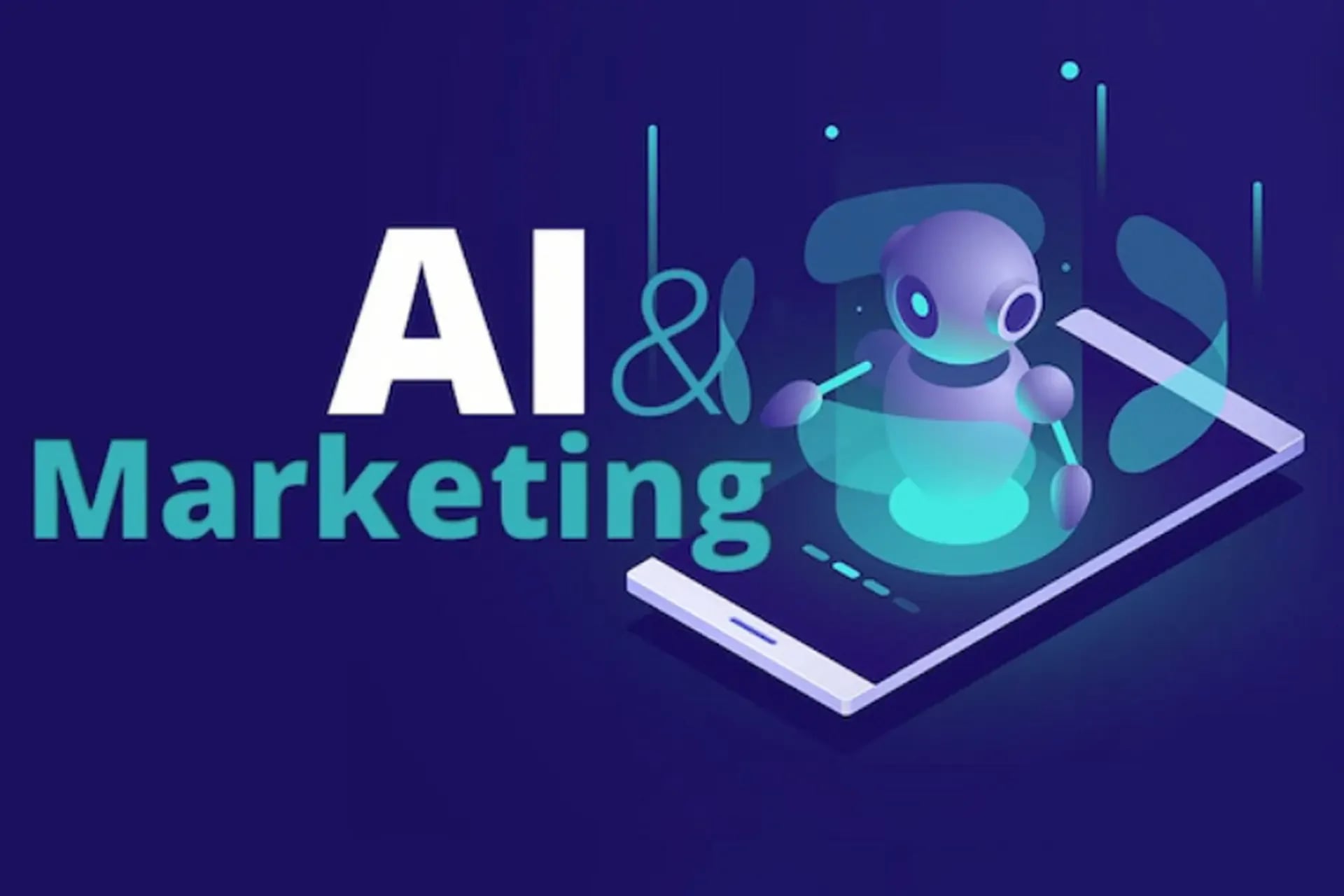
AI can analyse search data, booking history, website browsing behaviour, email open rates, social media interactions, and CRM data to identify the precise moment when guests have travel needs. From there, the system can automatically create email marketing campaigns, online advertisements, or suitable offers for each guest segment, rather than sending the same message to everyone. Furthermore, Generative AI significantly accelerates content production for marketing teams. Creating website articles, fan page content, customer care emails, video scripts, room descriptions, or Google ads can be done in a short time while ensuring brand identity consistency, if properly vetted. It is important to note that AI does not replace the strategic thinking of the marketing team. Technology helps shorten execution time and data processing, while humans retain the role of crafting messages, brand positioning, and creating differentiating ideas in the market.
AI DOES NOT REPLACE HUMANS BUT ELEVATES MANAGEMENT CAPABILITIES
One of the most common concerns when discussing AI is that technology will replace the workforce. In reality, most experts in the Hospitality industry believe that AI is best suited for repetitive tasks, data processing, or those requiring quick responses. The core elements that create value in the service industry, such as empathy, communication skills, problem-solving, and fostering positive emotions, remain human strengths. What AI offers is the ability to free employees from manual tasks, allowing them more time to focus on customer care. For managers, AI does not replace leadership but becomes a "strategic assistant," helping to make faster, more accurate, and data-driven decisions rather than emotional ones. It can be said that successful businesses in the coming period will not be those with the most AI, but those that know how to harmoniously combine technology and human capabilities to create a distinctive customer experience.
Conclusion
AI is progressively reshaping how hotels operate, from front office, housekeeping, engineering, and marketing to revenue management and data analytics. Applications once considered future technology have now become practical tools that help businesses enhance operational efficiency, optimise costs, and improve customer experience. For the Vietnamese market, the application of AI is still in its early stages but is accelerating rapidly. This is the opportune moment for hotel businesses to systematically build an AI transformation strategy, selecting solutions appropriate to their scale and development goals, rather than merely following trends. In an era where data and technology are core competitive advantages, AI is no longer a "nice-to-have" option, but is gradually becoming an essential capability for businesses aiming for sustainable growth. Continue to follow the website and communication channels of NewSun Hospitality for in-depth insights, new trends, and management solutions that help hotels enhance their competitiveness in the AI era.
- Hotline: +84 768 68 2913
- Email: dosm@nshm.com.vn
- Zalo OA: https://zalo.me/2452770272256938463 (NewSun Hospitality)
- Website: https://nshm.com.vn/ (NewSun Hospitality)
References:
- Canary Technologies. (2025). 2025 State of AI in Hospitality Report.
- Deloitte. (2024). 2024 Travel and Hospitality Industry Outlook.
- Deloitte. (2024). Tech Trends 2024.
- Hospitality Net. (2025). Artificial Intelligence in Hospitality: Industry Insights.
- McKinsey & Company. (2024). The State of AI in 2024.
- PwC. (2024). Global Artificial Intelligence Study.
- Statista. (2025). Artificial Intelligence (AI) Market Worldwide.
- World Economic Forum. (2025). Future of Jobs Report.