


 VN
VN EN
ENBuilding personalised customer journeys based on data, not intuition
A common mistake many hotels make is assuming personalisation simply means remembering a guest's name or leaving a small gift in their room. In reality, modern personalisation is built on data, technology, and a deep understanding of guest behaviour throughout the entire stay lifecycle.
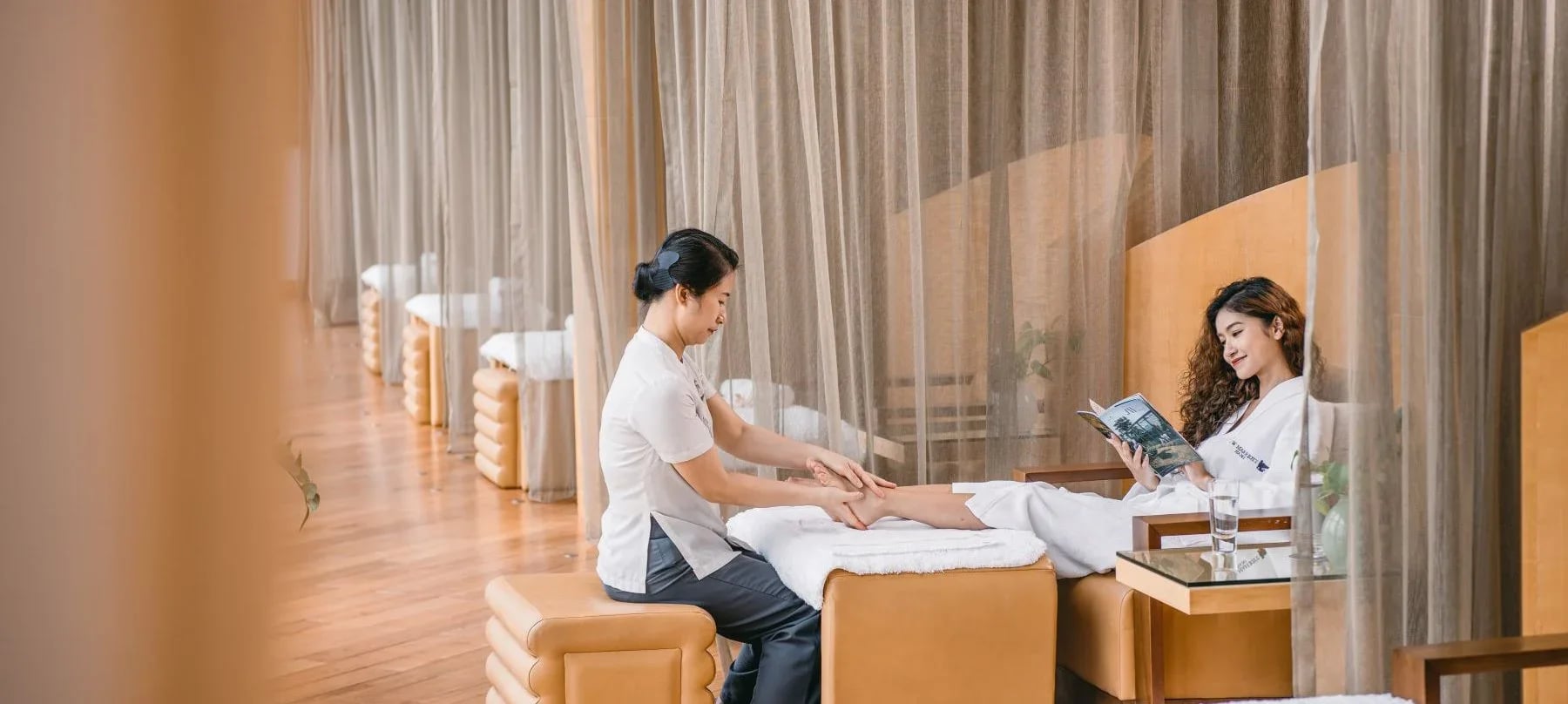
The concept of the Guest Journey today extends beyond traditional touchpoints, evolving into a comprehensive data ecosystem where every interaction is recorded, analysed, and transformed into specific actions. From the first website visit, room search actions, service booking history, post-stay feedback, to social media interactions, all contribute to creating a complete customer profile. According to Deloitte, leading companies in personalisation do not collect data for "storage," but use it to make real-time decisions. This enables businesses to reach the right customer, with the right needs, at the right time, rather than implementing mass marketing campaigns with diminishing returns.
Five Stages of Personalisation in the Customer Journey
For a personalisation strategy to be truly effective, hotels need to view the customer experience as a continuous journey rather than a series of isolated touchpoints. Each stage offers opportunities to collect data, enhance perceived value, and drive revenue if designed correctly. Instead of focusing solely on the guest's stay, leading hotel brands worldwide now build personalisation strategies based on the entire customer lifecycle, from before they search for information until they become loyal customers and brand advocates.
1. Dreaming & Discovery Stage
The customer journey doesn't begin when they book a room, but from the moment the idea of a trip arises. They might watch videos on TikTok, read reviews on Google, search for information on hotel websites, consult OTAs, or follow brand fan pages for weeks before making a decision. This is when businesses need to personalise content to attract the right customers from the very first interaction. Through website behaviour data, search history, geographical location, or advertising campaigns, the system can display content relevant to each customer segment.
For example, a family with young children often searches for keywords like "resort with kids' play area" or "family vacation". The hotel website can prioritise displaying Family Suite room types, children's play areas, kids' pools, or all-inclusive holiday packages. Meanwhile, a business traveller accessing from a financial district might be suggested amenities such as meeting rooms, a Business Lounge, airport transfer services, or express check-in. A prime example is Marriott International. Through its Marriott Bonvoy programme, the group uses data from members' search history, booking behaviour, and preferences to personalise website content and email marketing campaigns. This helps customers see hotels, offers, and destinations that match their needs, rather than generic messages. Delivering the right message to the right customer from the outset not only improves conversion rates but also helps businesses optimise marketing budgets, reduce cost per successful booking, and build a positive impression before the customer makes a decision.
2. Booking & Pre-arrival Stage
After deciding to book, customers enter the second crucial stage, where personalisation can directly impact revenue through upselling and cross-selling activities. Instead of offering the same list of services to every customer, modern hotels are applying Recommendation Engine technology, similar to Amazon or Netflix, to provide suggestions based on each individual's profile and behaviour. For example, if the system detects that a guest often travels with family on weekends, the booking confirmation email might suggest a dinner buffet, airport transfer, tour tickets, or children's programmes. Conversely, for a couple booking for their wedding anniversary, the hotel might propose room decoration services, a private beachfront dinner, or a spa package for two. Some brands like Hilton have implemented Digital Check-in via the Hilton Honors app, allowing guests to pre-select their preferred room location, floor, pillow type, or check-in time. This not only empowers guests but also reduces waiting times upon arrival at the hotel. Additionally, the pre-arrival stage is an opportunity for hotels to gather more data through online forms, such as trip purpose, special requests, food allergies, or estimated arrival time. This information will serve as a basis for operational departments to prepare a tailored experience from day one.
3. Stay Experience
This is the stage where customers directly experience the quality of service, and also when personalisation has the strongest impact on satisfaction and likelihood of return. A modern management system can connect data between reception, housekeeping, restaurants, spa, customer service, and CRM to create a seamless experience. When a guest returns, reception staff can know in advance that they prefer a high-floor room, use soft pillows, don't drink alcohol, or typically have coffee in the morning.

If a guest previously booked a spa service, the system can proactively send an offer on the second day of their stay, when they typically use this service. If a guest has a habit of going to the gym in the morning, the hotel app can suggest a yoga class or suitable wellness programmes. A prominent example is the Wynn Las Vegas brand. This hotel has integrated smart voice assistants in guest rooms, allowing guests to control lighting, curtains, temperature, and entertainment devices according to their personal preferences. All settings can be remembered for subsequent stays, making the experience more seamless and convenient. The important thing is that customers don't feel like they are being sold to. Instead, they feel that the hotel truly understands their needs and proactively assists at the right time. This subtlety is what differentiates a "by-the-book" experience from a memorable one.
4. Post-stay Engagement
For many hotels, the customer journey often ends after a thank-you email or a feedback survey. However, for leading brands, this is just the beginning of building loyalty. Data collected throughout the stay helps businesses implement personalised care campaigns instead of sending generic promotional emails to all guests. For example, a family who stayed during the summer might receive an early booking offer for next year's summer holiday. A business traveller who frequently stays in Hanoi will be informed about Corporate Rate packages or programmes specifically for business guests. Meanwhile, food enthusiasts might be invited to Fine Dining events or introduced to new menus at the hotel's restaurant.
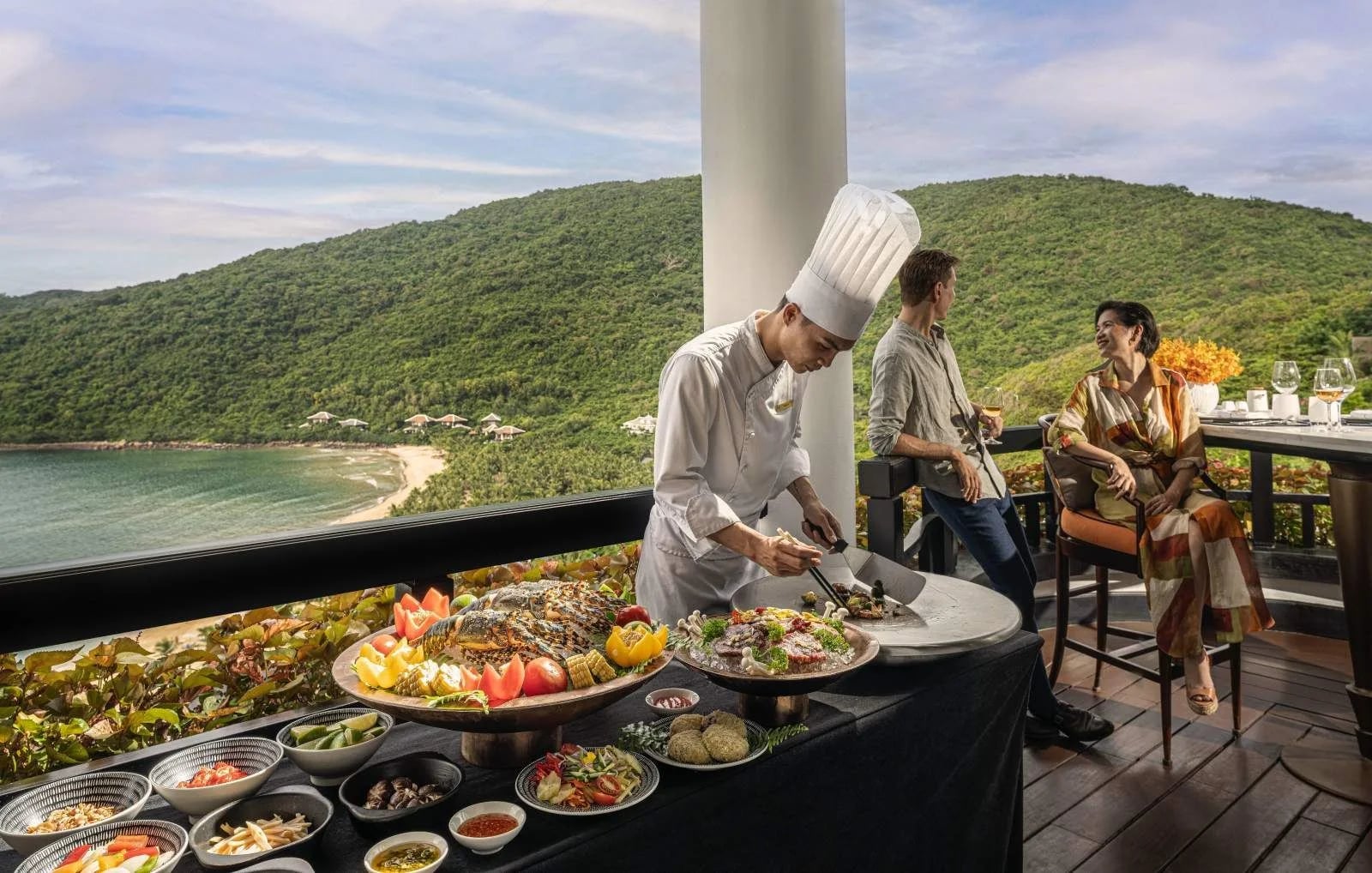
Accor Group is one of the companies that has effectively implemented this strategy through its loyalty programme, ALL – Accor Live Limitless. Based on stay history and consumption behaviour, the system continuously personalises offers, events, and reward programmes tailored to each member, thereby increasing repeat guest rates. An effective post-stay care strategy not only enhances Customer Lifetime Value but also significantly reduces the cost of acquiring new customers, which is often many times higher than the cost of retaining existing ones.
5. Loyalty & Advocacy
The final stage is also the ultimate goal of the personalisation strategy, where customers not only return but also actively recommend the brand to family, friends, and their community. According to numerous studies in the Hospitality sector, recommendations from existing customers are far more credible than traditional advertising. Therefore, instead of just focusing on upselling services, modern hotels are aiming to build a community of loyal customers through personalised and emotional experiences. At this stage, data continues to be leveraged to design appropriate appreciation programmes such as birthday gifts, room upgrades, milestone-based member benefits, special occasion greetings, or invitations to exclusive events for loyal customers. For example, Marriott Bonvoy or World of Hyatt programmes not only accumulate points for free nights but also personalise benefits based on each member's stay frequency, preferences, and consumption behaviour. This differentiated approach to care makes customers feel valued, thereby increasing their likelihood of returning and willingness to share positive experiences on social media or review platforms like Google Reviews and TripAdvisor. In an increasingly competitive landscape, this stage creates the most sustainable value. A loyal customer not only generates recurring revenue but also becomes a "brand ambassador," helping to spread the hotel's reputation through organic and trustworthy recommendations. This is also the lowest-cost marketing method that yields the most long-term effectiveness for businesses in the Hospitality industry.
AI is taking personalisation in Hospitality to a new level
The explosion of artificial intelligence has completely transformed how hotels implement personalisation strategies. Instead of relying on individual staff experience, AI can analyse millions of data points in a short time to identify behavioural trends and provide real-time recommendations. According to Deloitte's Global Powers of Luxury Goods 2025 report and numerous studies on AI in the service sector, artificial intelligence is becoming a foundation for businesses to enhance customer experience, optimise operations, and increase business efficiency. In the hotel industry, AI is not only applied in chatbots or virtual assistants but also supports demand forecasting, pricing optimisation (Revenue Management), marketing automation, and the creation of personalised service suggestions.
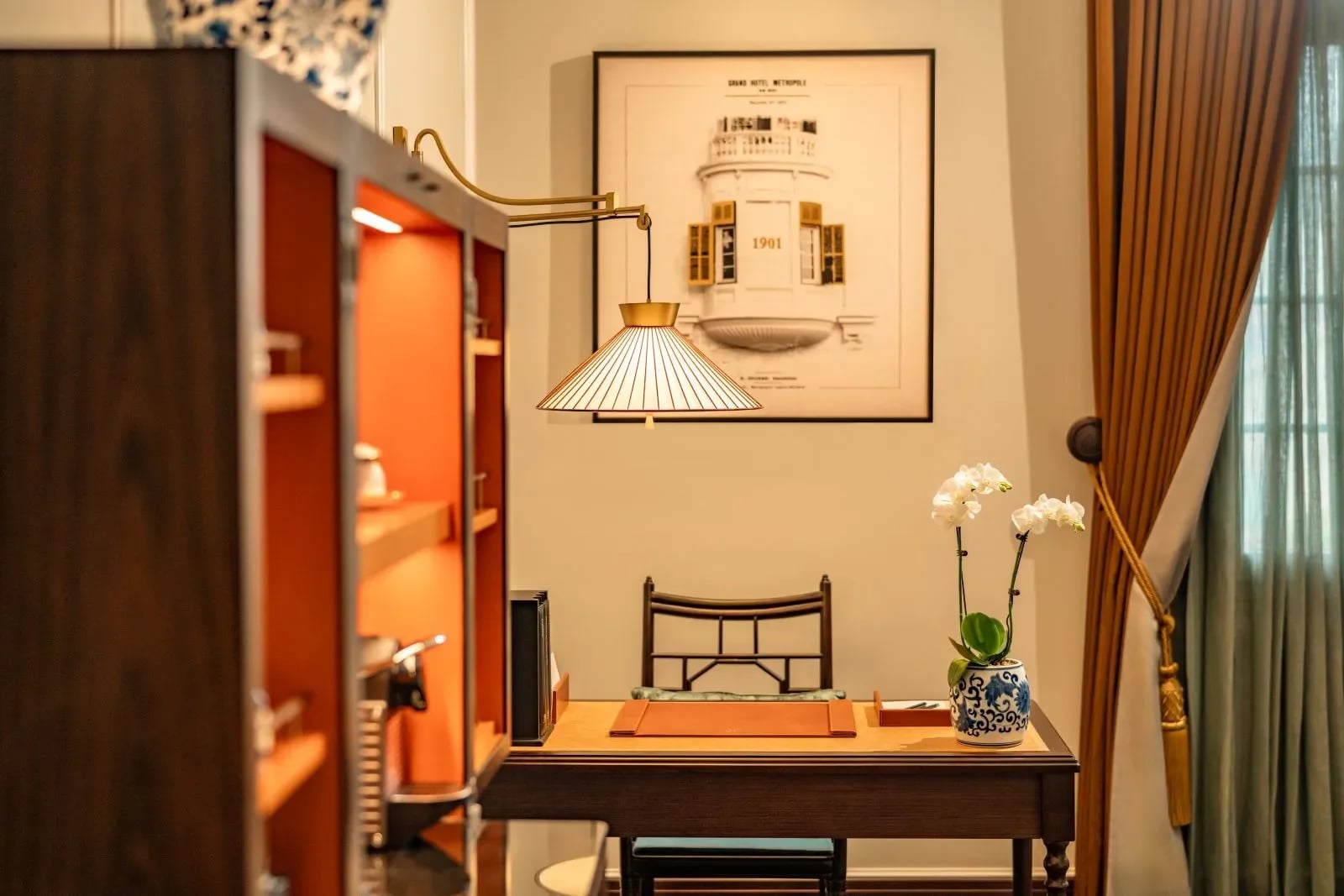
When AI is combined with CRM, PMS, and Customer Data Platform (CDP), hotels can build a comprehensive picture of each guest. This is the foundation for realising the "Right Guest, Right Offer, Right Time" model – sending the right offer to the right guest at the right time, instead of launching mass promotional campaigns. However, AI only truly becomes effective when data is standardised and connected across systems. If customer information remains fragmented across departments or stored disparately, the ability to personalise will be limited, no matter how much a business invests in advanced technology.
Conclusion
While data and artificial intelligence are opening up unprecedented opportunities to personalise customer experiences, technology is merely a means, not the end. The true value lies in how businesses build strategies, standardise data, and transform collected information into consistent experiences throughout the entire customer journey. This is also the decisive factor in whether personalisation will become a sustainable competitive advantage or merely short-term activities. In Part 3, NewSun Hospitality will analyse the opportunities that the personalisation trend brings to hotel businesses in Vietnam, and share a practical implementation roadmap, helping businesses gradually apply data and AI to enhance customer experience, optimise operational efficiency, and generate sustainable revenue growth. We invite readers to read Part 3: "What Opportunities Await Vietnamese Hotels in the Race for Experience Personalisation?" to discover the strategic steps that will help hotels transition from an experience-based operating model to a data-driven decision-making model, ready to seize competitive advantages in the era of smart Hospitality.