


 VN
VN EN
ENAs the hospitality industry undergoes a strong digital transformation, customer expectations change faster, and the labour market becomes increasingly competitive, the role of hotel leaders is also profoundly changing. A manager skilled in operations may no longer be enough to lead a hotel to success in this new era. What is more essential is the ability to adapt, connect people, and leverage technology to create superior customer experiences.

The new landscape is redefining hotel leadership roles
According to Euromonitor, the global tourism industry is being shaped by three major trends: personalised experiences, technological application, and the demand for authentic experiences. Technology, especially AI, is increasingly involved in the planning, booking, and service experience of travellers. In Vietnam, AI is rapidly becoming a part of digital life. A report by Decision Lab indicates that 78% of Vietnamese internet users have interacted with AI platforms, and about one-third use AI daily. This suggests that future customers will become increasingly accustomed to services supported by data and technology.
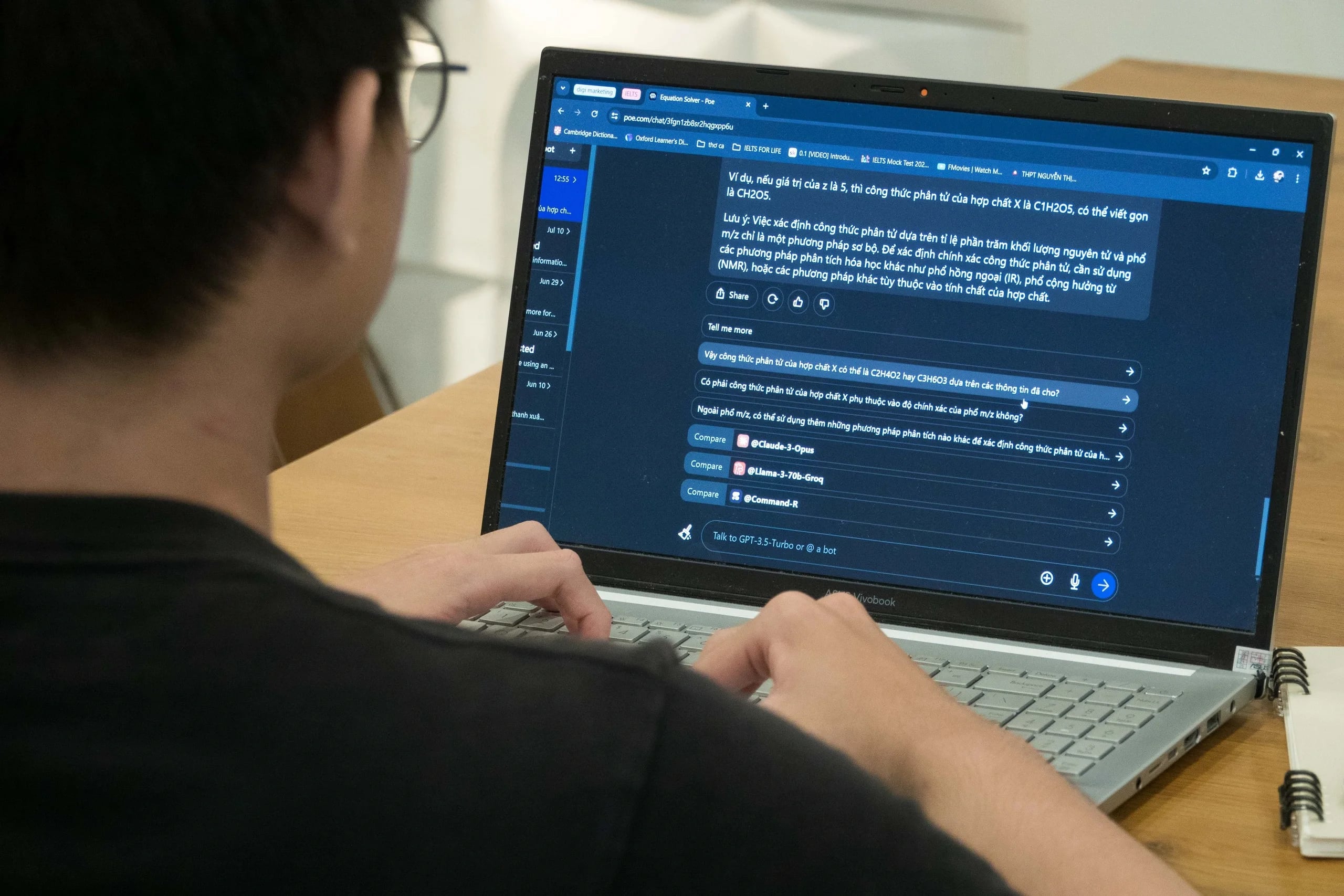
In this context, hotel leaders not only need to understand operations but also to lead the organisation in a rapidly changing and technologically advanced environment.
1. Data-driven mindset and information-based decision-making
Modern hotels generate vast amounts of data from PMS, OTA, CRM systems, online reviews, and customer behaviour. Leaders need to understand key metrics such as occupancy rates, ADR, RevPAR, booking conversion rates, and customer satisfaction. The ability to use data to forecast demand, optimise pricing, and allocate resources is becoming a core competency for senior management. According to Euromonitor, travel businesses are increasingly relying on data analytics to personalise experiences and enhance operational efficiency.
2. Ability to lead digital transformation
Digital transformation is more than just buying new software. It is a process of changing how an organisation operates, collaborates, and serves customers. Leaders need to understand technology sufficiently to evaluate solutions, define business objectives, and guide their teams to adapt to change. Successful hotels are often those where technology is used to enhance human efficiency rather than completely replace human effort.
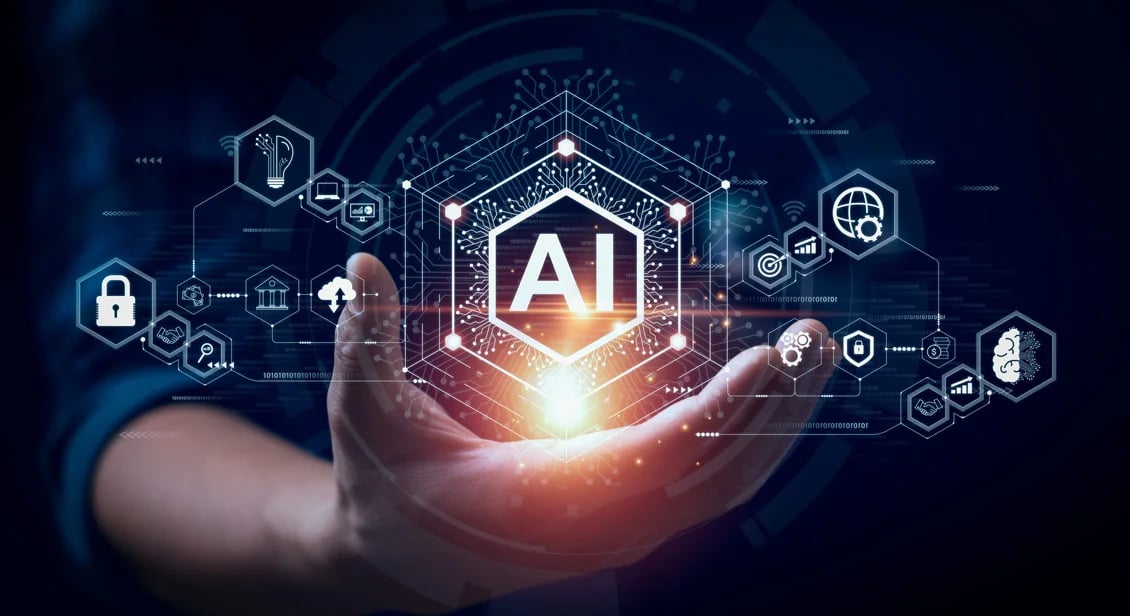
The "Tech-enabled Human Touch" model is becoming a prominent trend: machines handle repetitive tasks, while humans focus on empathy and customer care.
3. Customer Experience Mindset
Today's customers don't just buy a room; they buy an entire experience. Deloitte suggests that personalisation is becoming a crucial factor in increasing loyalty and brand value in the hospitality industry. Therefore, leaders need to ask: "How will this decision affect the customer experience?" rather than focusing solely on costs or internal processes. Excellent managers often spend significant time observing the customer journey, analysing online feedback, and continuously improving service touchpoints.
4. Crisis management and rapid adaptability
The tourism market is constantly affected by economic fluctuations, changing consumer behaviour, and unpredictable external factors. This requires hotel leaders to be able to react quickly, make decisions under imperfect information, and maintain team morale during difficult periods. The ability to develop contingency plans, manage risks, and flexibly coordinate resources will become increasingly important in the future.
5. Emotional Intelligence (EQ) – an irreplaceable competitive advantage
While AI can assist with data analysis and process automation, the ability to understand emotions, resolve conflicts, and build trust remains a human advantage.
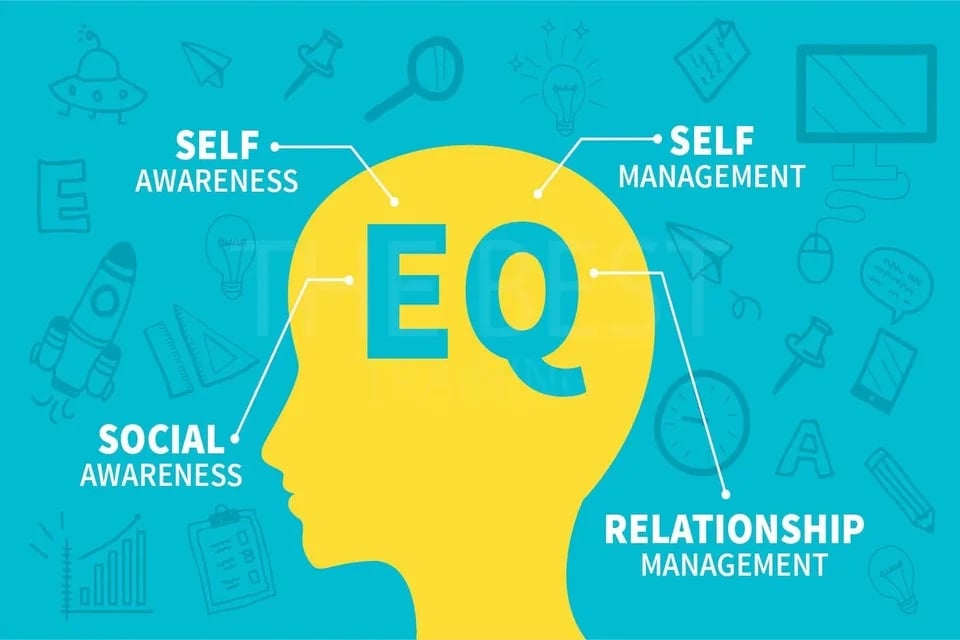
A leader with high EQ creates a positive work environment, retains talent better, and helps the team serve customers with sincerity. This is particularly crucial in the service industry, where employee and customer emotions often directly impact revenue and brand reputation.
6. Continuous learning mindset
Technology, travel trends, and customer expectations change very rapidly. Management knowledge that was effective five years ago may no longer be relevant today. Therefore, hotel leaders need to maintain a spirit of continuous learning, stay updated on international trends, participate in training programmes, and build professional networks within the industry.
Conclusion
The modern hotel leader is not just a good operator but also someone who combines data, technology, and human elements to create superior experiences. Skills such as data-driven thinking, leading digital transformation, team development, customer experience management, flexible adaptation, and emotional intelligence will determine the competitiveness of managers in the coming period. In a world where technology is increasingly prevalent, sustainable differentiation will belong to leaders who use technology to enhance human value, not replace humans. NewSun Hospitality partners with hotel managers to develop leadership capabilities. We support building operational systems, training mid-level and senior management, developing service culture, and implementing digital transformation solutions tailored to each hotel model. If your business is seeking solutions to enhance leadership capabilities and operational efficiency in this new era, contact NewSun Hospitality for in-depth consultation.
- Hotline: +84 768 68 2913
- Email: dosm@nshm.com.vn
- Zalo OA: https://zalo.me/2452770272256938463 (NewSun Hospitality)
- Website: https://nshm.com.vn/ (NewSun Hospitality)
References:
- Decision Lab. (2025). The State of Consumer AI in Vietnam 2025. Retrieved from https://www.decisionlab.co/
- Deloitte. (2024). Hospitality and technology insights. Retrieved from https://www.deloitte.com/
- Euromonitor International. (2025). Top Five Trends Shaping Travel into 2026. Retrieved from https://www.euromonitor.com/
- Euromonitor International. (2024). Travel: Market Research & Trends. Retrieved from https://www.euromonitor.com/
- Euromonitor International. (2024). Top Trends for Travel in 2024. Retrieved from https://www.euromonitor.com/
- Skift. (2025). The Key to Bridging the Talent Gap in the Global Hospitality Sector. Retrieved from https://skift.com/
- Strategic Talent Development in Hotels: Building a Strong Workforce. (2024).
- Workforce Singapore. (2023). The Future of Jobs and Skills in Singapore’s Hotel Industry. Retrieved from https://www.wsg.gov.sg/