


 VN
VN EN
ENFor the hotel, tourism, and hospitality industries, seasonality is always one of the most distinctive characteristics of business operations. During peak periods such as summer, holidays, long breaks, or large-scale events, market demand can surge dramatically in a short time. This creates significant pressure on operational staffing, especially in front office, housekeeping, F&B, events, and guest relations roles.

However, maintaining a fixed workforce large enough to meet peak season demands is not always the optimal choice. When the season ends, businesses may face high labour costs, reduced productivity, and the pressure of managing surplus human resources. In this context, the Gig Economy is emerging as a new trend that helps hospitality businesses become more flexible in their human resource management strategies. Instead of relying entirely on full-time employees, many hotels are beginning to utilise seasonal, part-time, or project-based labour to meet operational needs during peak periods. This is not only an immediate solution to the problem of labour shortages but also reflects a profound shift in how businesses approach the modern labour market.
What is the Gig Economy?
The Gig Economy is an economic model based on short-term, flexible, or task-specific jobs, rather than traditional full-time employment. In this model, workers can take on various jobs, working shifts, projects, or according to the actual needs of the business.

According to the World Economic Forum, the Gig Economy is a labour market supported by digital platforms, where workers and businesses are connected to perform short-term or task-specific jobs. The global gig economy is estimated to reach USD 556.7 billion in 2024 and is projected to grow to approximately USD 1,847 billion by 2032. This rapid development indicates that flexibility is becoming a priority for both businesses and workers in a constantly changing market.
Why is the hotel industry paying more attention to the Gig Economy?
The hospitality industry is inherently susceptible to significant fluctuations in market demand. Occupancy rates can surge on weekends but drop sharply mid-week. A major event might double staffing needs for a few days, only for them to quickly return to normal afterwards. Meanwhile, many tourism markets currently face labour shortages. According to Vietnamese tourism experts, the industry needs about 40,000 new workers annually, but the current supply meets only about half of this demand. Labour quality is also a challenge, as the proportion of formally trained workers remains relatively limited. The pressures of recruiting, training, and retaining staff are leading many hotels to seek more flexible labour models. This creates a favourable environment for the Gig Economy to become a notable trend in the industry.
How does the Gig Economy help hotels address seasonality?
The greatest strength of the Gig Economy lies in its ability to scale staffing up or down according to actual needs. During peak seasons, hotels can quickly add resources to departments under high pressure, such as housekeeping, restaurant service, banqueting, event organisation, or customer care. When demand decreases, the business does not bear the burden of excessive fixed labour costs.
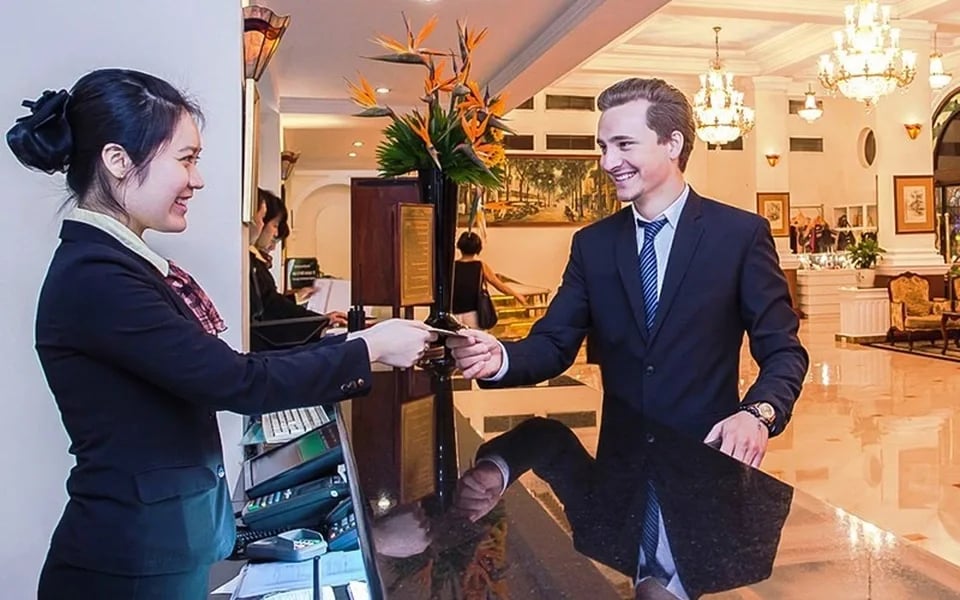
This helps optimise labour costs while enhancing operational flexibility. The World Economic Forum notes that one reason for the strong growth of the Gig Economy is its ability to help businesses access human resources more quickly and flexibly than traditional recruitment models. Many businesses are leveraging on-demand labour to accelerate their adaptation to market fluctuations. For the hotel industry, this is a particularly important advantage, as business demands frequently change with seasonality and travel behaviour.
Changes in worker mindset
The Gig Economy is not only a business need but also reflects a shift in the career mindset of the young workforce. Many workers today no longer view full-time employment as the only option. They seek time flexibility, opportunities to gain diverse experience, and the ability to actively control their work. According to a McKinsey survey cited by the World Economic Forum, approximately 36% of the US workforce identify as independent workers or work in flexible arrangements. The biggest motivation for this group of workers is the autonomy to choose working hours and arrangements that suit their personal needs. For the hospitality industry, this can be a potential source of human resources, including hospitality students, part-time workers, freelancers, or those looking for shift work during peak periods.
Opportunities the Gig Economy brings to hotels
Adopting a flexible labour model helps hotels enhance market adaptability and optimise operational efficiency. Firstly, businesses can access human resources more quickly during periods of sudden demand surges. This is particularly useful for resort hotels, tourist areas, or convention centres that frequently face fluctuations in guest numbers.

Secondly, this model helps optimise personnel costs. Instead of maintaining a large workforce year-round, hotels can build a core team and supplement resources flexibly when needed. Thirdly, the Gig Economy provides access to personnel with specialised skills for specific projects or events. This helps improve service quality without requiring long-term investment in positions where demand only arises periodically.
Challenges to be recognised
While offering many benefits, the Gig Economy is not a perfect solution for every hotel business. The biggest challenge lies in maintaining service quality. Hospitality is an industry based on customer experience, where consistency in service standards plays a crucial role. When using seasonal or project-based labour, businesses need to invest more in training, guidance, and quality supervision processes. Additionally, building a corporate culture and employee engagement becomes more difficult as the proportion of short-term labour increases. Studies on the Gig Economy also indicate that flexibility must be accompanied by appropriate worker protection and development policies to ensure sustainability for both businesses and the workforce. Therefore, instead of viewing the Gig Economy as a complete replacement for traditional labour, many experts suggest it should be considered a part of an overall human resource management strategy.
Conclusion
The Gig Economy is no longer a concept limited to the technology or delivery sectors. This model is gradually influencing how hotel businesses develop human resource strategies in an increasingly volatile market. Flexibilising seasonal staffing not only helps hotels optimise costs and improve operational efficiency during peak seasons but also fosters better adaptability to changes in the modern labour market. However, to effectively leverage this trend, businesses need to establish appropriate recruitment, training, and quality management processes. Success lies not in simply using more seasonal workers, but in harmoniously integrating the core staff with flexible resources to deliver a consistent service experience for customers. If your business is seeking solutions to enhance workforce efficiency during peak seasons and build a more flexible operational team, contact NewSun Hospitality for consulting from our experienced hospitality experts.
- Hotline: +84 768 68 2913
- Email: dosm@nshm.com.vn
- Zalo OA: https://zalo.me/2452770272256938463 (NewSun Hospitality)
- Website: https://nshm.com.vn/ (NewSun Hospitality)
References:
- World Economic Forum. (2025). The future of the gig economy, and other jobs news this month. Retrieved from https://www.weforum.org/
- World Economic Forum. (2024). What is the gig economy and what's the deal for gig workers? Retrieved from https://www.weforum.org/
- World Economic Forum. (2025). How Asia's booming gig economy is reshaping the future of work. Retrieved from https://www.weforum.org/
- World Economic Forum. (2022). Why we need a gig economy that works for everyone. Retrieved from https://www.weforum.org/
- Associated Press. (2023). Online gig work is growing rapidly, but workers lack job protections, a World Bank report says. Retrieved from https://apnews.com/
- VietnamNet & Vietnam Tourism Education Association (VITEA). (2025). Tourism workforce development and labor shortage reports in Vietnam. Referenced through industry commentary and workforce analyses.