


 VN
VN EN
ENFor many years, the luxury hotel industry competed on room size, interior quality, and the number of amenities. However, as we enter the 2025–2026 period, a new trend is gradually redefining the guest experience: Smart Rooms – intelligent accommodations leveraging IoT (Internet of Things).
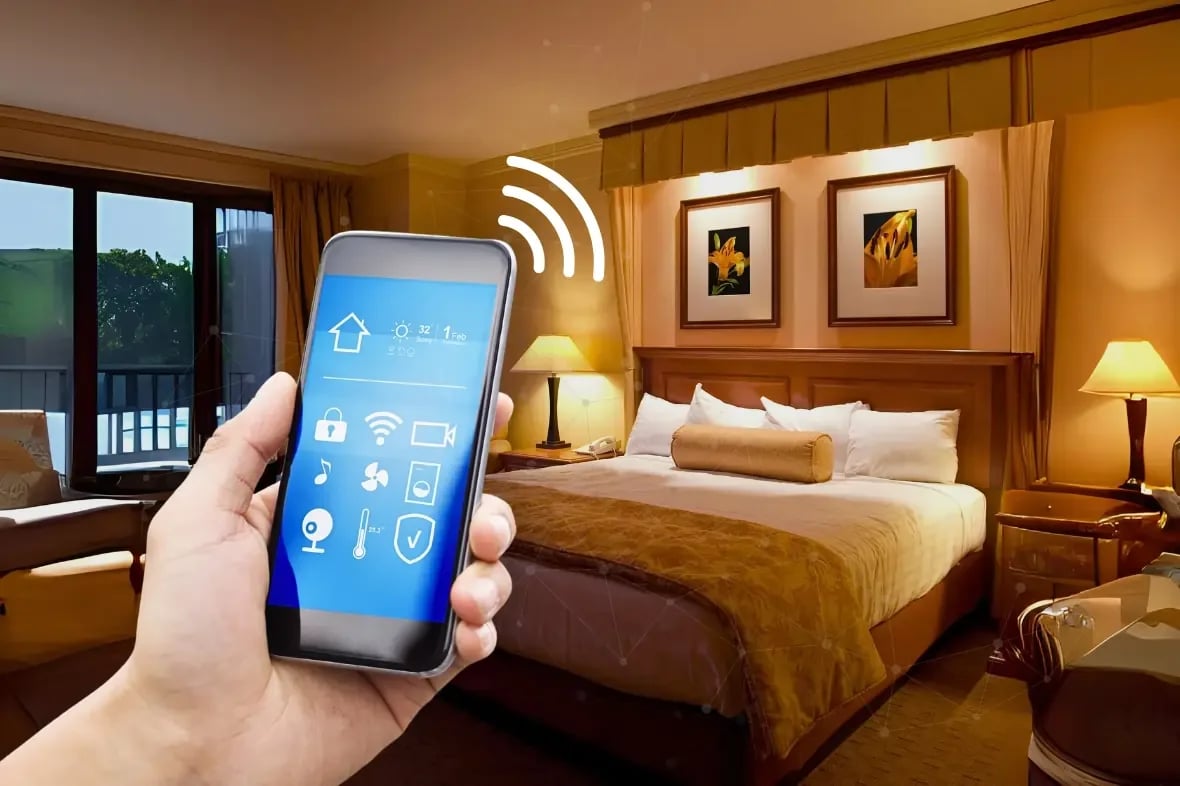
From lighting, temperature, and curtain control systems to voice assistants, smart TVs, and energy-saving sensors, IoT technology is transforming hotel rooms into a "personalised experience ecosystem". As guests increasingly prioritise convenience, seamless connectivity, and high-tech experiences, Smart Rooms are forecast to become the new standard for the luxury hospitality segment in the near future.
What is a Smart Room?
A Smart Room is a guest room model that applies IoT (Internet of Things) technology to connect and synchronise all in-room devices via the internet or a central management system. Instead of manual operation as in traditional hotels, guests can easily control multiple functions using a smartphone, tablet, or voice. The development of Smart Rooms is changing how customers experience their accommodation, moving towards greater convenience, flexibility, and personalisation.
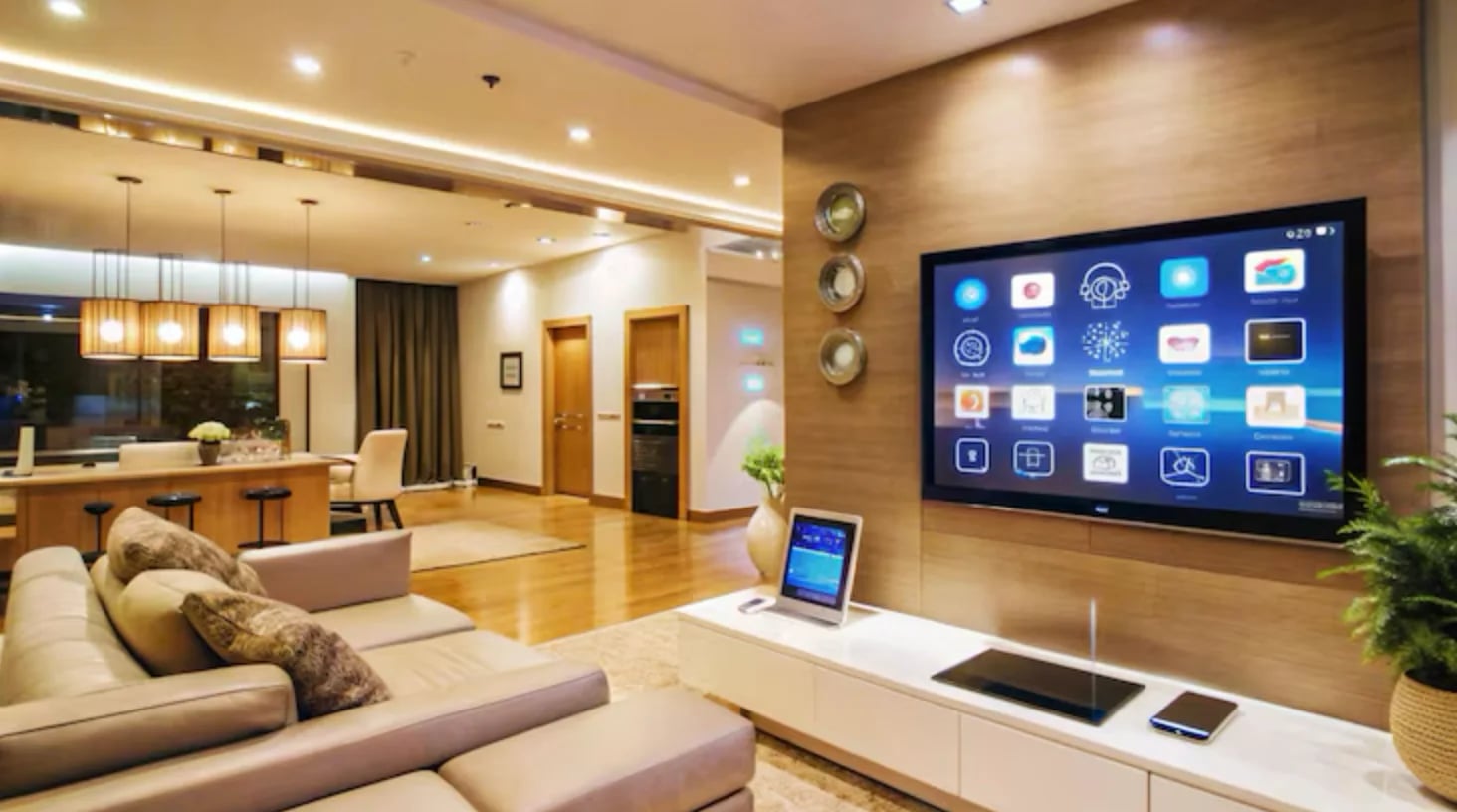
A modern Smart Room typically integrates many smart technologies such as automatic lighting control systems, multi-platform smart TVs, voice assistants, air conditioners capable of remembering user behaviour, presence sensors, smart curtains, and energy-saving solutions. Additionally, many hotels are developing digital concierges and contactless services to help guests interact with services quickly and minimise direct interaction during their stay. However, the core value of a Smart Room lies not in possessing "more technology," but in its ability to create a seamless, intuitive, and more convenient guest experience. Technology in Smart Hospitality today is designed to be "hidden," operating naturally to serve the individual needs of each guest without causing a sense of complexity or detachment. This is precisely why Smart Rooms are gradually becoming the new standard for the luxury hotel segment in the era of digital hospitality.
Why are Smart Rooms becoming a hospitality trend for 2026?
1. Customers increasingly expect a "seamless" experience
The widespread adoption of smart homes is changing user expectations for accommodation spaces. As customers become accustomed to controlling devices with their phones or voice at home, they also expect a similar experience at hotels.
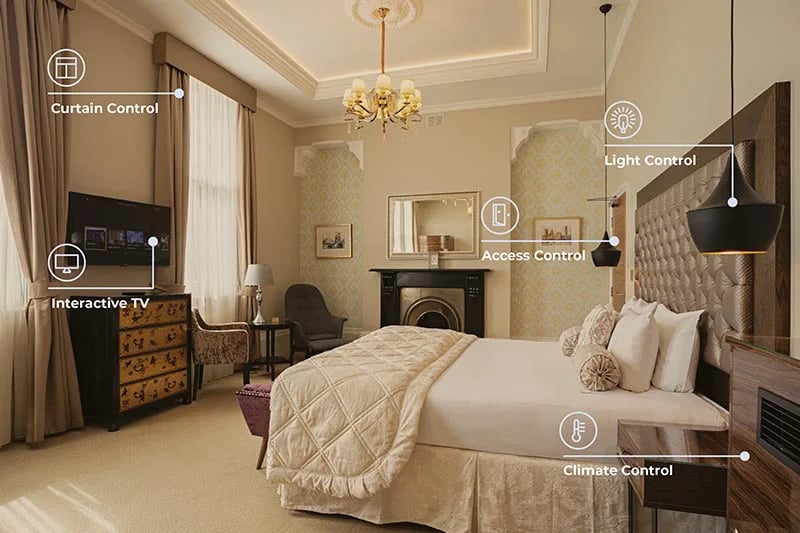
According to a report by Statista, the Smart Home market revenue in Vietnam is projected to reach approximately 378.5 million USD in 2025 and continue to grow at a CAGR of 9.64% until 2029. Concurrently, the percentage of households using smart home solutions in Vietnam is forecast to reach 76.6% by 2025. This indicates a strong shift in consumer behaviour towards smart technology and automation experiences, setting the stage for Smart Rooms to become an inevitable trend in the hospitality industry.
2. IoT helps hotels optimise operations and save costs
Beyond enhancing the guest experience, Smart Rooms also help hotels optimise operational efficiency through real-time data. According to Hotel Management, IoT is helping hotels improve:
- Energy management efficiency
- Operational automation
- Equipment maintenance monitoring
- Customer behaviour data collection
- Enhanced operational sustainability
Presence sensors can automatically adjust air conditioning and lighting when guests leave the room, significantly saving electricity costs—one of the largest operating expenses for luxury hotels. In an era where ESG and sustainable hospitality are increasingly prioritised, Smart Rooms are becoming a technological solution that helps hotels both optimise costs and enhance brand image.
3. "ComfortTech" is replacing the race for ostentatious technology
One notable change in hospitality for 2026 is that customers are no longer overly concerned with "showcase" technologies, but rather prioritise technologies that enhance comfort.
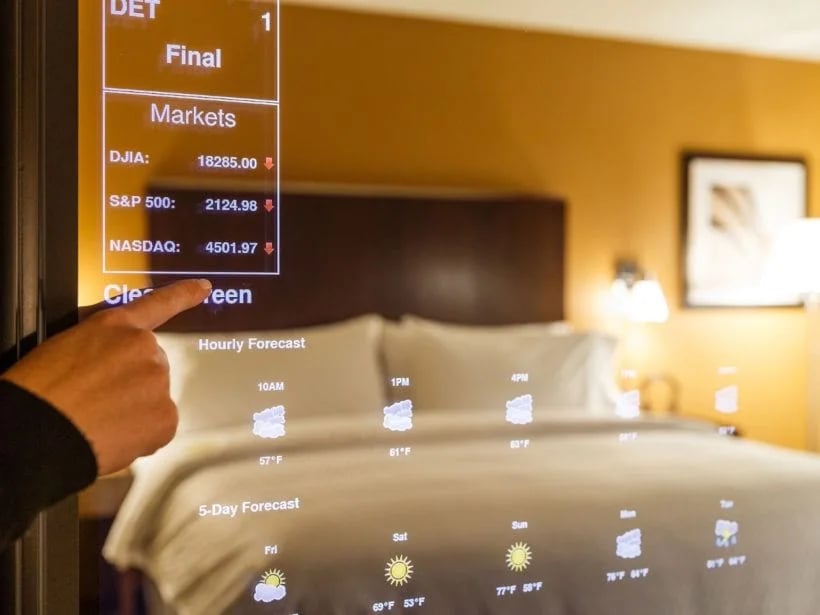
According to a survey by Hotels.com Innsights Report 2025, 56% of hotels reported feeling pressured to continuously upgrade in-room technology. However, the prominent trend now is not robots or complex automation, but "ComfortTech"—technologies focused on convenience such as smart lighting, smart TVs, personalised temperature control, and smart entertainment systems. This indicates that a successful Smart Room is not the one with the most technology, but rather where technology is integrated "invisibly" and serves the experience most naturally.
How are Smart Rooms changing hotel facilities?
Guest rooms are no longer "static spaces"
In traditional hotel models, guest room facilities are often fixed and operate according to a general script for all guests. However, with the development of IoT and Smart Hospitality, modern guest rooms can now "respond" to the behaviour and needs of each individual. Lighting systems can automatically change according to the time of day to create a relaxing atmosphere that aligns with the guest's circadian rhythm, while air conditioning is set to self-adjust based on body temperature or previous usage habits. Smart TVs can synchronise with personal streaming accounts, automatic curtains open on schedule, and sleep modes that support deeper sleep are also gradually becoming the new standard in the luxury room segment. These technologies not only enhance convenience but also transform the guest room from a mere accommodation space into a "personalised experience," where every element in the room is designed to cater to the customer's emotions and individual habits.
Data becomes the new asset of hospitality
According to Savills Global, smart building and intelligent management technologies are helping operators better understand user behaviour, thereby optimising services and enhancing customer satisfaction. In the future, Smart Rooms will not only help hotels "serve" but also predict customer needs based on data:
- Preferred room temperature
- Lighting usage habits
- Frequently watched entertainment content
- Resting times
- Service consumption behaviour
This will be the foundation for hyper-personalisation—a deeply personalising trend rapidly growing in global hospitality.
Typical Smart Room case studies in Vietnam
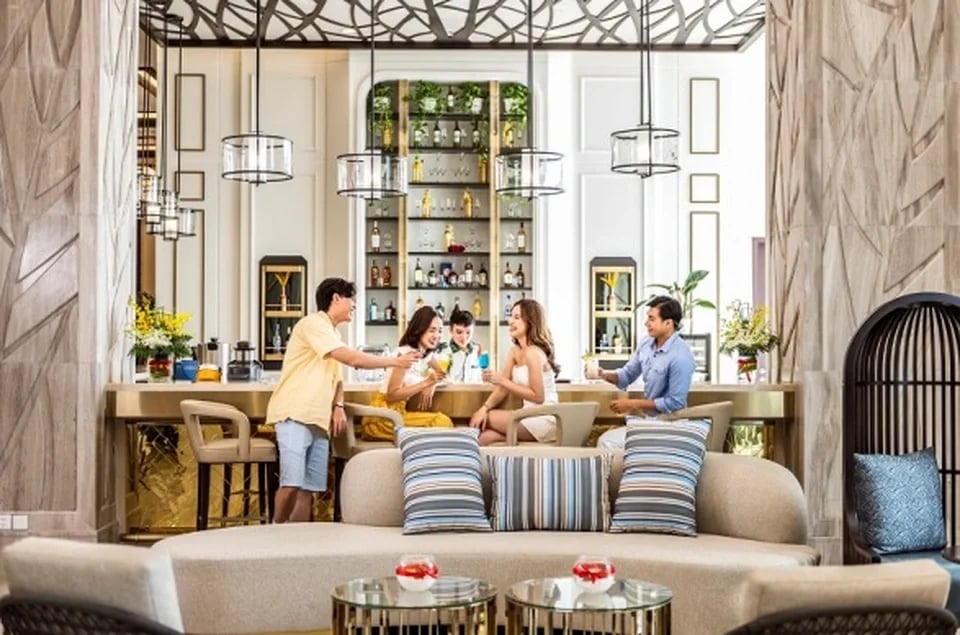
1. Vinpearl – Pioneering the application of smart hotel ecosystems
Vinpearl is one of Vietnam's pioneering brands in applying technology to the guest experience. Many Vinpearl properties have implemented smart TV systems, digital concierges, smart room locks, and integrated device control via mobile apps. This model helps standardise the customer experience across the entire resort ecosystem while enhancing operational capabilities and customer data management.
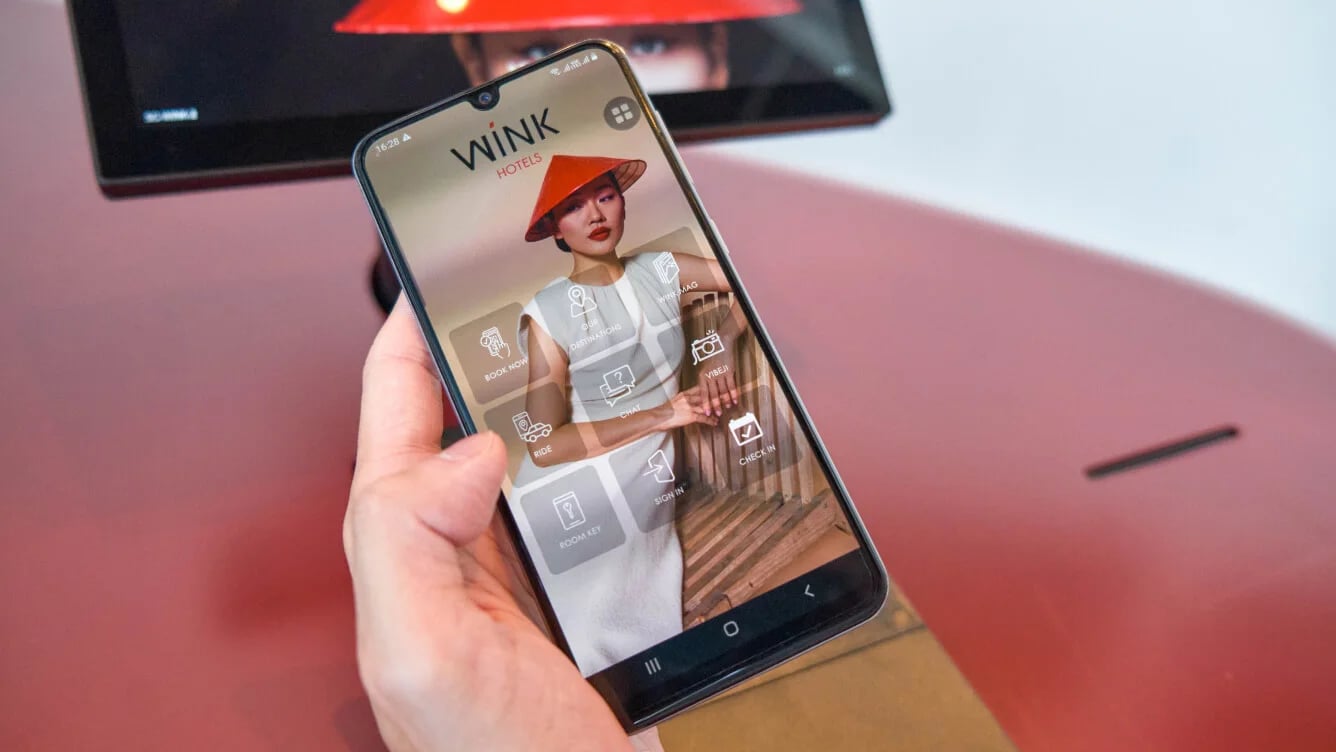
2. Wink Hotels – Digital-first hospitality for a new generation of guests
Wink Hotels is a prominent "digital-first" hotel brand in Vietnam. This hotel system focuses heavily on technological experiences with automated check-in, mobile keys, self-service kiosks, and smart management systems. This is a prime example of the hospitality trend targeting Millennials and Gen Z — a customer segment that prioritises speed, flexibility, and seamless technological experiences.
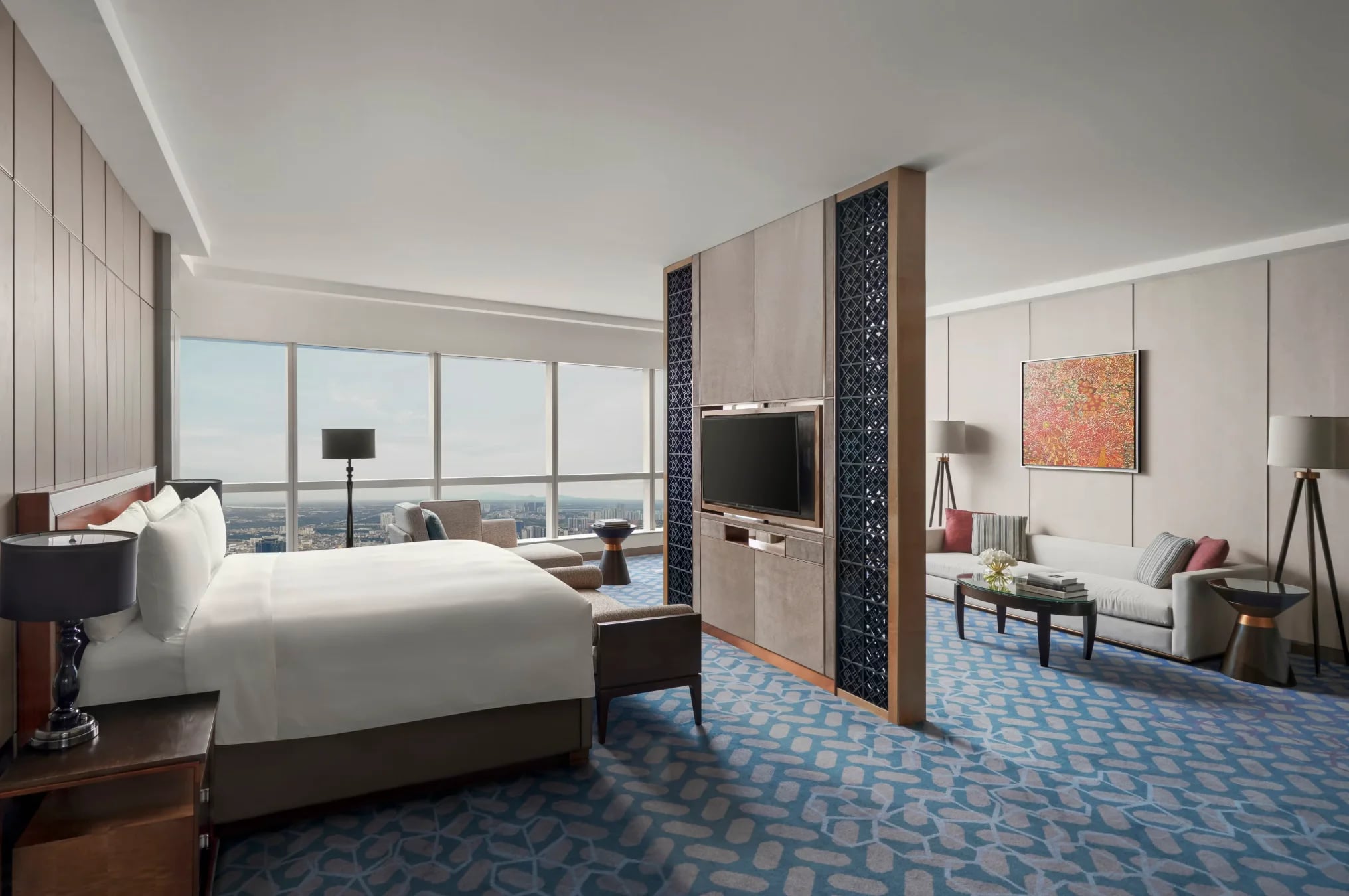
3. InterContinental Landmark72 – Smart luxury in the business hotel segment
InterContinental Hanoi Landmark72 is a prime example of combining luxury hospitality with modern technological infrastructure. The hotel utilises advanced room management systems, central control, and multi-device connectivity to serve international business travellers with high demands for technology and operational efficiency.
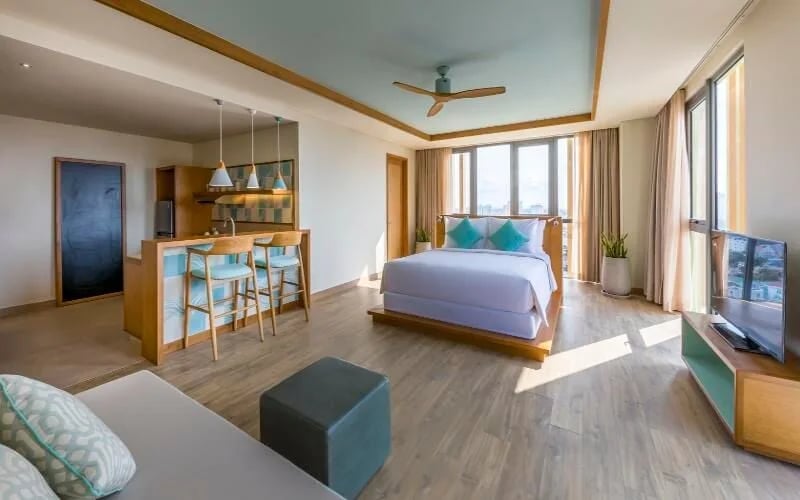
4. Fusion Suites & wellness hospitality integrating technology
Fusion Hotel Group is demonstrating a trend of combining wellness hospitality with smart hospitality. Instead of making technology a showpiece, Fusion's resort spaces prioritise "hidden" technology to optimise the relaxation experience, personalising lighting, sound, and the resting environment for guests.
Conclusion
The Smart Room is no longer a concept of the future but is gradually becoming the "new language" of the modern hospitality industry. As IoT, data, and personalisation technology continue to evolve, hotel rooms will not just be places to stay but will become intelligent, interactive spaces capable of adapting to each guest. In an increasingly competitive hospitality landscape, Smart Rooms are likely to become the new standard for the luxury hotel segment within the next 5–10 years. The future competition may no longer be about who has more amenities, but about who creates a smarter, more seamless, and more personalised guest experience. NewSun Hospitality will partner with hotels, resorts, and accommodation brands in their strategy to enhance customer experience, optimise operations, and develop modern hospitality models in line with global technological trends. If you are seeking solutions for developing Smart Rooms, Smart Hospitality, or upgrading room facilities according to IoT trends and experience personalisation, please contact NewSun Hospitality for strategic advice tailored to your operational model and brand direction.
- Hotline: +84 768 68 2913
- Email: dosm@nshm.com.vn
- Zalo OA: https://zalo.me/2452770272256938463 (NewSun Hospitality)
- Website: https://nshm.com.vn/ (NewSun Hospitality)
References:
- Deloitte. (2026). The Future of Hospitality: Navigating New Frontiers. Deloitte US. Retrieved from https://www.deloitte.com/us/en/industries/consumer/articles/future-of-hospitality-ai-innovation.html
- Hotels.com. (2025). Hotel Room Innsights Report 2025. Expedia Group. Retrieved from https://www.expedia.com/newsroom/hotels-com-survey-smart-hotel-rooms-may-have-guests-struggling-to-turn-on-the-lights/
- Hotel Management. (2025). IoT tech in hospitality: Making the right connections. Retrieved from https://www.hotelmanagement.net/tech/iot-tech-hospitality-making-right-connections
- Savills. (2021). Buildings that know what you want and when. Retrieved from https://www.savills.com/blog/article/202024-1/vietnam-eng/buildings-that-know-what-you-want-and-when.aspx
- Statista. (2025). Smart Home Market – Vietnam. Statista Market Insights. Retrieved from https://www.statista.com/outlook/cmo/smart-home/vietnam?currency=USD
- Statista. (2025). Consumer IoT – Vietnam. Statista Market Insights. Retrieved from https://www.statista.com/outlook/tmo/internet-of-things/consumer-iot/vietnam