


 VN
VN EN
ENFor many years, the luxury hospitality industry competed on room size, technological amenities, or interior opulence. However, after the pandemic and a significant shift in consumer behaviour, a new "amenity" is gradually becoming the decisive factor in the guest experience: nature. Biophilic Design is no longer simply about placing a few potted plants in the hotel lobby. It is becoming a comprehensive design and operational strategy, where natural light, greenery, water features, organic materials, fresh air, and a sense of connection with nature are integrated into every touchpoint of the guest journey.
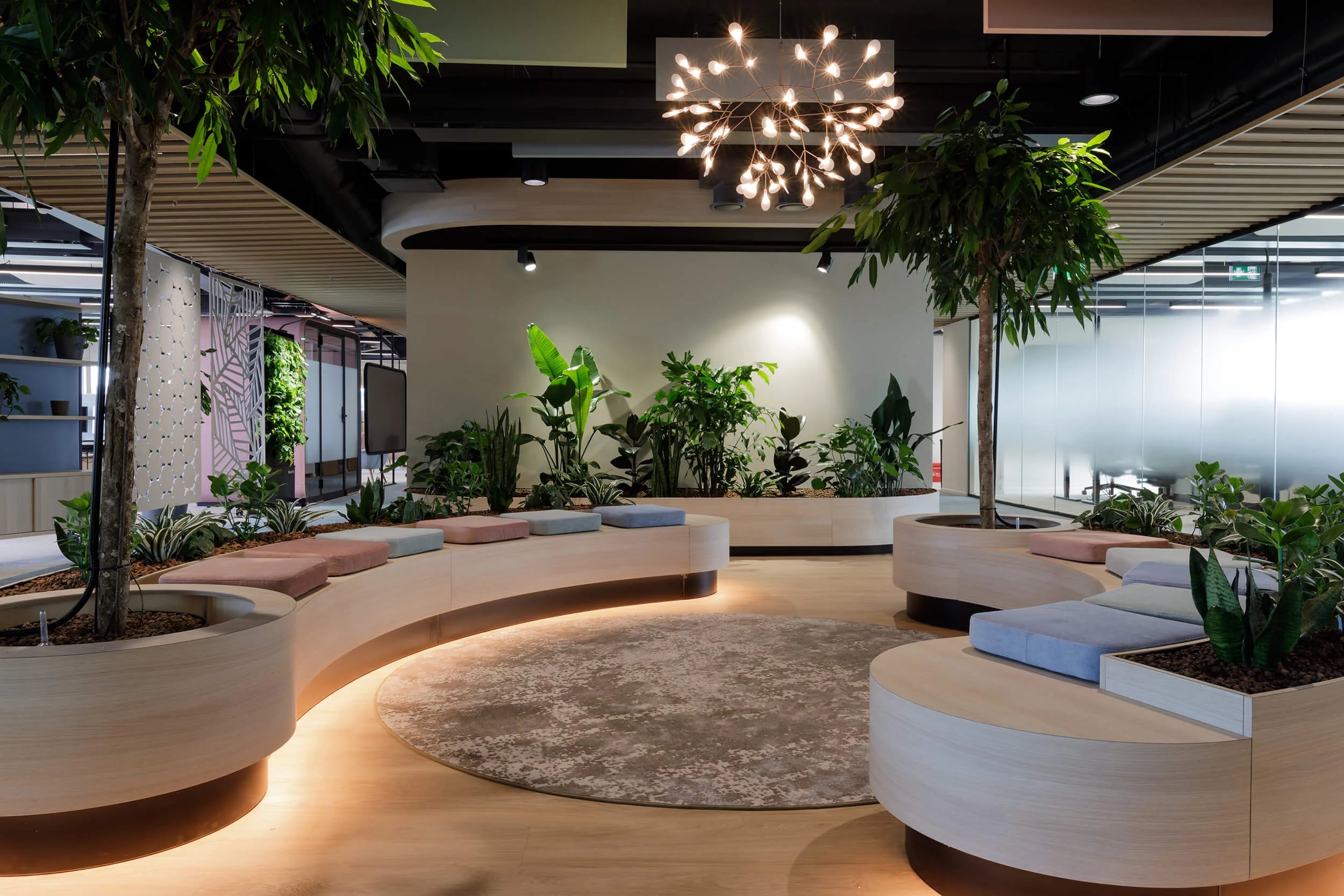
As travellers increasingly prioritise wellness, mental health, and sustainable hospitality experiences, Biophilic Design is emerging as a new "privilege" in the modern hospitality industry.
What is Biophilic Design?
Biophilic Design is a design philosophy focused on strengthening the connection between humans and nature through living spaces, architecture, and user experience. This concept originates from the term "Biophilia" – humanity's innate love for nature and living ecosystems. In the context of increasingly stressful and confined urban life, Biophilic Design is seen as a solution to help people rediscover balance, relaxation, and rejuvenation through the very spaces they experience daily.
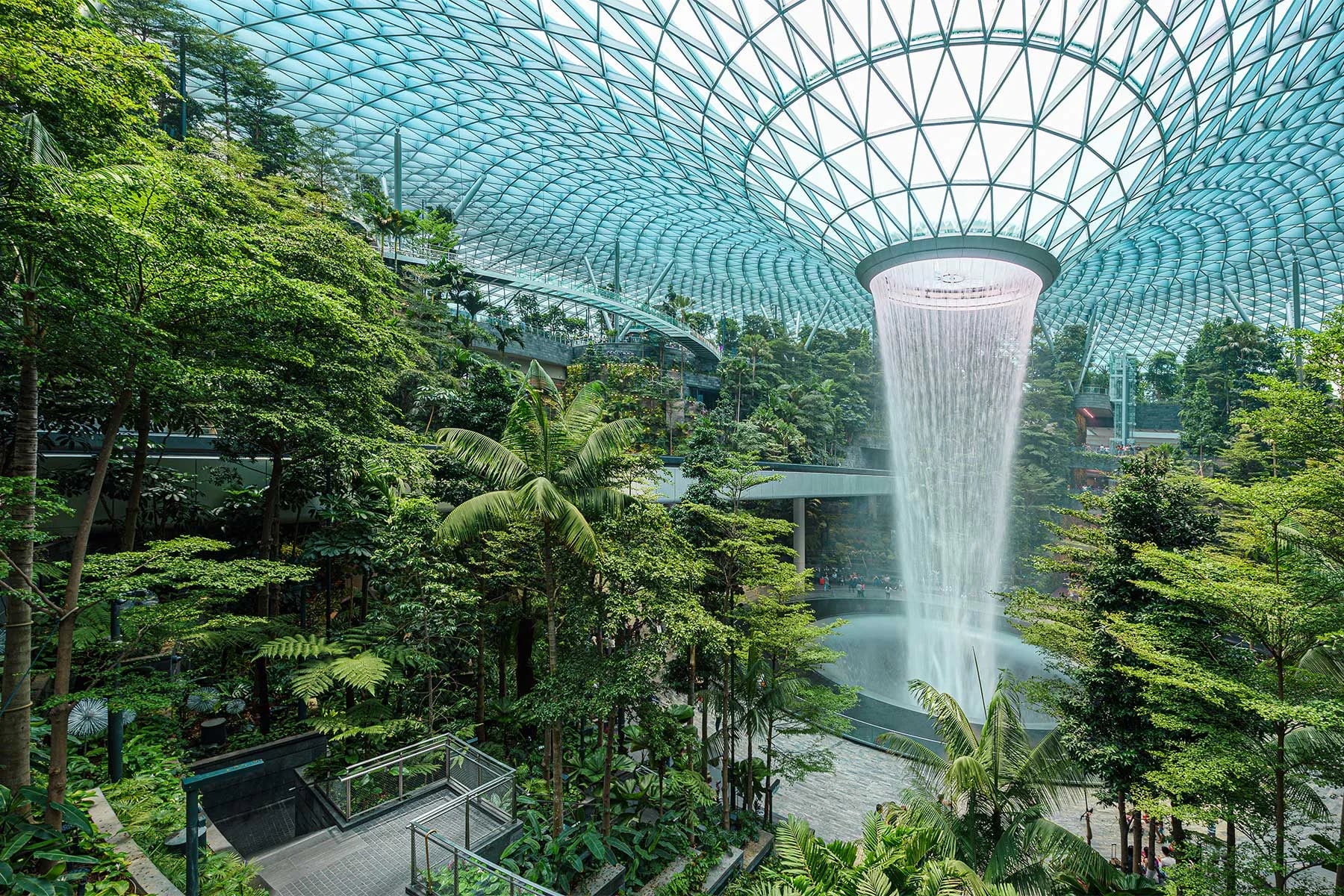
In the hospitality sector, Biophilic Design is applied through various elements such as maximising natural light, open-plan designs with natural ventilation, incorporating greenery and water features, and prioritising organic materials like wood, stone, bamboo, and rattan. Additionally, hotels and resorts embracing this trend often focus on creating visual connections with the surrounding natural landscape, fostering a sense of closeness and integration with the environment rather than separation from nature. The unique aspect of Biophilic Design is that guests don't just "see" nature, but can "feel" nature throughout their entire stay. From light, materials, sound, to air and spatial perception, every element is designed to create a "healing" experience, helping to reduce stress, improve wellbeing, and enhance the quality of their stay. This is precisely why Biophilic Design is gradually becoming one of the most important trends in the modern luxury hotel industry.
Why is Biophilic Design becoming a new trend in the hotel industry?
1. Modern guests prioritise wellness and mental health
Post-pandemic, the concept of a holiday has shifted from mere "leisure" to a strong focus on "rejuvenation". According to a report by Deloitte Global, global consumers are increasingly prioritising sustainable, wellness-oriented, and eco-friendly travel and hospitality brands. Deloitte also notes that sustainability and wellbeing are becoming crucial components of the hospitality industry's competitive strategy.
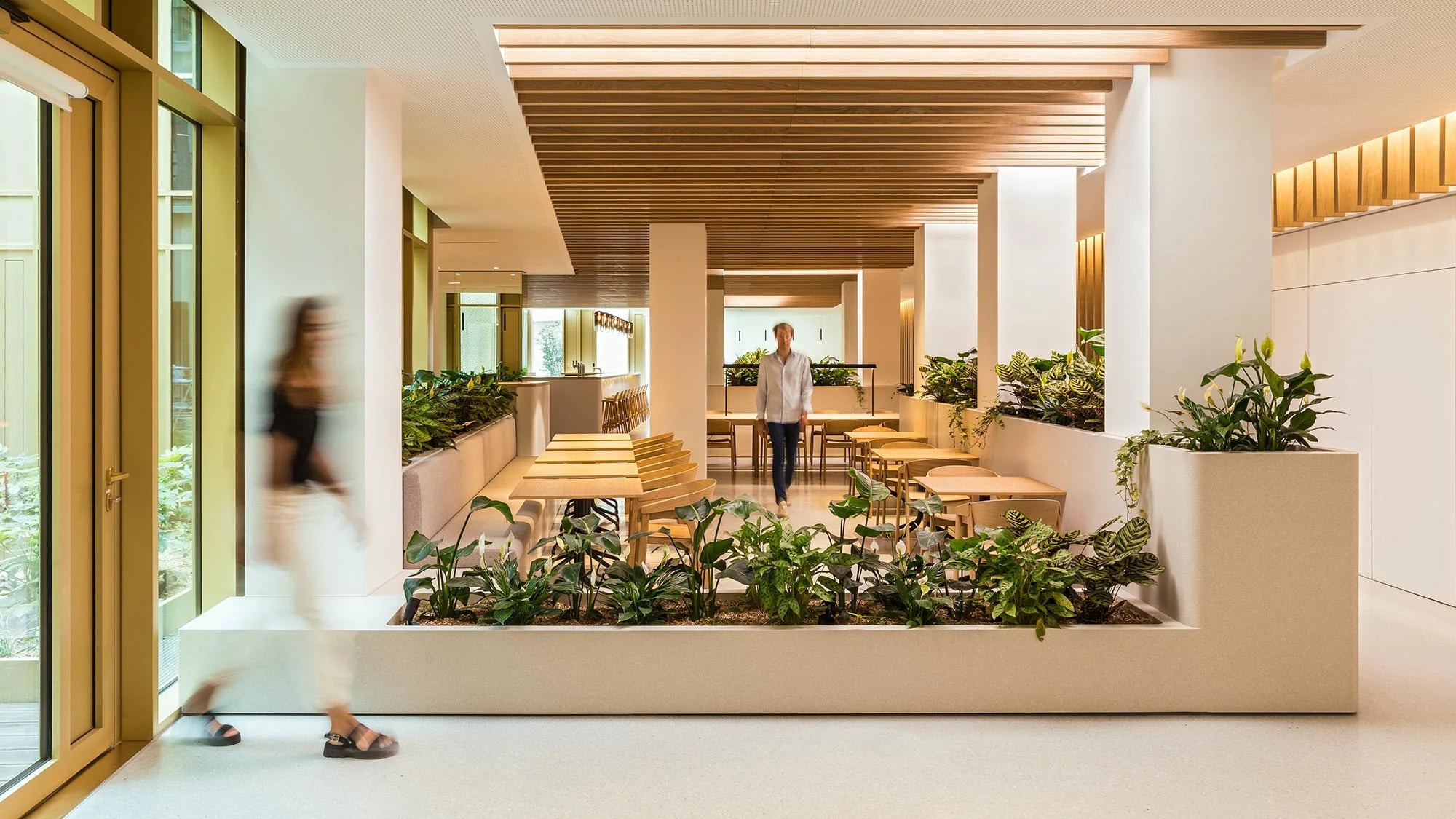
Meanwhile, a report by Savills Vietnam indicates that wellness tourism in Asia is growing more than twice as fast as the overall tourism industry. Notably, today's travellers are not just seeking spas or yoga retreats, but also prioritise spaces that offer emotional and mental "healing". This explains why hotels with abundant greenery, natural light, open spaces, or nature-inspired architecture often create a deeper sense of relaxation and receive higher ratings on booking platforms.
2. Nature is becoming the new "luxury experience"
While "luxury" was once associated with marble, chandeliers, or gilded interiors, today's high-end guests are willing to pay more for:
- A room with a green view
- Quiet spaces with abundant natural light
- Resorts integrated with nature
- "Digital detox" experiences
- A sense of balance and healing
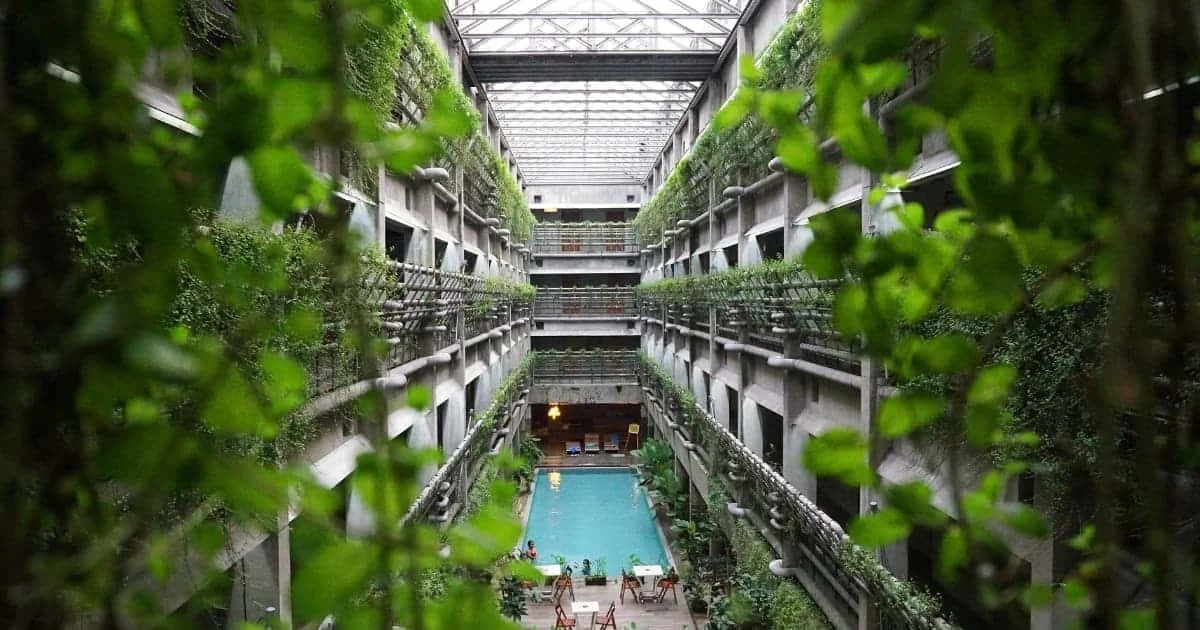
According to research cited by Savills, guests are willing to pay up to 23% more for rooms with natural elements and ecological views. Furthermore, environments applying Biophilic Design can improve wellbeing by up to 13% and increase the positive experience efficiency for users. In the hotel industry, this is a very significant figure as it shows that nature is no longer just "decoration," but has become a real commercial value.
3. When Biophilic Design is not just design, but a business strategy
One common misconception is that Biophilic Design is only suitable for eco-resorts or leisure hotels. In reality, this trend is appearing in:
- Urban hotel
- Boutique hotel
- Luxury resort
- Wellness retreat
- Serviced apartment
- Co-living hospitality
Savills notes that Millennials and Gen Z are increasingly prioritising spaces with wellness elements, natural light, good air quality, and biophilic design. This is also the main customer group for the tourism industry over the next 10 years. This means that Biophilic Design is no longer an "option," but is becoming a long-term competitive advantage.
Outstanding Biophilic Design case studies in Vietnam
1. Topas Ecolodge – Where nature becomes the core experience
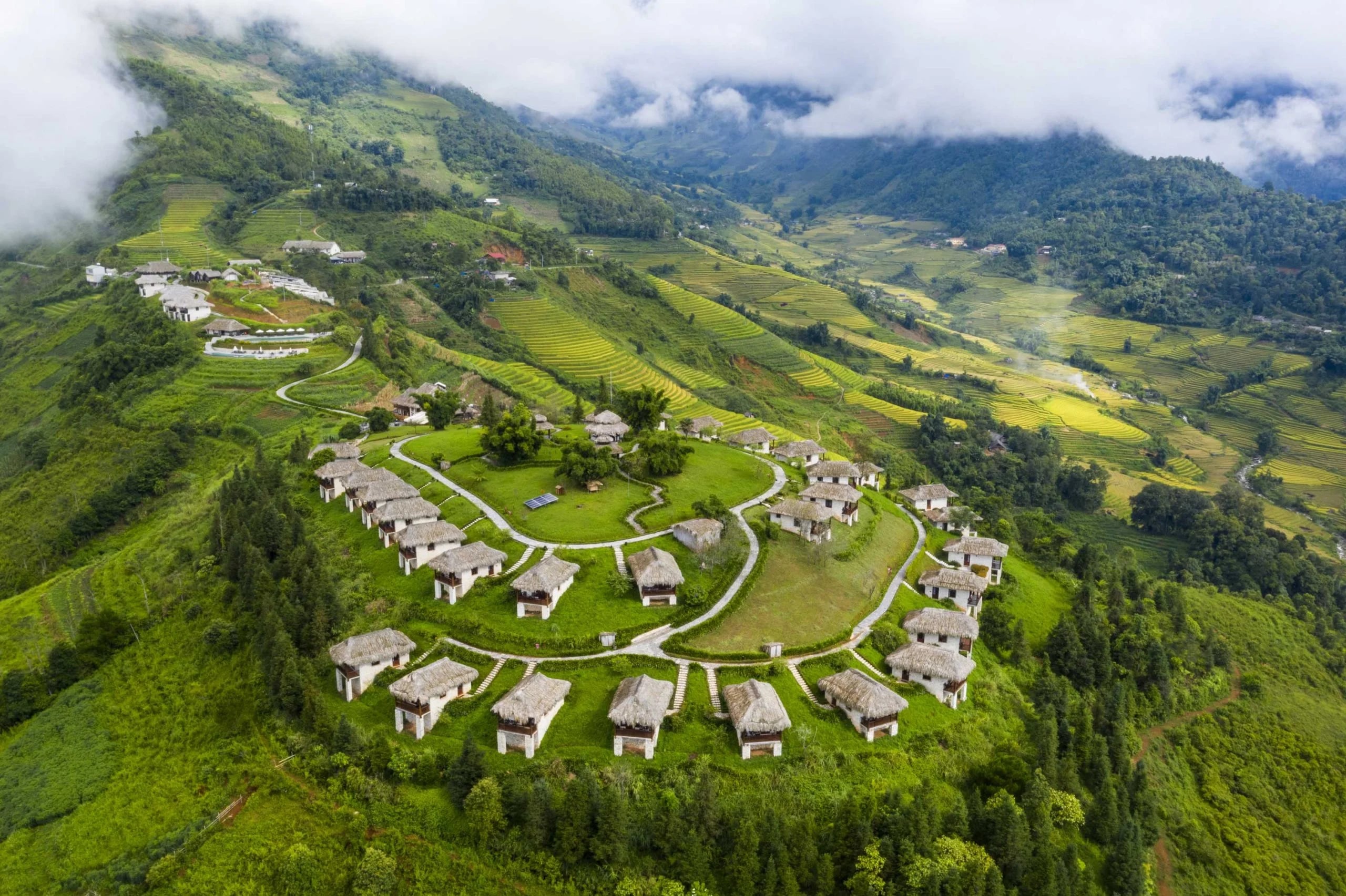
Topas Ecolodge is a prime example of the nature-integrated resort trend in Vietnam. Perched on hilltops in Sa Pa, the resort is designed in a minimalist style using local materials such as white granite, natural wood, and traditional thatched roofs, creating a rustic yet refined feel. Instead of heavily altering the landscape, the entire property is planned to blend with the natural terrain, preserving the pristine beauty of the Northwestern mountains. The experience at Topas Ecolodge does not focus on material extravagance but rather on a sense of tranquility, fresh air, expansive mountain views, and a detachment from urban life. This "nature-first" philosophy has led international media to repeatedly recognise Topas Ecolodge as one of Southeast Asia's most impressive eco-lodges.
2. Amanoi – Luxury wellness amidst pristine nature
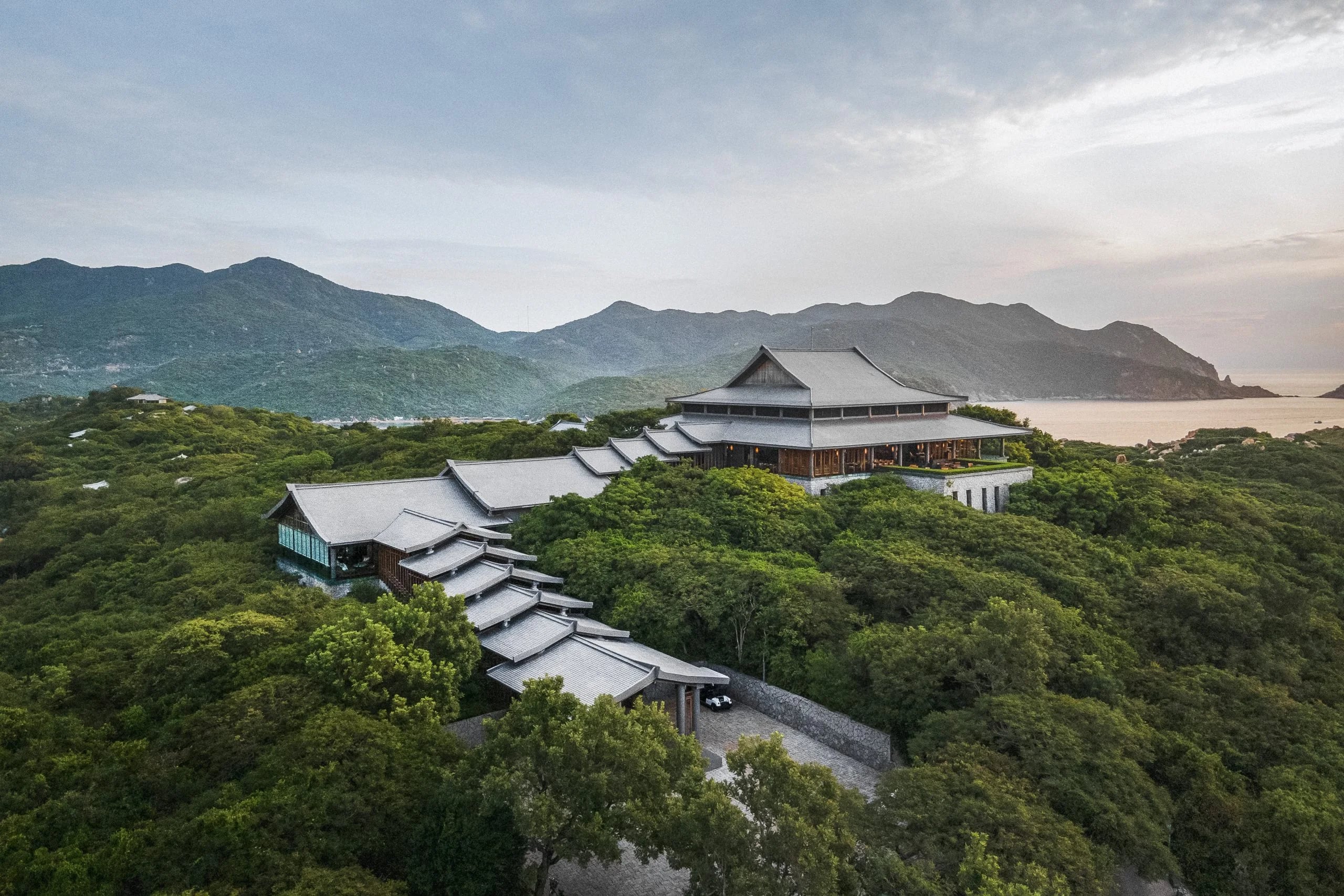
Amanoi is a prime example of the fusion of ultra-luxury, wellness hospitality, and Biophilic Design in Vietnam. Located within Nui Chua National Park, the resort maximises the natural terrain, water features, indigenous flora, and open spaces to create a nature-immersed retreat experience. Pavilions and villas are designed with generous open areas, welcoming natural light and optimising connections with the surrounding landscape, providing guests with absolute relaxation and privacy. More than just a luxury resort, Amanoi is also a pioneering resort in developing wellness retreats as a core product, where nature becomes a crucial element in guests' healing and rejuvenation journey.
3. InterContinental Danang Sun Peninsula Resort – Architecture integrated with the ecosystem
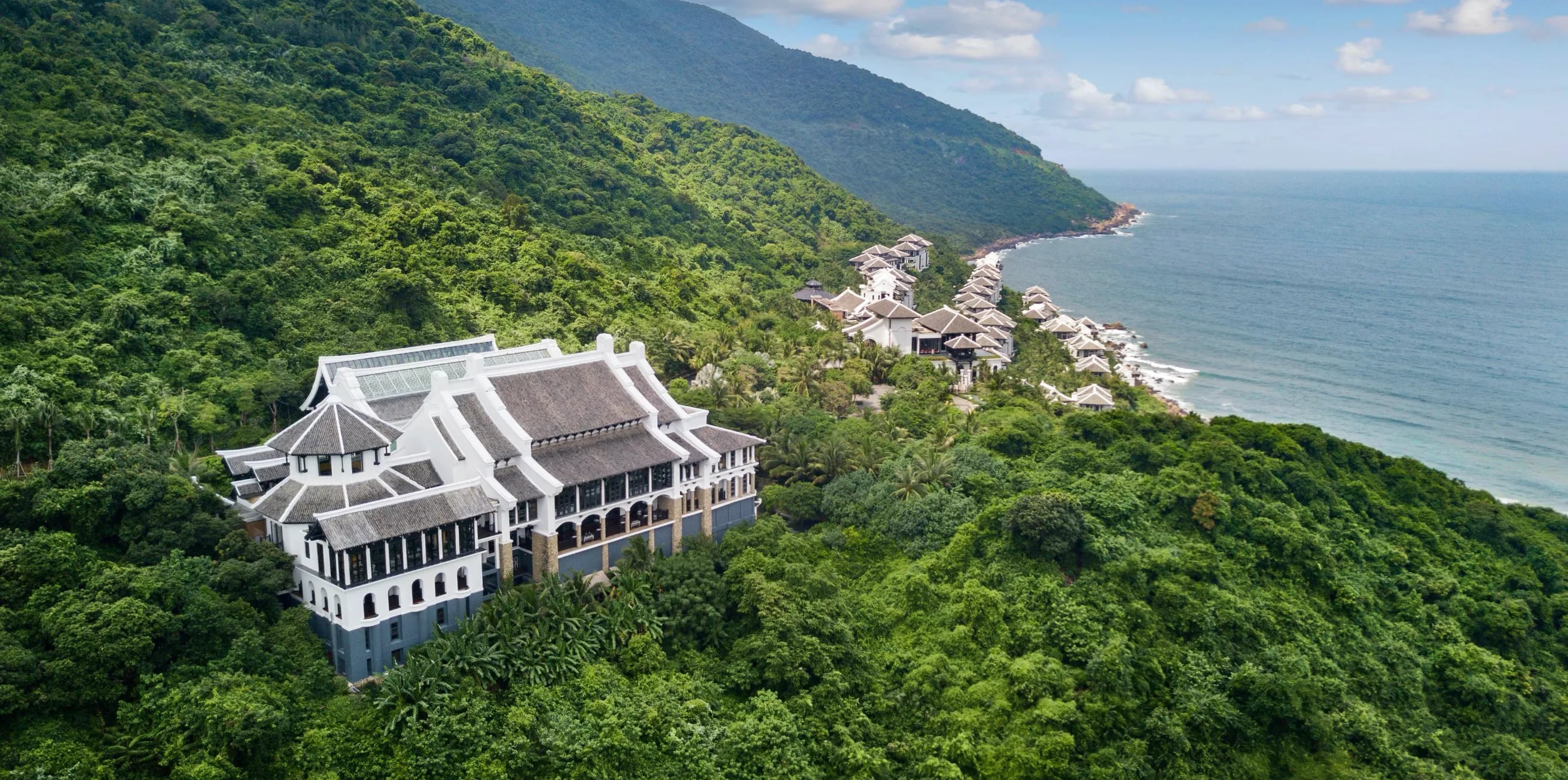
Designed by renowned architect Bill Bensley, InterContinental Danang Sun Peninsula Resort is a prominent case study in developing a luxury resort while preserving the natural ecosystem. Instead of extensive land levelling, the project leverages the natural mountain slopes of the Son Tra peninsula to build resort zones at varying elevations, maintaining a high density of greenery and optimising sea views. The entire space evokes the feeling of living in a tropical forest, where architecture and nature blend seamlessly while upholding international luxury standards. This also clearly demonstrates the Biophilic Design trend in the hospitality industry, where nature-centric experiences are becoming a differentiating factor for high-end resorts.
4. Fusion Maia Danang – Wellness hospitality and the "healing stay" philosophy
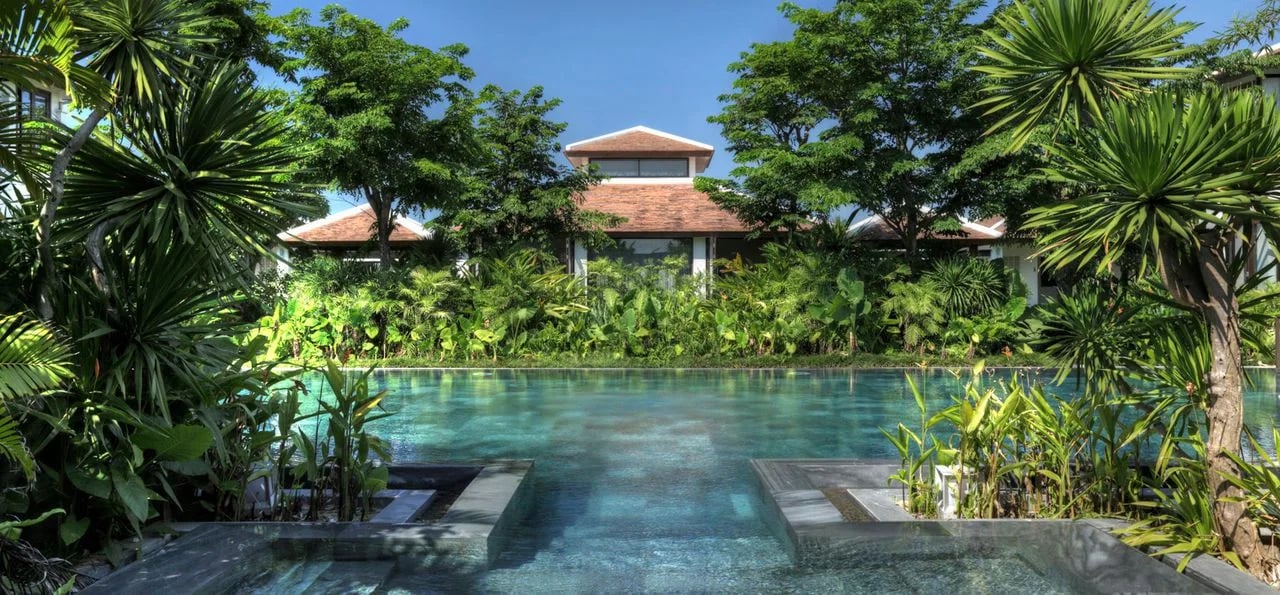
Fusion Maia Danang is a pioneering brand in Vietnam pursuing the wellness hospitality model, with a focus on healing retreat experiences. The space here is designed with a minimalist and relaxing philosophy, prioritising natural light, open spaces, organic materials, and harmonious connection with nature. Activities such as meditation, yoga, and wellness treatments are integrated directly into the stay, helping guests regain physical and mental balance. Fusion Maia demonstrates that Biophilic Design not only plays an aesthetic role in hotel design but also becomes an effective brand positioning tool in the context of rapidly growing wellness tourism.
How does Biophilic Design impact hotel business performance?
Increases RevPAR and premium pricing potential
Hotels offering excellent nature experiences often have:
- Higher average room rates
- Longer lengths of stay
- Better return rate
- Higher satisfaction levels
In an increasingly competitive accommodation market, creating "emotionally memorable" experiences is becoming a vital factor.
Increases social media virality
Spaces with abundant greenery, beautiful lighting, and nature-inspired design often generate stronger UGC (User Generated Content). Today's guests don't just book rooms for a holiday; they also do so to:
- Take photos
- Shoot videos
- Share their lifestyle
- Express their taste
This makes Biophilic Design an extremely effective natural marketing tool.
Aligns with ESG trends and sustainable development
Beyond the experiential factor, Biophilic Design also helps hotels:
- Optimise energy
- Reduce reliance on air conditioning and artificial lighting
- Improve air quality
- Increase long-term operational efficiency
According to Deloitte, sustainability is becoming an increasingly important requirement from guests, investors, and international hotel management brands alike.
Conclusion
Vietnam possesses many advantages to become a pioneering destination for nature-integrated hospitality models, thanks to its diverse topography, rich ecological resources, characteristic tropical climate, and long coastline stretching across the country. Furthermore, the leisure culture of Vietnamese people and international tourists increasingly tends towards spaces close to nature, valuing relaxation and mental balance. In a context where modern customers increasingly prioritise wellbeing, sustainability, and emotional experiences, Biophilic Design is predicted to become the "new standard" for the accommodation industry in the next 5–10 years. At that point, the competition among hotels and resorts may no longer be about possessing numerous luxurious amenities, but about the ability to create a deeper sense of relaxation, connection, and healing for guests through the spatial and natural experience itself. If your esteemed partners are seeking solutions to develop wellness or sustainable hospitality models, or to upgrade accommodation experiences in line with Biophilic Design trends, please contact NewSun Hospitality for in-depth consulting and the latest market strategies.
- Hotline: +84 768 68 2913
- Email: dosm@nshm.com.vn
- Zalo OA: https://zalo.me/2452770272256938463 (NewSun Hospitality)
- Website: https://nshm.com.vn/ (NewSun Hospitality)
References:
- Deloitte. (2025). A roadmap for sustainable hospitality. Deloitte Global. Retrieved from https://www.deloitte.com/global/en/industries/transportation/about/a-roadmap-for-sustainable-hospitality.html
- Savills Vietnam. (2021). Leveraging Wellness. Retrieved from https://www.savills.com.vn/blog/article/185403/vietnam-eng/leveraging-wellness.aspx
- Savills Vietnam. (2025). Impacts 2025: Five Years, Five Big Changes: The Trends Shaping What Tenants Want From Offices. Retrieved from https://vn.savills.com.vn/blog/article/222741/vietnam-eng/0625-5-big-changes-shaping-what-tenants-want-from-offices.aspx
- Savills Australia. (2018). Key differentiator of office buildings – What is it?. Retrieved from https://www.savills.com.au/blog/article/171628/vietnam-eng/key-differentiator-of-office-buildings-what-is-it.aspx
- Vo Truong An, D. C., & Nguyen Thi Xuan Quynh. (2025). The Future Of Wellness Tourism In Vietnam: Validating A Meditation-Integrated Sustainable Tourism Model (MISTM). International Journal of Environmental Sciences. Retrieved from https://theaspd.com/index.php/ijes/article/view/2322