


 VN
VN EN
ENIn recent years, the global hotel industry has witnessed the strong rise of "visual hospitality" – where spatial design no longer solely serves accommodation needs, but becomes a crucial marketing tool to attract customers on social media and OTA platforms. In an era where booking decisions are increasingly influenced by images, hotels have begun to invest heavily in visual elements to create "shareable moments." Iconic lobbies, rooftops with impressive views, infinity pools, elaborately designed check-in spots, and aesthetically pleasing rooms are gradually becoming "competitive weapons" in the battle for customer attention. Hotel spaces now not only need to be beautiful in reality but also prominent enough to appear on Instagram, TikTok, or travel review articles as part of a brand communication strategy.
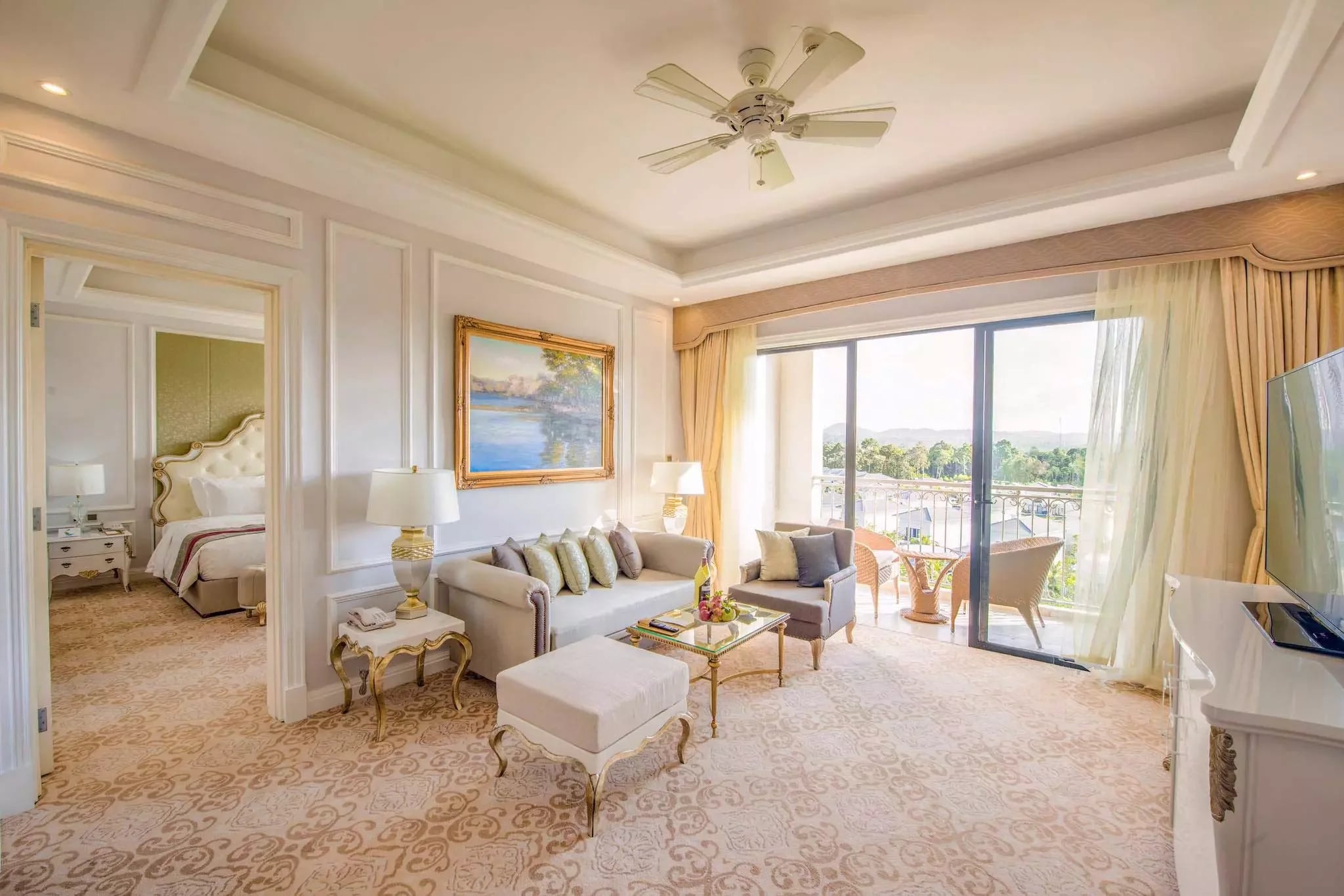
This trend reflects a significant shift in modern consumer behaviour. According to a 2024 study by Expedia Group, over 70% of Millennial and Gen Z travellers state that social media images directly influence their hotel choices. However, this strong shift towards visual thinking is also creating a new paradox in the modern hotel industry: many hotels are becoming increasingly visually appealing, but this does not necessarily translate into a better actual customer experience. Many spaces are designed primarily to be "Instagrammable," but during operation, they often present inconveniences or lack the necessary comfort for a pleasant stay. This indicates that the line between "beautiful spaces" and "spaces that deliver good experiences" sometimes does not perfectly align. In this context, a question is becoming more crucial than ever for the hospitality industry: does beautiful design truly equate to a good experience? And if not, what is the gap between "spatial aesthetics" and "experiential value" in the modern hotel industry? Reality shows that while customers may be attracted by images in the first few seconds, what determines satisfaction, repeat visits, or brand loyalty is the quality of the actual experience throughout their stay. A hotel can create a strong social media presence, but if the user experience lacks convenience, emotional connection, or fails to adequately support customers' actual needs, brand value will be very difficult to sustain long-term. This is precisely the major challenge facing the hotel industry today: how to balance "design to attract" with "design to serve the experience," and visual aesthetics with the true functional value of modern hospitality spaces.
Current Situation: When the space creates visual impact but disrupts the experience
In reality, many hotels are currently investing heavily in design as a crucial tool to differentiate their brand and enhance their appeal to customers in the digital sphere. As the hospitality industry becomes increasingly competitive in terms of visual appeal, hotel spaces are no longer merely serving as accommodation; they have become an integral part of branding and communication strategies. Styles such as luxury contemporary, minimalism, tropical resort, and lifestyle boutique are becoming increasingly prevalent, featuring high aesthetic standards, strong recognition, and excellent visual impact on social media. From the lobby, pool, and rooftop to every detail in the guest rooms, meticulous investment is made to create "visual touchpoints" that can attract customers from the first glance on Instagram, TikTok, or OTA platforms.
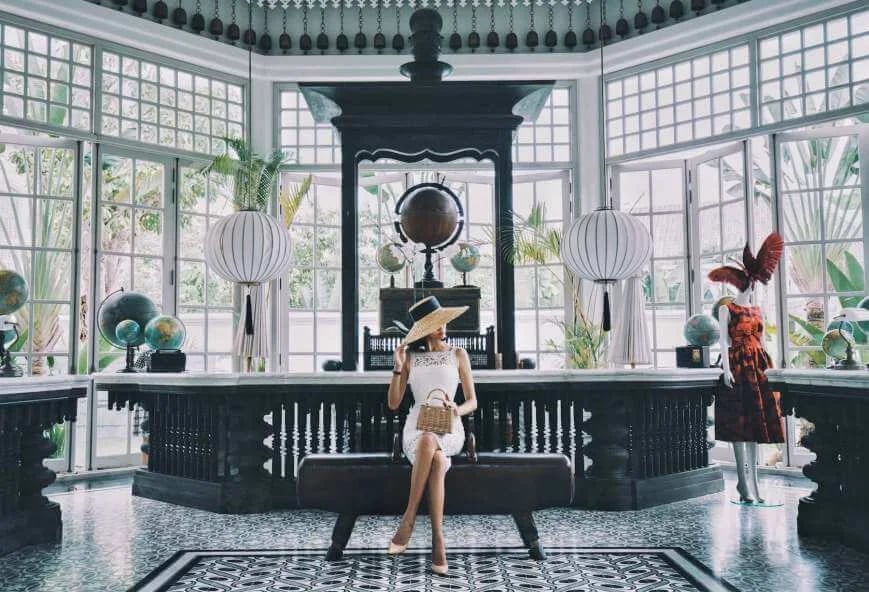
However, this intense competition in visual elements is also creating a worrying trend in the modern hotel industry: many projects are beginning to prioritise "design to be seen" over "design to be experienced." In the pursuit of visual effects and social media virality, many spaces have inadvertently placed aesthetics above the actual user experience. This leads to an increasingly clear gap between "expectations from images" and "actual experience during a stay." Customers may be strongly attracted by initial marketing images, but when they experience the hotel directly, they may find a lack of comfort, convenience, or emotional connection that they had imagined. In the hospitality industry, where actual experience determines satisfaction and the likelihood of return visits, this gap can become a significant risk to brand value. According to PwC Hospitality Trends (2024), over 61% of customers state that "comfort and convenience" influence their satisfaction more than purely visual design. This indicates that today's customers not only want a beautiful space for photos but also desire a truly comfortable and pleasant experience throughout their stay. Simultaneously, research from the Cornell Hospitality Quarterly also points out that spatial experience is only truly effective when aesthetics and operational functionality are designed concurrently, rather than developed separately. In other words, a successful hotel is not just one that creates "visual impressions," but one that can transform design into a seamless and emotionally rich real-world experience for customers.
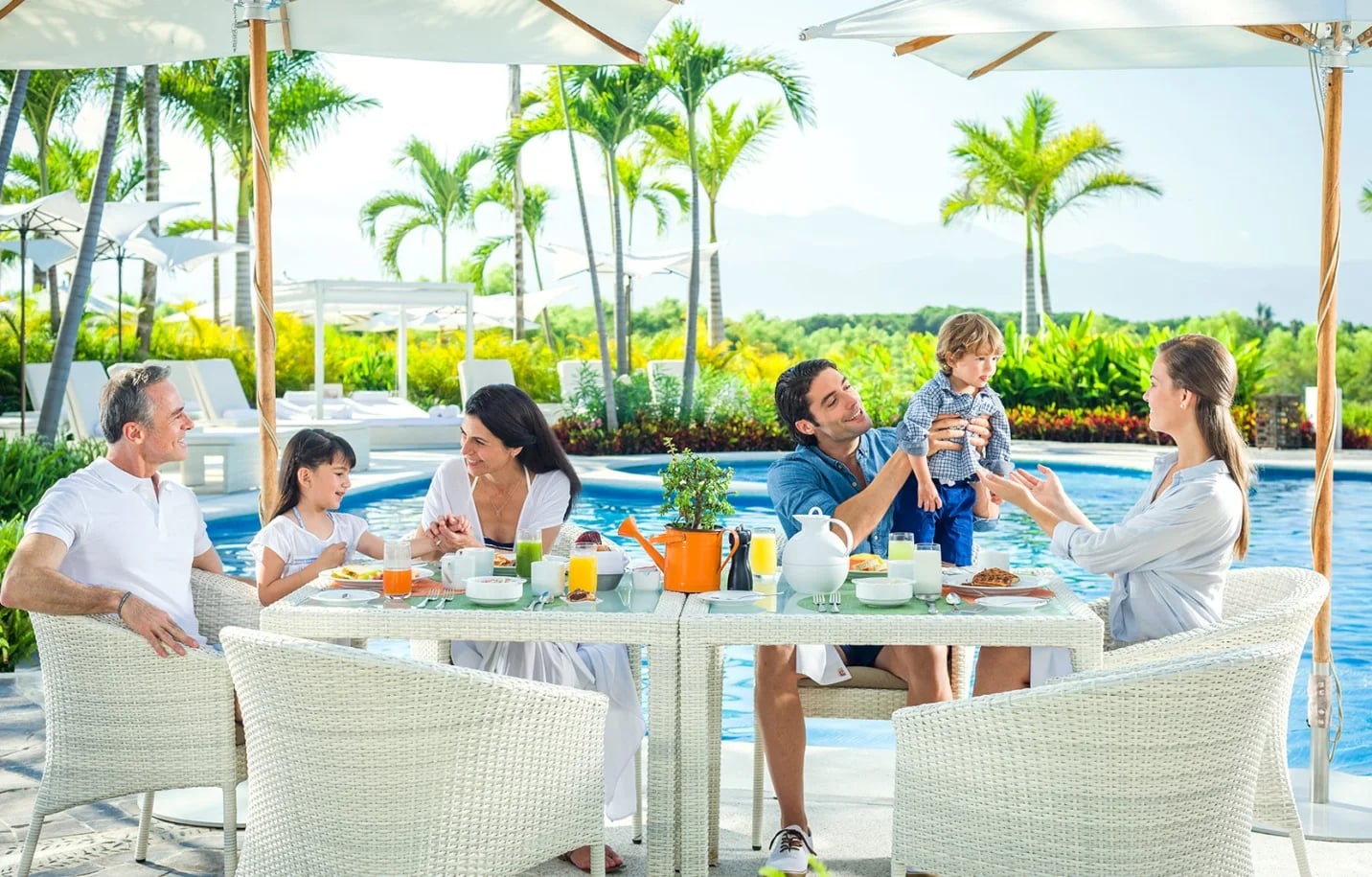
In actual operation, the "disconnection" between aesthetics and experience manifests in many different forms. A beautifully minimalist room may lack luggage storage space or have an inconvenient layout for long stays. A restaurant might have impressive artistic lighting and a visual concept but cause eye strain or discomfort for guests dining for extended periods. A bathroom might use luxurious materials, natural stone, or artistic glass but lack convenience and safety during use. Or check-in areas designed for striking visual impact in marketing may cause congestion during peak hours due to inefficient customer flow. These issues demonstrate that a beautiful space is not necessarily a "well-functioning" space in real hospitality operations. In Vietnam, the trend of "designing for visual effect" is growing very strongly, especially in the boutique hotel, lifestyle hotel, and luxury resort segments. Many brands focus heavily on visual concepts to quickly gain recognition on social media and attract young customers. This has contributed significantly to the diversity and creativity of the Vietnamese hospitality market in recent years. However, many establishments only realise after a period of operation that a beautiful space does not necessarily create a comfortable experience, and a design capable of going viral is not necessarily enough to retain customers. Because ultimately, what makes customers remember and be loyal to a hotel is not just the beautiful photos they post on social media, but the actual feeling they get when living in that space. And this is precisely the major challenge for the modern hotel industry: how to balance "impressive design" and "experience-serving design," between the visual value and the true functional value of a hospitality space.
Reason: Why do many beautiful designs lack experiential quality?
Behind the phenomenon of "beautiful but not necessarily a good experience" in the modern hotel industry are many strategic reasons, stemming from how brands approach Physical Evidence and customer experience design. In an increasingly social media-driven and image-consumption-influenced hospitality industry, many hotels are inadvertently viewing design as a tool to create visual attention rather than an integral part of the overall experience journey. This results in many spaces that, while visually impressive, lack convenience, comfort, or fail to create a sufficiently deep emotional connection with customers during actual operation.
1. Mindset prioritising "visual impact" over actual usage behaviour
One of the biggest reasons is that many current projects are developed with the goal of creating "visual impact" – that is, the ability to make a strong visual impression for marketing, communication, and increasing brand recognition on social media. In an era where a beautiful photo can quickly go viral on Instagram, TikTok, or OTAs, hotel spaces are increasingly designed to be "seen" rather than "experienced." This often makes visual elements the top priority in the concept development process. However, when aesthetics are prioritised over actual user experience, hotels can easily fall into the trap of being "beautiful for photos but difficult to live in." A space might create a strong media effect upon first sight, but if it doesn't provide comfort and convenience during the stay, the experiential value will quickly diminish after the initial impression.
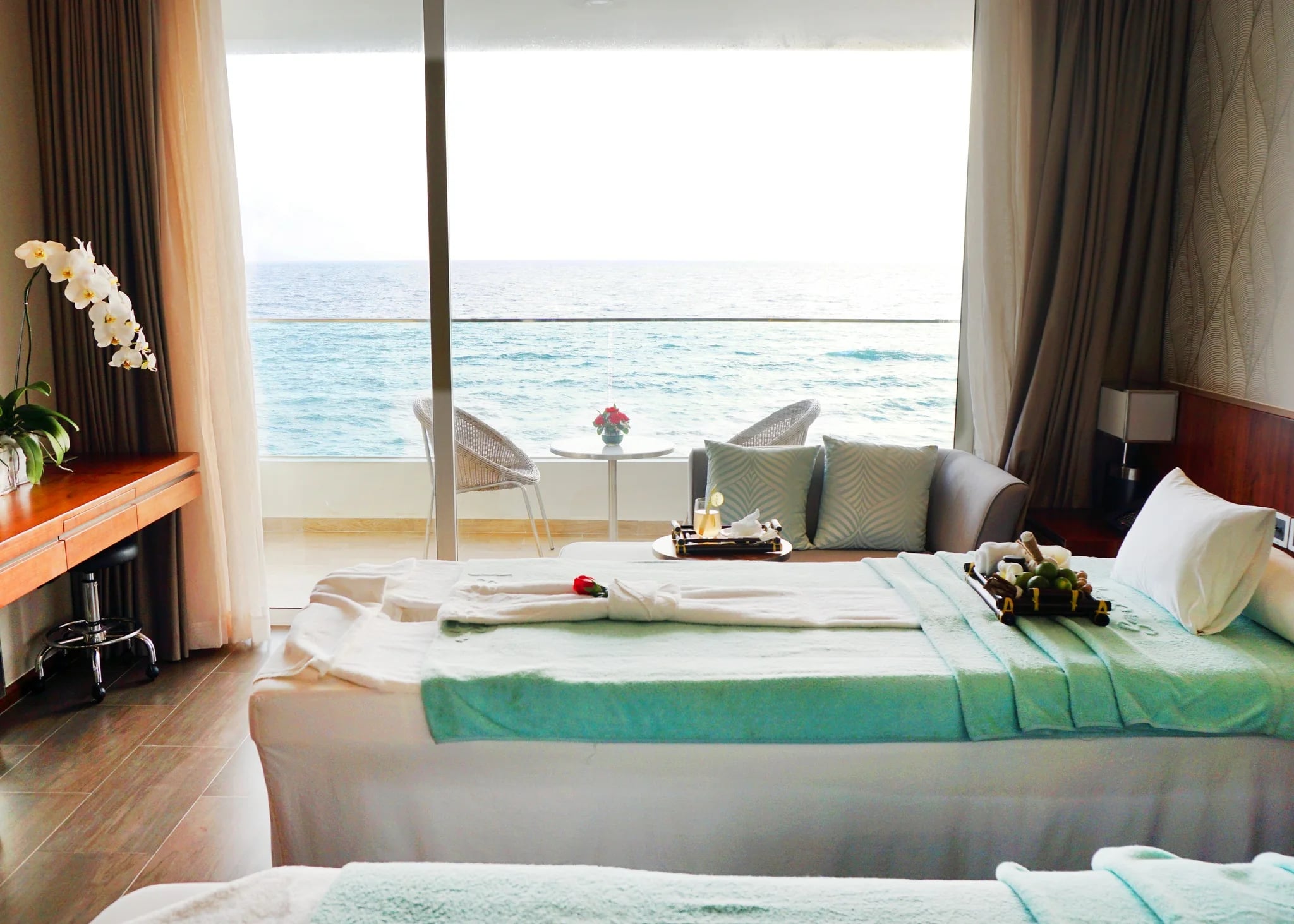
2. Lack of customer journey research during the design phase
Many hotels currently develop their spaces primarily based on aesthetic concepts or design trends, rather than starting with research into the actual customer journey. Meanwhile, an effective hospitality space not only needs to be beautiful but also must effectively support how guests move, interact, and use services at each touchpoint. The lack of customer journey analysis leads to many designs that, while visually impressive, lack logic in the actual experience. For example, inconvenient flow from the lobby to the lifts, congested check-in areas during peak hours, guest rooms lacking adequate storage space for long-stay guests, or beautifully arranged amenities that are difficult to use. These small "friction points" sometimes don't appear on design blueprints but significantly impact the customer's overall perception throughout their stay.
3. Gap between design and operations
Another important reason is the lack of connection between the design team and the operations team during hotel project development. In many projects, the design department focuses heavily on concept and brand image, while the operations team only gets involved in the later stages when the project is nearing completion. This leads to situations where the space might look beautiful on paper or in promotional images, but when put into actual operation, many issues arise related to functionality, operational flow, and customer experience. A lounge area might be architecturally impressive but lack flexibility in service; a guest room might have a subtly minimalist design but create difficulties for housekeeping during operations; or a restaurant might have a strong artistic concept but fail to optimise sound and lighting for diners. When design and operations are not developed concurrently, the actual experience can easily become "disconnected" from the initial brand image.
4. Influence of social media trends and "Instagrammable Hospitality"
The strong growth of social media is creating a new generation of hotels built with an "Instagrammable Hospitality" mindset – where spaces are designed to create shareable moments on social media. This is a positive trend from a marketing perspective, as beautiful images help brands quickly reach customers and increase natural media effectiveness. However, in the pursuit of virality, many hotels begin to over-focus on details that create visual effects, forgetting that customers don't just "look" at a space, but also "live" in it. A uniquely designed chair might look beautiful in a photo but be uncomfortable for long-term use; an artistic lighting scheme might create a luxurious feel when photographed but cause eye strain or lack relaxation in reality. This shows that the hospitality experience cannot be measured solely by its "photogenic" quality, but must be evaluated by its ability to serve customers' emotions and actual needs.
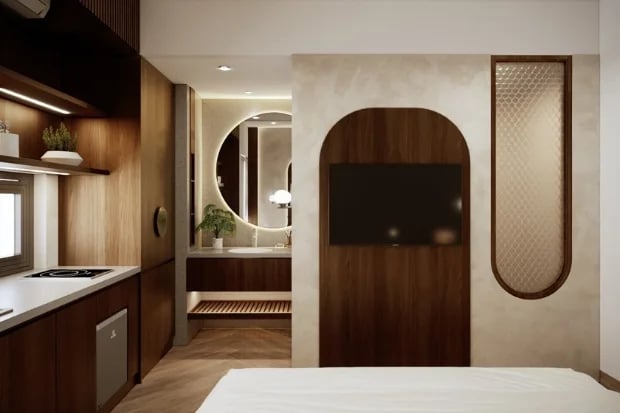
5. Lack of a balanced strategy between aesthetics, functionality, and emotion
Finally, the biggest issue lies in the fact that many hotels currently have not yet built a truly balanced strategy between aesthetics, functionality, and emotion in space design. A successful hotel is not just a "beautiful" place, but also a place that makes guests feel convenient, comfortable, and emotionally connected throughout their experience. This requires space design to be viewed as part of an overall experience strategy, rather than just an external "visual shell." However, many current projects are still limited to creating initial visual appeal, without truly investing in the depth of the experience. When a space is only beautiful on the surface but lacks comfort, convenience, and emotion, customers may be impressed at first but find it very difficult to form a long-term attachment to the brand. And in the modern hospitality industry, where experience is increasingly becoming the decisive factor in competitiveness, it is the balance between "beautiful to attract" and "good to experience" that is the key to creating sustainable value for a hotel.
Consequences: When design becomes a "beautiful shell" but fails to create experiential value
If not properly addressed, the gap between "beautiful design" and "actual experience" will not only be a matter of spatial perception but will also lead to significant consequences for the hotel's business performance, competitiveness, and long-term brand value. In the modern hospitality industry, where customers are increasingly sensitive to the overall experience, a space that is only visually appealing but lacks practical convenience and emotion will struggle to maintain a sustainable advantage. Ultimately, what customers remember is not just what they see in promotional images, but the feelings they truly experience throughout their stay.
Decline in actual customer satisfaction
Today, customers no longer judge hotel quality solely on beautiful design or superficial luxury, but on the feelings they experience at every physical touchpoint. A space can make a strong first impression, but if it lacks convenience, is inconvenient to use, or doesn't provide lasting comfort, customer satisfaction will quickly decline. Notably, this discomfort often doesn't stem from major issues, but from many small details accumulating in the experience: inappropriate lighting for rest, inconvenient room layouts, public areas that are difficult to navigate, or designs that are overly aesthetic but lack functionality. In the hotel industry, where experience is perceived through overall emotion, these small "friction points" can sometimes have a much greater impact than the initial visual appeal of the space.
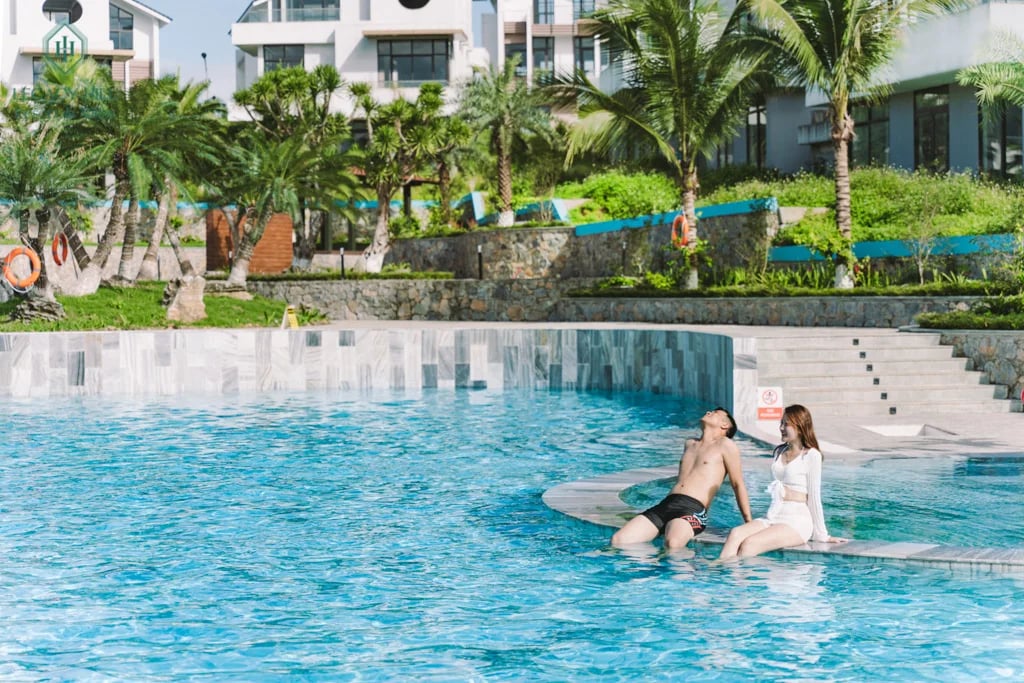
Gap between expectation and actual experience
Another significant consequence is the growing gap between customer expectations and the actual experience during their stay. In the age of OTAs and social media, customers often first encounter hotels through heavily invested visual imagery. Beautiful photos, cinematic videos, or impressive check-in spots easily create very high expectations for the experience. However, when reality doesn't match what customers imagine, the feeling of disappointment will be much stronger than with a hotel that has average media images but a good actual experience. This is a very common psychological effect in the modern hospitality industry: the higher the expectation, the more sensitive customers become to imperfections in the actual experience. Therefore, a hotel that focuses too much on an "ideal image" but underinvests in the quality of the real experience can inadvertently create a dangerous gap between the brand's communication and the customer's actual perception.
Difficulty in achieving high return guest rates
Beautiful design can help a hotel attract customers for the first time, but experience is the determining factor for repeat visits and long-term customer loyalty. According to a McKinsey study (2024), comfortable experiences and positive emotions have 2.3 times greater influence on customer loyalty than purely visual factors. This shows that the visual "wow effect" is only short-term, while feelings of comfort, convenience, and being well-cared for are what create long-lasting brand attachment. A hotel might be very prominent on social media, but if customers don't truly enjoy their stay, they will be less motivated to return or recommend it to others. In an environment where the cost of acquiring new customers is increasingly high, the inability to retain repeat guests will directly impact business efficiency and the sustainability of the hotel brand.
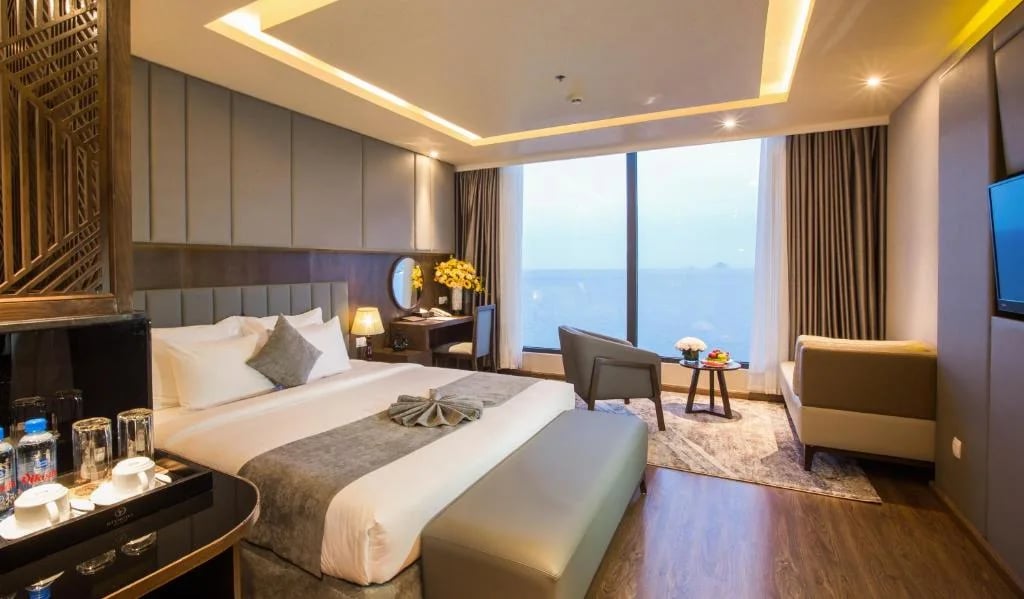
Increased operational pressure and adjustment costs
Beyond impacting the customer experience, impractical designs also create significant pressure on a hotel's internal operations. A space overly optimised for image but lacking practical application often leads to a series of issues during operation: congestion in public areas, difficulties in maintenance and cleaning, inconvenience for service staff, or a lack of flexibility when operating at high capacity. In the long run, these shortcomings not only reduce operational efficiency but also cause the hotel to incur additional costs for adjustments or earlier-than-expected renovations. In many cases, businesses are forced to "correct mistakes" after the property is put into actual operation – which is far more costly than designing it correctly from the outset. This shows that, in the modern hospitality industry, a successful space cannot be judged solely by whether it is "beautiful," but also by its ability to operate efficiently and deliver a genuine customer experience in the long term.
Solution: When design needs to start from experience rather than visuals
To address this challenge, hotels need to change their approach to Physical Evidence strategy: design is no longer just about "creating a beautiful space," but must be a process of crafting a comprehensive customer experience. This requires placing the customer journey at the centre of the design process. Each area within the hotel needs to be built based on how guests move, use, feel, and interact with the space in reality. A successful design is not only beautiful in photos but must also create a sense of comfort after many hours of use. Furthermore, there needs to be a close connection between design, operations, and brand strategy. A space is truly effective only when it ensures aesthetic appeal, optimally supports operational processes, and consistently conveys the brand's emotion.
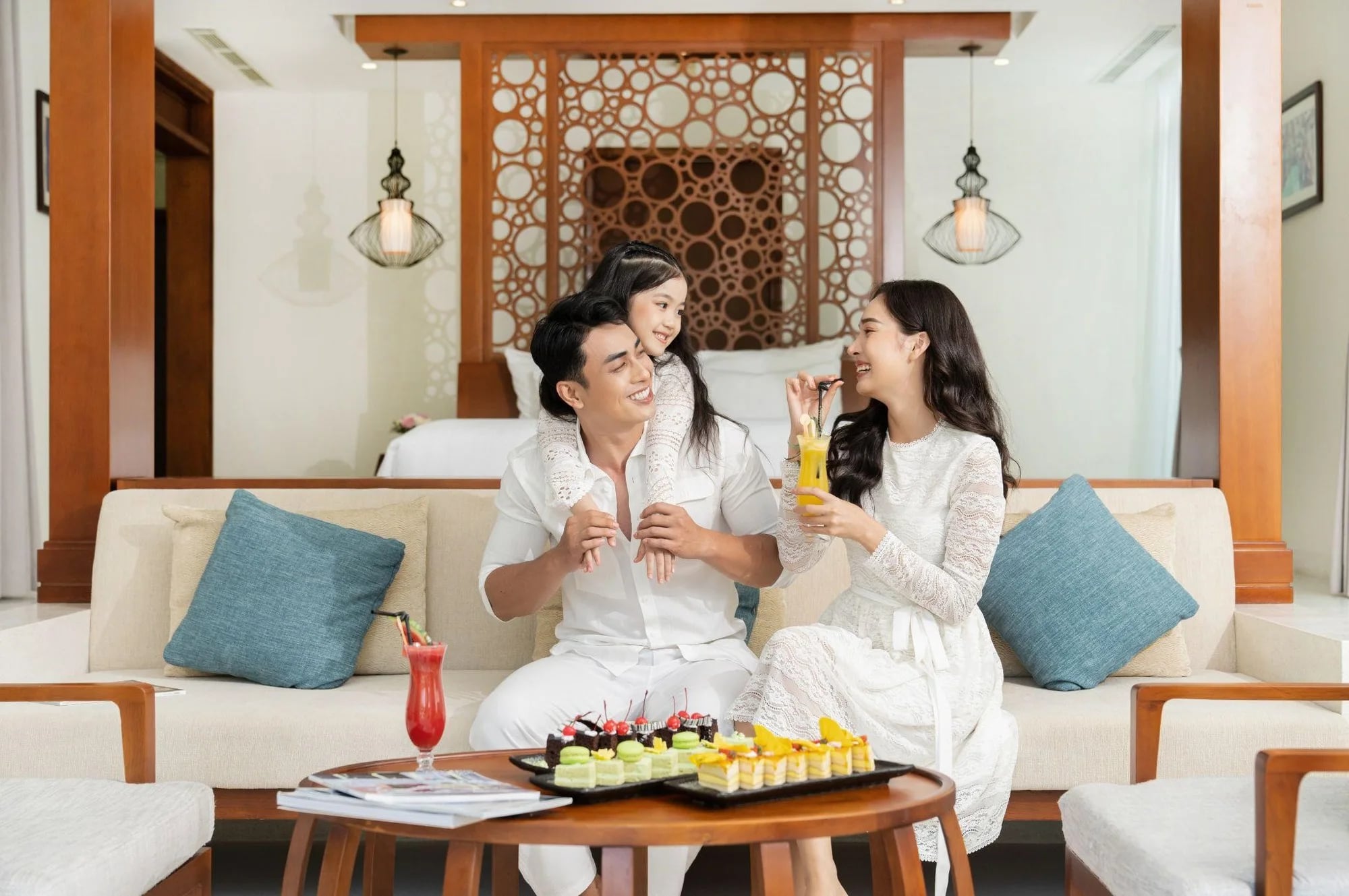
In this context, NewSun Hospitality acts as a strategic partner, helping hotels balance "spatial aesthetics" and "experiential value." Through hotel operations consulting services, customer experience optimisation, team training, and Physical Evidence strategy development, NewSun supports businesses in building spaces that are not only visually appealing but also efficient in operation and rich in experiential depth. The combination of customer behavioural data, practical operational experience, and strategic thinking ensures that each design no longer serves only marketing, but becomes part of a long-term revenue and brand-building strategy.
Conclusion:
In the modern hospitality industry, visual appeal may attract attention, but it is the experience that truly retains guests. A well-designed space is not merely a place for photos, but somewhere guests genuinely feel comfortable, connected, and eager to return. The gap between "design" and "experience" is therefore becoming one of the most critical challenges for Physical Evidence in this new era. As the hospitality industry increasingly competes on emotion rather than just amenities, design will no longer be judged by "how beautiful it is," but by "how effectively it serves the guest experience." We invite you to continue reading the next articles in our series "Decoding the Hotel Physical Evidence Strategy" to further explore the factors directly impacting guest experience, operational efficiency, and revenue strategy in the modern hotel industry.
- Hotline: +84 768 68 2913
- Email: dosm@nshm.com.vn
- Zalo OA: https://zalo.me/2452770272256938463 (NewSun Hospitality)
- Website: https://nshm.com.vn/ (NewSun Hospitality)
References
- Cornell Hospitality Quarterly. (2023). Hospitality Design and Customer Experience Research.
- McKinsey & Company. (2024). The Future of Hospitality Experience.
- PwC. (2024). Hospitality Trends and Customer Expectations Report.
- Deloitte. (2024). Global Hotel Industry Outlook.