


 VN
VN EN
ENFor many years, the global hotel industry has entered a period of strong growth, marked by the rise of internationalised design standards. 4–5 star hotels are increasingly well-invested, from premium materials and modern design language to integrated amenity systems and service experiences standardised to global benchmarks. This development not only elevates the quality of accommodation but also reflects the strong integration trend of the hospitality industry in the new era. However, this very process of "globalising the experience" is creating a thought-provoking paradox: the more luxurious and modern they become, the more hotels start to resemble each other. Whether in Hanoi, Bangkok, Singapore, or Dubai, guests can easily find opulent marble-clad lobbies, warm golden lighting, minimalist international-style interiors, or spaces designed to be "Instagrammable." All are beautiful, meticulous, and classy, but at the same time, they blur the boundaries of identity between destinations.
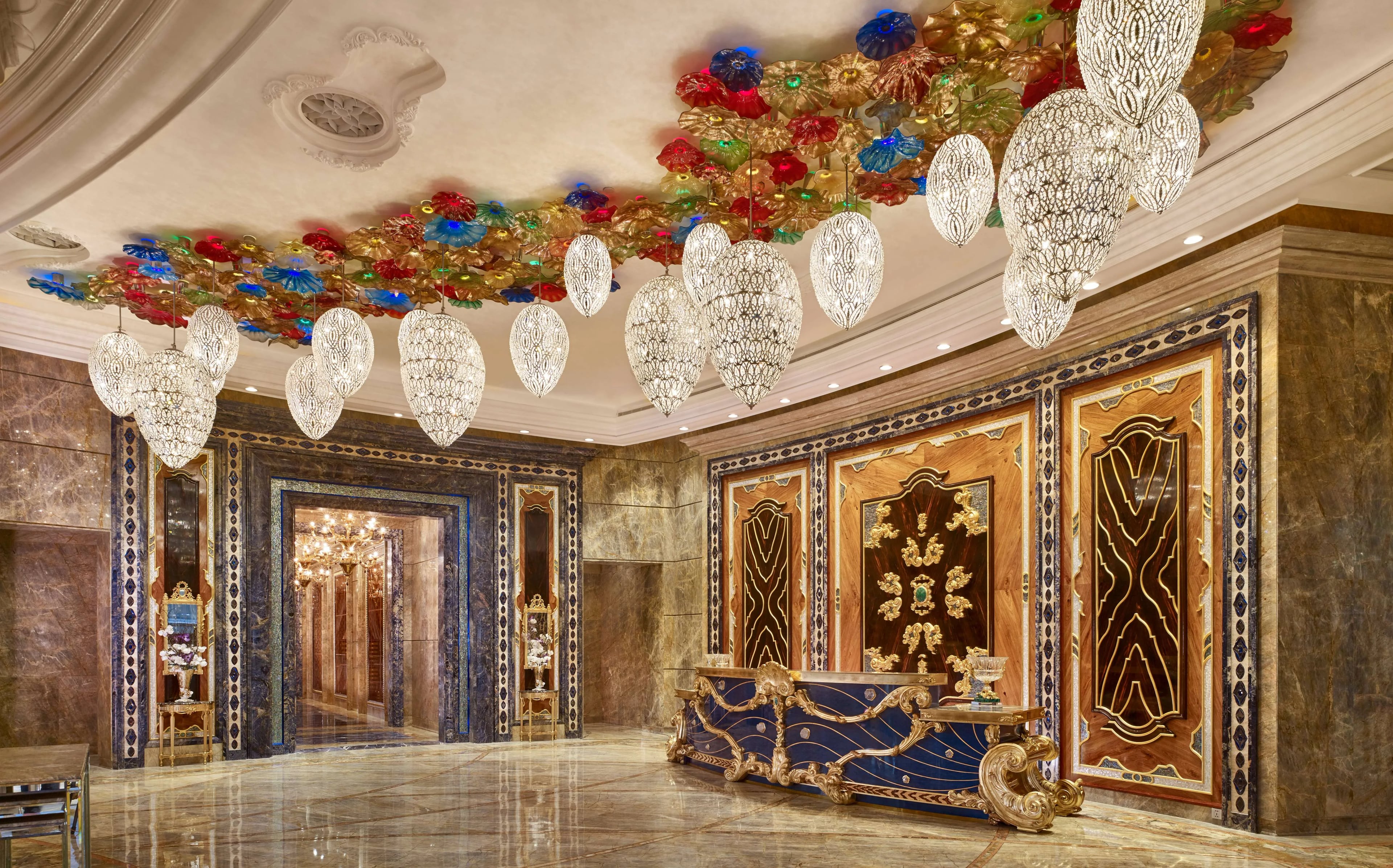
Today's guests are not just looking for a place to rest; they also want to experience the spirit of the destination they visit. However, when every experience is "packaged" with the same design and operational formula, the sense of connection to the local area gradually diminishes. A room may be functionally perfect, but sometimes it leaves no emotional memory of the place the guest has just experienced. In this context, "Sense of Place" – the feeling of belonging to a specific location – is becoming one of the most crucial elements in the Physical Evidence strategy of modern hotels. This is no longer merely about aesthetics or décor; it's about how a space can convey local culture, history, rhythm of life, and spirit through every design detail, material, scent, sound, or service experience. The challenge for hotel brands today is no longer just about "beautiful design," but rather: how can each hotel tell the unique story of the land where it exists, so that each stay is not just a trip, but a journey to authentically experience the local identity?
Current Situation: When Luxury Hotels Lose Their "Local Soul"
In reality, many hotels today are falling into what can be termed "industrial luxury," where premium quality is built upon global design standards but lacks cultural depth and local identity. Spaces are meticulously finished with expensive materials, luxurious lighting, modern furnishings, and professional operational processes, yet the overall experience lacks a sense of "uniqueness" and "belonging." Guests may be easily impressed by a hotel's superficial beauty, but after their stay, they struggle to recall what truly differentiated it from dozens of other luxury hotels worldwide. This homogenisation in design inadvertently causes many brands to lose the emotional element that is the core value of the hospitality industry.
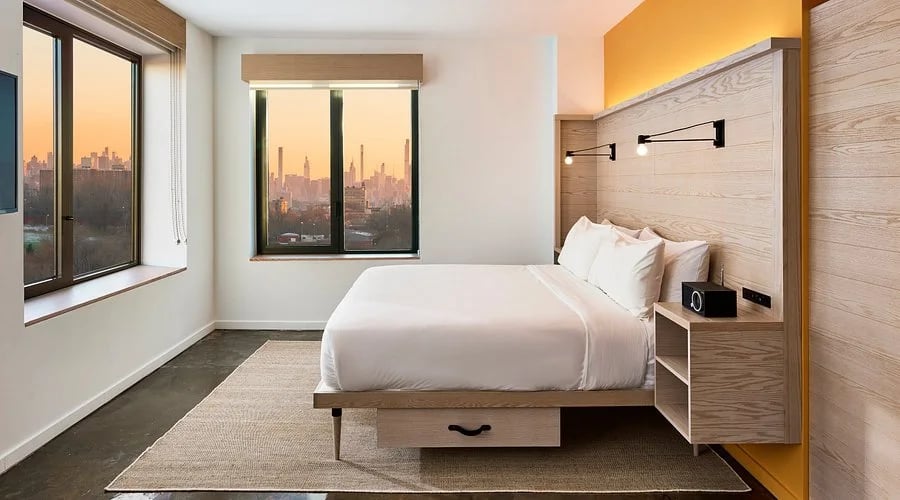
This trend is occurring amidst significant shifts in global travel behaviour. According to Booking.com's 2025 travel trends report, 74% of global travellers state they desire authentic local cultural experiences during their stays, rather than merely seeking convenience. Concurrently, research from McKinsey & Company indicates that luxury consumers increasingly prioritise "authentic" experiences – those that are genuine, rich in local character, and culturally profound – over superficial luxury. Notably, Millennials and Gen Z, who constitute a growing proportion of the luxury travel segment, tend to value hotels that can tell the story of a destination through design, experience, and emotion. This suggests that in the future, "luxury" will no longer be measured solely by expense or glamour, but by its ability to create memories and connections with the local area. However, in many 4–5 star hotels today, local elements primarily appear as "surface decoration." This might include a few traditional patterns on walls, a local artwork in the lobby, or a regional specialty dish in the breakfast buffet. While these details create certain visual accents, they are insufficient to form a truly cohesive and profound cultural experience. Local identity then exists merely as a "decor" layer, rather than becoming the soul of the space. In contrast, a true "Sense of Place" needs to be felt throughout the entire guest journey, from architecture, materials, sounds, and scents, to how staff narrate the story of the land where the hotel resides.
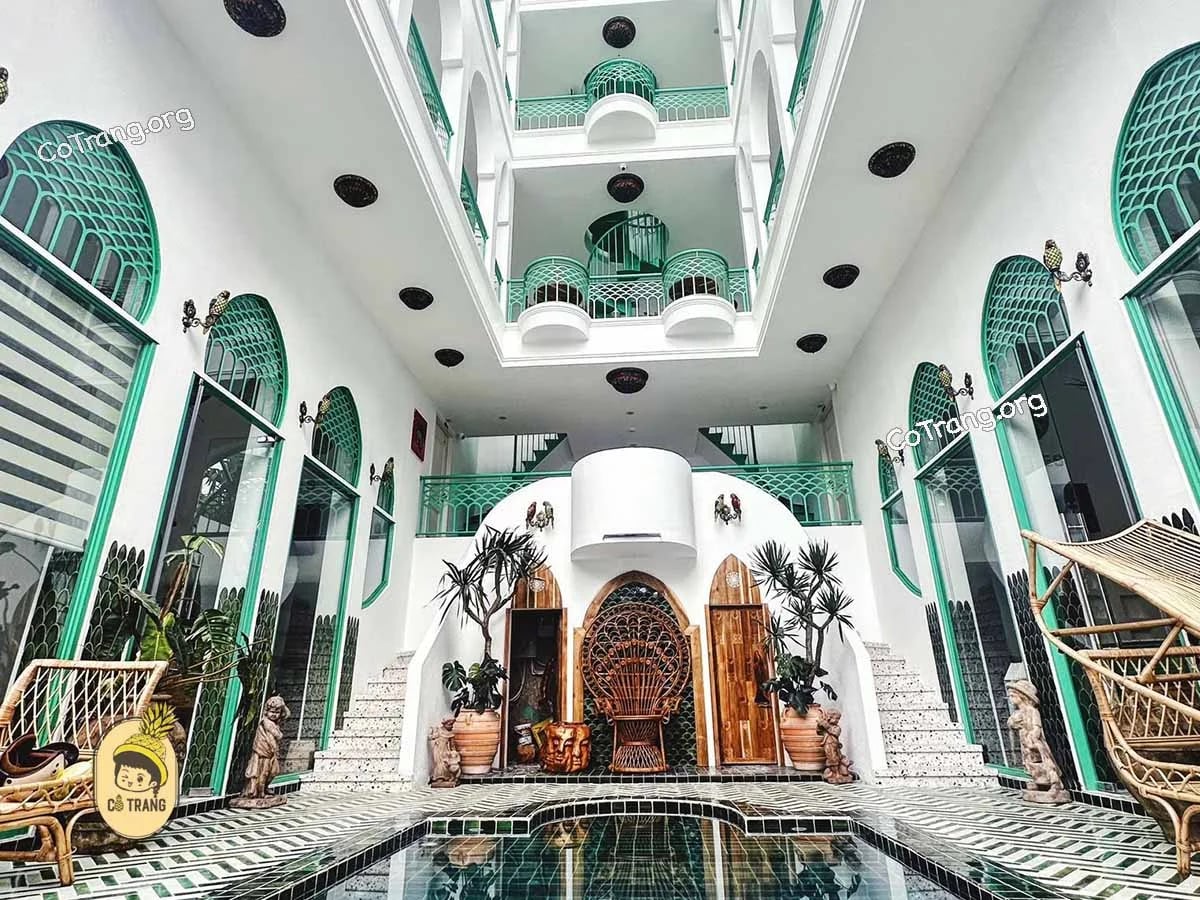
In Vietnam, the "copy-paste luxury" trend is also quite prevalent in many hotel and resort projects. Numerous developments are designed based on existing international models to ensure investment safety, ease of sales, and quick market entry. However, this very approach inadvertently blurs the destination's identity – an element that should be Vietnam's greatest competitive advantage in tourism. The consequence is that many hotels, though beautiful and luxurious, fail to leave a lasting emotional impression on guests. Guests might remember that their stay was "very beautiful," but not which city they were in, what unique experiences they had, or what emotions were associated with that place. In a market where experience is becoming the decisive factor for brand value, being "beautiful but unmemorable" is the biggest risk for modern hotels.
Reason: Why are many hotels "beautiful but unremarkable"?
The lack of a "Sense of Place" in many hotels today is not merely a design issue; it stems from strategic reasons within modern hospitality development thinking. As the hotel industry becomes increasingly competitive, many brands prioritise operational efficiency, speed of implementation, and investment safety over building a unique experiential identity. This results in many hotels, despite significant investment, luxurious design, and professional service, lacking a "soul" – the element that creates emotion and memories for guests.
- International standardisation prioritised over local identity
For many years, international standardisation has been the dominant trend in the global hotel industry. Many investors choose international design models to ensure safety, ease of operation, and appeal to a broad customer base. Styles such as contemporary luxury, minimalism, or modern tropical are widely adopted due to their ability to quickly create a sense of luxury and minimise aesthetic risks. However, when every space follows the same "luxury formula," the local experience gradually fades. Guests might enter a hotel in Hanoi but feel as familiar as if they were in Singapore, Bangkok, or Dubai. Standardisation helps brands become more recognisable, but simultaneously reduces their ability to create distinctive emotions tied to the destination.
- Misunderstanding the concept of "localisation"
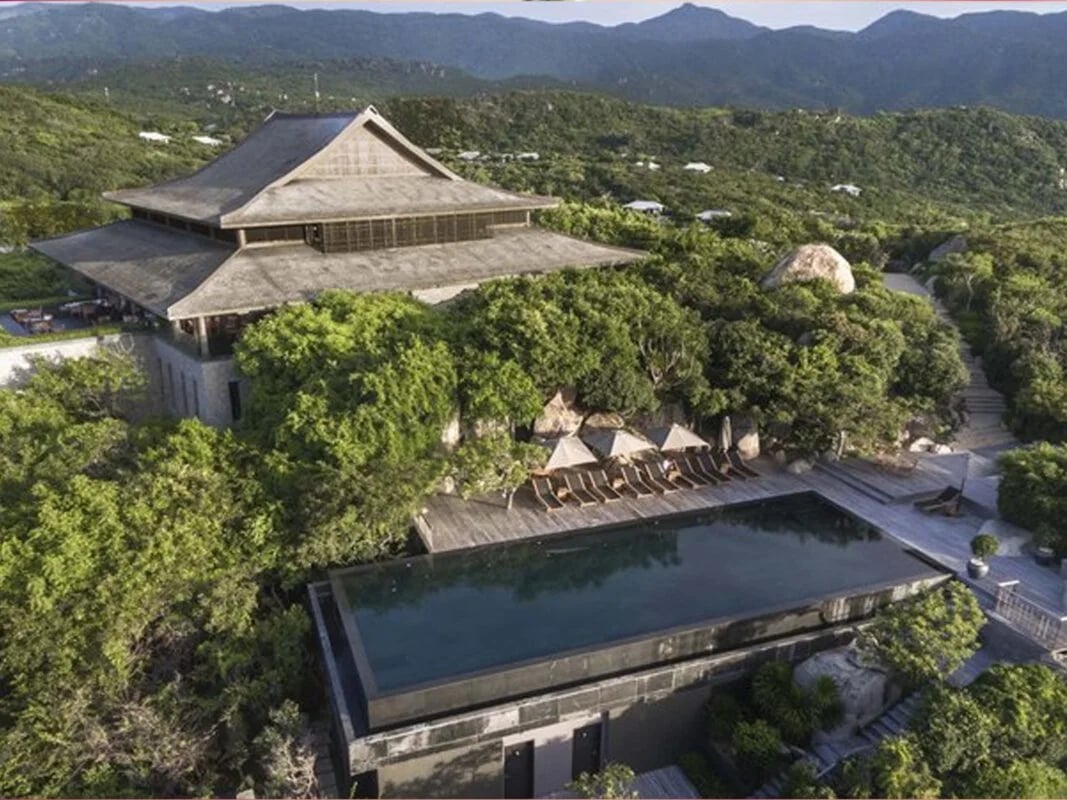
Many hotels today believe that simply incorporating a few cultural details into the space is sufficient to create local identity. This might be a folk painting, some brocade patterns, traditional lanterns, or an iconic decor corner. However, "Sense of Place" has never been just about "decorating in a local style." Identity does not come from illustrative details, but from the ability to make guests truly feel the spirit of the place through the entire experience. A hotel with a strong local imprint is not only reflected in its visuals, but also in how the space operates, how staff interact, the music chosen, the scent in the lobby, or the story told throughout the stay. When localisation stops at a "visual veneer," the experience can easily become superficial and lack emotional depth.
- Lack of connection between design, operations, and brand storytelling
Many hotels invest heavily in architecture and interior design inspired by local culture, but lack consistency in operational experiences. A space might use local materials, draw inspiration from regional history, or recreate traditional culture in its design, but if the music, service style, culinary experience, or brand communication are not cohesive, the entire narrative breaks down. "Sense of Place" is not a concept exclusive to the design department; it needs to be implemented consistently at every customer touchpoint. This lack of connection between design, operations, and storytelling is why many hotels with beautiful spaces deliver experiences that lack emotion and fail to leave a lasting impression on guests.

- Commercial pressure and project development speed
In a rapidly developing tourism and hospitality market, many hotel projects are forced to prioritise implementation speed and commercial viability over in-depth research into local culture. Building a concept that truly embodies a "Sense of Place" requires time for surveys, research into regional history and culture, and systematic brand storytelling development. However, not all investors are willing to commit to this process. Instead, many projects opt for readily available, easy-to-construct, and market-proven design models to minimise risk. The consequence is that many hotels, while modern and attractive, lack unique character and easily blend in with numerous other brands in the same segment.
- Lack of research into the behaviour and expectations of new-generation customers
Modern customers, especially Millennials and Gen Z, are completely changing how they perceive accommodation experiences. They no longer just seek a beautiful and convenient place; they desire to connect with the culture, emotions, and stories of the destination. For many young travellers, a memorable hotel is not necessarily the most luxurious, but one that offers an authentic and distinctive feel. However, many hotels still operate with an outdated mindset where "luxury" is primarily defined by expensive materials, investment scale, or visual grandeur. This slow shift in development thinking means many brands have not kept pace with the new expectations of global customers: that the most valuable experience is not perfect uniformity, but the feeling of touching the unique spirit of a place.
Consequence: When customers remember a "beautiful" hotel but nothing special about it
If the "industrial luxury" trend continues, the biggest consequence will not just be about design or aesthetic space, but more profoundly, a decline in the hotel brand's long-term competitiveness. As the global hospitality industry enters a phase where emotional experience becomes the decisive factor in brand value, hotels lacking local identity will find it increasingly difficult to create true differentiation in the market. When every space is beautiful by the same standard, luxury gradually becomes "obvious," no longer powerful enough to make a deep impression on customers.

Firstly, the most evident consequence is a decline in the ability to create brand impression. According to a 2024 Deloitte study, experiences linked to local culture can increase brand recall by up to 55% compared to standardised experiences. This shows that customers remember not just what is "beautiful" or "premium," but the emotions and distinctiveness the space provides. A hotel may boast expensive interiors, professional service, and perfect amenities, but without a "Sense of Place," the stay experience can easily become bland and indistinguishable from hundreds of other hotels in the same segment. In such cases, the brand can easily be "diluted" in the market, especially in the age of social media where customers constantly seek personal and shareable experiences. Furthermore, a lack of identity directly impacts the hotel's premium pricing strategy. In the past, luxury might have been defined by investment scale, high-end materials, or modern amenities. However, in the current landscape, these physical elements are increasingly easy for brands to replicate. What truly creates sustainable competitive value is the emotional experience and the ability to connect with the local area. A hotel with a strong "Sense of Place" can make guests feel they are living the spirit of the land itself – something not every brand can recreate. Conversely, a hotel lacking identity will struggle to provide a compelling reason for guests to pay a higher price, as the experience they receive is not significantly different from other options in the market.

Additionally, a lack of connection to the local area makes the stay experience "short-term" and lacking emotional depth. Guests may feel satisfied during their stay due to good service and beautiful spaces, but that feeling often ends as soon as the trip does. They struggle to form a strong enough connection to return, recommend to friends, or remember it as a special experience in their travels. In contrast, hotels successful in building a "Sense of Place" often don't just sell rooms; they create memories. And in modern hospitality, the ability to create emotional memories is precisely the most valuable long-term competitive advantage for a hotel brand.
Solution: Redefining luxury through local identity and experience
To address the challenge of "luxury lacking identity", modern hotels need to shift from a "beautiful design" mindset to "design with identity". This is not merely a change in aesthetic style, but a change in how the role of hotel space in the customer experience is perceived. A beautiful hotel can create a visual impression in the first few minutes, but a hotel with identity is capable of creating emotions, memories, and lasting connections. This does not mean incorporating many traditional elements into the space or "displaying culture" in a superficial way. True identity lies not in the number of local details used, but in the ability to create an authentic experience where guests can feel the spirit of the land through every touchpoint during their stay.
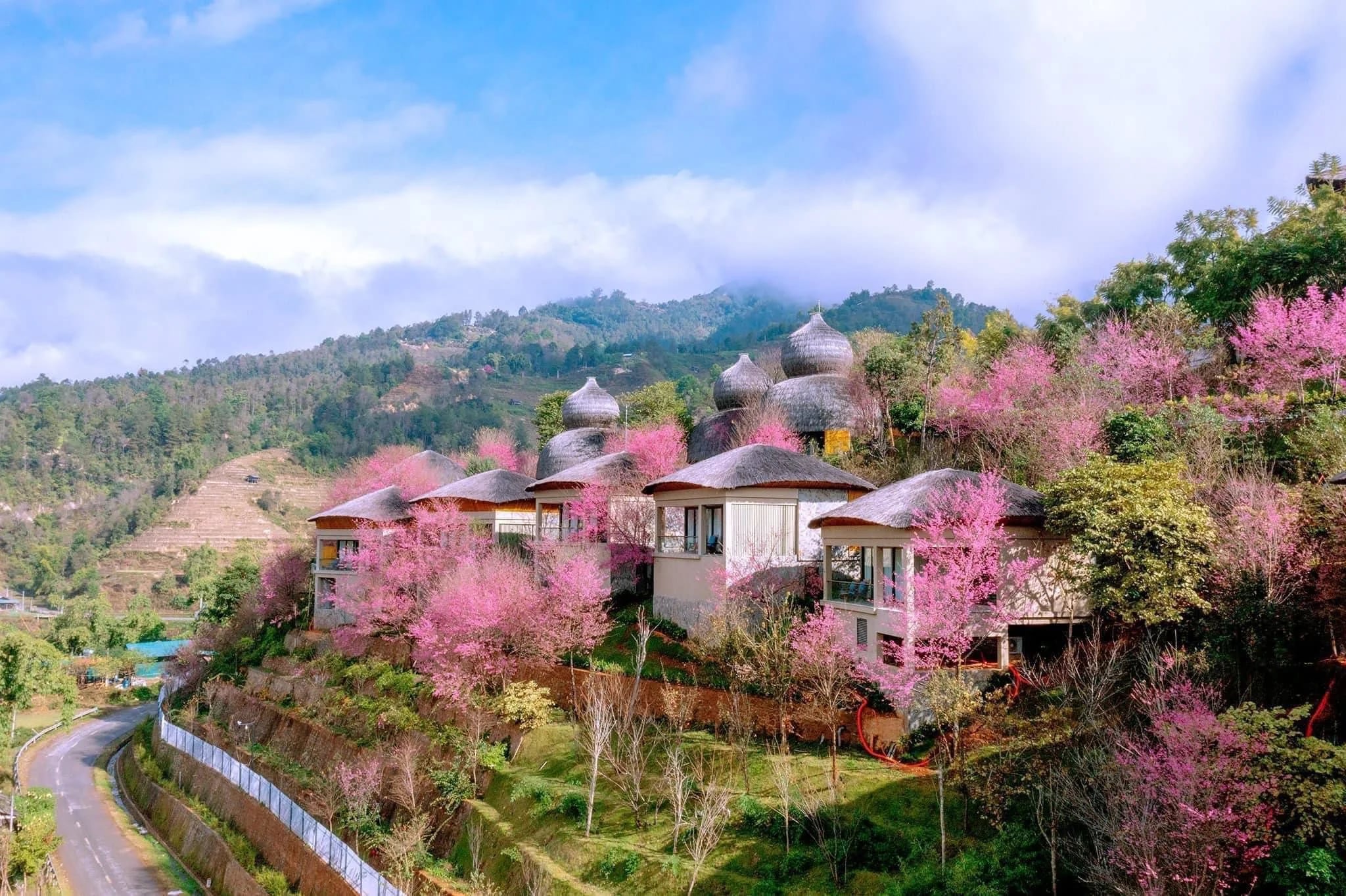
To achieve this, the process of building a "Sense of Place" needs to start with in-depth research into local culture, rather than merely exploiting familiar superficial symbols. Every region possesses unique values in terms of history, lifestyle, nature, art, and community sentiment – elements that can inspire the entire hotel concept. Simultaneously, researching customer behaviour and brand positioning also plays a particularly important role. A successful space not only reflects local identity but must also align with the target customer group and long-term brand strategy. From materials, lighting, scent, and music to culinary experiences, staff uniforms, and service style – every element needs to be connected like "puzzle pieces" telling a unified story. This synchronicity creates a profound experience and helps guests truly feel the "soul" of the destination. In this context, NewSun Hospitality acts not only as a hotel operations consulting or business development unit but also as a strategic partner, accompanying brands in restructuring experiences to be both modern and rich in identity. With a perspective combining practical operations, brand strategy, and new customer behaviour trends, NewSun Hospitality focuses on helping hotels build emotionally profound experiences rather than just focusing on visual elements. Through operational consulting solutions, brand development, customer journey optimisation, and experience concept creation, NewSun supports hotels in connecting local identity with business strategy in a practical and effective way. The key is not to turn every hotel into a "cultural museum", but to help each brand find its unique story to create differentiation in the market.
Conclusion
In a market where luxury is increasingly easy to replicate, local identity is becoming the most sustainable differentiator. Today's customers are not just looking for a place to stay, but a place to feel, connect, and remember. A truly successful hotel is not one that makes guests say "this place is beautiful", but one that makes them feel "I can only experience this here". And that is when Physical Evidence transcends its role as a physical space to become part of a memory. We invite you to continue reading the next articles in the "Decoding Hotel Physical Evidence Strategy" series to explore the remaining bottlenecks directly affecting customer experience and revenue effectiveness in the modern hotel industry.
- Hotline: +84 768 68 2913
- Email: dosm@nshm.com.vn
- Zalo OA: https://zalo.me/2452770272256938463 (NewSun Hospitality)
- Website: https://nshm.com.vn/ (NewSun Hospitality)
References
- Booking.com. (2025). Travel Predictions Report 2025.
- Deloitte. (2024). Hospitality Industry Outlook.
- McKinsey & Company. (2024). The Future of Luxury Hospitality Experience.
- World Tourism Organization. (2024). Cultural Tourism and Authentic Travel Experience Report.