


 VN
VN EN
ENIn the hospitality industry, the customer experience has never been limited to what the eyes can see. The true value of a stay is also shaped by perceptions that occur subtly and almost unconsciously: whether the lighting in the lobby is warm enough, if the background music suits the space's ambiance, whether the scent creates a relaxing feeling, if the temperature is pleasant, and if the materials touched convey a sense of luxury and sophistication. When all these elements are harmoniously combined, they create a complete "sensory symphony" where the brand is not only seen but also felt, remembered, and emotionally imprinted.
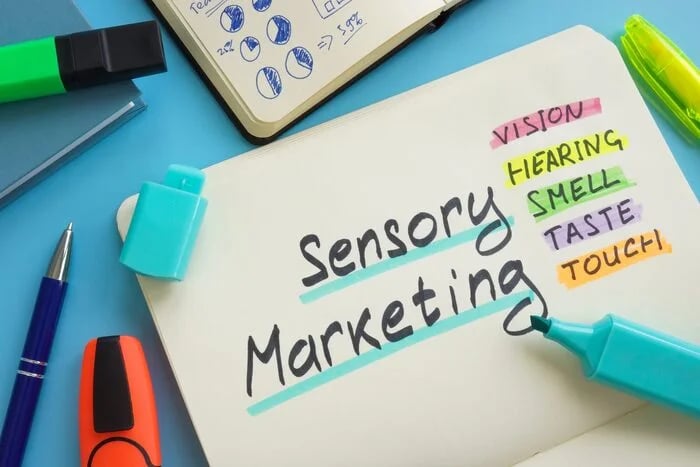
It is at this point that the hotel experience transcends mere physical design to become an art of emotional guidance. Guests may forget the colour of the sofa in the lobby, but they will remember the feeling of relaxation upon entering that space; they may not recall the details of the music playing, but they will remember the pleasant emotions the sound evoked. This is when the brand is etched into memory not by reason, but by deeper emotional layers. However, not every hotel consistently controls this "symphony." In reality, many accommodation spaces suffer from a situation where each touchpoint is invested in individually but lacks overall connection. This is the bottleneck known as "Sensory Mismatch" – a disconnect in sensory marketing that many hotels face but have not truly identified. The problem is not a lack of investment, but a lack of a cohesive strategy for all senses to tell a unified brand story. And when the experience is fractured at the emotional level, it is very difficult for guests to form a strong enough brand memory to return.
Current Situation: Fragmented Multi-Sensory Experiences
In recent years, hotels – particularly in the 4–5 star segment – have become more aware of the role of sensory experience in shaping customer emotions. Spaces are meticulously invested in visually with impressive design and high-quality materials; music is selected according to the concept to create a suitable atmosphere; and many hotels have even developed a "signature scent" as a unique identifier. On the surface, everything seems to have taken a big step forward compared to the stage where the focus was solely on functionality and service standards.
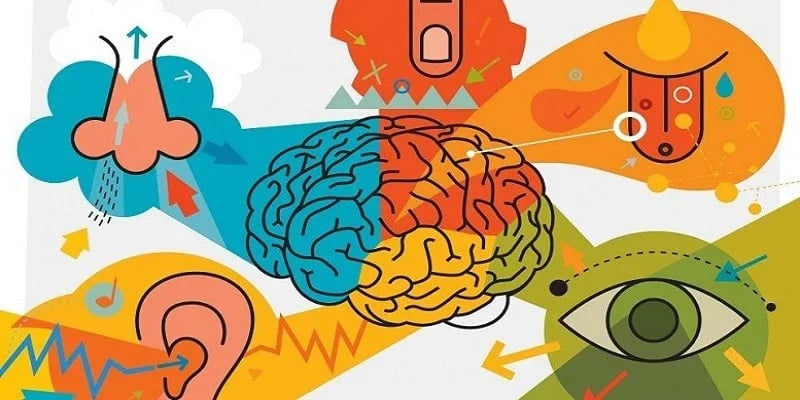
However, delving into how these elements are implemented reveals a growing reality: most sensory experiences are built in a fragmented manner, lacking an overarching strategy to connect and synchronise them. Each element – light, sound, scent, or material – is often individually optimised from the perspective of each department, rather than being designed as "pieces" within a unified experience system. The result is that a space may be beautiful, sound may be pleasant, and scent may be agreeable – but when combined, they do not create a consistent and seamless perception. According to research from the Journal of Consumer Research (2023), the effectiveness of multisensory experiences lies not in individual elements, but in how they interact and support each other. When senses are "synchronised," brand recall and customer satisfaction can significantly increase. Conversely, even a small mismatch between elements – such as overly cool lighting in a warm resort space, or music that doesn't suit the culinary style – can significantly diminish the overall perception. In the hotel industry, these "mismatches" occur more frequently than imagined: a luxurious lobby lacking emotional depth, a fine-dining restaurant failing to create a commensurate atmosphere, or a premium room lacking consistency in small details like scent or material feel.
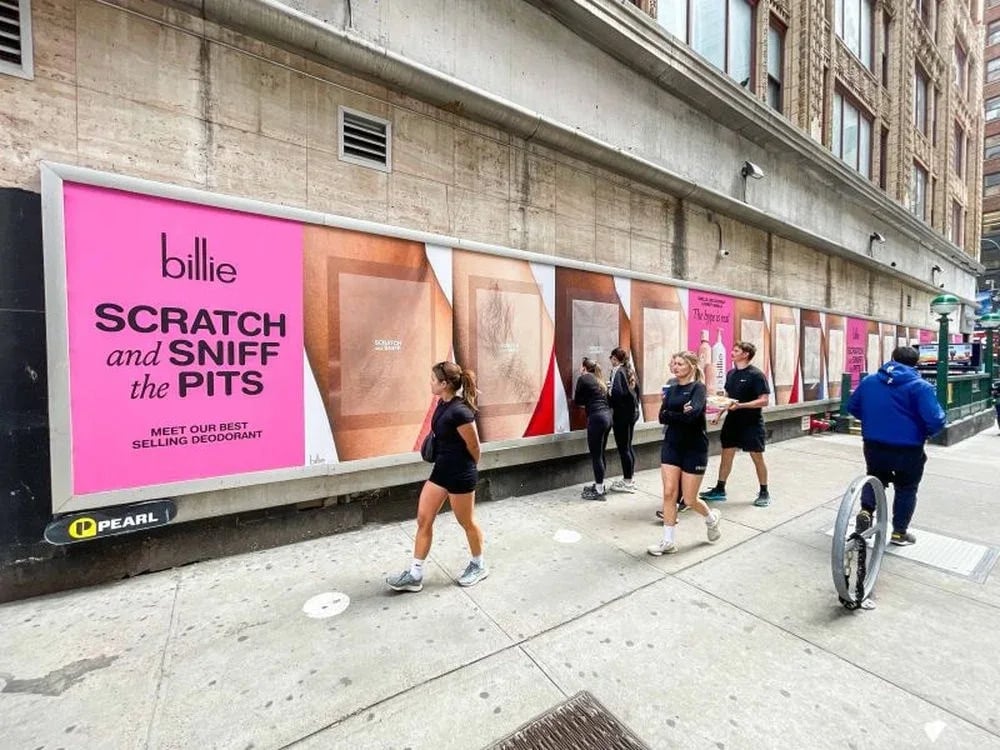
In Vietnam, this situation is even more pronounced as many hotels develop their experiences with a "do-it-yourself" approach. The design department focuses on aesthetics, marketing on image and messaging, while operations prioritise practicality and efficiency. This lack of connection between departments means each sensory element is implemented with different objectives, making it impossible to create a unified "experience language."
Cause: When experience is not "designed as a system"
Behind the Sensory Mismatch phenomenon are structural reasons in how hotels build and operate experiences. Firstly, the lack of a clear sensory branding strategy. Many hotels invest in beautiful design, appropriate music, or pleasant scents, but these do not stem from a specific brand positioning. This leads to sensory element choices being intuitive, dependent on aesthetic taste or fleeting trends, rather than being guided by a consistent "brand story." Without a clear guiding principle, each sense "tells" a different story – and the overall experience therefore becomes fragmented.

Secondly, fragmentation in implementation across departments. In many hotels, marketing, design, and operations often function as separate "silos." The design department focuses on space and aesthetics, marketing on image and messaging, while operations prioritise practicality and efficiency. Without a "common language" to connect them, even well-invested sensory elements struggle to blend into a unified experience. This is why many hotels are "beautiful in parts but lack overall seamlessness." Thirdly, a lack of data and deep understanding of customer perception behaviour. Sensory experience is not just an aesthetic matter; it is directly related to psychology and behaviour. However, many hotels still build experiences based on assumptions or subjective experience, rather than on actual data about their target customers. As a result, choices regarding lighting, sound, or scent may be "personally perceived as correct," but may not align with the expectations and habits of the customer segment the hotel aims to attract.

Fourthly, a short-term and localised investment mindset. Many hotels tend to optimise individual touchpoints like decor, playlists, or scents to create quick, visible effects. However, when these elements are not placed within an overall strategy, they only create short-term impressions without building a long-term experience. The lack of a comprehensive "experience ecosystem" makes it difficult for the brand to establish a clear identity in customers' minds. Fifthly, a lack of mechanisms to control and maintain consistency over time. Even if a hotel has successfully built a relatively synchronised sensory experience, maintaining consistency over time presents another challenge. Changes in personnel, suppliers, operational procedures, or business strategy can cause sensory elements to gradually "drift out of sync" if there is no clear control system. The experience thus becomes unstable, and the brand gradually loses consistency – a core factor in building trust and long-term memories.
Consequences: When experience loses its "unique character"
A sensory mismatch is not merely a perceived "experience error"; it is a bottleneck with the potential to spread and directly impact a hotel's business performance. When sensory elements no longer operate as a synchronized system, the values that should accumulate through each touchpoint gradually erode, leading to a cascade of consequences at both brand and revenue levels. First and foremost, the most apparent effect is a decline in brand recall. In the service industry, especially hotels, where the product is highly intangible, customer memory is the most crucial "asset." According to Harvard Business Review (2023), brands that build consistent sensory experiences are up to 70% more likely to be remembered than those lacking clear direction. This is not just a statistic; it reflects a reality: customers don't remember individual details; they remember the overall feeling. When the experience is "off-key," that memory becomes vague, lacking anchors, and significantly reduces the likelihood of repeat visits – a core factor in optimizing customer lifetime value.

This leads to a weakening in pricing power – a strategic consequence often overlooked. In a market where most hotels achieve a certain standard of facilities and services, differentiation no longer lies in "having or not having," but in "how it feels." When customers do not perceive a clear difference in experience, value becomes "averaged," making it difficult for hotels to maintain high prices or implement effective upsell strategies. In other words, when the experience is not deep enough, the perceived value will not be strong enough to translate into revenue. Furthermore, inconsistency in sensory experience directly impacts emotions – a key factor influencing consumer behavior. Seemingly minor details such as overly cool lighting in a resort space, music that doesn't align with the concept, or inconsistent scents between areas... may not be consciously recognized by customers, but they subtly affect their emotional state. And it is emotion – not rationality – that determines satisfaction, length of stay, spending levels, and the likelihood of recommendations.

Overall, Sensory Mismatch not only "detunes" the experience but also weakens the entire value chain that the hotel is striving to build. When the brand is not perceived consistently, when the experience is not deep enough to create memories, and when emotions are not guided correctly, all efforts invested in facilities and services are unlikely to translate into a sustainable competitive advantage.
Solution: Redesigning the experience from a "multisensory" perspective
To thoroughly address the "Sensory Mismatch" challenge, the core lies not in adjusting individual details, but in a shift in mindset: from "optimizing each touchpoint" to "designing the experience as a complete system." When the experience is viewed as a structured whole, each sensory element no longer operates independently, but becomes part of the same brand language – where every sensation is intentionally guided. The starting point of this process is to build a clear and consistent sensory branding strategy. In this strategy, each sense – from light, sound, and scent to materials – is assigned a specific role in conveying the brand identity. No longer based on subjective choices, each element must answer a core question: "What story is it telling about the brand?" With a clear guiding principle, the experience becomes more seamless and profound, rather than just a collection of fragmented impressions.
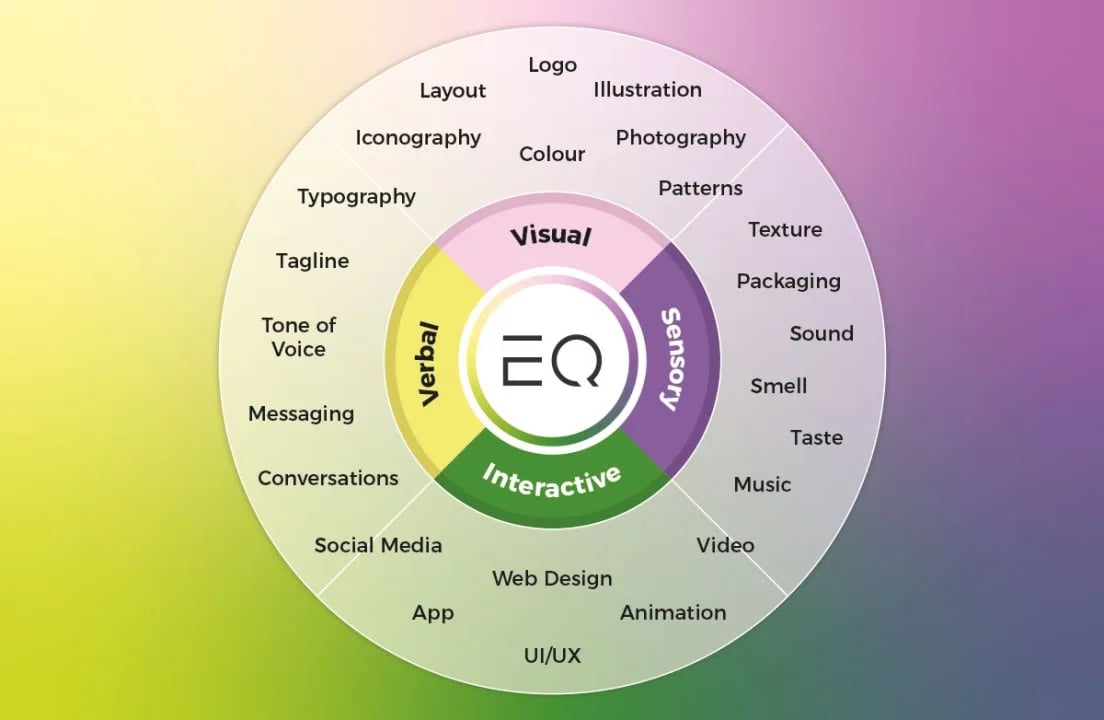
Next, hotels need to conduct a comprehensive "multi-sensory audit" of the customer journey. From the lobby – where the first impression is formed, to the restaurant – where emotions are amplified through cuisine, the guest room – the most personalized space, and even less-noticed auxiliary areas… all need to be systematically evaluated. This not only helps identify misalignments but also opens up opportunities for refinement to ensure that every touchpoint contributes to reinforcing a consistent experience. In this context, the role of strategic consulting firms becomes particularly important. NewSun Hospitality, with its experience in hotel consulting and operations, acts as a "conductor" in synchronizing multi-sensory experiences. Through service packages ranging from brand strategy consulting and operational optimization to staff training, NewSun not only helps hotels build a clear experience concept but also ensures its consistent implementation in actual operations.
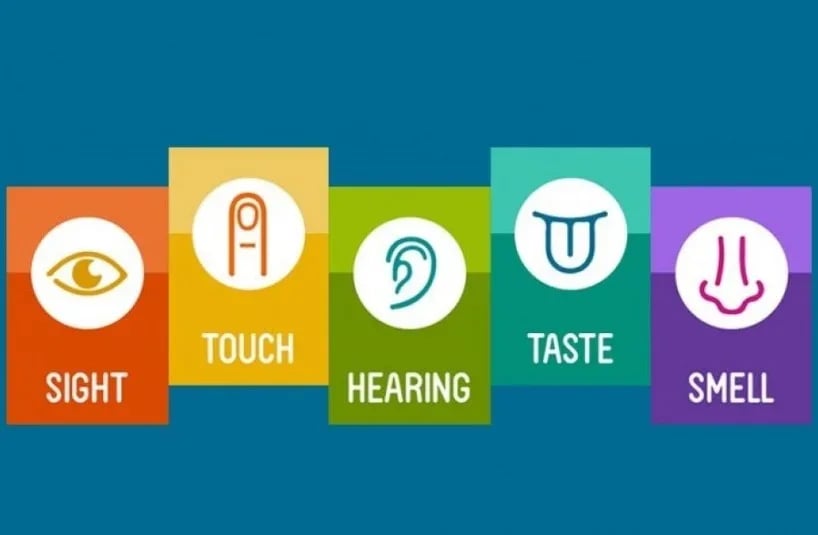
The combination of deep market understanding, the ability to analyze customer behavior data, and practical experience ensures that individual sensory elements no longer exist in isolation, but instead work towards a common goal: creating an experience that is profound, distinctive, and memorable enough to stand out. In this way, sensory marketing is no longer an added "decoration," but becomes a strategic tool – where emotions are designed to translate into sustainable business value.
Conclusion: When experience becomes "brand language"
Sensory marketing is not a fleeting trend, but a core part of how hotels build and convey brand value. A consistent experience not only makes customers feel comfortable but also creates a deep emotional connection – the most difficult element to replicate in competition. In a market where customers are increasingly sensitive to experience, eliminating "mismatches" in the sensory system is a necessary step to enhance brand value and revenue performance. We invite you to continue reading the next articles in the Physical Evidence series to explore and resolve the remaining bottlenecks in optimizing the hotel experience.
- Hotline: +84 768 68 2913
- Email: dosm@nshm.com.vn
- Zalo OA: https://zalo.me/2452770272256938463 (NewSun Hospitality)
- Website: https://nshm.com.vn/ (NewSun Hospitality)
References
- Harvard Business Review. (2023). The Science of Sensory Marketing.
- Journal of Consumer Research. (2023). Multisensory Branding and Consumer Memory.