


 VN
VN EN
ENIn the hospitality industry, some elements create an immediate impression, such as interior design, service quality, or the range of facilities. However, there are also "unseen" elements – those operating silently behind the scenes – that play a decisive role in shaping the overall guest experience and business efficiency. Operational Flow & Layout design is precisely one such crucial element.
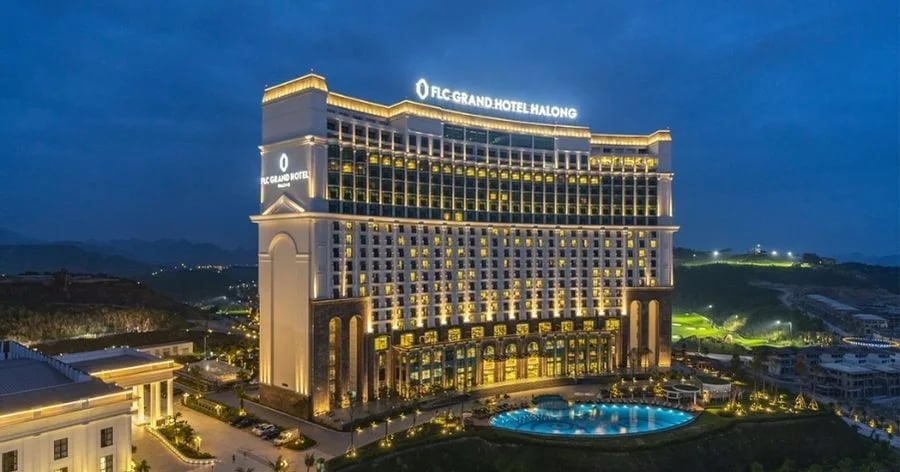
A hotel may boast beautiful spaces, premium materials, and impressive finishing standards, but if the flow of guests and staff is not scientifically organised, the entire experience will be subtly disrupted. Prolonged waits, illogical intersections, or inefficient travel paths not only diminish the sense of comfort but also make operations cumbersome and generate hard-to-control "hidden costs." In this article, we will dissect one of the most common yet often overlooked bottlenecks: operational flow and layout design – an seemingly invisible factor that directly influences a hotel's operational efficiency and revenue generation potential.
Current Situation: When design doesn't align with operations
In reality, during hotel development – especially in the 4–5 star segment – aesthetic appeal and international standardisation are almost always prioritised in the initial design phase. Visually impressive spaces, "global" standards, and brand identity creation often become the focus of the investment equation. However, it is precisely during this process that a fundamental element is often overlooked or not adequately integrated: practical operations. In other words, spaces are designed to "look good" rather than to "operate efficiently."

Research from the Cornell Hospitality Quarterly (2023) indicates that up to 40% of operational issues in hotels stem from the initial spatial design. These are not obvious flaws, but rather inefficiencies that accumulate over time: illogical travel distances that cause staff to spend more time on each task, poorly connected functional areas leading to service process disruptions, or unnecessary intersections between guests and staff that reduce the sense of privacy. All these factors, though seemingly minor, directly impact the customer experience through extended waiting times, a lack of seamless service, and reduced convenience of movement – elements increasingly valued by guests. In the Vietnamese market, this scenario is quite common. Many hotels only truly "see" the problem after a period of operation, when customer feedback and pressure from staff begin to accumulate. Long but illogically connected corridors make movement circuitous, back-of-house areas are not clearly separated from front-of-house leading to operational overlap, or intersections between guests and staff in sensitive areas such as service corridors, lifts, or preparation areas… all create an unrefined experience and sometimes diminish the perceived value of a luxury hotel.

It is worth noting that once these "bottlenecks" have formed, remediation is far from simple. They are not merely operational issues, but are "deeply embedded" in the physical structure of the building – where every change incurs significant costs and affects the entire system. This is precisely why traffic flow design should not be viewed as a technical detail, but rather as a strategic element from the very first steps of the hotel development process.
Core Reason: When "Operational Flow" is Underestimated
To better understand why this issue is so prevalent, we need to look at the systemic causes in the hotel development process. Firstly, there is a misalignment between design thinking and operational thinking. Many projects are led by architects and design firms with a focus on aesthetics and visual experience, while the operational team – those who best understand actual movement flows – are involved late or not deeply enough in the process.
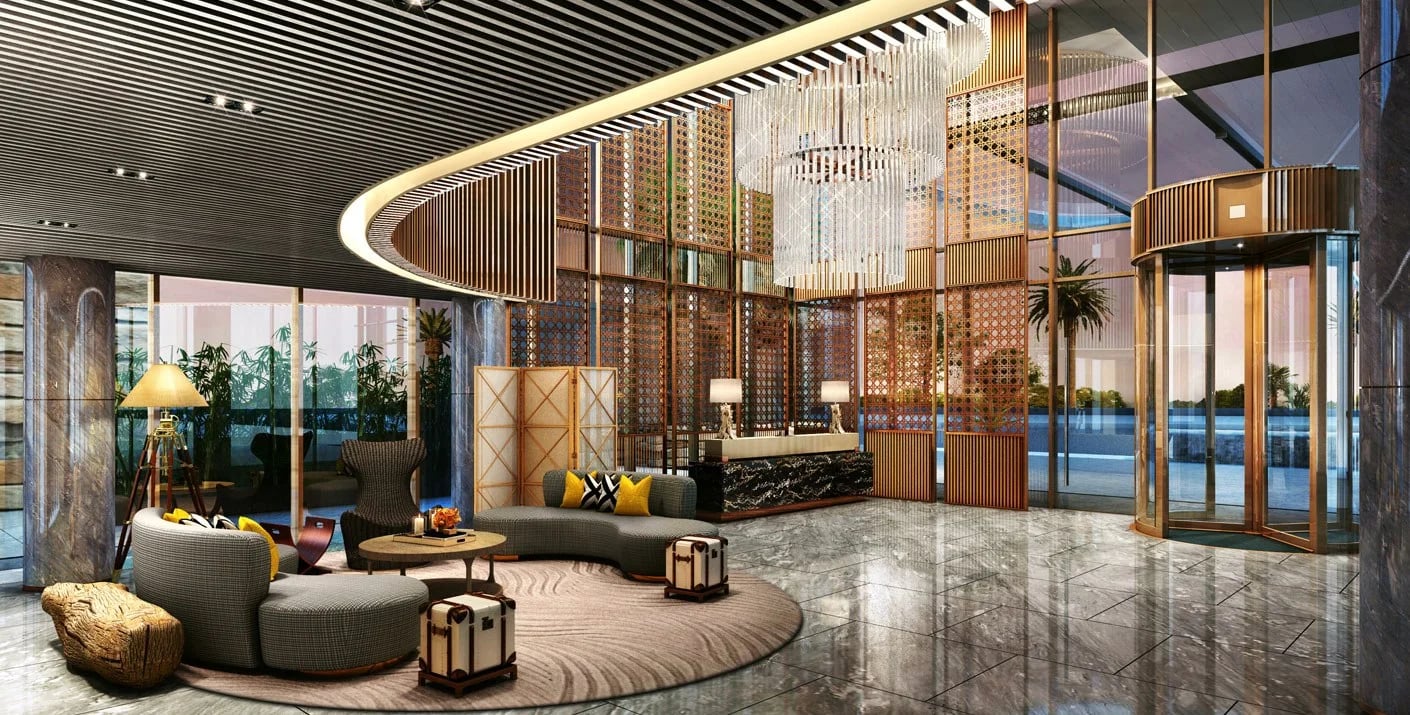
Secondly, pressure to optimise space and investment costs. In an environment of rising land and construction costs, investors often tend to maximise revenue-generating space, leading to the reduction or simplification of operational areas such as pantries, internal corridors, or service lifts. This creates "bottlenecks" in subsequent operational processes. Thirdly, a lack of real-world data on customer and staff behaviour. Effective traffic flow design requires flow analysis, but many hotels still rely on experience or model templates, rather than actual data. This results in spaces being designed based on "assumptions" rather than "actual use."

Fourthly, a lack of long-term design flexibility. Many hotels are designed for a fixed operational model, while market demands are constantly changing. When the business model shifts (e.g., from group tours to individual guests, from leisure to bleisure), the initial traffic flow may no longer be suitable.
Consequences: Hidden Costs and Eroding Experience
If not properly identified and addressed in time, inefficiencies in traffic flow design will not have an immediate impact, but will subtly accumulate into systemic consequences – difficult to measure directly but eroding business effectiveness over time. First and foremost, the customer experience is the most clearly affected factor. When the journey becomes circuitous, unintuitive, or interrupted by extended waiting times, the perception of convenience and seamlessness gradually diminishes. In particular, illogical "intersections" between guests and internal operational activities can disrupt the sense of privacy – a core element in the luxury hotel segment. According to McKinsey (2024), waiting times and inconvenience in movement are among the top reasons why customers do not return, highlighting the sensitivity of the experience to seemingly minor details in spatial design.

In parallel, there is increasing pressure on operating costs – a consequence often "hidden" beneath the surface. A suboptimal layout means staff have to move more, take longer to complete the same process, and thus reduce overall productivity. According to Deloitte (2023), inefficient spatial designs can increase personnel costs by 10–15% without generating commensurate value. In the long term, this is not just a cost issue, but also affects the ability to expand and optimise the operating model. Furthermore, service quality – a core factor in defining a hotel's brand – is also significantly impacted. When employees have to work in an inconvenient environment, interrupted by inefficiencies in movement or processes, their ability to maintain stability and consistency in service will decline. This is especially crucial for 4–5 star hotels, where the experience is not judged by major factors, but by the seamlessness of every small detail. A disjointed service, even for brief moments, can significantly reduce the customer's perceived value of the entire stay.
Solution: Redesigning the "Flow" – From Space to Operational Strategy
Solving the traffic flow problem is not just about adjusting physical design, but a comprehensive restructuring process between space and operations. This requires a systematic and data-driven approach. First, a complete reassessment of customer and staff movement journeys should be conducted using methods such as flow mapping and time-motion studies. This helps identify bottlenecks precisely, thereby providing appropriate improvement solutions for each specific hotel.
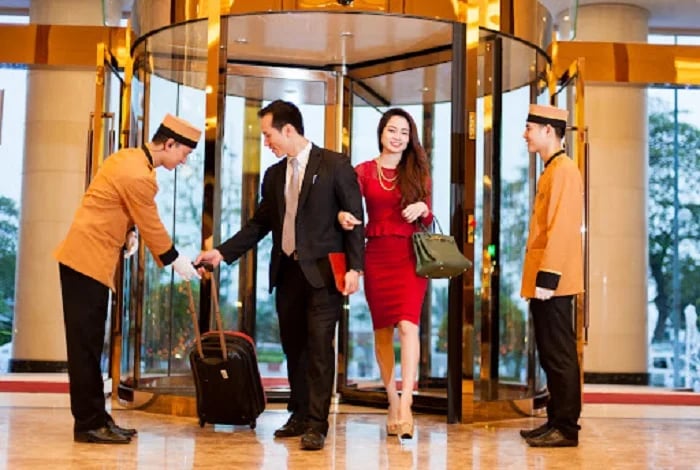
Next, it is essential to integrate an operational mindset into the renovation or upgrade process. Instead of focusing solely on aesthetics, design decisions should be based on long-term operational efficiency and adaptability to change. In this context, NewSun Hospitality's consulting and implementation solutions act as a "bridge" between design and operations. Through services such as hotel operational consulting, process optimisation, and staff training, NewSun not only helps hotels identify bottlenecks in their operational flow but also provides specific implementation solutions tailored to each business model. The combination of data analysis, practical experience, and market understanding ensures that all changes are geared towards the ultimate goal: enhancing customer experience and optimising revenue efficiency.
Conclusion: When the Flow is Unblocked, Value Multiplies
Operational flow design is not an easily visible factor, but it is the fundamental basis that determines how a hotel "operates the experience" every day. A well-organised space ensures smooth operations, minimises waste, and naturally enhances customer perception. In a market where competition is increasingly based on the overall experience, optimising these "hidden flows" like Operational Flow & Layout is key to creating a sustainable advantage. If you are operating or preparing to develop a hotel, now is the right time to re-examine your space from a more strategic perspective. We invite you to continue reading the next articles in our Physical Evidence series to explore and resolve the remaining "bottlenecks" in the journey of optimising hotel experience and revenue.
- Hotline: +84 768 68 2913
- Email: dosm@nshm.com.vn
- Zalo OA: https://zalo.me/2452770272256938463 (NewSun Hospitality)
- Website: https://nshm.com.vn/ (NewSun Hospitality)
References:
- Cornell Hospitality Quarterly. (2023). Hotel Design and Operational Efficiency Study.
- Deloitte. (2023). Hospitality Industry Cost Optimization Report.
- McKinsey & Company. (2024). Customer Experience in Hospitality: What Matters Most.