


 VN
VN EN
ENAs the global hospitality industry shifts from product competition to experience competition, "Physical Evidence" is no longer a self-evident foundation but has become a strategic lever directly impacting revenue. A Deloitte report (2025) indicates that over 72% of customers are willing to pay 15–25% more for accommodation spaces with distinctive and clearly personalised touches. As experience becomes the new "currency," the question is no longer whether a hotel is beautiful, but rather: is the current physical evidence compelling enough to persuade customers to pay more?
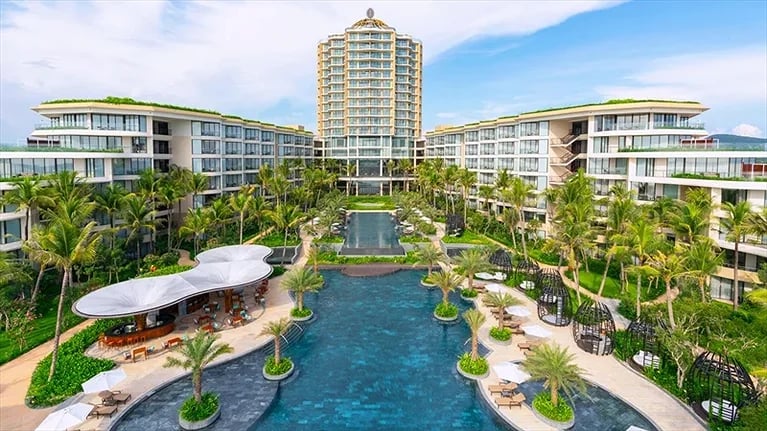
In the "Decoding Hotel Revenue Growth Strategies" series, if "Process" is the backbone ensuring smooth operations, then "Physical Evidence" is the tangible manifestation – where all customer perceptions are formed, reinforced, and remembered. The article "Physical Evidence Strategy Trends for 4–5 Star Hotels in 2026" will delve deeper into the current situation, identify formative shifts, and pinpoint bottlenecks silently eroding the revenue performance of many hotels today.
Current State of Physical Evidence in Hotels
Over the past decade, 4–5 star hotels in Vietnam and across the Asia-Pacific region have continuously increased investment in physical facilities as a key competitive pillar. Grand lobbies, rooms finished to international standards, and increasingly diverse amenity systems were once the "weapons" that helped brands assert their market position. However, a reality is gradually emerging: most of these investments are "static" – designed to serve a long period, while customer behaviour and expectations are changing at an unprecedented pace. As experiences are constantly redefined, what was once considered modern quickly becomes commonplace, even outdated.

According to CBRE Hotels Asia Pacific (2024), approximately 65% of 4–5 star hotels in the region have not undergone any major renovations in the past 7 years. This figure becomes concerning when juxtaposed with another reality: the "perceived experience lifecycle" for guests now averages only 3–5 years. In other words, hotels are operating on a physical foundation designed for the past, while guests evaluate their experience by present—or even future—standards. This misalignment not only diminishes perceived value but also directly impacts room pricing capabilities. In the Vietnamese market, this picture is even clearer. A report by Grant Thornton (2024) indicates that while occupancy rates have significantly recovered post-COVID-19, RevPAR—a core metric reflecting revenue efficiency—has not returned to pre-pandemic levels. This suggests that hotels may have attracted guests back, but have not yet convinced them to spend more. A core reason for this is that physical facilities no longer serve as a sufficiently compelling "reason" for guests to upgrade their choice or extend their stay.
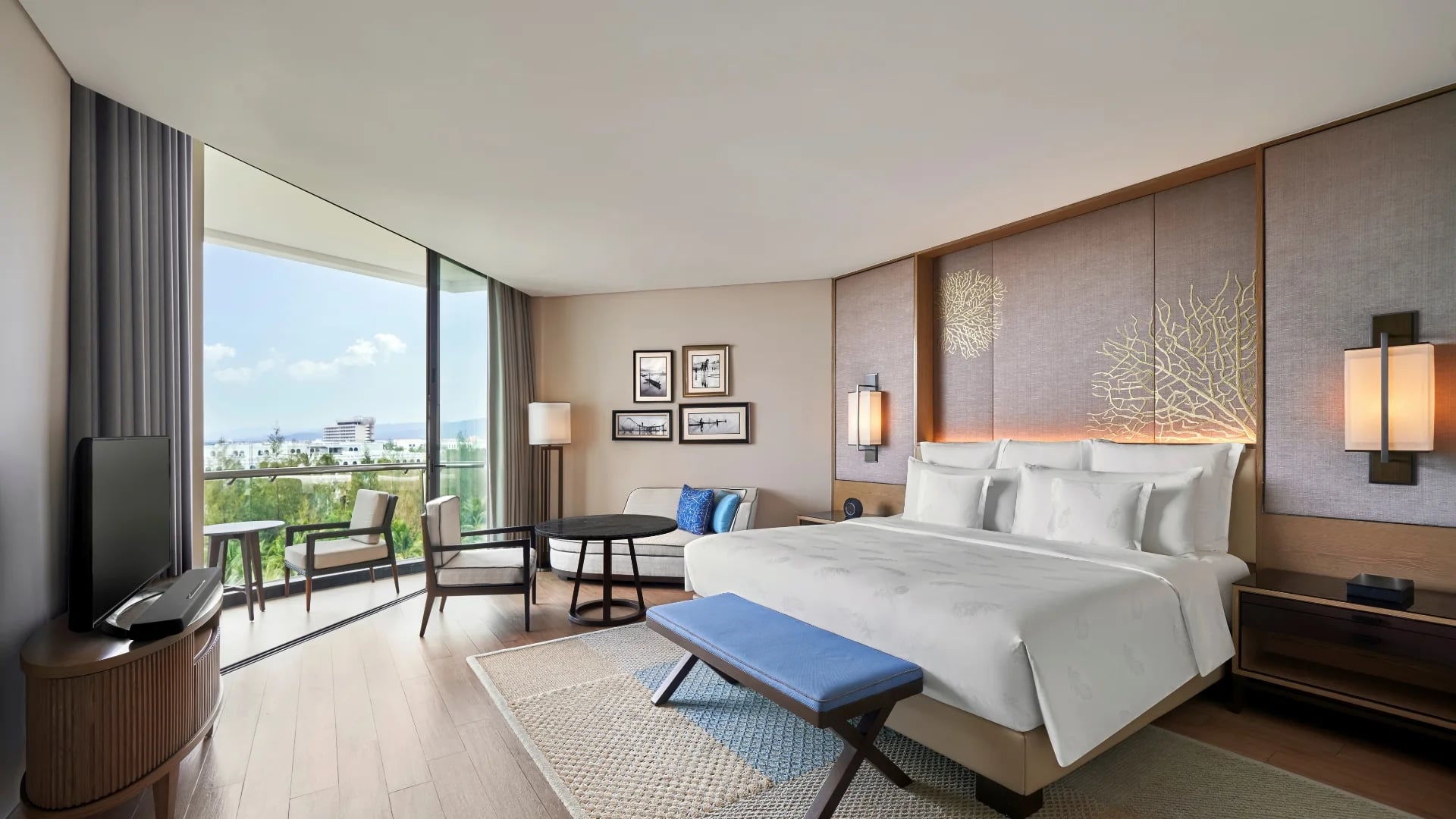
In this context, physical evidence is gradually becoming "commoditised" – a default factor, a minimum standard rather than a competitive advantage. When all hotels are beautiful in a similar way and offer comparable amenities, this very "sameness" erodes value. Customers no longer pay for "having", but for "difference". And if physical evidence cannot create meaningful differentiation, it will be relegated to the role of a necessary cost – rather than a strategic asset that generates revenue.
Shaping Physical Evidence Trends in 2026
As we move into 2026, physical infrastructure in the hospitality industry is no longer viewed as a construction investment, but as a "programmable experience platform." This trend is shaped by three main pillars: personalisation, multi-sensory engagement, and technology integration. Firstly, spatial personalisation is gradually becoming the new standard rather than a mere bonus. As customers become increasingly accustomed to "tailored" experiences in retail, entertainment, and aviation, they expect the same in accommodation. According to Accenture (2025), up to 80% of customers want hotel spaces to reflect their personality, emotional state, or trip purpose – whether for business, leisure, or a combination of both. This drives the development of "adaptive room" models, where lighting, temperature, scent, sound, and even furniture arrangement can be customised according to individual guest profiles. A guest room is no longer a "standard product," but becomes a unique "experience version" for each stay.
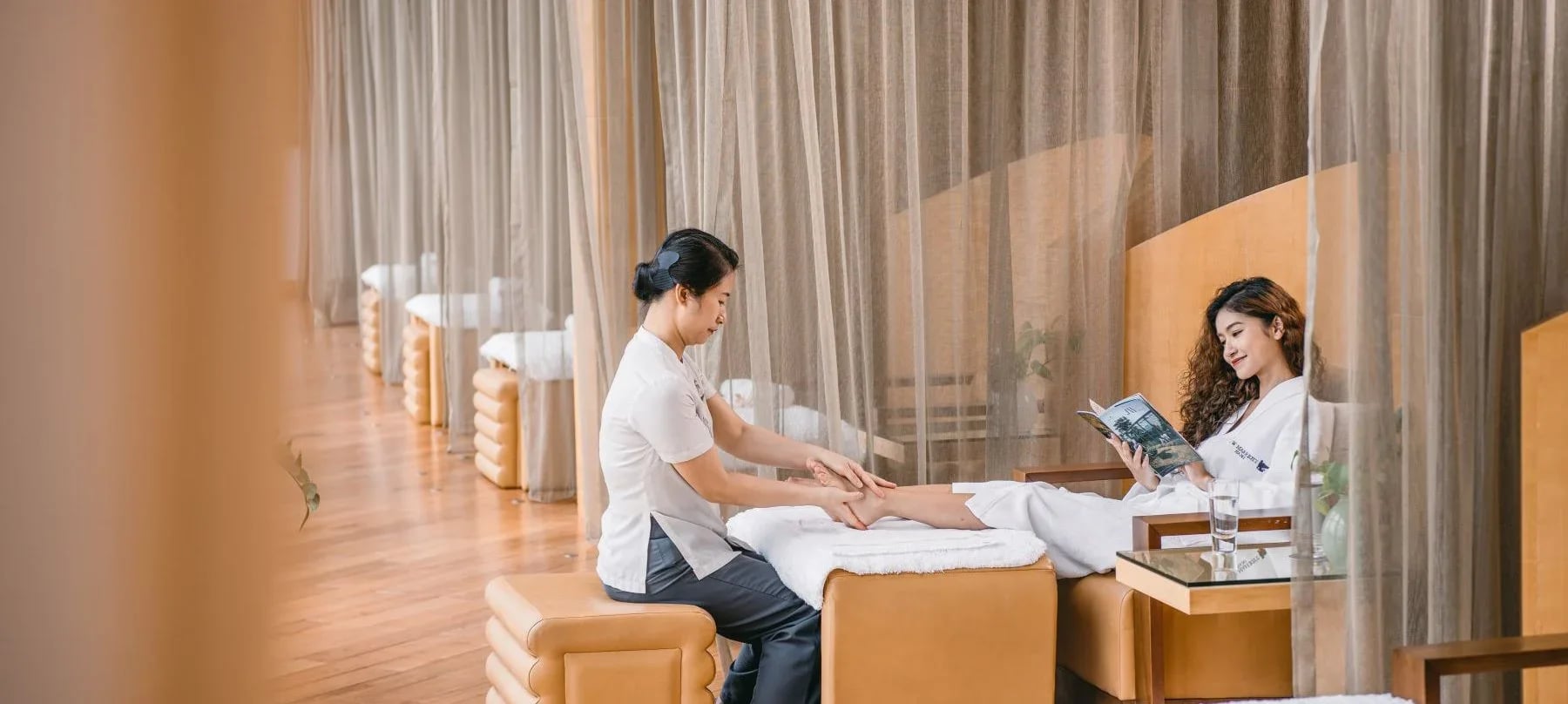
In parallel, "sensory marketing" is being elevated into a strategic tool in physical facility design. While hotels previously focused primarily on visual elements – beautiful design, premium materials – the experience now extends to smell, sound, and touch. International brands like Marriott and Hilton have developed their own "signature scents," combined with ambient sound and lighting scenarios, to create a consistent "sensory identity" throughout the customer journey. Research from the Journal of Consumer Research shows that multi-sensory experiences can increase brand recall by up to 70%, while directly impacting emotions and spending behaviour. In this context, facilities not only need to be aesthetically pleasing but also need to "feel right" – an intangible element with a powerful influence on customers' decision to return. The third axis – and a foundational element – is the deep integration of technology into physical spaces. Technology is no longer an add-on utility; it has become core infrastructure in hotel design and operations. IoT systems, artificial intelligence (AI), and behavioural data are being connected to create "smart environments" capable of learning and adapting. For example, a smart room system can record a guest's previous preferences for lighting, temperature, and sleep-wake times, then automatically reconfigure the environment upon their return. These systems not only enhance personalised experiences but also help optimise operational costs, especially in energy and human resources management – two factors that account for a large proportion of hotel cost structures.

However, the rapid pace of development and the interplay between these elements present a significant challenge: if not implemented synchronously and strategically, physical evidence can easily become "half-baked" – where technology isn't deep enough to differentiate, personalisation isn't refined enough to evoke emotion, and multi-sensory experiences aren't consistent enough to build a brand. In such cases, instead of becoming a competitive advantage, physical evidence transforms into a complex, costly, and inefficient system. This is precisely the pitfall many hotels face, and why a restructuring of the approach to Physical Evidence is more critical than ever.
Challenges in Physical Evidence
Issue 1: Sensory Mismatch A hotel may have a beautiful design, but if the lighting is too cold, the music unsuitable, or the scent inconsistent, the overall experience will be disrupted. According to a Harvard Business Review study (2023), inconsistency in sensory experience can reduce customer satisfaction by up to 30%. This is a common problem when hotels implement individual elements without an overarching strategy. Issue 2: Bottlenecks in Operational Flow & Layout A beautiful design that isn't operationally optimised will create significant hidden costs. For example, a long distance from the pantry to the guest room can increase service time by 15–20%, directly impacting customer experience and staffing costs. Research by Cornell Hospitality Quarterly shows that sub-optimal layout design can reduce operational efficiency by up to 25%. Issue 3: "Industrial Luxury" Lacking Local Sense of Place One of the biggest issues for 4–5 star hotels today is the "homogenisation of experience." Guests might stay at a hotel in Hanoi but feel like they could be in Singapore or Dubai. According to Booking.com (2025), 67% of global travellers desire "local authenticity" during their stay. A lack of local identity not only diminishes the experience but also causes hotels to lose long-term competitive advantage. Issue 4: Silent "Ageing" and the Maintenance Challenge (Wear and Tear) Physical assets don't degrade suddenly but "age" over time. Small details like scratches, faded paint, or outdated equipment can accumulate into a negative experience. According to JLL (2024), inefficient maintenance can reduce a hotel's asset value by 10–15% within 5 years. This is a strategic, not just operational, issue. Issue 5: Beautiful Design That Doesn't Serve the Experience Many hotels invest heavily in "Instagrammable" design but overlook practicality. A beautiful but uncomfortable chair, a luxurious but functionally lacking bathroom – all create a "fake experience." According to McKinsey (2025), functionality accounts for up to 60% of a customer's decision to return, much higher than mere aesthetics.
Conclusion: When Physical Evidence Becomes Strategy, Not Just an Asset
Physical evidence in the hospitality industry is entering a phase of redefinition. It is no longer just an "initial investment cost" but a "long-term revenue-generating tool." A properly designed space not only enhances the experience but also optimises operations, increases brand value, and extends customer lifetime. The issue is not about investing more or less, but about investing strategically. In a market where experience is the "new currency," physical evidence is where that value is most clearly realised. In subsequent articles in the "Decoding Hotel Revenue Growth Strategies" series, we will continue to delve into specific "bottlenecks" within physical evidence. If you are looking for a systematic and strategic approach to transform your space into a competitive advantage, don't miss the next parts of this series!
- Hotline: +84 768 68 2913
- Email: dosm@nshm.com.vn
- Zalo OA: https://zalo.me/2452770272256938463 (NewSun Hospitality)
- Website: https://nshm.com.vn/ (NewSun Hospitality)
References:
- Accenture. (2025). Personalization at Scale in Hospitality Industry.
- Booking.com. (2025). Travel Predictions Report 2025.
- CBRE. (2024). Asia Pacific Hotel Market Outlook.
- Cornell Hospitality Quarterly. (2023). Hotel Design and Operational Efficiency Study.
- Deloitte. (2025). Hospitality Industry Outlook.
- Grant Thornton Vietnam. (2024). Vietnam Hotel Survey Report.
- Harvard Business Review. (2023). The Science of Sensory Marketing.
- JLL. (2024). Hotel Asset Management and Maintenance Report.
- Journal of Consumer Research. (2023). Multisensory Branding and Memory Retention.
- McKinsey & Company. (2025). The Future of Customer Experience in Hospitality.