


 VN
VN EN
ENIn recent years, the hospitality industry has not only recovered but also entered a period of profound restructuring in customer behaviour. A prominent feature of this is the strong rise of Bleisure Travel – a model combining business and leisure, which is gradually blurring the long-standing boundaries between "work" and "play". In essence, bleisure is a form of travel where guests proactively extend their business trips to enjoy additional time for relaxation, exploring the destination, or fulfilling personal needs. However, the remarkable aspect lies not in the definition, but in how this behaviour has evolved. Previously, bleisure was spontaneous – a personal choice for a small group of customers – but by 2026, it has become a mainstream trend, directly influencing how people plan their travel, choose destinations, and consume tourism services.
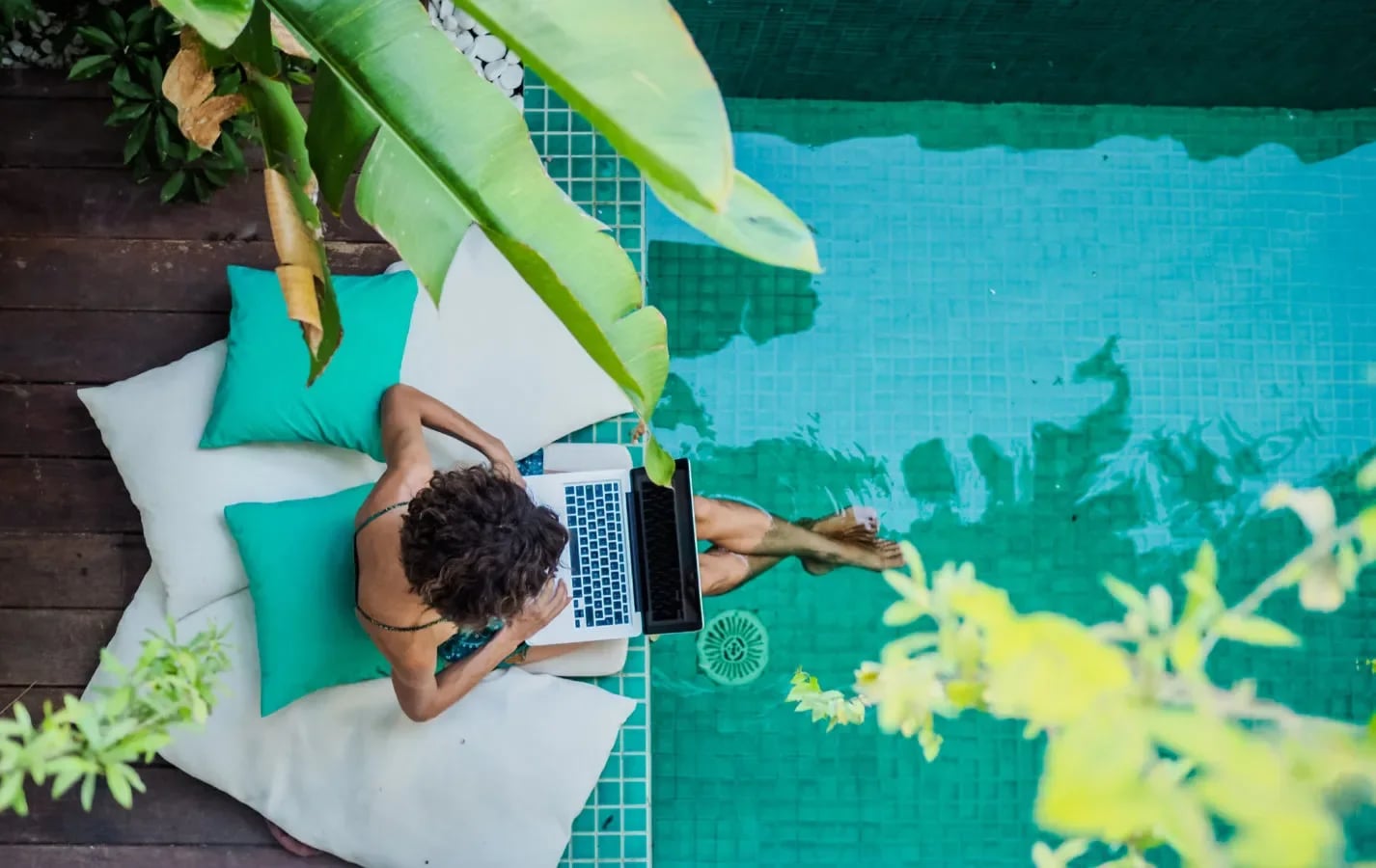
According to Agoda's Travel Outlook 2026 report:
- 76% of business travellers in the Asia-Pacific region tend to combine leisure with their business trips
- Notably, in Vietnam, this rate reaches 86%, among the highest in the region
These figures reflect a clear shift: Bleisure is no longer a "flexible option" but is gradually becoming the new standard in modern business travel behaviour. This also means that hotel businesses can no longer serve business travellers in the traditional way but need to rethink the entire experience journey – where work and leisure are not separate, but designed as an integrated, seamless, and more flexible experience than ever before.
Why is Bleisure Travel booming in Vietnam and Asia?
The boom in Bleisure Travel is not a random or temporary phenomenon, but the result of structural changes in how people work, live, and consume experiences. It is the intersection of several major trends that are simultaneously impacting and reshaping global travel behaviour.
- The flexibility of work models
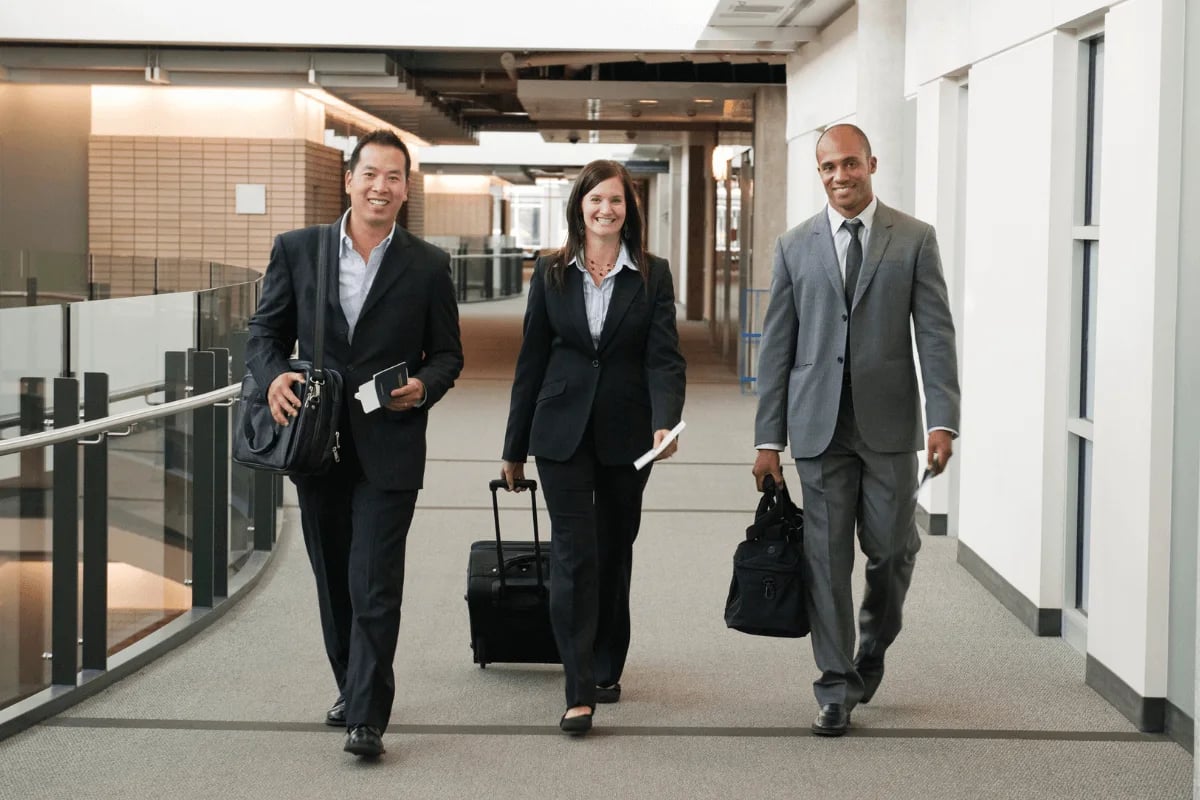
Firstly, the fundamental factor comes from the flexibility of work models. The popularity of hybrid and remote work has broken down traditional boundaries of time and space. Today's employees are no longer "anchored" to an office but can work from anywhere, as long as productivity is maintained. This opens up a new possibility: extending a business trip without interrupting work. A trip is no longer limited to a meeting schedule but can be flexibly designed to both complete work and enjoy personal experiences.
- New generation of customers (Gen Z & Millennials)
In addition, the rise of a new generation of customers – Gen Z and Millennials – also plays a significant role in driving this trend. This customer group has a very different value system compared to previous generations:
- They prioritise experiences over possessions, willing to spend on values that bring emotions and memories
- They seek work-life balance, rather than completely separating these two elements
- And more importantly, they don't want to "waste" travel time on purely business trips when they can perfectly turn them into a multi-purpose journey
This mindset has made bleisure an almost "default" choice in how they travel and consume tourism services.
- Destination advantages like Vietnam
From a destination perspective, Vietnam is emerging as a market particularly suited to the bleisure trend. With reasonable costs, increasingly complete tourism infrastructure , and diverse experiences – from beaches, mountains, culture to cuisine – Vietnam offers the flexibility to combine work and leisure within the same trip. Travellers can attend a meeting in Hanoi or Ho Chi Minh City, then take a short trip to access high-quality leisure destinations such as Ha Long, Da Nang, or Phu Quoc.
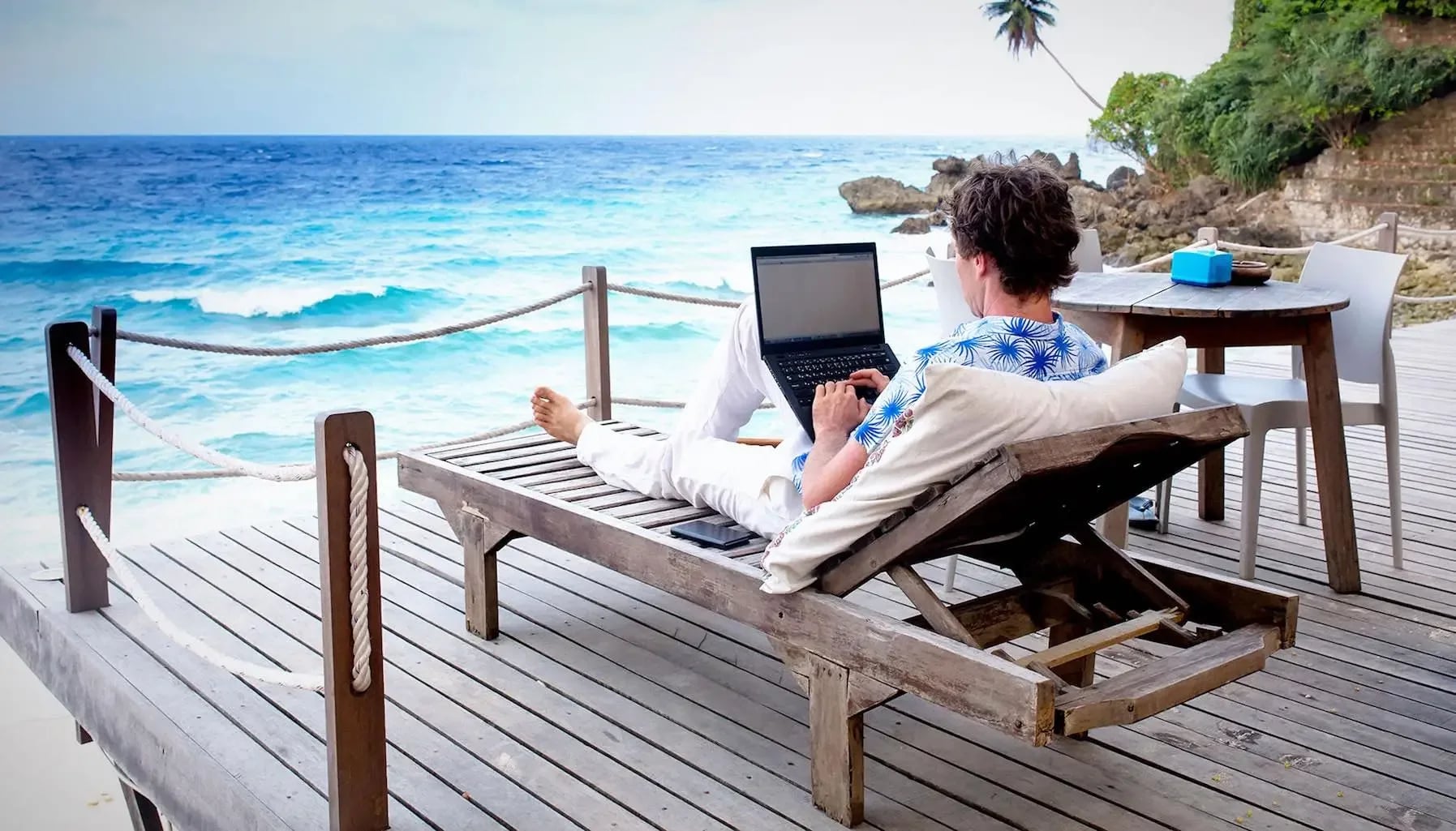
According to a report from Savills Vietnam, trends such as micro-vacations and bleisure are rapidly increasing in Vietnam. This clearly reflects the needs of modern travellers: not long trips, but rather short journeys that are high-quality, flexible, and rich in experiences. The combination of these factors shows that bleisure is not just a travel trend, but the inevitable result of a new lifestyle, where work and enjoyment are no longer opposing but are naturally integrated into the same journey.
Bleisure customer behaviour: How does it differ from traditional business travellers?
Today's bleisure traveller can no longer be simply defined as "business traveller + a few extra days off" but has become an entirely new customer segment, with distinctly different behaviours, expectations, and consumption patterns.
- Longer stays: Guests tend to extend their stay by 1-3 days, or even longer if the destination is appealing
- Dual expectations: both work efficiency and a complete experience They need:
- Comfortable workspace
- But also need relaxing, exploratory experiences
- Prioritise local experiences Not just at the hotel, but wanting to connect with the destination: cuisine, culture, outdoor activities
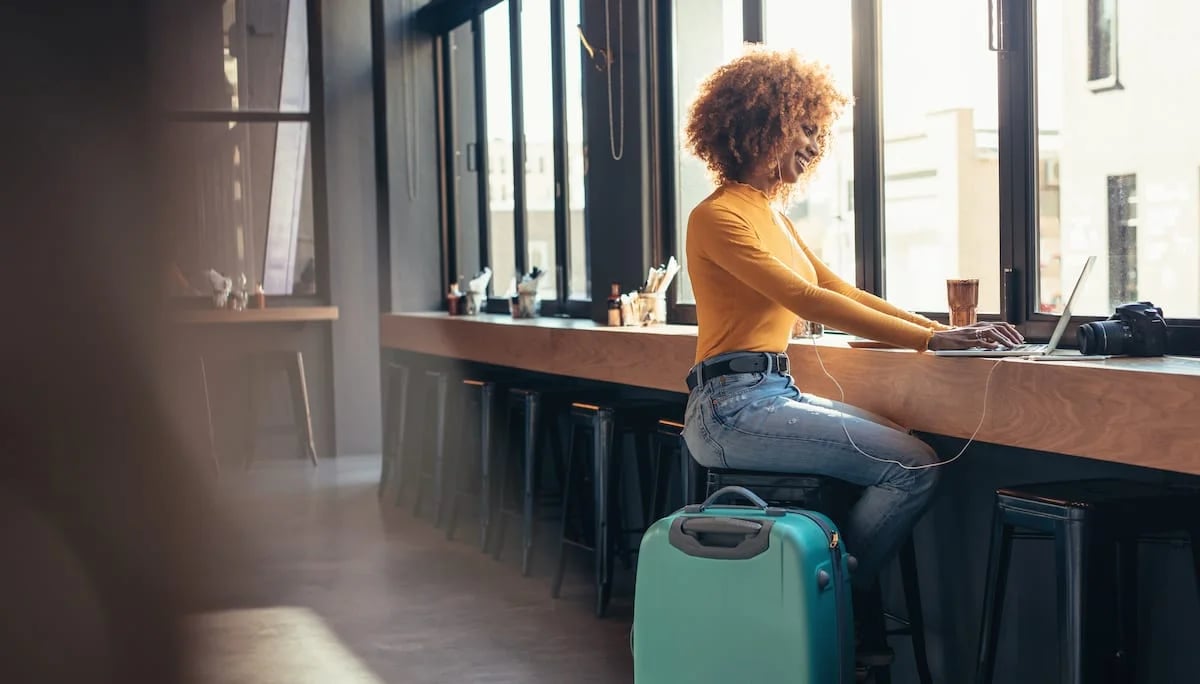
These characteristics place an entirely new demand on the hospitality industry: Bleisure cannot be served by traditional processes designed specifically for business or leisure travellers. Instead, hotels need to restructure the entire customer journey to be more flexible, where work and leisure are not separated but seamlessly integrated at every touchpoint of the experience.
Why refine processes to serve Bleisure Travel?
One common misconception when approaching Bleisure Travel is to view it as a "product package" that can be bundled and upsold to customers. However, the essence of this trend lies not in a specific service, but in how customer behaviour unfolds throughout the entire journey – where work and leisure constantly intertwine, rather than being clearly separated. Therefore, if hotels maintain their old operational mindset and do not adjust their processes, the customer experience can easily become "disjointed." During the day, they are in "business mode" with stringent standards for efficiency and amenities; but when they switch to "leisure mode," they have to find and arrange leisure experiences themselves. This lack of connection forces customers to self-transition between states, instead of being smoothly guided by the hotel.
This approach not only impacts the guest experience but also causes hotels to miss out on crucial business opportunities. Without understanding and properly leveraging bleisure behaviour, businesses will struggle to:
- Increase length of stay
- Optimise revenue per customer
- Leverage experiential ancillary services
Conversely, when integrated correctly into operational processes, bleisure can become one of the most valuable customer segments in the hospitality industry. The reason is clear: this group of guests spends on both business needs (rooms, meetings, business services) and is willing to pay for leisure experiences (dining, spa, tours, local activities).
Refining Processes to Serve Bleisure Travellers
To meet the specific needs of the bleisure segment, hotels cannot simply add services; they need to redesign their entire operational process around the customer journey – where work and leisure are integrated flexibly and seamlessly.
Pre-arrival: Understanding the Dual Purpose of the Trip
The pre-arrival stage is fundamental in shaping the entire experience. For bleisure travellers, it's not just about confirming a booking, but about understanding the dual purpose of their trip. Hotels need to proactively gather information on how much time guests will dedicate to work and leisure, then offer suitable suggestions:
- Rooms with private workspaces to ensure productivity
- Weekend or after-work experience packages
- Suggest early check-in or late check-out to optimise their schedule
Instead of guests planning their own itinerary, the hotel acts as a "journey designer," helping them prepare a complete experience even before they arrive.
Check-in: Optimised for Both Work and Leisure
For bleisure guests, check-in is not just a room registration procedure, but a transition moment from travel and work to the accommodation space. The process needs to be optimised to be:
- Quick and efficient, minimising waiting times for guests with busy schedules
- Immediately provide essential work elements such as high-speed Wi-Fi and suitable workspaces
Concurrently, this is also an ideal time to "unveil" the leisure experience:
- Introduce leisure activities and local tours
- Suggest dining, spa, or special experience offers
When designed correctly, check-in becomes a smooth bridge between "work mode" and "relax mode", rather than just an intermediate step.
During stay: Designing a "2-in-1" Experience
The in-stay period is where the value of the bleisure model is most evident. Instead of separating work and leisure, hotels need to create a flexible ecosystem of experiences tailored to different times of the day. During the day, guests need:
- Modern business centre
- Private meeting rooms
- Comfortable co-working spaces
Meanwhile, evenings or weekends are for:
- Local discovery tours
- Spa and wellness services
- Unique dining experiences
The key lies in designing experiences according to the guest's actual daily rhythm, helping them seamlessly transition between work and leisure without interruption.
Housekeeping & Operations: Optimising for Flexible Schedules
In the bleisure model, seemingly small factors have a significant impact on the overall experience. Operational processes need to be refined to:
- Clean rooms when guests are not working
- Minimise noise to avoid interrupting online meetings
- Ensure the space is always quiet, suitable for both work and relaxation
These are the "invisible touchpoints" that determine guest satisfaction – especially for those who are both working and relaxing in the same space.
Post-stay: Leveraging Long-term Value
After guests depart, the journey should not end but should be continued with a strategy to leverage long-term value. Hotels can:
- Clearly categorise guest segments: business, leisure, and bleisure
- Personalise suitable offers:
- Invite them back for leisure stays
- Introduce workation or long-stay packages
Instead of being just a "one-time" business traveller, a bleisure traveller can absolutely become a loyal customer with high lifetime value, if nurtured and re-engaged correctly.
Conclusion:
Bleisure Travel is not just a consumer trend; it's a redefinition of business travel behaviour. In the future:
- Guests will no longer separate "business trips" and "leisure trips"
- But expect an integrated journey of both
This poses a strategic question for hotels: Are you selling rooms – or designing a flexible journey for modern guests? If you are looking to:
- Redesign operational processes to keep up with the Bleisure Travel trend?
- Increase length of stay and revenue from business travellers?
- Build a hotel model that aligns with new customer behaviour?
NewSun Hospitality partners with businesses from strategy to practical implementation – helping you optimise processes and elevate customer experience. Contact us now to get ahead of the Bleisure Travel trend and create a sustainable competitive advantage.
- Hotline: +84 768 68 2913
- Email: dosm@nshm.com.vn
- Zalo OA: https://zalo.me/2452770272256938463 (NewSun Hospitality)
- Website: https://nshm.com.vn/ (NewSun Hospitality)
References:
- Agoda. (2026). Travel Outlook Report 2026.
- Savills Vietnam. (2023). Travel & Retail Trends Report.
- Wikipedia. (2025). Bleisure Travel Definition.
- Travel Daily Media. (2026). Bleisure Trend in Asia-Pacific.