


 VN
VN EN
ENIn the context of rapid digital transformation, the customer experience is no longer limited to the physical space of the hotel but continues to expand and be shaped on online platforms. Every interaction, every customer perception can now become "public content," where a negative review, a short video, or a personal post can spread very quickly, far exceeding the traditional control capabilities of businesses. It is noteworthy that in many cases, the initial incident itself is not serious, but the hotel's response plays a decisive role in whether the issue is resolved or escalates into a real media crisis.

This shift presents an entirely new demand for the hotel industry, where experiences are not only "designed" in operations but must also be "managed" in the digital space. As consumer behaviour increasingly relies on online reviews and viral effects, each piece of feedback is no longer an isolated incident but becomes part of the market's collective perception. This means crisis management cannot stop at situational responses; it must be developed into a strategic process capable of controlling messaging, speed, and emotion throughout the entire customer interaction journey. Therefore, the article "DECODING HOTEL PROCESS STRATEGY – PART 5: SOCIAL MEDIA CRISIS MANAGEMENT PROCESS SPECIFIC TO THE HOTEL INDUSTRY" offers a systematic perspective, approaching crises not just through a media lens, but as a core issue of operational processes and experience management. By analysing the current situation, causes, and structural solutions, the article aims to help hotels transition from a "crisis handling" mindset to "crisis management," thereby transforming negative situations into opportunities to strengthen trust and enhance long-term brand value.
When media responses remain reactive
In many hotels today, handling feedback on social media and online review platforms has not yet been standardised into a clear, structured operating procedure. Instead of being designed as part of an experience management system, this activity often depends on the individual in charge or is handled on a case-by-case basis, leading to inconsistency in messaging, tone, and especially response speed. In a real-time digital environment, a delay of even a few hours can cause negative feedback to spread beyond control. This highlights a clear gap between internal operations and market demands, where every customer interaction has the potential to become a "public touchpoint" directly affecting brand image.
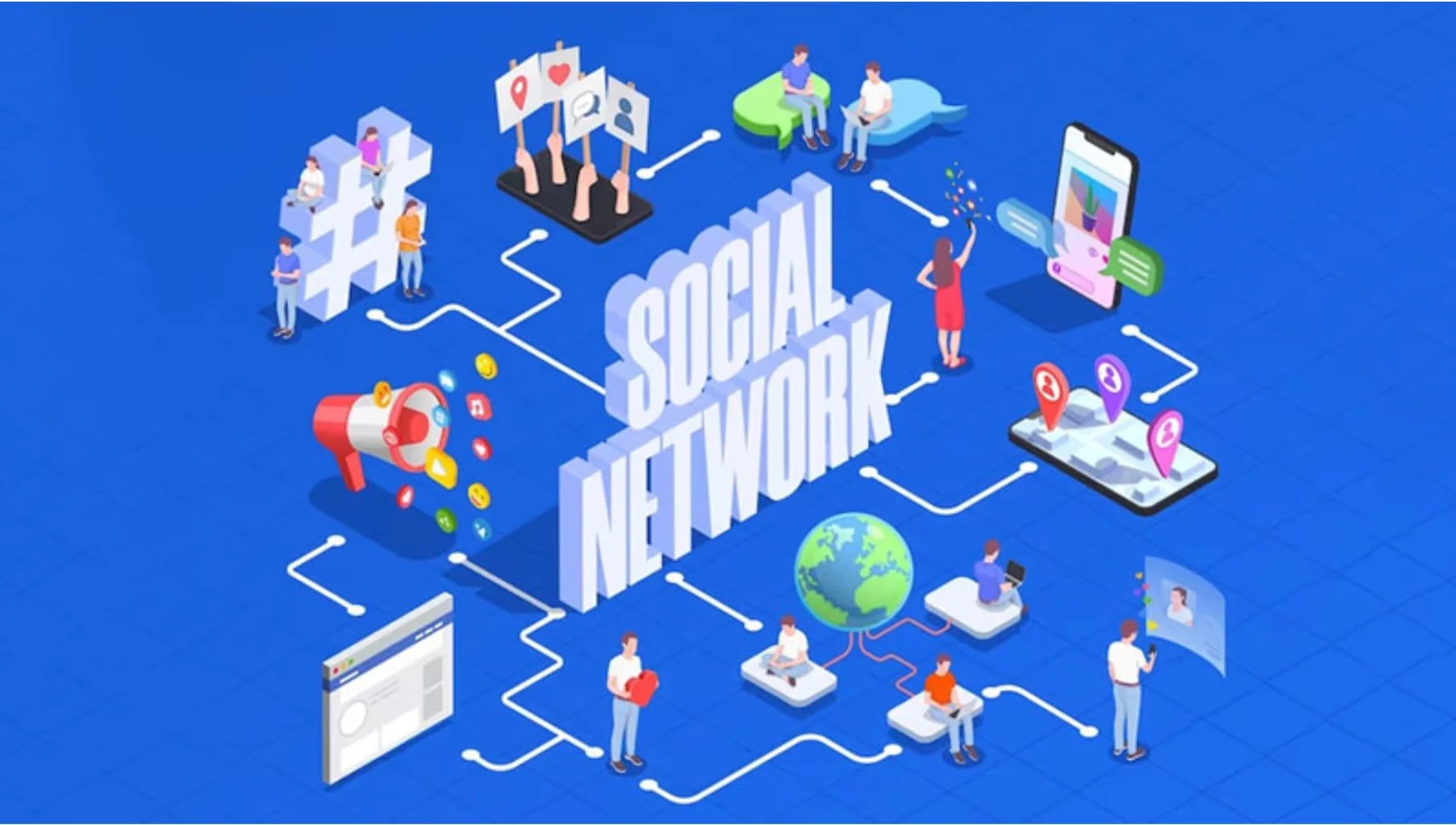
Market data in Vietnam indicates a growing consumer sensitivity to online information. According to the Digital 2025 report by We Are Social and Meltwater, over 77% of Vietnam's population uses social media, equivalent to tens of millions of people regularly accessing and interacting with online content daily. Notably, according to Google Vietnam e-Conomy SEA 2024, over 90% of internet users in Vietnam tend to search for and consult online reviews before making service decisions, especially in the tourism and accommodation sectors. Concurrently, research by BrightLocal shows that 87% of consumers read online reviews, and over 70% of them trust these reviews as much as personal recommendations. This means that every piece of feedback, whether positive or negative, has the potential to influence the perception of a large number of potential customers, extending far beyond the scope of a single personal experience.

However, operational reality shows that many hotels still approach the issue reactively, primarily "firefighting" when a crisis has already formed rather than proactively managing it from the outset. Responses are often only issued after negative content has spread widely, leaving businesses in a passive position and struggling to control the narrative. According to 2025 statistics from ReviewPro, hotels that respond to reviews within 24 hours have an online reputation score 10% to 15% higher than those with slower response times, indicating that response speed is a direct competitive factor. Meanwhile, the lack of a specialised process for media crisis management means many hotels not only react slowly but also tend to issue inconsistent or inappropriate messages. In such cases, the problem is no longer the incident itself, but how the business handles it—a factor that can determine whether a single piece of feedback remains personal or escalates into a crisis affecting the entire brand.
Reasons for ineffective crisis management processes
- Lack of a specialised and systematic crisis management framework
One common limitation in many hotels today is the failure to establish a clearly tiered crisis management framework. Situations ranging from isolated negative feedback and dissatisfied reviews to incidents with the potential to spread on social media are often not categorised by their impact level and processing priority. This leads to businesses reacting emotionally or on a case-by-case basis, lacking a consistent operational logic. Without a foundational framework, every handling decision is situational, difficult to control in terms of quality, and even harder to ensure consistency in brand messaging. According to Deloitte's research on crisis management, businesses with clear hierarchical processes can mitigate negative impacts up to 30% faster than those that react on an ad-hoc basis.
- Scattered responsibilities across operational departments
In the organisational structure of many hotels, functions such as communications, operations, and customer service often exist as "independent silos," each with its own goals and approaches. This becomes a major bottleneck during a crisis, as effective handling requires simultaneous coordination across multiple departments. When information is not shared promptly or there is no single point of accountability, responses can be delayed or lack consistency in content. According to a McKinsey report, organisations with high levels of cross-functional collaboration can improve decision-making speed by up to 25%, especially in situations requiring rapid response, such as media crises. Conversely, fragmented coordination not only reduces handling effectiveness but also increases the risk of "speaking with many voices," fragmenting the brand message.
- Limitations in decision-making speed in a real-time environment
Social media operates on a real-time logic, where information can spread exponentially within hours. However, many hotels still maintain multi-tiered approval processes, which are suitable for internal operations but no longer appropriate for the digital media environment. When a response needs to go through multiple management levels before being published, the "golden hour" to control the narrative has often passed. According to Harvard Business Review research, businesses that respond within the first hour are significantly more effective at crisis control than those that respond after 24 hours. This shows that speed is not just an operational factor, but a competitive advantage in media risk management.

- Lack of data platforms and social listening tools
Another limitation lies in the fact that many hotels have not invested adequately in social media monitoring and data analysis tools. Without a social listening system, businesses often only detect problems when negative content has already spread widely or is reported through indirect channels. This misses the opportunity for early intervention when the problem is still small-scale and easy to control. According to PwC, businesses that apply data analytics in experience management can detect risks 40% faster, thereby significantly reducing crisis management costs. Conversely, without data, all reactions are passive, leaving businesses always "behind" in the information game.
- Gap in media crisis management skills training
Finally, the human factor remains a critical link that has not been adequately invested in. While hotel staff are often well-trained in service operations and direct customer care, crisis management skills in the digital environment have not received commensurate attention. The social media environment demands not only speed but also subtlety in language, emotional control, and a clear understanding of crowd psychology. According to a World Economic Forum report, skills related to communication and emotional intelligence will be among the most important skill sets during the digital transformation phase. When staff are not fully equipped, every inappropriate response, no matter how small, can become a factor that escalates the severity of a crisis.

When a crisis is uncontrolled: Impact beyond a single incident
If not approached and handled systematically, a communication crisis in the hotel industry rarely stops at the scope of a single response, but often develops into chain reactions, directly affecting multiple layers of a business's value. The first and most obvious consequence is the decline in brand reputation. In a market where trust plays a key role in decision-making, every uncontrolled negative response can erode the image the hotel has built over a long period. According to Deloitte research, customer trust can significantly decline after a single media incident if the response is not transparent or does not meet expectations. For the hotel industry, where experiences are highly emotional and often "word-of-mouth" through digital platforms, this decline in trust is not only immediate but can also be prolonged and affect market perception in the long term.
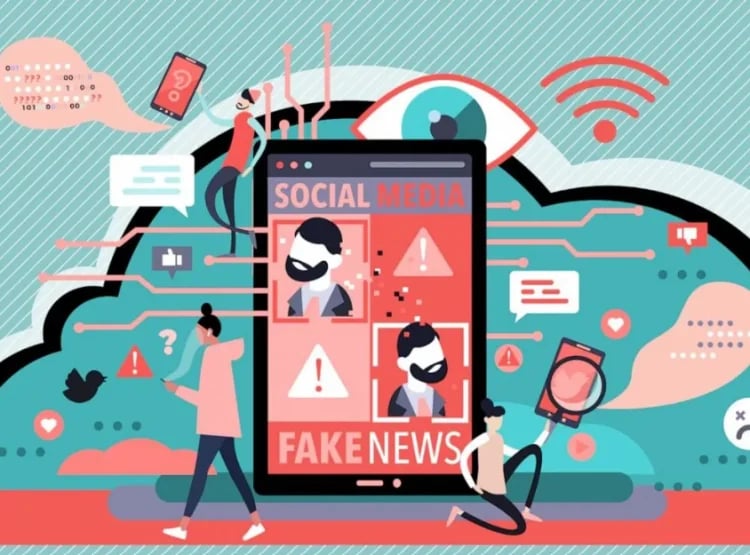
The next consequence is clearly reflected in business performance, especially metrics directly related to revenue such as occupancy rate or RevPAR. In an environment where consumers increasingly rely on online review platforms, digital reputation becomes a variable that directly influences booking decisions. According to a ReviewPro report, hotels with higher online reputation scores often achieve RevPAR 5% to 9% higher than the market average. Conversely, when negative feedback appears frequently and is not handled effectively, it not only reduces trust but also creates competitive pricing pressure, forcing hotels to adjust their business strategy in a less optimal direction. This shows that a communication crisis, if not controlled, can directly translate into financial losses. At the spreading level, the social media environment exponentially increases the impact of a crisis. Negative content, especially when related to customer experience, can quickly be shared, commented on, and amplified across various platforms. At that point, the narrative is no longer under the business's control but becomes an "information flow" driven by the community. According to many studies on consumer behavior, negative content tends to spread faster and more powerfully than positive content, due to emotional factors and higher attention. This means an initial incident, if not handled in a timely manner, can quickly escalate into a large-scale crisis, far exceeding its initial scope of impact.

Finally, communication crises also entail significant internal operational pressures and handling costs. When an issue erupts, businesses not only have to dedicate resources to control information on media channels but also simultaneously address consequences related to service operations, customer care, and even legal issues if any. According to PwC, businesses with poor customer experience often incur 20% to 30% higher service costs compared to businesses with efficient operating systems. In this context, a crisis is not just a "media incident" but becomes a comprehensive resource challenge, where any deviation in the process can translate into costs and long-term risks.
From reactive response to proactive management: Building a media crisis management process
To transform a communication crisis from a potential risk into an opportunity to strengthen trust and reposition the brand, hotels need to change their approach, from situational reactions to systematic management. A crisis should not be seen as an "unusual event" but should be integrated as an essential part of the overall Process strategy, where all scenarios are anticipated, all reactions are guided, and all touchpoints are controlled. When placed within a clear process structure, crisis management no longer depends on intuition or personal experience but becomes an operational capability that can be measured, optimized, and continuously improved.

First and foremost, the most crucial foundation is to build a systematic crisis management framework, where situations are categorised by impact level, from isolated feedback to crises with the potential for widespread escalation. Each level requires a standard response time, a clear action plan, and defined inter-departmental coordination mechanisms. This ensures that every response is timely while maintaining brand message consistency. NewSun Hospitality's strategic consulting and operational solutions focus on designing SOPs that integrate operations and communications, enabling hotels not only to react quickly but also to control how the story is told externally. With clear processes, organisations are no longer passive in the face of crises but can proactively shape how issues are perceived. Concurrently, the application of technology and social listening systems acts as an "early warning system," helping businesses detect risks from their inception. By collecting and analysing data in real-time, hotels can identify response trends, spread levels, and user sentiment, thereby making timely intervention decisions before issues spiral out of control. However, technology is only truly effective when coupled with appropriate empowerment mechanisms. In a digital environment where speed is critical, streamlining approval processes and empowering frontline positions or designated points of contact is essential. A timely, contextually appropriate, and emotionally resonant response is often far more valuable than a complete response that arrives too late.

Beyond processes and technology, people remain at the heart of all crisis management activities. Staff training should extend beyond operational skills to include digital communication competence, emotional control, and a deep understanding of customer psychology in public settings. NewSun Hospitality's training programmes are designed to help teams not only "follow the process correctly" but also "do things the right way," knowing how to use language and attitude to transform negative situations into opportunities to build goodwill. Ultimately, when crisis management is integrated into the overall customer experience strategy, each response is no longer a problem to be solved, but a touchpoint that can enhance brand value. In such cases, how a business handles a crisis is how it will be remembered.
Conclusion: Crises are unavoidable, but they can be managed
In a world where information spreads in real-time, media crises are no longer a rare risk but an inevitable part of operations. The issue is not whether a crisis will occur, but whether the business is prepared to handle it. When approached correctly, a crisis management process not only helps mitigate risks but also becomes a powerful tool to build trust and enhance brand value. For hotels seeking a comprehensive solution to build a modern operating system, NewSun Hospitality can assist in designing and implementing crisis management processes tailored to the industry's specific characteristics, thereby enhancing competitiveness in the new landscape.
- Hotline: +84 768 68 2913
- Email: dosm@nshm.com.vn
- Zalo OA: https://zalo.me/2452770272256938463 (NewSun Hospitality)
- Website: https://nshm.com.vn/ (NewSun Hospitality)
References
- We Are Social & Meltwater (2025). Digital Report Vietnam 2025.
- BrightLocal (2024). Local Consumer Review Survey.
- Deloitte (2024). Global Customer Experience Insights.
- ReviewPro (2025). Hotel Reputation and Revenue Report.