


 VN
VN EN
ENFollowing the strong post-pandemic recovery of the global tourism industry, the market is not merely returning to "normal" but entering an entirely new development cycle. Previously, the accommodation experience was primarily measured by tangible amenities – rooms, services, F&B – but now, the measure of value has shifted deeper into the customer's inner experience. Travellers no longer simply seek a place to rest, but expect a journey that helps them recover physically, balance mentally, and rejuvenate energetically after prolonged pressures from work and urban life.
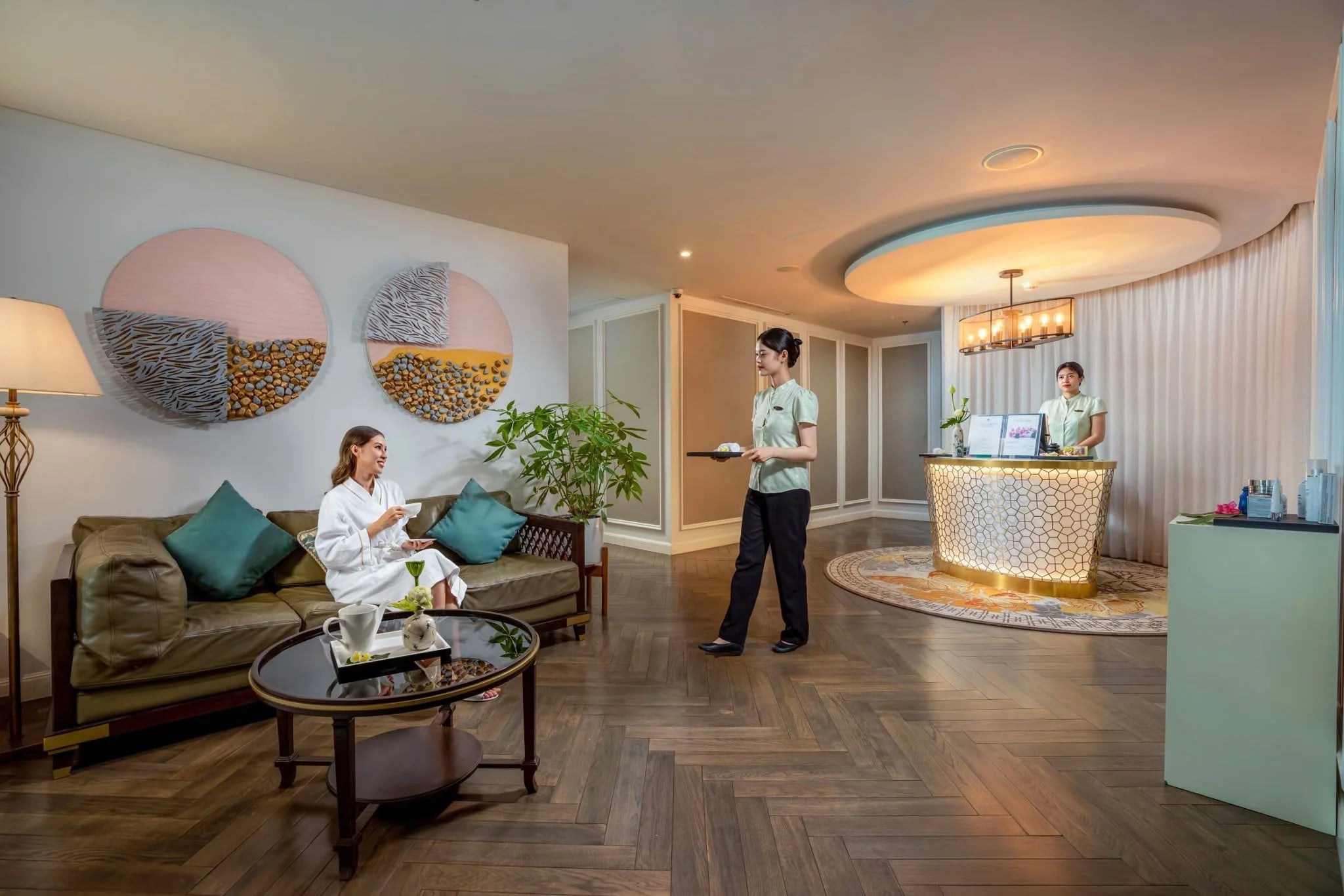
According to a report from Savills Vietnam, the Vietnamese hotel market is showing clear signs of recovery, with a strong increase in international arrivals and continuous improvement in occupancy rates during the 2024–2025 period. However, this picture is not entirely "rosy." Alongside the recovery is a surge in supply, particularly in the mid-range and upscale segments, with an increase of nearly 25% between 2020 and 2024. This means that competition is not only returning but becoming fiercer than before, as hotels increasingly converge on facility and service standards. In this context, the differentiating factor is no longer "facilities" but the emotional experience and spiritual value that the hotel provides – where brands that know how to connect with guests' inner states will be the leaders.
Wellness Tourism: No Longer a Niche Trend
Market Size and Growth Rate
In recent years, wellness tourism has moved beyond being a "luxury" or "niche" segment to become one of the key growth pillars of the global tourism industry. In Vietnam, this trend is clearly evident in both its scale and development speed.
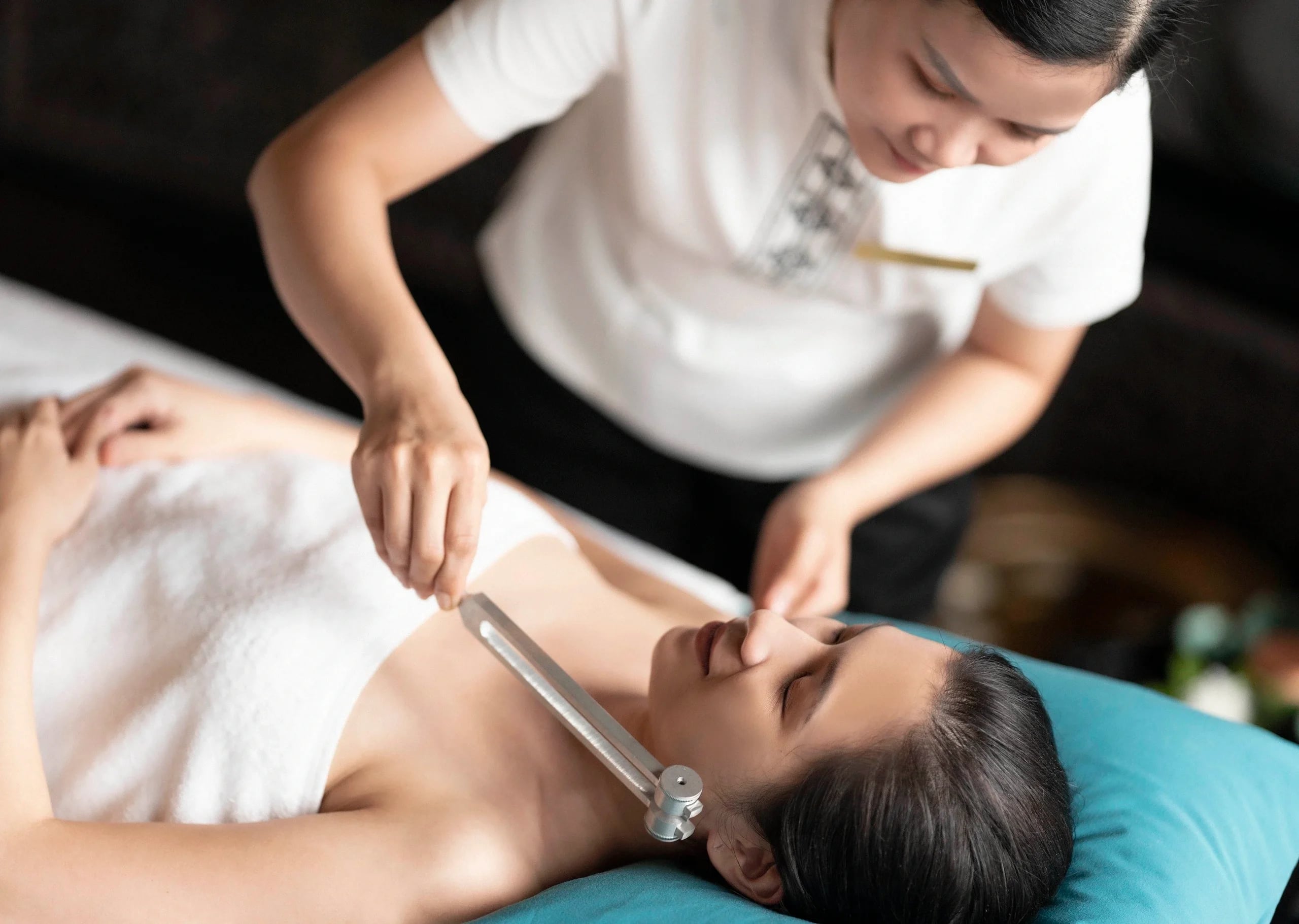
According to a report from IMARC Group:
- The wellness tourism market in Vietnam reached approximately 5 billion USD in 2024
- Expected to grow to 11.7 billion USD by 2033
- Maintaining a Compound Annual Growth Rate (CAGR) of 8.84% per year
These figures not only reflect the potential of an expanding market but also indicate a structural shift in travel demand. While tourism previously revolved mainly around sightseeing and relaxation, customers are now increasingly prioritising experiences that offer long-term value for physical and mental health. Globally, studies from the Global Wellness Institute also show that wellness tourists spend significantly more, ranging from 30% to 170% more than regular tourists. This means that wellness is not just a consumer trend, but also a revenue and profit driver for tourism and hotel businesses that know how to leverage it correctly. More importantly, the stable and continuous growth rate of this segment indicates that health and "healing" tourism is becoming a long-term need, rather than a short-term, temporary trend.
What is Wellness Tourism – and how is it changing?
Essentially, wellness tourism is not merely about providing spa services or luxury retreats. It is a tourism model focused on holistic balance between physical, mental, and emotional well-being, where every touchpoint in the guest's journey contributes to improving their inner state. According to the Global Wellness Institute's definition, wellness tourism is travel for the purpose of actively pursuing or maintaining health and well-being through intentionally designed experiences.
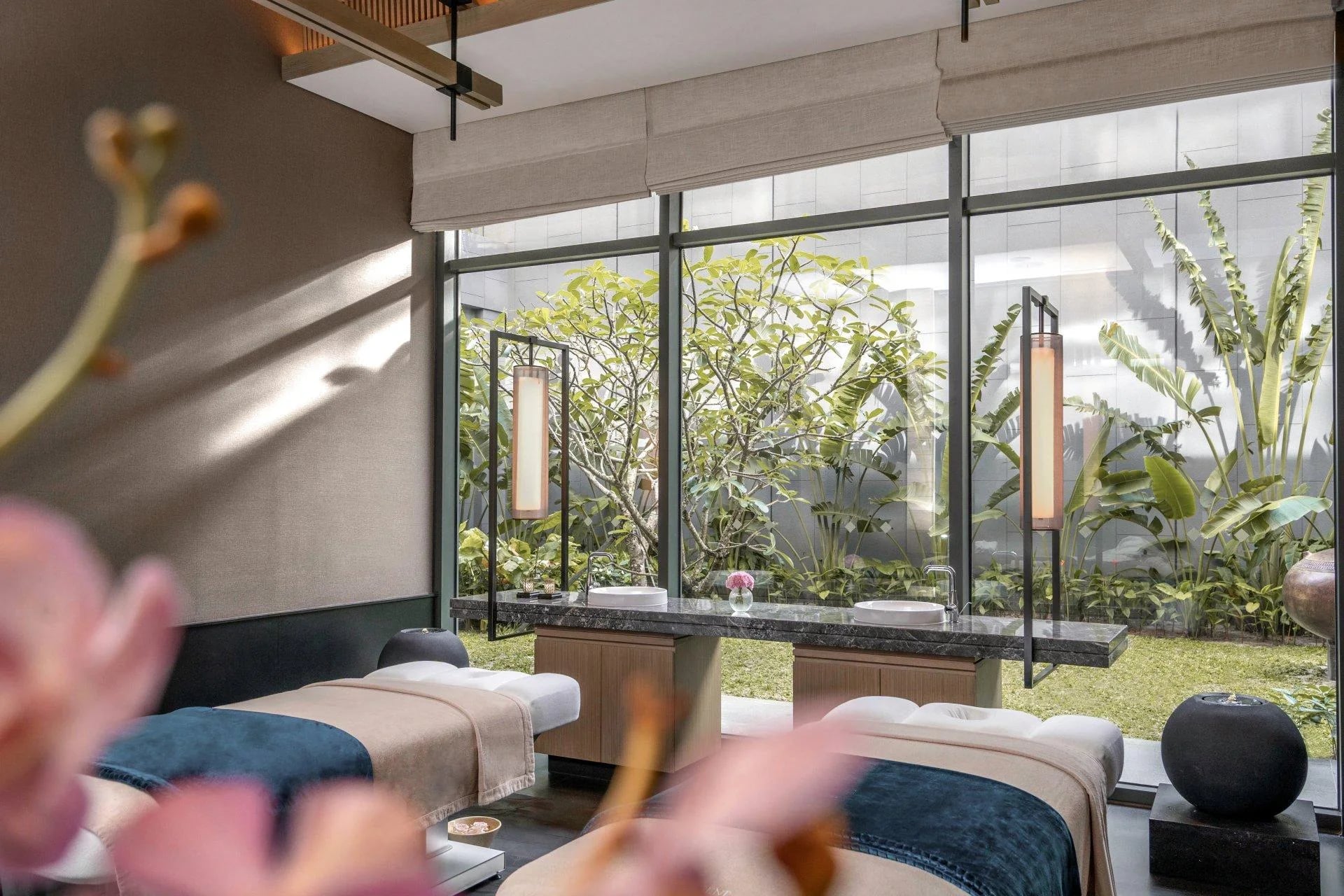
However, the most notable aspect is not the definition, but how this concept is evolving in the 2025–2026 period:
- From isolated services → seamless journey experience
Previously, wellness was often "boxed in" to a few distinct services such as spa, yoga, or detox. Today, this element is being integrated into the entire customer journey – from pre-arrival, check-in, to stay and post-stay.
- From "add-on" → becoming "core" in operations
Wellness is no longer an additional amenity to "enhance" a product, but is becoming a core part of the operational strategy. Leading hotels are not asking "should we offer wellness or not", but rather: How can every process provide a sense of healing for guests? This shift marks a significant transition: from selling services to designing experiences, and further to creating positive emotional states for guests throughout their stay.
Why must "healing" become part of the Process?
One of the most common mistakes in the hotel industry today is approaching wellness as an "add-on" – meaning adding spas, yoga, or health facilities as a bonus to the product. However, this approach only addresses the "surface level", while the customer experience is determined by the entire operational journey behind it.
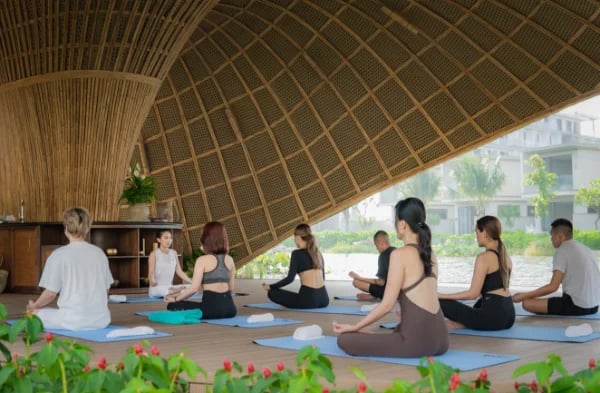
The reality shows:
- If wellness is limited to a few isolated services (like a spa): The experience will be fragmented, disconnected, and insufficient to create a clear differentiation in customer perception.
- If not standardised into a process: The quality of the experience depends entirely on individual staff members, leading to instability and difficulty in control.
- If not integrated into the overall operational system: Consistency across touchpoints cannot be achieved, making the "healing" experience random and unsustainable.
Meanwhile, from an in-depth operational perspective: Process is the core element that systematically shapes the customer experience, making it controllable and scalable. A well-designed process not only ensures operational efficiency but can also:
- Guide customer emotions through each stage
- Create consistency in the experience
- Transform "intangible" elements like emotions, relaxation, or satisfaction into reproducible results
In other words, if "wellness" is the goal, then process is the path to achieve that goal sustainably. In the era of wellness tourism 2026, leading hotels will not stop at "having healing services", but will go further: Transforming the entire operational process into an intentional healing journey for customers.
Integrating the "healing" element into standard service processes
In the context of the strong development of wellness tourism 2026 , integrating the "healing" element into every touchpoint of the customer journey is no longer a creative option, but has become a mandatory requirement in modern hotel operational process design. The key is not in "having wellness services", but in how businesses standardise the healing experience into a comprehensive, consistent, and scalable system.
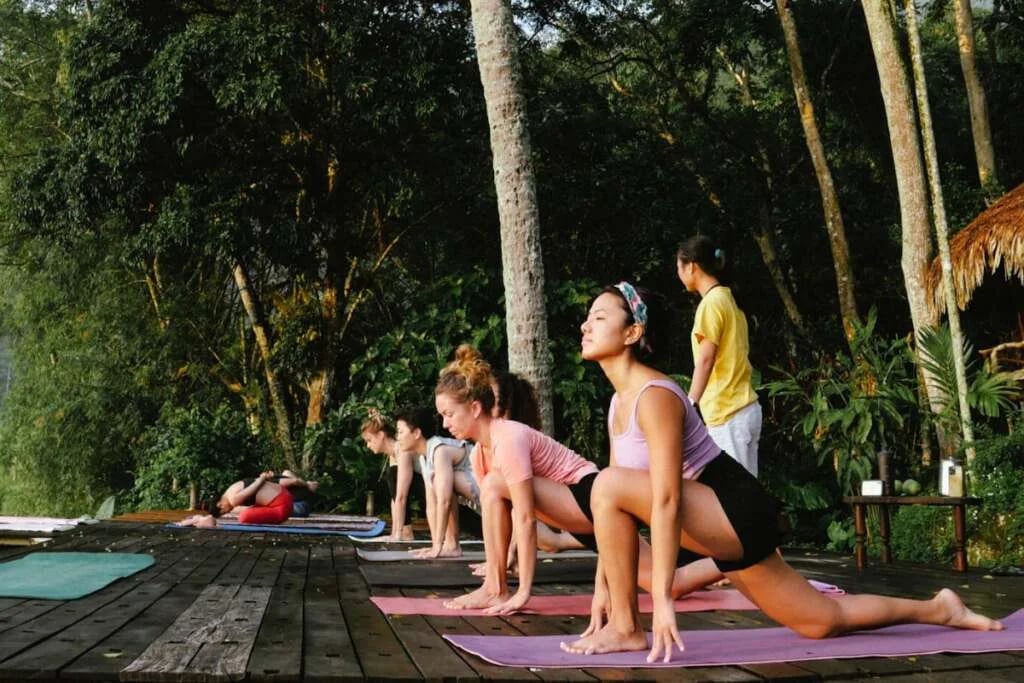
Below is the approach for each stage in the guest journey:
1. Pre-arrival: Setting the mental state
The healing experience doesn't begin when guests enter the hotel, but from their very first interaction with the brand.
- Personalised communication with a gentle tone: Confirmation emails, OTA messages, and pre-stay care channels should be designed with subtle language, creating a sense of relaxation rather than administrative formality.
- Surveying needs and trip purpose: Guests on a wellness retreat, detox, honeymoon, or family bonding trip will have entirely different expectations. Gathering information beforehand helps the hotel prepare a more suitable experience.
- Suggesting suitable wellness experiences: Instead of just providing general information, the hotel can propose a personalised itinerary: morning yoga classes, detox menus, relaxation treatments, etc.
This is the first step to help guests transition from "busy" to "ready to relax", laying the foundation for the entire experience that follows.
2. Check-in: The emotion-defining moment
Check-in is no longer merely an operational procedure, but the most crucial touchpoint for establishing the initial emotional impression.
- Designing a healing space: Soft lighting, natural scents, gentle music… all contribute to slowing down the guest's emotional pace as soon as they enter.
- Subtle communication style: Staff should not just follow procedures, but communicate at a slow, friendly pace, without creating pressure or a sense of rush.
- Streamlining procedures: Utilise technology to reduce waiting times and eliminate unnecessary steps, helping guests quickly enter a state of relaxation.
When designed correctly, check-in becomes a moment of transition from "travel" to "relaxation", rather than just an administrative formality.
3. During the Stay (Stay Experience): Continuously maintaining a healing state
This is the core stage, where the wellness experience needs to be maintained seamlessly and without interruption.
- Personalising the room space
- Lighting suitable for daily routines
- Scents that aid relaxation or boost energy
- Gentle sounds, minimising noise
- Integrating wellness activities into the itinerary
- Morning yoga or meditation
- Detox, clean-eating menus
- "Digital detox" activities to reduce reliance on electronic devices
- Designing an appropriate pace for the experience Not overwhelming with activities, but creating space for guests to truly rest and reflect.
The goal of this stage is to ensure guests maintain a state of balance – relaxation – energy renewal throughout their stay.
4. Housekeeping: "Healing" through invisible details
In hotel operations, housekeeping is often considered a "backstage" department. However, in the wellness model, it is one of the strongest influencing factors on the emotional experience.
- Optimising room cleaning times: Align with the guest's biological rhythm and schedule, avoiding disruption to their rest time.
- Minimising noise and intrusion: Operational procedures should minimise disruptive impacts such as trolley noise or unnecessary knocking.
- Transitioning from "clean" to "fresh & calm": Not just clean, but providing a pleasant sensation: subtle scents, airy spaces, positive energy.
Housekeeping is the "invisible touchpoint", where guests may not interact directly much, but most clearly perceive the hotel's subtle care.
- Check-out & Post-stay: Extending the healing experience
The wellness experience should not end when guests leave the hotel, but should be extended to create a lasting impression.
- Personalising the farewell: Recalling memorable touchpoints from the guest's journey, creating a feeling of being valued.
- Post-stay follow-up
- Sending a thank-you email with a gentle tone
- Sharing health and wellness tips to maintain good habits
- Suggesting reasons to return in the future
This helps the hotel maintain an emotional connection with guests, while transforming the stay experience into a part of their long-term self-care journey.
Conclusion
If your business is:
- Looking to restructure operational processes towards an experience-centric approach
- Building a comprehensive wellness hotel model
- Or upgrading services to keep pace with 2026 trends
NewSun Hospitality is ready to accompany you from strategy to practical implementation. Contact us now for consultation on an operational model suitable for your Wellness Tourism direction.
- Hotline: +84 768 68 2913
- Email: dosm@nshm.com.vn
- Zalo OA: https://zalo.me/2452770272256938463 (NewSun Hospitality)
- Website: https://nshm.com.vn/ (NewSun Hospitality)
References
- IMARC Group. (2024). Vietnam Wellness Tourism Market Report 2025–2033.
- Savills Vietnam. (2024). Ha Noi Hotel Market Report Q2 2024.
- Savills Vietnam. (2024). Vietnam Hospitality Market Update.
- Vietnam National Administration of Tourism. (2025). Wellness Tourism Development Insights.
- Trần Thị Hoàng Anh. (2023). Wellness tourism experiences in Quang Ninh Province.
- Global Wellness Institute & related sources compiled.