

 VN
VN EN
ENFor the past decade, the hotel industry's distribution strategy has largely revolved around one central theme: digitalisation. From OTAs and metasearch to websites and booking engines, every effort has been directed towards optimising online touchpoints to increase customer reach and conversion. However, while the "online battleground" becomes increasingly fierce, a notable reality is emerging: many hotels are inadvertently neglecting or underutilising offline direct channels – where a segment of customers with clear needs and behaviours still exists. Facebook Fanpages, Zalo, hotlines, and even walk-in guests are, in essence, "direct touchpoints" that offer significant advantages in conversion rates and profit margins. Yet, when these channels are not adequately invested in, their effectiveness diminishes, and customers are inadvertently pushed towards intermediary platforms.
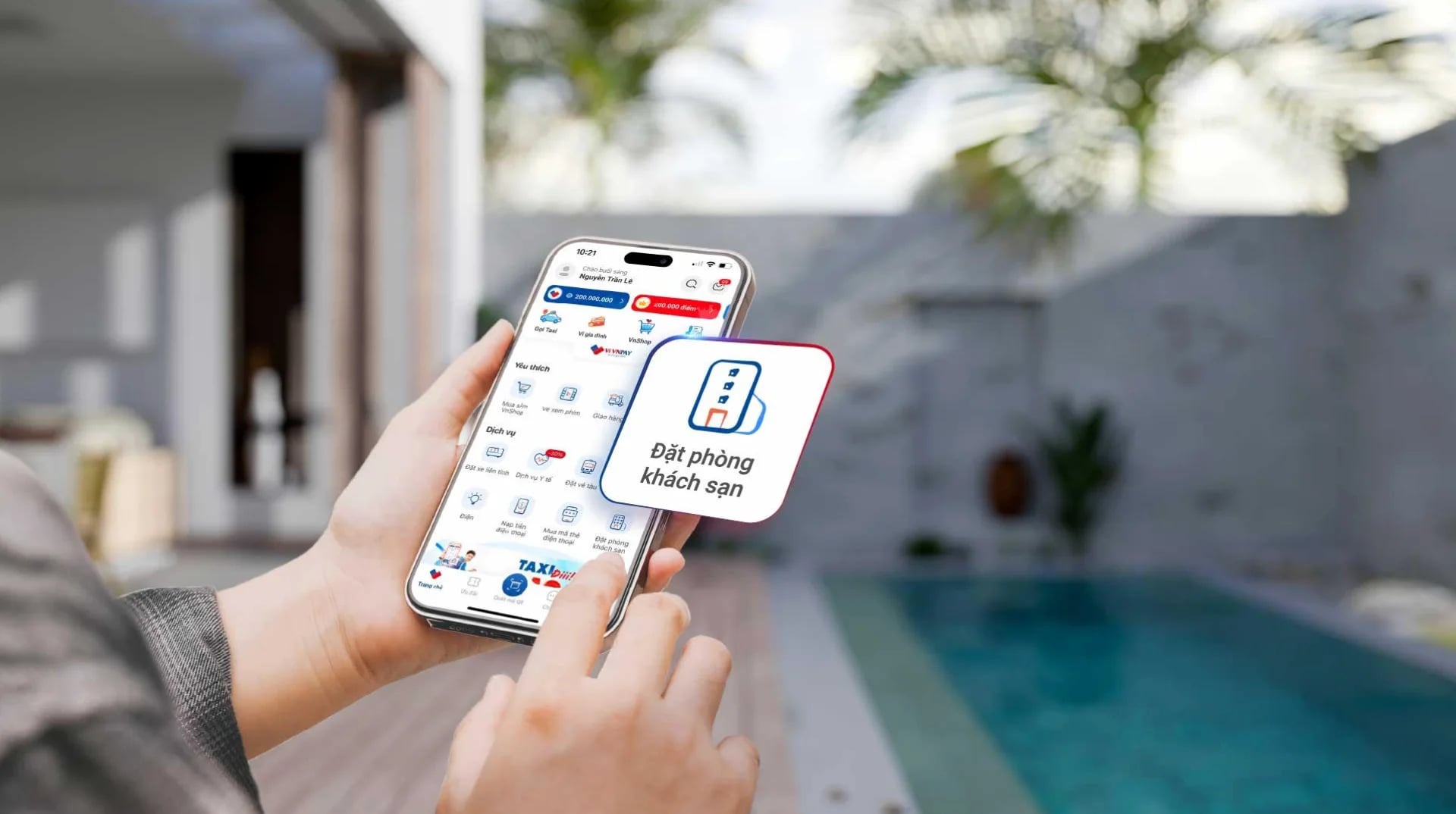
According to the Google & Temasek e-Conomy SEA 2024 report, although online bookings in Southeast Asia have exceeded 70%, 25–30% of customers—especially domestic tourists, business travellers, and older demographics—still prefer direct interaction via phone or social media before making a decision. This indicates that "offline" channels are not disappearing but coexisting as a vital part of the customer journey. In this context, the article “DECODING HOTEL PLACE STRATEGY – PART 3: Underutilised Offline Direct Channels (Fanpage, Hotline, Walk-in)” will delve into a "strategic gap" that many hotels are overlooking – where potential revenue exists but has not yet been converted into tangible results.
Current Situation: Direct channels exist but are not truly "operational"
In reality, from a "channel infrastructure" perspective, most hotels today, especially in the 4–5 star segment, already possess a full range of offline direct touchpoints. From booking hotlines, Facebook fan pages, and Zalo OAs to front desk teams ready to welcome walk-in guests, this ecosystem appears to lack almost no components. However, the core issue is not "whether they exist," but rather how these channels are operated and integrated into the overall revenue strategy. In many cases, they function as passive support tools, instead of being leveraged as primary sales channels capable of generating direct revenue and profit. Operational reality reveals a significant gap between customer expectations and the hotel's response capabilities. It's not uncommon to encounter typical situations: customers message via a fan page but have to wait hours, or even until the next day, for a response; hotlines only operate during business hours; calls outside these hours are not answered; or staff provide incomplete information, lack advisory skills, and are unable to "close sales." Meanwhile, according to a Meta report (2024), over 70% of users expect businesses to respond to messages within 1 hour, and about 50% of users state they will choose another option if they don't receive a timely response. Notably, according to Google Travel Insights (2024), "multi-channel search" behavior is increasingly common, where customers might message for information on social media first, but will book directly on an OTA if they don't receive a sufficiently fast and convincing response.

This response delay is not merely an operational issue; it directly impacts conversion rates. According to HubSpot (2024), lead conversion capability can decrease by up to 80% if response time exceeds the first 5 minutes in service industries. While this figure may differ in the hospitality industry, the general trend is clear: the slower the response speed, the higher the likelihood of losing customers. This is particularly crucial given that OTAs always provide an "instant" experience where customers can view prices, compare, and complete bookings in just a few minutes. In Vietnam, according to a report by the Vietnam National Authority of Tourism (2025), domestic tourists still account for the majority of total overnight guests, and within this group, a significant proportion, especially middle-aged guests, business travelers, or small group travelers, maintain the habit of calling directly to inquire about prices, negotiate, or confirm services before booking. However, if this experience is not good enough, they will quickly switch to OTA platforms – where information is transparent and the booking process is simpler.

All these factors create a clear paradox in distribution strategy: while hotels accept paying 15–25% commission to OTAs to acquire customers, those very customers who proactively seek out the hotel directly – through channels with almost zero cost – are not effectively leveraged. According to Deloitte (2025), the cost of acquiring a booking via an OTA can be 5–7 times higher than a direct booking, yet in many cases, hotels are "handing over" customers from direct channels to OTAs simply due to a lack of operational capability at the most basic touchpoints.
Causes: When People, Processes, and Technology are Not Synchronised
The root of this problem is not a single bottleneck, but rather the result of a lack of synchronisation among the three core pillars in direct channel operations: people, processes, and technology. When one of these three elements operates out of sync, the entire customer experience and conversion effectiveness are affected – especially at "hot touchpoints" such as hotlines, fan pages, or walk-ins. Firstly, there is the issue of human resources and operations where "small gaps" lead to significant losses. In many hotels, particularly in the mid-sized segment, front desk staff often have to juggle multiple roles simultaneously: from check-in, check-out, and handling complaints to assisting resident guests. In this whirlwind, answering phone calls or responding to fan page messages is often relegated to a lower priority. According to Hotel Tech Report (2025), over 55% of hotels in Asia do not have dedicated staff for direct sales channels, leading to a high rate of missed potential customers.
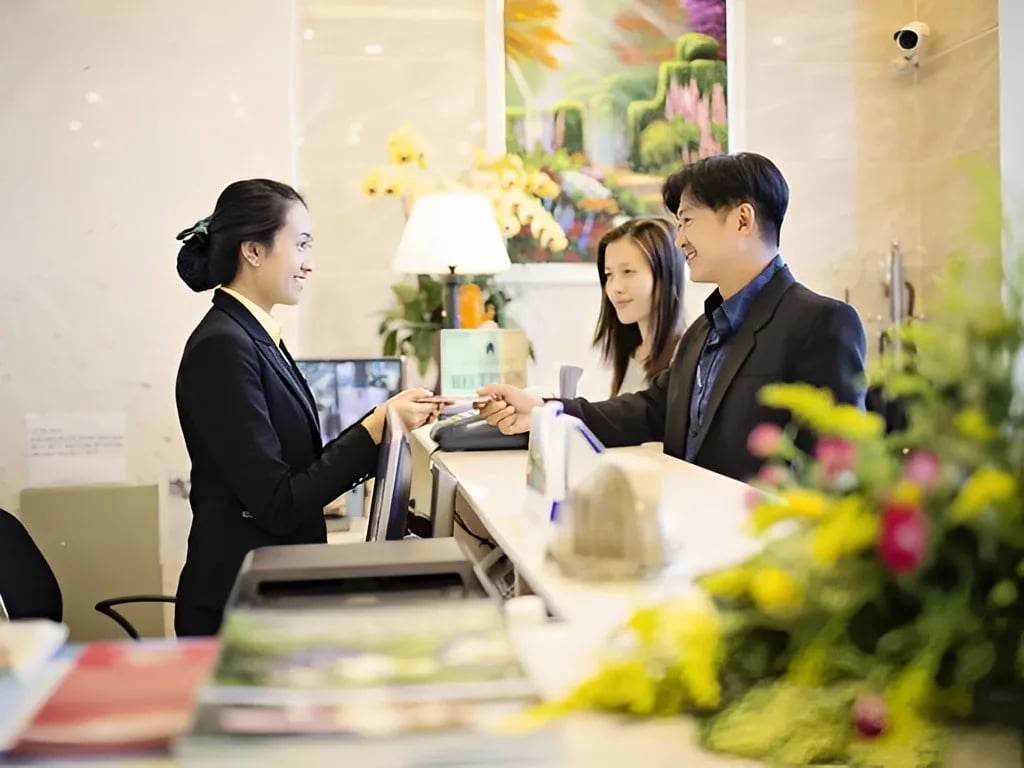
A very typical example: during peak check-in hours (around 5 PM–7 PM), a business traveler calls to urgently book 5 rooms for a business trip the next day. Because the front desk staff is busy assisting guests at the counter, the call is not answered in time. Within minutes, this customer might switch to booking via an OTA or contact another hotel. In this case, the revenue opportunity is not lost but simply "transferred" to another channel or competitor due to the lack of a sufficiently fast response process. Secondly, there is the issue of distribution mindset a "subtle strategic" factor that directly influences how hotels allocate resources. Many hotels still assume that premium customers will prioritise booking through online platforms, while channels like hotlines or walk-ins only serve individual, low-price guests. However, market reality shows a different picture. According to PwC (2025), over 40% of corporate segment customers in Asia still prefer channels with human interaction to ensure flexibility and negotiation capabilities.
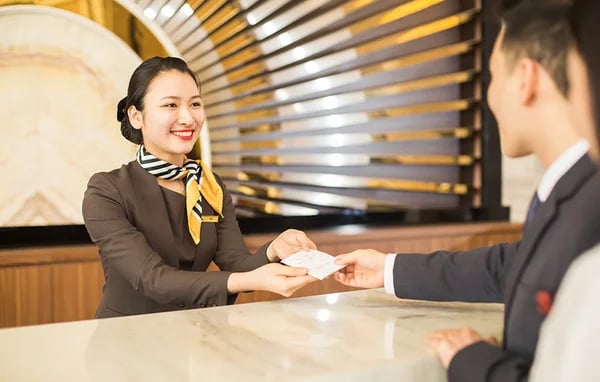
For example, a small MICE group leader might call the hotel directly to inquire about pricing policies, cancellation terms, or additional services like meeting rooms and catering. These are elements that OTAs struggle to personalise or handle flexibly. If hotels fail to capitalise on this opportunity by offering in-depth advice and suitable solutions, they not only lose bookings but also miss out on building long-term customer relationships. Thirdly, and this is an "infrastructure" factor, is the limitation of technology and data integration capabilities. In many hotels, channels such as hotlines, fan pages, or Zalo still operate separately from central management systems like PMS or CRM. This leads to a series of operational risks: booking information not being updated promptly, room status not being synchronised, or worse, overbooking.

A very real scenario: a receptionist takes a booking over the phone and confirms with the guest, but before it can be updated in the system, an OTA simultaneously sells the same room to another guest. The result is that when the guest arrives, the hotel faces an "overbooked" situation and is forced to resolve it by upgrading the room or transferring the guest to another property, incurring additional costs and negatively impacting the customer experience. According to Oracle Hospitality (2024), hotels that have not integrated multichannel systems have a 20–25% higher booking error rate compared to those with synchronised digital systems—a significant figure that directly affects operational efficiency. Overall, the problem is not a lack of channels, but rather that these channels are not "connected" into a unified system. When staff are not sufficiently dedicated, processes are not clear enough, and technology is not adequately synchronised, direct channels, despite their great potential, remain merely "existing" rather than becoming a true growth driver in the hotel's distribution strategy.
Consequences: When Revenue Opportunities "Leak" at Direct Touchpoints
If not systematically improved, neglecting offline direct channels will not only result in the loss of a few individual bookings but will gradually lead to deeper consequences, simultaneously impacting revenue, customer experience, and long-term brand value. Firstly, hotels are losing a high-value customer segment—those who are not merely seeking the lowest price, but are willing to pay more for clear advice, flexible policies, and the feeling of being "cared for by a human". This often includes corporate clients, small groups, families, or middle-aged guests—segments with very high conversion rates when advised correctly. According to McKinsey (2025), human touchpoints can increase conversion rates by 2–3 times compared to purely automated channels. However, a unique characteristic of this group is their low "patience threshold": if they do not receive a timely or convincing response, they will quickly move to another option and not return.

Imagine a familiar scenario: a corporate client urgently needs to book a room for a business trip the next day. They call the hotel directly to inquire about prices and flexible policies. If the call goes unanswered, or the staff member provides insufficient information, this client will likely immediately open an OTA app to find an alternative. Within minutes, a high-value booking that could have been secured directly with optimal profit margins becomes an intermediary transaction, incurring significant commission costs. This is the second consequence: hotels inadvertently "push" their customers to OTAs. When direct channels fail to meet expectations for speed and quality of response, OTAs become the default choice due to their convenience and immediacy. According to Google Travel Insights (2024), over 65% of users will switch to an online booking platform if they cannot find information or receive a quick response from the hotel's official channel. This creates a detrimental cycle: hotels invest in attracting customers (through marketing, social media, branding) but fail to retain them at the "final touchpoint," and then have to pay an additional 15–25% commission to complete the same booking on an OTA. According to Deloitte (2025), the cost of acquiring a booking through an intermediary channel can be 5–7 times higher than through a direct channel—a significant difference that directly impacts operating profit.
The third and more long-term consequence lies in the disruption of customer experience and the negative impacts on brand image. In an era where every interaction can become a public review, a slow-responding fan page, an unanswered call, or an unprofessional walk-in experience can all leave a "digital footprint" on social media platforms. According to BrightLocal (2025), 87% of customers read online reviews before making a service booking decision, and among these, negative feedback related to service quality—especially delays or lack of support—has the strongest impact on brand perception. From a broader perspective, neglecting offline direct channels also means that the hotel is losing the opportunity to build direct relationships with customers—a key factor in long-term strategies such as CRM, loyalty, and upsell. When customers book through an OTA, this relationship is "intermediated," and the hotel merely acts as the final service provider, rather than the owner of the experience.
Solution: Re-activating the "Human Touchpoint" in the Place Strategy with NewSun Hospitality
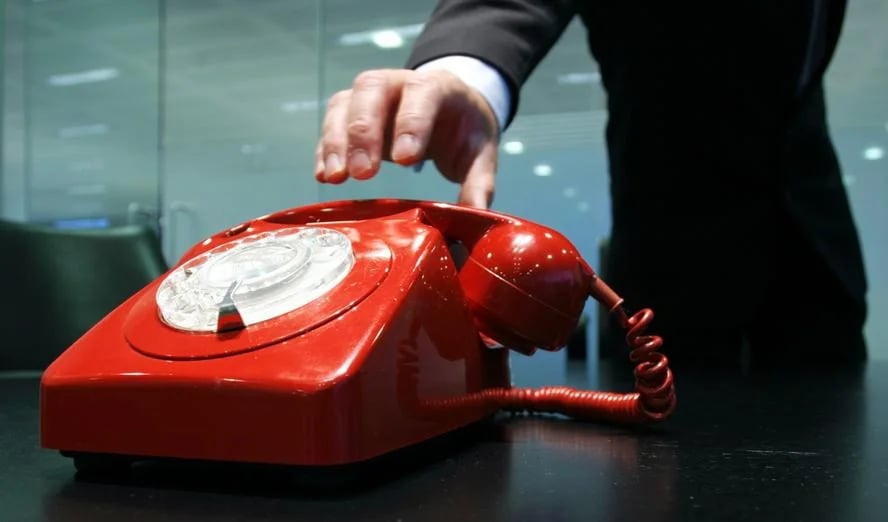
To effectively leverage offline direct channels, hotels need to re-evaluate the role of these touchpoints, seeing them not just as support channels but as a crucial part of their revenue strategy. First, the quality of service on direct channels must be enhanced. Hotlines should operate 24/7, either through an internal rotation model or by outsourcing to a professional call centre. Staff managing fan pages and phones require thorough training in advisory skills, situation handling, and closing sales, acting as true "sales agents". NewSun Hospitality provides training programmes and sales & marketing team restructuring, helping hotels enhance their internal capabilities in converting direct customers.
Concurrently, technology integration is essential. Requests from hotlines, Facebook, and Zalo must be synchronised with the CRM or PMS, ensuring all bookings are updated in real-time. NewSun supports the implementation of integrated technology solutions and operational processes, helping hotels control the entire customer journey from online to offline. Another crucial solution is reallocating inventory for direct channels. Retaining 5–10% of rooms not distributed via OTAs gives hotels "room" to accommodate walk-in guests or special requests. This also helps reduce overbooking risks and optimises revenue in last-minute situations. Finally, hotels need to proactively communicate the benefits of direct booking, not only on their website but also on fan pages, hotlines, and at physical touchpoints. When customers perceive better support, greater flexibility, and a more personalised experience, direct booking behaviour will gradually develop.
Conclusion: When "Offline" Becomes a Forgotten Competitive Advantage
In an increasingly digital world, the seemingly "traditional" human element is becoming a distinct competitive advantage. Offline direct channels, when operated correctly, not only help hotels increase revenue but also build lasting customer relationships. The issue is not a lack of channels, but rather improper utilisation. If you are looking to optimise your entire distribution ecosystem from online to offline – NewSun Hospitality is ready to partner with you in designing and operating a comprehensive Distribution Channel strategy, where every touchpoint becomes a revenue opportunity.
- Hotline: +84 768 68 2913
- Email: dosm@nshm.com.vn
- Zalo OA: https://zalo.me/2452770272256938463 (NewSun Hospitality)
- Website: https://nshm.com.vn/ (NewSun Hospitality)
References
- Google & Temasek (2024). e-Conomy SEA Report
- Skift Research (2025). Hotel Distribution Outlook
- STR Global (2025). Hotel Channel Mix Report
- PwC (2025). Consumer Behavior in Hospitality
- McKinsey (2025). The Future of Personalization in Travel
- Oracle Hospitality (2024). Hotel Technology Trends
- Hotel Tech Report (2025). State of Hotel Operations
- BrightLocal (2025). Local Consumer Review Survey