


 VN
VN EN
ENSuccess in the hospitality industry is never a matter of luck or impulsive decisions. Behind every impressive growth figure, every market-acclaimed project, and every emotionally resonant customer experience lies a long journey of research, experimentation, and continuous refinement. It's a process of strategic conception, market behaviour analysis, balancing customer expectations with operational realities, and solving a myriad of complex problems related to product, communication, and management. To offer practical, multi-faceted, and highly applicable insights to industry professionals, NewSun Hospitality is officially launching the “Behind The Project”series. This is not just a platform to recount success stories, but also a space for us to frankly share the challenges, difficult decisions, and invaluable lessons learned during the real-world development and growth of hospitality projects. Kicking off this series is Dolphin Halong Cruise – a project that exemplifies the mindset of finding "opportunity in challenge" amidst the increasingly competitive and volatile Ha Long Bay cruise market. From product positioning and experience restructuring to communication and sales strategies, Dolphin Halong Cruise is clear proof of how a project can transform, adapt, and create distinctive value when approached with sound and sustainable strategic thinking.
PART 1: THE MARKET LANDSCAPE AND THE INVESTOR'S "HEADACHE"
Ha Long Bay – a World Natural Heritage site – has long been considered a "gold mine" for Vietnamese tourism. However, in business, where there is "sweetness", there is also fierce competition for survival. The Dolphin Halong Cruise project was born precisely in the context of a strong shift in the supply-demand balance in the bay, posing complex challenges for the investor and NewSun Hospitality, the consulting firm.
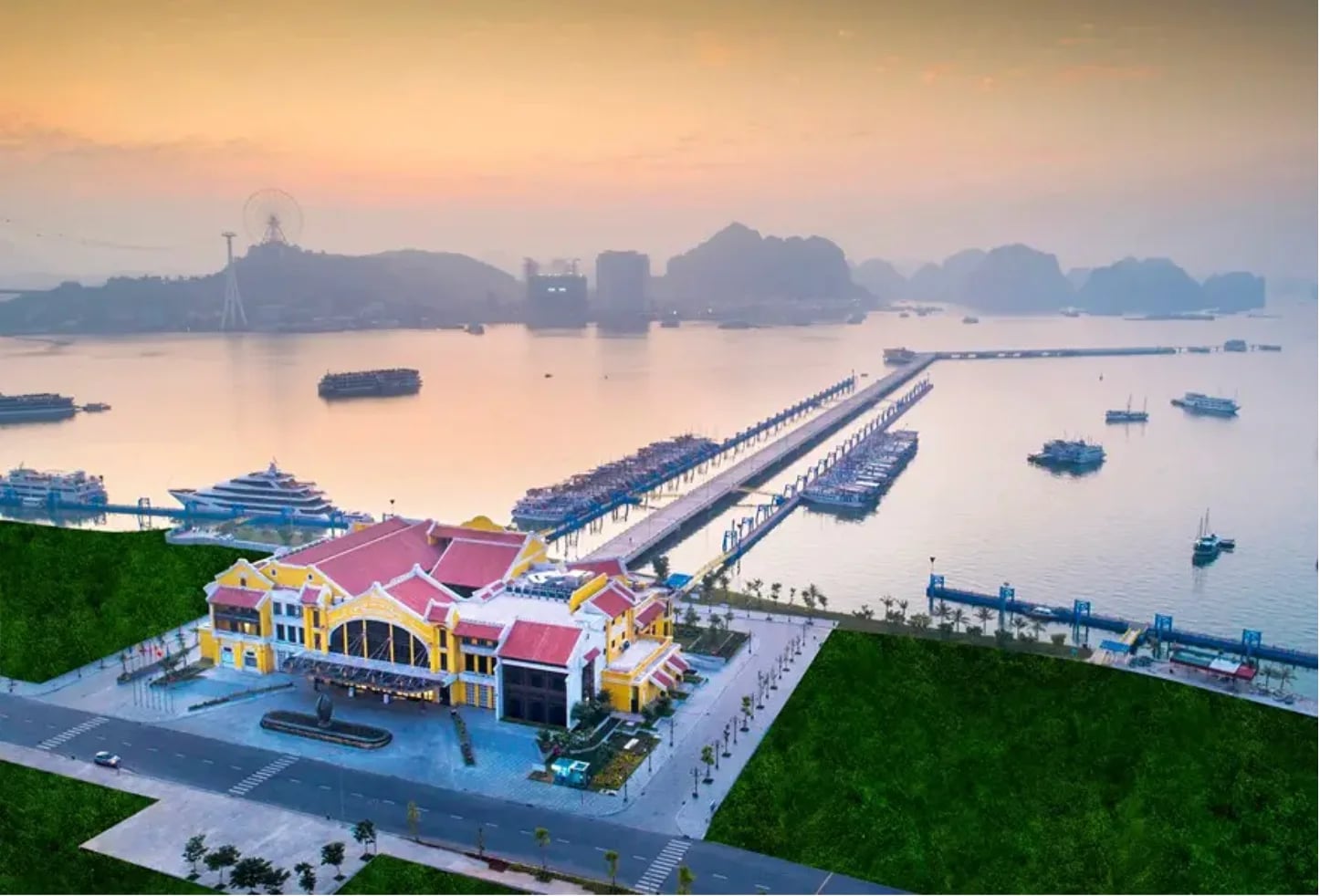
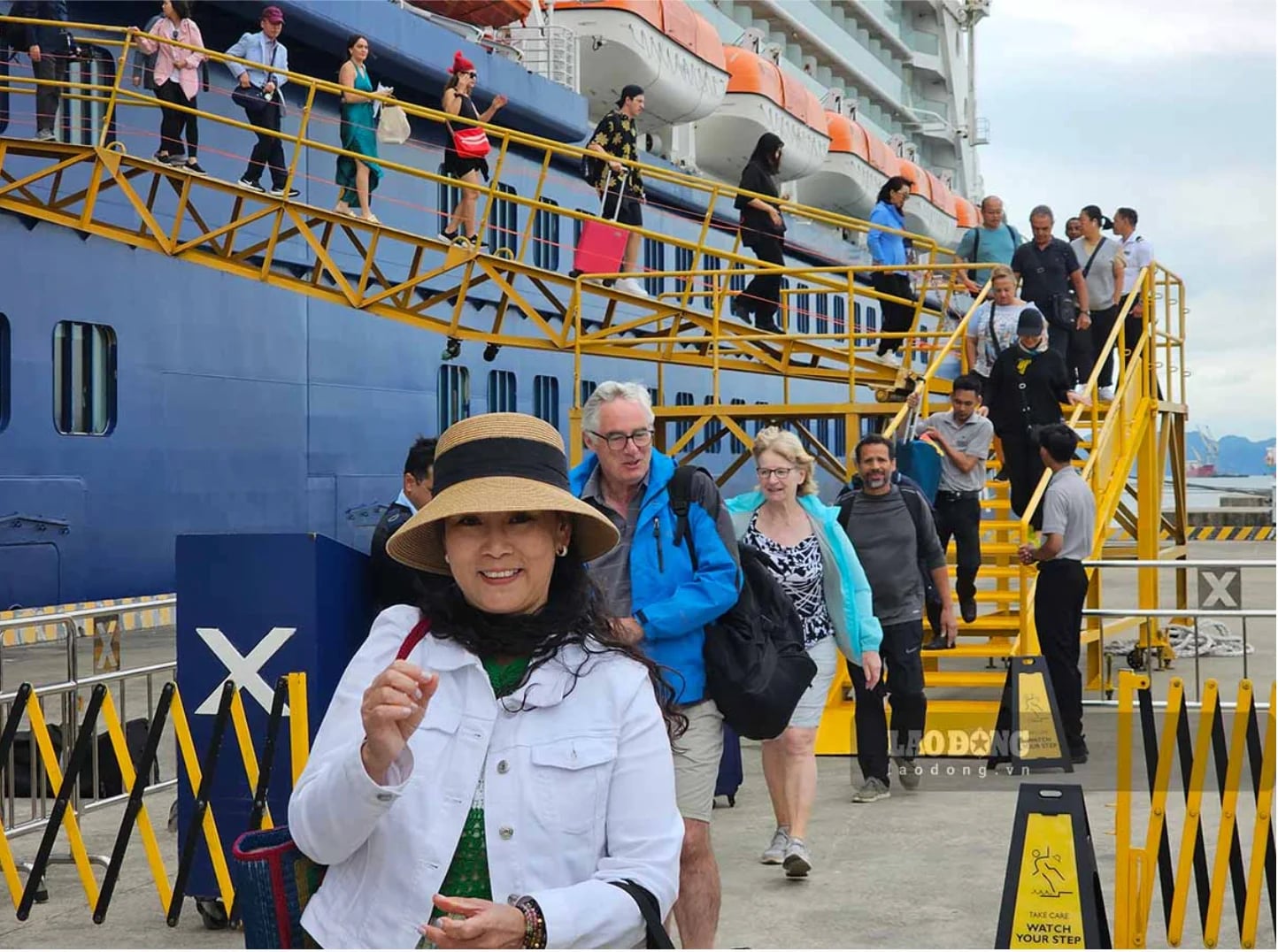
1. Market Context: The Rise of "Giants" and the Saturation Trap Looking back to the 2023–2024period, the cruise market in Ha Long Bay experienced an unprecedented boom in development speed and competition. At that time, the cruise market continuously welcomed the appearance of "super ships" with huge capacities. These included projects such as Ambassador Cruise and later Luna Halong Cruise , capable of serving several hundred guests, completely changing the supply-demand landscape in the bay. The overall picture shows that Ha Long tourism not only attracts domestic tourists but is also becoming an important destination for international cruise ships: in 2024, Quang Ninh province welcomed approximately 19 million visitors, including 3.8 million international tourists, with cruise operations significantly contributing to this number through over 60 international cruise ship calls and more than 100,000 cruise passengers arriving at Ha Long port – a clear signal of the strong appeal of this product.
However, this growth in visitor numbers comes with an increasingly apparent paradox: while during peak season, large and medium-sized cruises (from 99 to over 500 berths) operate at near full capacity, especially for domestic tourists in summer, during the low season, the situation of "local oversupply" becomes a pressing issue, causing many ships to fall into a seasonal cycle with significantly reduced operating capacity, while fixed costs remain high. This not only leads to wasted operational resources but also directly impacts cash flow, profit margins, and the ability of investors to upgrade services. 2. The "Chronic Illness" of the Cruise Industry: When Products Lack Identity In the context of Ha Long Bay cruises becoming a rapidly developing segment attracting significant investment, the market presents a notable paradox: the increase in the number and scale of ships does not correlate with differentiation in product quality. Currently, there are over 500 registered tourist boats operating in the bay, ranging from simple sightseeing boats to high-end 4–5 star international standard overnight cruises. However, many industry experts believe that product homogenisation – repetitive designs, itineraries, and experiences – is eroding the ability to sustainably attract customers in this increasingly competitive market.
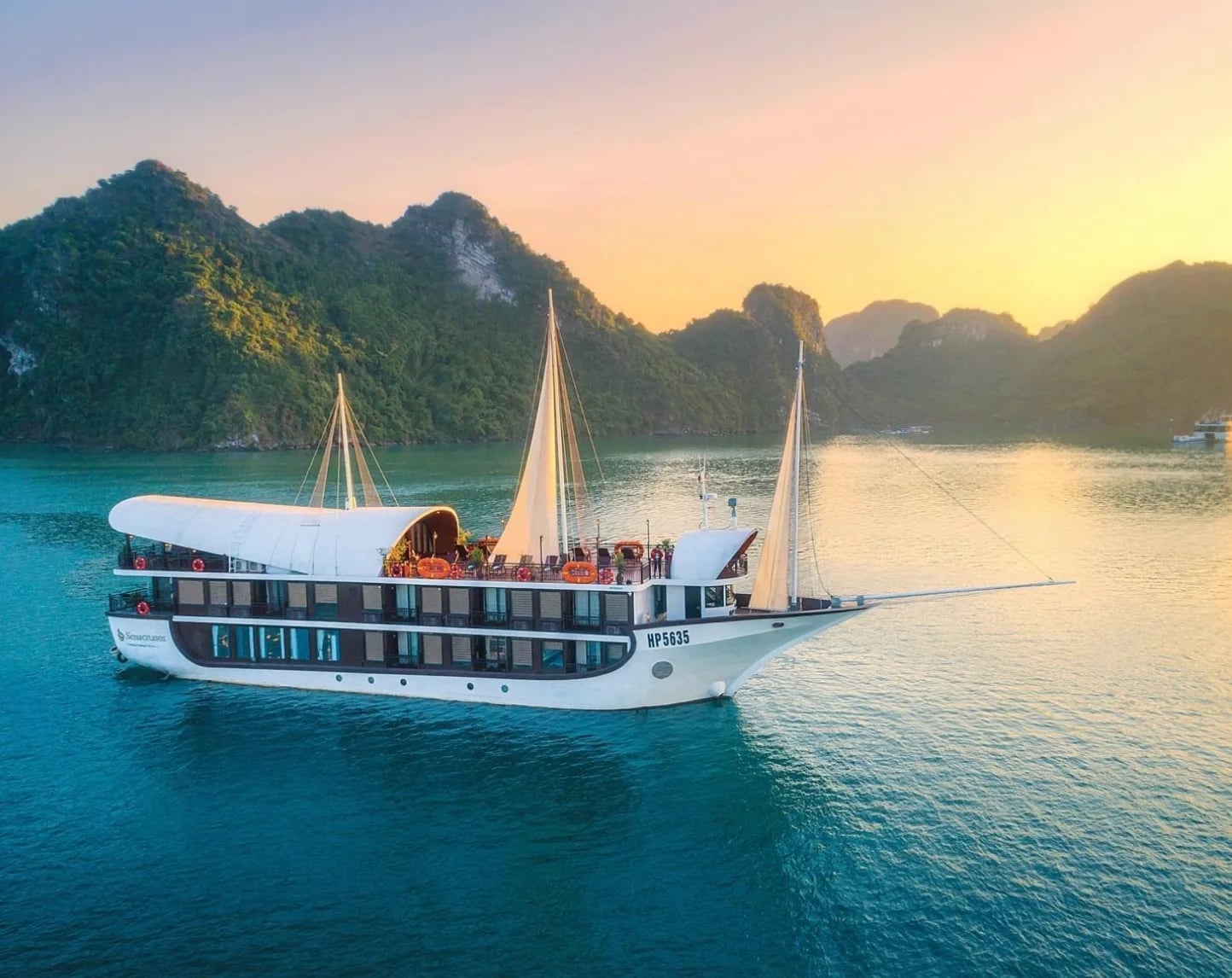
Reality shows that today's tourists are not just looking for beautiful scenery; they want their journey to be full of emotion and rich in identity. Following global trends, the cruise industry is shifting towards a new era called "local luxury" – luxury intertwined with local identity and unique cultural experiences, rather than just pure high-end amenities. In Ha Long, many premium brands have embraced this trend by incorporating cultural, culinary, and artistic elements into the onboard experience, transforming each journey into a story rich in local character. However, not all businesses have been able to adapt to this change in time. When a product lacks a clear USP (Unique Selling Point) , cruise businesses are forced into a race to fill capacity, especially during the low season. While deep discounts can generate short-term cash flow, they act as a "slow-acting poison" that erodes profit margins, disrupts operating cost structures, and stifles the ability to reinvest in service upgrades in the medium and long term. This is a trap that many cruise investors, even those with strong financial resources, have fallen into, making sustainable brand building increasingly difficult. 3. The Complex Challenge for Dolphin Halong Cruise Investor
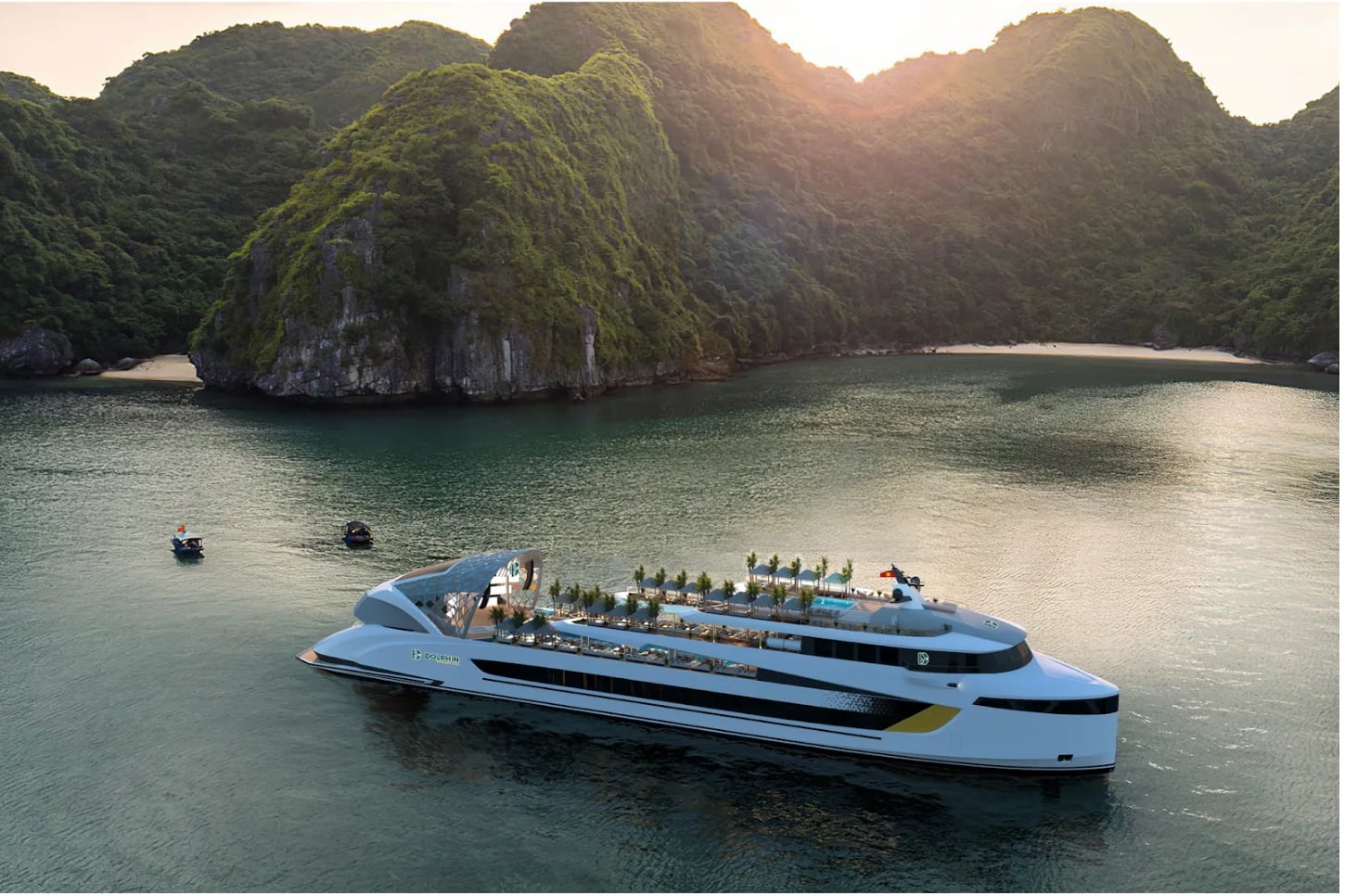
Born into a market already dominated by "giants" with premium cruise brands and diverse experiences, the investor of Dolphin Halong Cruise presented NewSun Hospitality with a challenging strategic brief, encapsulated in two key areas:
- Firstly: The timing and market entry challenge. Dolphin is scheduled to launch in Q4 2025. This is a highly sensitive period – marking the end of the peak season for domestic tourists and the beginning of the inbound (international) tourist season. How can a "newcomer" penetrate the market and achieve the expected occupancy rate during the low season for Vietnamese guests, when the market share is already fragmented by formidable competitors?
- Secondly: Building a systematic approach, escaping the price war. The investor does not want Dolphin to be merely a seasonal vessel, thriving in summer and lying idle in winter. The requirement is to build a flexible operating mechanismthat balances both customer segments (domestic & inbound) and, most importantly, develops sustainable distribution channels that are not reliant on aggressive price reductions.
This was not merely a marketing challenge; it was a matter of Product Strategy and Yield Management. Without solving this problem on paper first, Dolphin Halong Cruise risked being "swallowed up" by hundreds of other vessels in the Bay as soon as it launched. So, how did NewSun Hospitality transform the challenges of a Q4 launch and intense competition from "giants" into an opportunity for Dolphin? The solution wasn't to build a bigger ship, but to understand market insights and create a "smarter" one. We invite readers and partners to read Part 2: The Solution from a "Tailored" Strategy and the Art of Flow Coordination to discover the strategic moves NewSun made with Dolphin Halong Cruise.