

 VN
VN EN
ENIn the context of the hotel and tourism industry operating within a strongly digitalised ecosystem, where every click, every search, and every booking leaves a data trail, marketing communications are no longer about "posting frequently enough" or "running ads during peak season." Today, communications are a strategic component, directly impacting revenue, occupancy rates, average daily rates (ADR), and especially Customer Lifetime Value. Modern customers are not just looking for a place to stay. They are looking for experiences tailored to their individual needs, travel context, and budget. A couple on a weekend getaway will have completely different behaviours and expectations than a multi-generational family or a group of business travellers. This requires communications activities to be sophisticated enough to "read" each segment, data-rich enough to understand behaviour, and strategic enough to personalise messages.

However, in reality, many hotels still implement communication strategies based on intuition, subjective experience, or outdated operational habits. Content is generic, with a single message applied to all customer segments. Advertising campaigns lack data analysis, fail to closely monitor conversion performance, and are not optimised for specific target groups. The result is irrelevant messaging, fragmented customer experiences, and sub-optimally allocated marketing resources – high spending with disproportionately low returns. When communication is not data-driven, businesses struggle to answer core questions: Who are our customers really? Which channels do they come from? What are their interests? At what stage of the decision-making journey are they? And most importantly, how can we convert them into loyal, repeat customers? A lack of data means a lack of foundation for personalisation – and in the digital age, personalisation is no longer a competitive advantage, but a mandatory standard. In the third article, titled "Data-Driven Communication: When Personalisation is No Longer an Option ", part of the DECODING HOTEL PROMOTION STRATEGIES series, we will delve into the challenges many hotels face when implementing communication without a data foundation; clarify the core reasons why communication strategies are not effective; and highlight the direct consequences for revenue, brand, and customer loyalty. Concurrently, the article will propose strategic solutions that NewSun Hospitality is implementing to help businesses transition to a data-driven communication model, build a system for personalised experiences, and sustainably optimise communication effectiveness in the long term.
Current Situation: Generic Messaging in the Age of Personalisation
The world of marketing has entered a completely different phase – where AI, Big Data, and automation are no longer just trends, but have become the core operational infrastructure for leading brands. However, in practice, many hotels, especially in the mid-range and small segments, still operate their communication activities with an outdated mindset: mass-market, lacking segmentation, and without a foundation of behavioural data. The manifestations are easily observed:
- Sending the same email content to the entire customer database, regardless of whether they are business travellers, family holidaymakers, or repeat guests.
- Running ads with a single message for multiple segments, without customising for trip purpose or budget.
- Lack of data segmentation by search behaviour, age, geographical area, length of stay, order value, or booking time.
- Failure to track the customer journey across all touchpoints (website – OTA – social media – email – call centre).
In an environment where consumers are increasingly "immune" to generic advertising, this approach is not only ineffective but also diminishes brand value.

According to McKinsey & Company, businesses that implement personalisation systematically can increase revenue by 10–15%, and in some highly competitive industries, this figure can reach 20–25% by optimising customer experience and increasing conversion rates. More importantly, personalisation significantly improves customer engagement and Customer Lifetime Value – a vital factor in the hospitality industry. Conversely, brands that fail to meet personalisation expectations are paying the price with customer churn. The "State of the Connected Customer" report from Salesforce shows:
- 73% of customers expect businesses to understand their unique needs and desires.
- 62% said they would leave a brand if the experience was not personalised.
This means that personalisation is no longer a competitive advantage – it has become the minimum market standard. In the tourism and hospitality sector, expectations are even higher. According to Booking.com, most travellers want to receive accommodation and service recommendations tailored to their personal preferences, search history, and trip purpose. They expect the system to "understand them" even before they explicitly state their needs.
However, the gap between awareness and execution remains significant for many Vietnamese hospitality businesses. While many entities discuss "data-driven marketing," the reality is:
- Data is scattered across PMS, OTAs, CRM, and social media, without integration.
- There is no behavioural analysis system to predict rebooking demand.
- Absence of a customer nurturing strategy tailored to each stage of the customer journey.
The result is that messages remain at the level of "20% discount for all customers," instead of "weekend offer exclusively for families who have stayed twice in the last 6 months." In a market where profit margins are increasingly thin and advertising costs are constantly rising, mass communication not only wastes budget but also erodes long-term competitiveness. When competitors can personalise messages for specific customer segments, continuing to implement "one message for all" marketing means putting oneself at a disadvantage. Personalisation is not purely a technology story. It is a strategic story – where data is treated as an asset, and every customer touchpoint is designed based on an understanding of behaviour. And in an era where experience determines revenue, a "mass" message is the biggest risk of a communication strategy lacking a data foundation.
Why aren't businesses truly "data-driven"?
1. Dispersed data and lack of a centralised management system
Most hotels today do not lack data – they lack a system robust enough to "connect" it. Customer information is scattered across multiple touchpoints: OTAs, direct booking websites, fan pages, PMS, CRM, email marketing systems, and even internal Excel files. Each platform stores a piece of behaviour, but none provides a comprehensive picture of the customer.

When data exists in "silos," businesses cannot build accurate customer personas. They know customer A booked through an OTA, but they don't know how many times that customer interacted with their fan page, whether they opened promotional emails, or which times of the year they tend to book. Without a 360-degree view, every communication decision is based on guesswork. Without a centralised management system, data is merely "raw material" yet to be exploited. And when resources are not refined, communication strategies are unlikely to be precise.
2. Lack of capability to analyse and transform data into action
Even after collecting data, not every business has the capability to turn that data into strategic insights. Data is only truly valuable when it answers critical questions: Which customers generate the most profit? Which groups tend to return repeatedly? When is the best time to launch promotions to optimise conversion? According to a Deloitte survey, over 50% of businesses admit they haven't effectively leveraged existing data due to a lack of specialised analytical personnel and standardised processes. This leads to a paradox: data is increasing, but strategic decisions are still based on intuition.
In the fiercely competitive hospitality industry, delays in data analysis mean missed opportunities. For example, if a hotel fails to promptly detect a strong increase in domestic guests during the international low season, it might continue to misallocate its budget. If it doesn't identify high-CLV customer segments, the business won't have an appropriate retention strategy. Data-driven isn't just about collecting data – it's about the ability to transform data into specific, measurable actions and continuous optimisation.
3. Short-term communication mindset, focused on execution rather than strategy
One of the biggest barriers isn't technology, but mindset. Many hospitality businesses still focus on the question "What should we post this week?" instead of "Which business objective does this content strategy serve?". They prioritise content production but lack a system of KPIs linked to financial performance such as CAC (Customer Acquisition Cost), CLV (Customer Lifetime Value), conversion rate, or retention rate. According to Harvard Business Review, businesses with marketing strategies closely tied to financial goals have significantly higher growth potential compared to those with fragmented implementations. This shows that the issue isn't about "doing a lot" but about "doing things right and with direction."
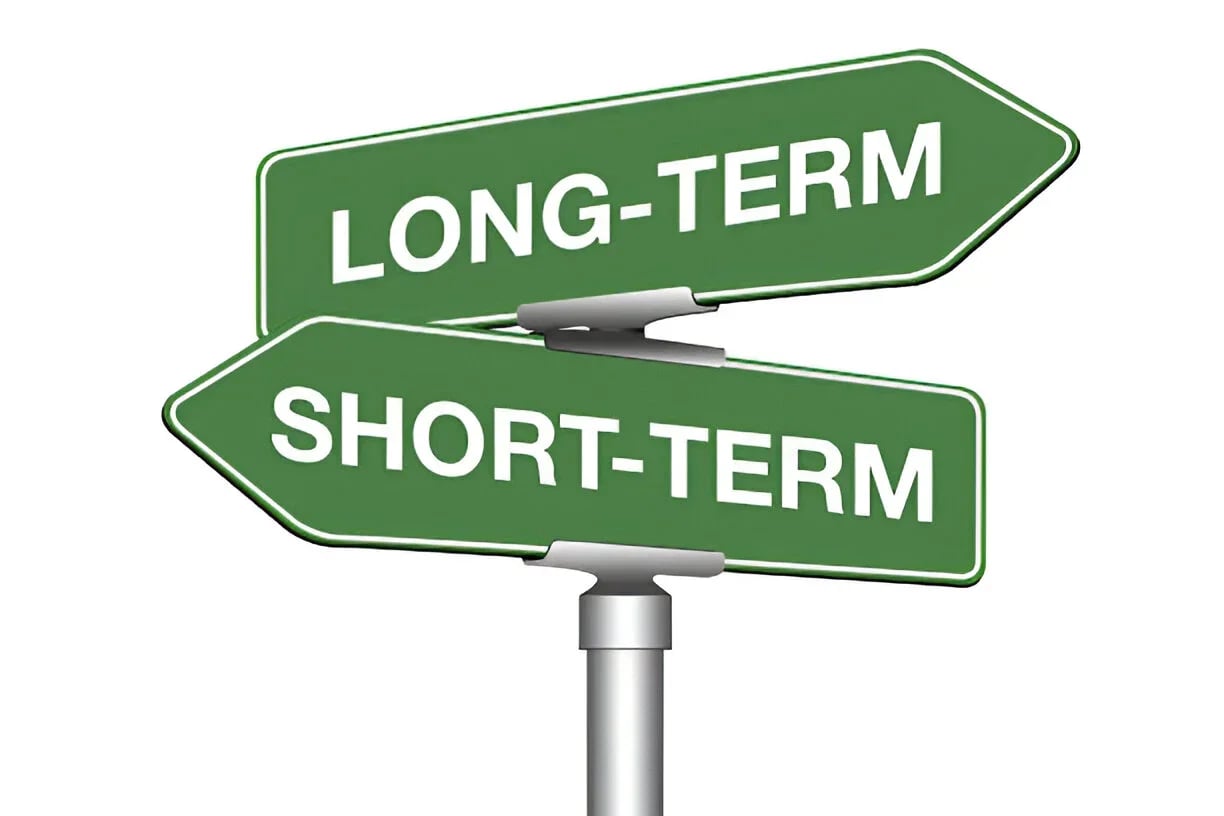
In the hotel industry, where booking decision cycles are increasingly short and price competition is fierce, a short-term mindset often leads to over-reliance on promotions. When promotion becomes a reflex rather than a strategic tool, the brand will gradually be positioned in the "budget" segment, eroding long-term value. Data-driven marketing requires a shift in mindset: each campaign must have clear quantitative objectives, each piece of content must serve a specific stage in the customer journey, and every dollar of budget must have its performance measured.
4. Insufficient investment in technology and automation
Personalisation at scale cannot be achieved manually. When the customer base numbers tens of thousands, sending individual emails or customising content by hand is impossible. However, many businesses still haven't invested systematically in smart CRM, marketing automation systems, or CDPs (Customer Data Platforms). According to McKinsey & Company, businesses that apply AI and automation in marketing can reduce marketing costs by 10–20% while increasing conversion effectiveness. Automation not only saves resources but also ensures messages are sent to the right person, at the right time, and in the right context. If businesses don't invest in technology for automation and data integration, personalisation will remain just an idea. And in a market where experience is key to loyalty, slow investment in technology is a long-term strategic risk. In summary, not being truly "data-driven" stems not only from tool limitations but also from fragmented data structures, lack of analytical capability, a short-term mindset, and inadequate technology investment. Until these four factors are addressed comprehensively, communication strategies, no matter how much effort is put in, will struggle to achieve sustainable effectiveness.
Consequence: When communication no longer creates sustainable value
When communication strategies lack a data foundation and are not guided by an understanding of customer behaviour, the consequences extend beyond a few ineffective campaigns. They broadly impact revenue structure, brand image, and long-term competitiveness. In the hotel industry, where every empty room is a revenue opportunity that cannot be "inventoried" for tomorrow, communication errors equate to tangible losses.
1. Low conversion rates and increasing marketing costs
When messages fail to address the specific needs of each customer segment, conversion potential is almost "eroded" from the very first touchpoint. A family holiday offer sent to a business traveller, or a conference package promoted to a couple seeking a romantic getaway, creates a mismatch in experience. In the digital environment, this mismatch is immediately reflected in low click-through rates, short time on page, and high bounce rates.

The direct consequence is that businesses are forced to spend more to achieve the same number of bookings. Advertising costs increase, but performance does not improve proportionally. When the conversion rate decreases, the CAC (Customer Acquisition Cost) automatically increases, narrowing profit margins. More alarmingly, optimising by "pushing more budget" instead of "optimising the message" only creates a spiral of costs. Without data to target the right audience, at the right time, and with the right needs, all communication efforts become an expensive race.
2. Reduced loyalty and customer lifetime value (CLV)
In the past, guests might return due to a convenient location or competitive pricing. However, in the current landscape, where choices are just a tap away, loyalty no longer stems from the product alone – but from the experience of feeling understood. Today's guests aren't just looking for a room; they're looking to feel recognised. They expect brands to remember what room category they booked, their preferred bed type, whether they've used spa services, and their typical travel times of the year. When every message sent is generic and lacks personalisation, businesses miss the opportunity to build long-term relationships.
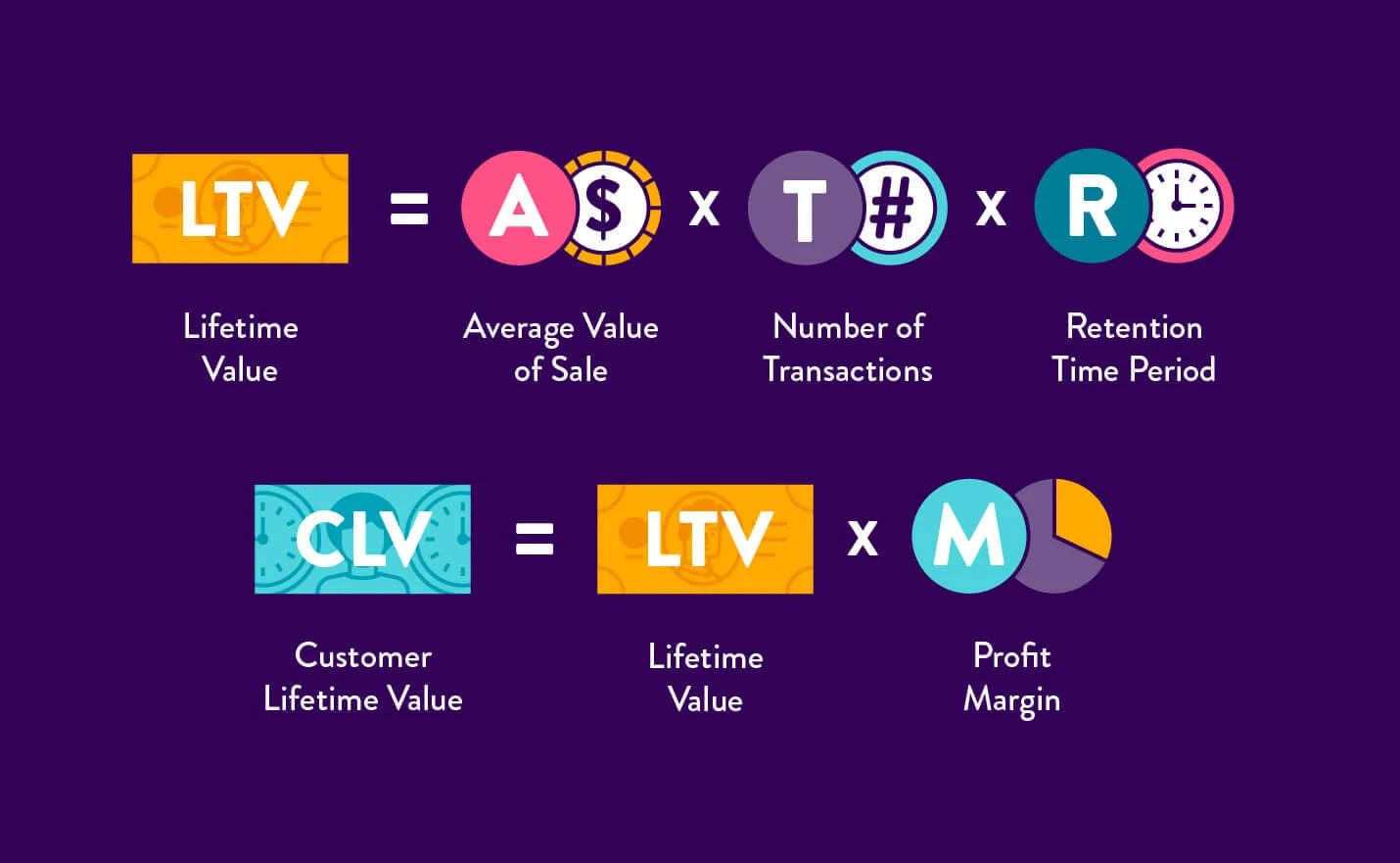
CLV – customer lifetime value – is not optimised simply by selling an extra night. It is optimised when guests return multiple times, recommend friends, and are willing to pay a higher price because they trust the brand. If communications do not contribute to nurturing that relationship, businesses will always have to seek new customers instead of effectively leveraging their existing customer base – a costly and unsustainable strategy.
3. Lack of brand differentiation in the market
In the hospitality industry, many products can be similar in terms of amenities, scale, and price segment. The differentiation increasingly lies in how brands tell their story and personalise the experience. Data is the "ingredient" to create that differentiation. Without leveraging data, communication messages become generic: seasonal discounts, weekend offers, holiday promotions. And when every brand says the same thing, the market is left with only one variable for competition: price. Price competition is the shortest path to eroding profits and a low brand positioning. Conversely, value competition through personalised experiences, tailored service suggestions, and post-stay care is the strategy that creates long-term advantage. If businesses do not utilise data to design differentiated experiences, they will push themselves into the market's "grey area": not cheap enough to lead on price, not differentiated enough to lead on value.
4. Difficulty in forecasting and long-term strategic planning
Communication not based on data also means that the business operates in a state of "lack of vision." Without properly analysed historical data, it is difficult for businesses to forecast peak and off-peak seasons, identify which segments generate the best profits, and decide which channels to allocate budget to. This lack of forecasting ability makes growth strategies reactive rather than proactive. Businesses only adjust when they see a decline in revenue, instead of anticipating and preparing in advance. This is particularly risky in the hotel industry, where market fluctuations (domestic travel trends, changes in booking behaviour, economic impacts) can occur very quickly.

A sustainable communication strategy requires a robust data foundation to answer three core questions: How are customers changing? What trends are emerging? And where are the growth opportunities in the next 6–12 months? Without data as a basis, all long-term plans are merely subjective predictions.
Solution: Transition to a data-driven communication model with NewSun Hospitality
If the core problem of hotel communication lies in a lack of data and strategy, then the solution cannot simply be "creating more content" or "increasing advertising budgets." The solution must start with restructuring the marketing mindset, shifting from an intuitive implementation model to a data-driven, continuously measured and optimised operational model. At NewSun Hospitality, we approach marketing not at the creative surface, but at the strategic level – where every communication decision must answer the question: What is the data telling us, and where are the revenue goals?
1. Data-driven Marketing & Communication Strategy Consulting Package
NewSun partners with businesses to build a marketing system that is clearly structured, measurable, and directly linked to revenue growth. We start by establishing marketing KPIs closely tied to financial objectives: from occupancy rate, ADR, RevPAR to CAC, CLV, conversion rate, and retention rate. Marketing is no longer a "cost centre" but becomes a quantifiable value-generating department.
In parallel, NewSun conducts multi-source customer data analysis from OTAs, websites, social media, PMS, and CRM systems to build a 360-degree view of customer behaviour. Based on this data, we develop detailed customer personas for each segment: leisure guests, business travellers, families, international guests, repeat guests, etc. From these personas, the Customer Journey is scientifically redesigned: from awareness, consideration, booking, stay experience, to post-stay and repurchase. Each touchpoint has specific messages, KPIs, and measurement mechanisms. This is a shift from "mass marketing" to "strategically oriented marketing."
2. CRM System and Marketing Automation Implementation
Data only delivers value when operated by a suitable system. Therefore, NewSun advises and accompanies businesses in standardising customer data collection and management processes. We support the integration of PMS – CRM – Digital Marketing into an interconnected ecosystem, ensuring all customer behaviours are recorded and synchronised. From this, businesses can track stay history, booking frequency, spending, and engagement level of each customer. Based on this foundation, automation marketing scenarios are designed for specific situations: welcome emails for new guests, exclusive offers for returning guests, booking reminders before peak season, post-stay surveys, or loyalty appreciation programs. Personalisation is no longer a manual operation but becomes an automated system that sends the right message, at the right time, and for the right needs. This is how businesses can scale personalisation without increasing operational pressure.
3. Optimising Digital Communication and Personalised Content
Alongside data systems and automation, NewSun implements a digital communication strategy based on real insights rather than guesswork. We segment content for each target customer group, ensuring each segment receives messages tailored to their motivations and behaviours. Families receive content about children's facilities and weekend packages; business travellers are highlighted with convenient locations and support services; luxury leisure guests are presented with messages about experiences and private spaces. Our SEO and Performance Marketing strategies are also built on search data and user behaviour. Instead of broad advertising campaigns, budgets are allocated to keyword groups and segments with the highest conversion potential.
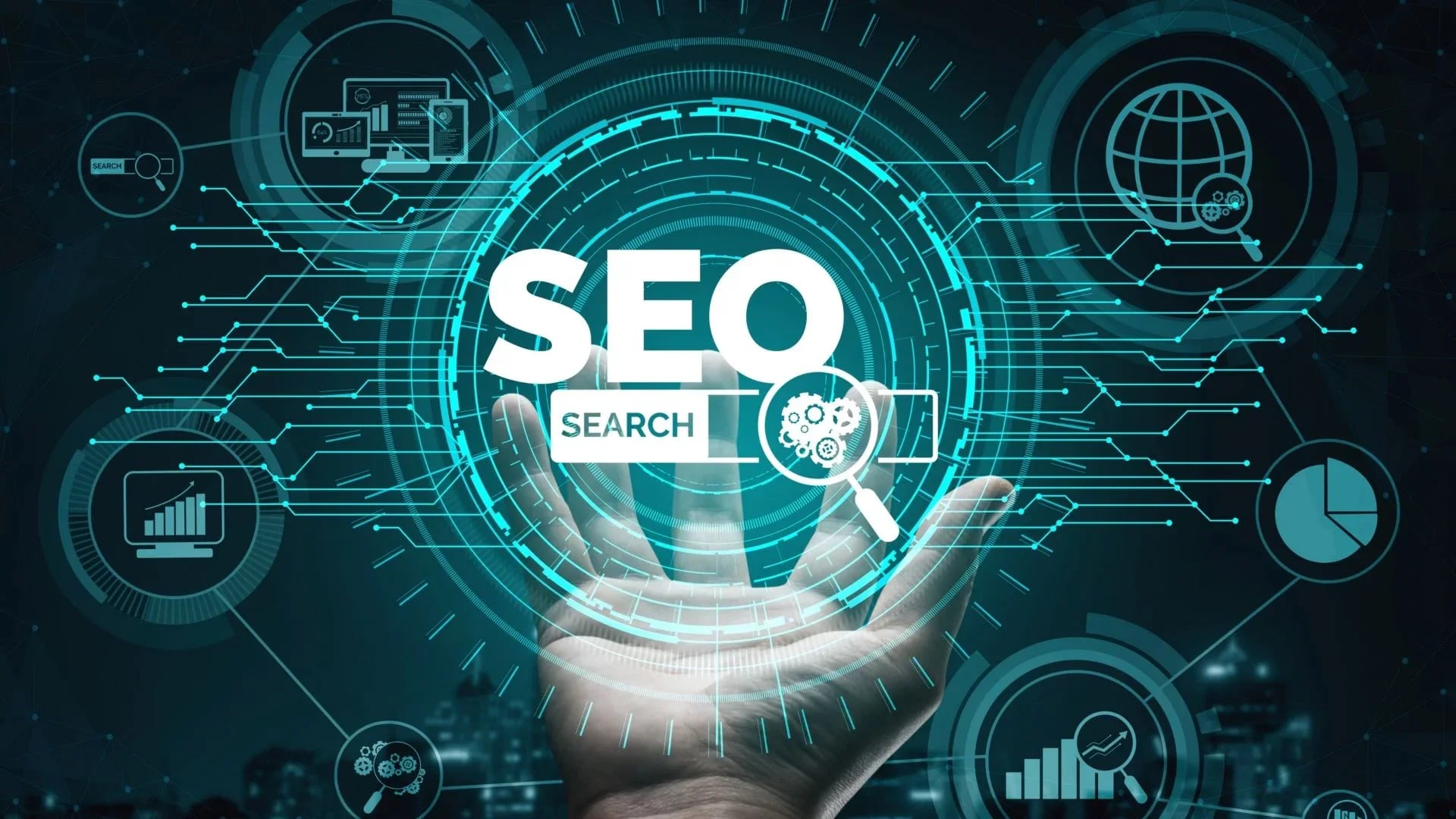
Website and landing pages are optimised based on actual behaviour: improving content structure, page load speed, CTA layout, and the booking journey. The goal is not just to increase traffic, but to enhance traffic quality and optimise the conversion rate.
4. Internal team training and capability transfer
NewSun goes beyond merely consulting or outsourcing. We focus on building long-term capabilities for our clients' internal teams because a sustainable strategy cannot rely entirely on third parties. Through in-depth training programmes in hotel marketing, data analysis, and customer experience management, internal teams are equipped with a data-driven mindset and the skills to operate systems independently. Businesses gain not just an effective campaign, but a marketing system capable of self-optimisation and adaptation to market fluctuations.
Conclusion: Data doesn't replace creativity – it guides it.
In the hospitality industry, where every experience directly impacts customer emotions and their decision to return, creativity always plays a crucial role. An impressive visual campaign, an emotionally resonant brand story, or a distinctive content concept can create a strong market impression. However, if creativity is not founded on data, it can easily become unguided flights of fancy – beautiful but failing to generate real growth. Data does not replace creativity. But data helps creativity stay on track. Data answers the questions: who is the creativity for, at what time, with what message, and to achieve what business objective. By understanding the search behaviour, length of stay, spending levels, and booking motivations of each customer segment, businesses can craft messages that are both emotionally engaging and conversion-optimised. With extensive consulting and implementation experience across numerous hotel and resort projects, NewSun Hospitality understands that each business has a unique market context, product structure, and growth challenge. Therefore, we do not offer generic solutions, but design communication systems "tailored" to the actual data and specific financial goals of each entity. If your business is currently:
- High marketing spend without commensurate growth
- Possessing abundant data but failing to leverage it effectively
- To build a sustainable communication strategy instead of relying on short-term promotions
It's time to restructure your marketing system towards a data-driven approach. ???? Contact NewSun Hospitality today for in-depth consulting on data-driven hotel marketing and communication strategies. Start by truly understanding your customers so that every message is not only creative but also generates real revenue and sustainable growth.
- Hotline: +84 768 68 2913
- Email: dosm@nshm.com.vn
- Zalo OA: https://zalo.me/2452770272256938463 (NewSun Hospitality)
- Website: https://nshm.com.vn/ (NewSun Hospitality)