

 VN
VN EN
ENIn the digital age, where customer behaviour changes faster than any marketing plan, social media has transcended its role as a mere communication channel to become the "brand storefront" for businesses. This is where customers form their first impressions, assess professionalism, perceive brand value, and decide whether to explore further or leave within a few fleeting seconds. With over 5.24 billion social media users globally, representing 62.6% of the world's population, social media is a fiercely competitive yet highly potential space where every business must establish a serious and strategic presence.
However, presence does not equate to effectiveness. In reality, many businesses invest significantly in social media – from personnel and content to advertising budgets – yet the results are disproportionate: low engagement, diluted messaging, a lack of brand distinctiveness, and most importantly, no tangible conversions for business operations. Social media then becomes a "must-do channel" rather than a "value-generating channel," leading to wasted resources and a decline in the overall performance of the marketing strategy. This article will focus on analysing the current state of ineffective social media strategies, pinpointing core underlying causes that are often overlooked, clarifying potential consequences for brand and revenue, and proposing systemic solutionsaligned with the consulting products and services offered by NewSun Hospitality . This will help businesses progressively restructure their social media activities in a systematic, sustainable manner that genuinely contributes to long-term business growth.
Current State of Social Media Communication Strategies in Hotels
Over the past decade, social media has emerged as one of the most influential marketing channels impacting consumer behaviour. In Vietnam, according to Digital 2024 reports, internet users spend an average of over 2.5 hours daily on social media, equivalent to nearly 40% of their total online time. This figure indicates that social media is not just for entertainment; it has become a digital living spacewhere customers receive information, compare options, and make purchasing decisions.
Consequently, most businesses consider social media a primary communication channel in their overall marketing strategy. Many brands invest heavily in fan pages, content, paid advertising, and operational teams, hoping to generate brand awareness, high engagement, and boost revenue. In fact, according to global marketing industry surveys, approximately 73% of marketers believe social media positively impacts their brand, especially in terms of recognition and recall. However, the overall picture is not entirely "rosy". Nearly a quarter of businesses admit their social media communication strategy has not achieved its set objectives, particularly in critical metrics such as conversion rates, cost per lead (CPL), or direct revenue contribution. Many fan pages maintain regular activity but suffer from low engagement, content that lacks distinctiveness, and advertising that consumes budgets without yielding commensurate results.
This situation reflects a core issue: social media is being heavily utilised for "presence" but not operated effectively as a strategic tool. Many businesses still view social media as merely a platform for posting to "be seen," running ads based on intuition, or chasing short-term trends, instead of building a consistent, data-driven communication system closely tied to business goals. As a result, despite its enormous reach potential and ability to interact directly with customers, many businesses' current social media communication strategies fail to fully leverage the true value of this channel in building sustainable brands, nurturing customers, and driving long-term revenue growth.
Key Reasons for Ineffective Social Media Communication Strategies in the Hotel Industry
Although the hotel industry is one of the sectors that benefits most clearly from social media – where experiences, emotions, and visuals play a decisive role – in reality, many communication strategies still fail to generate results commensurate with their potential. The cause lies not in the communication channel itself, but primarily in how businesses plan and execute their social media strategies.
1. Unclear Strategic Objectives or Lack of Specific Measurement Systems
One of the most fundamental issues is that social media is not positioned as a business tool, but merely as a means of "image communication." Many hotels still set vague goals such as "increase brand awareness" or "boost fan page engagement" without directly linking them to meaningful revenue metrics like: bookings originating from social media, cost per acquisition (CPA), or customer lifetime value (CLV).

According to a HubSpotreport, businesses that set clear KPIs closely tied to business objectives are 3 times more likely to achieve higher marketing effectiveness than those without specific measurement systems. In the hotel industry, where every marketing decision directly impacts occupancy and cash flow, the lack of clear objectives makes social media strategies directionless, difficult to evaluate, and almost impossible to optimise. As a result, businesses don't know which content is effective, which channels truly generate bookings, and certainly cannot adjust their strategies promptly when the market changes.
2. Communication Content Not Aligned with Guest Insights
The hotel industry sells experiences, not just rooms. However, on many social media platforms, hotel content is becoming "uniform": familiar room images, repetitive promotional messages, a lack of storytelling, and no clear reflection of the brand's unique value. According to research by Think with Google, up to 68% of travellers say they are influenced by inspiring content on social media when choosing a hotel, but only 36% feel that the content hotels are posting is truly useful and distinctive. This indicates a significant gap between customer expectations and how brands are communicating.
When content is not based on actual insights – such as the purpose of the trip (leisure, business, family), the decision-making stage (seeking inspiration, comparing, finalising booking), or the emotions customers desire – social media will only serve as a "for your information" platform, struggling to create emotional connections and even more so to drive booking actions.
3. Lack of Measurement, Analysis, and Optimisation Based on Behavioural Data
A common paradox in the hotel industry is: possessing a wealth of data but failing to utilise it effectively. Current social media platforms and analytics tools allow for detailed measurement, from user behaviour, interaction times, and effective content types to conversion paths. However, many businesses still operate social media based on intuition, personal experience, or "doing things out of habit."

According to a McKinseyreport, businesses that adopt data-driven marketing strategies can increase ROI by 20–30%. Conversely, a lack of data analysis leads to fragmented advertising campaigns, content not optimised for each stage of the customer journey, and marketing budgets being depleted without generating commensurate value. For the hotel industry – where marketing costs per booking are constantly rising – a lack of data optimisation means reduced profitability and a long-term loss of competitive advantage.
4. Over-reliance on a Single Communication Platform
Many hotels currently allocate most of their resources to Facebook, while the content consumption behaviour of travellers has changed dramatically. According to the Skift & Googlereport, over 70% of Millennials and Gen Z travellers find travel inspiration through short videos on TikTok and Instagram Reels, before moving to other channels to compare and book services. Focusing solely on one platform not only reduces the ability to reach new potential customer segments but also makes the communication strategy unbalanced across the customer journey. Each social media platform plays a different role: TikTok and Instagram inspire, Facebook nurtures and converts, and YouTube builds long-term trust. A lack of multi-platform thinking makes a hotel's social media strategy fragmented and ineffective.
Consequences of Ineffective Social Media Communication Strategies
When social media is considered a primary communication channel but operates without strategic direction, the resulting consequences extend beyond "low engagement" or "ineffective posts." In the long term, this can directly impact marketing costs, customer reach, and the hotel's brand image in an increasingly competitive market.
1. Wasted Resources and Increased Marketing Costs with Low Effectiveness
An ineffective social media communication strategy often comes with unreasonable resource allocation. Businesses invest significant budgets in content production, paid advertising, fan page management teams, or external partners, but fail to clearly define which content truly delivers value for business objectives.
In the hotel industry, where profit margins are under significant pressure from operating costs and OTA commissions, increasing marketing costs without generating commensurate bookings will directly reduce overall ROI. Social media campaigns then become an expense for "maintaining presence" rather than a revenue-generating tool, leading to marketing budgets being depleted over time without sustainable effectiveness.
2. Losing opportunities to reach and convert target customers
Social media is where travellers seek inspiration, research experiences, and evaluate brands before making booking decisions. When the communication strategy is ineffective, hotels not only miss opportunities to appear at the right time in the customer's decision-making journey, but also lose the chance to build long-term relationships with potential guests. Instead of serving as a "touchpoint" to nurture emotions and drive conversions, the hotel's fan page or social media channel exists only as one-way information, with limited interaction and failing to guide users to specific actions such as sending messages, visiting the website, or making reservations. In the long run, this leads to slow follower growth, low conversion rates, and a diminishing competitive edge compared to rivals with more systematic strategies.
3. Negative impact on hotel brand image and positioning
In an environment where social media is considered the "online face" of a brand, inconsistent content, fragmented messages, or images that do not accurately reflect positioning can lead customers to form an unclear impression of the value the hotel offers. This is particularly risky for hotels targeting the mid-to-high-end segment, where brand experience and emotion play a decisive role.
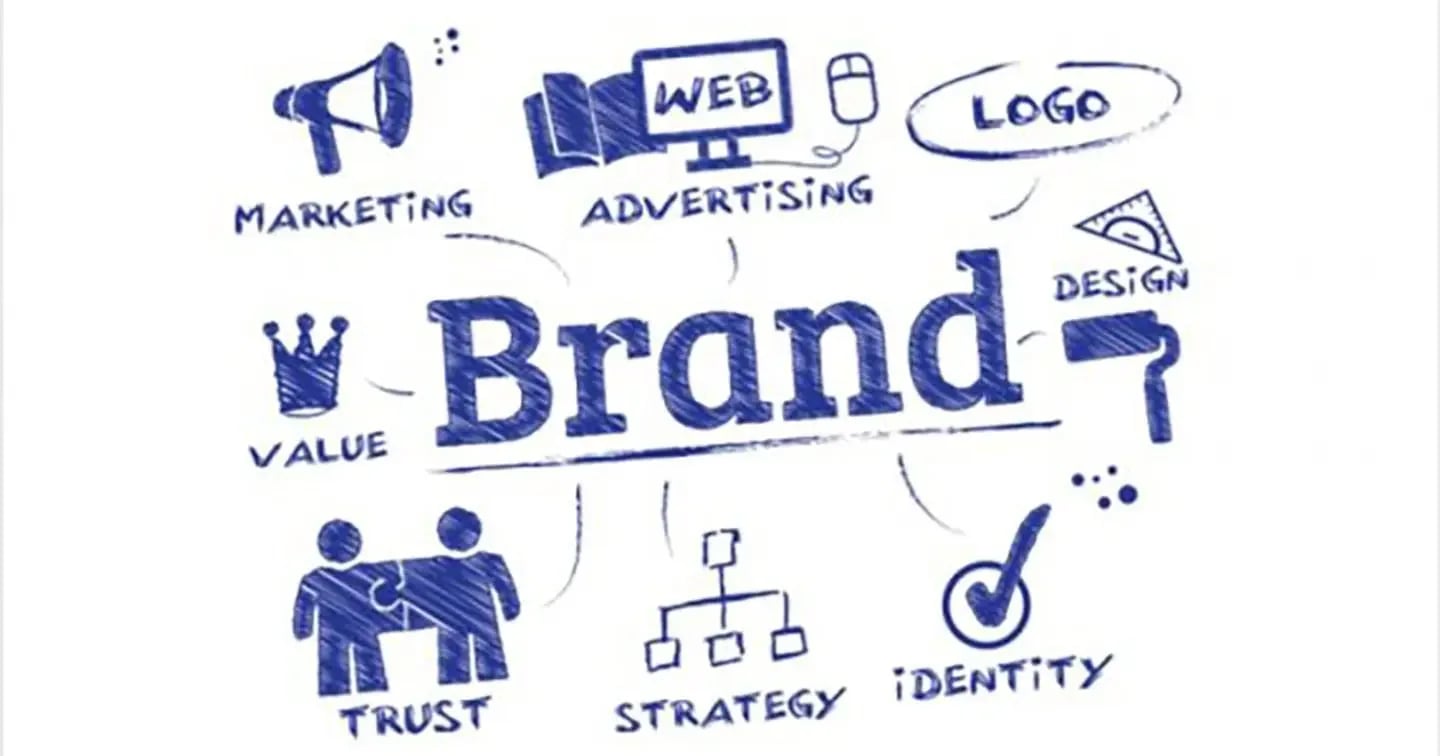
When communication content lacks a consistent direction, customers may perceive the brand as unprofessional, slow to adapt to new trends, or not sufficiently differentiated from the rest of the market. In the long run, this not only reduces brand recall but also directly impacts customer trust, a key factor in choosing a hotel among numerous similar options.
NewSun Hospitality's Service Solutions – Restructuring Social Media Communication Strategy for Sustainable Growth
Given the common limitations in the hotel industry's social media communication, the solution is not to "do more," but to do it right and systematically. Social media communication needs to be part of an overarching strategy, with clear objectives, driven by data, and closely linked to long-term business goals. With extensive experience in consulting and practical implementation for numerous hotel and tourism brands, NewSun Hospitality partners with businesses to comprehensively restructure their social media strategy through the following solution groups:
1. Building strategic objectives and KPIs linked to business performance
NewSun helps businesses establish SMART goals, moving beyond superficial metrics like likes or followers to more strategic KPIs: website traffic from social media, booking conversion rates, cost per booking, and customer lifetime value. Establishing a clear KPI system helps businesses define the specific role of each social media channel in the customer journey, from awareness generation and emotional nurturing to driving service bookings. As a result, communication activities are no longer intuitive but become a measurable and optimisable part of the hotel's overall growth strategy.
2. Content strategy consulting based on customer insights and brand positioning
Understanding that the hotel industry sells experiences and emotions, NewSun focuses on advising the development of a communication content system closely aligned with guest insights, rather than producing fragmented content for short-term campaigns. Content is built based on the purpose of the trip, consumption behaviour, decision-making stage, and experience expectations of each target customer group.
Through this, the content strategy not only increases superficial engagement but also builds emotional connections with customers, strengthens brand image, and clarifies the hotel's unique value proposition in the market. This is a crucial foundation for social media to become a sustainable channel for nurturing potential customers.
3. Data analysis, performance measurement, and continuous campaign optimisation
NewSun implements a comprehensive tracking – analysis – performance evaluation system, helping businesses understand which content performs effectively, which platforms yield the best engagement and conversions, and the optimal posting times for each customer segment. Analysis reports go beyond "recording results" and serve as strategic decision-making tools, supporting businesses in adjusting budgets, guiding content, and optimising campaigns based on real data. As a result, social media communication activities are continuously improved, avoiding wasted resources and enhancing marketing ROI over time.
4. Multi-platform strategy and communication integration consulting
Instead of relying on a single channel, NewSun helps businesses build a multi-platform communication strategy, where each social media channel plays a distinct role in the customer journey. TikTok and Instagram serve to inspire and attract attention; Facebook plays a role in nurturing and converting; YouTube supports building trust and long-term brand positioning.

This strategy is tightly integrated with the website, OTAs, and other marketing activities, helping businesses optimise their ability to reach the right audience, at the right time, with the right message. As a result, social media communication no longer operates in isolation but becomes a crucial link in the hotel's overall marketing ecosystem.
Conclusion – From "Social Media Presence" to "Sustainable Growth"
In an environment where customer behaviour is increasingly shifting towards the digital realm, social media communication is no longer a supporting channel but has become an inseparable part of a business's brand-building and revenue-driving strategy, especially for the hospitality industry – where emotions, experiences, and trust play a decisive role in the purchasing journey. Social media can be a powerful growth lever, but it can also be a "bottleneck" if implemented without clear direction and a strategic foundation. The reality shows that the issue is not whether businesses invest in social media, but how they invest. When a communication strategy lacks clear objectives, is not data-driven, and is not closely tied to business challenges, social media activities can easily become superficial: posts are regular, ads are run, but no real value is generated for the brand and revenue. This not only wastes resources but also slows down the long-term growth of the business. By analysing the current situation, causes, and potential consequences, and suggesting systematic strategic solutions, this article aims to provide hotel managers and owners a more comprehensive perspective on the true role of social media communication. More importantly, it serves as an impetus for businesses to proactively review, evaluate, and restructure their social media strategy in a methodical, sustainable, and clearly measurable way. If you feel that your hotel's social media activities are not generating conversions commensurate with the invested resources, or are looking for a clear roadmap to turn social media into a direct revenue contributor, NewSun Hospitality is ready to partner with you. ???? Connect with our consulting team to receive a comprehensive assessment of your current communication strategy, propose solutions tailored to your positioning and business goals, and progressively build an effective, consistent social media communication system that generates long-term growth value for your brand.
- Hotline: +84 768 68 2913
- Email: dosm@nshm.com.vn
- Zalo OA: https://zalo.me/2452770272256938463 (NewSun Hospitality)
- Website: https://nshm.com.vn/ (NewSun Hospitality)