

 VN
VN EN
ENAs the tourism and hospitality industry enters a post-pandemic recovery and acceleration phase, the competitive landscape has shifted significantly. The advantage no longer lies solely in facilities, service offerings, or pricing policies, but increasingly depends on the ability to tell a brand story and how a hotel conveys its message to the right target audience. As the market becomes saturated with products, emotional experiences and brand perception are now the decisive factors in travellers' choices. In theory, Promotion activities serve as a strategic catalyst, helping hotels increase brand awareness, drive direct bookings, optimise multi-channel sales effectiveness, and build long-term brand value. Promotion is not just about "discounts"; it is the synergy of messages, content, images, and communication experiences purposefully designed to create differentiation in the customer's mind.
When communications lack strategic depth and a clear brand story, hotels not only miss short-term sales opportunities but also lose long-term competitive advantage in the minds of travellers. In a market where customers are increasingly savvy, sensitive to information, and have countless choices, differentiation in communications is no longer a "plus" but has become a prerequisite for survival. The first article in the "Decoding Hotel Promotion Strategies" series by NewSun Hospitality is "Article 1: Why Vague Marketing Messages Lead to Revenue Loss?" – an issue that may seem minor but is the biggest bottleneck preventing communication campaigns from resonating with customers and converting into actual revenue.
Current Situation: Hotel marketing messages are "lost in the crowd"
In the overall landscape of modern hotel marketing, communication activities are no longer limited to promoting an image or stimulating short-term demand. Essentially, communication is a strategic tool that helps hotels build brand identity, strengthen emotional connections with customers, and cultivate a loyal customer base. As the market becomes increasingly saturated with products and prices, the effectiveness of promotions heavily depends on the quality of the communication message—whether it is clear, distinctive, and truly resonates with customer insights. However, reality shows that not many hotels leverage this strategic role. Most current communication campaigns are in a "safe" state, using generic and predictable messages such as: "off-season discounts", "special early bird offers", or "experience 5-star service at an attractive price". These messages were effective when the market had limited choices, but in the current context, they have become too familiar and lack evocative power.

According to a Skift Researchreport, the average travel customer is exposed to over 5,000–7,000 advertising messages daily across digital platforms, from social media, OTAs, and display ads to email marketing. In this "sea of information," promotional messages that lack a unique story or are not tied to the brand's core values are easily overlooked by customers after just a few seconds of scrolling. As a result, even well-funded promotional campaigns fail to make an impression, stimulate interaction, or drive booking behaviour. A study analysing over 1,800 social media posts from hotel brands in the Asia-Pacific region revealed:
- Posts using generic promotional messages had an engagement rate up to 35–40% lower than content that told experiential stories or highlighted product differentiation.
- Nearly 60% of promotional content was structured identically: room image + special price + call to action to book, leading to "content overload" in consumers' minds.
More notably, a McKinseysurvey found that 71% of customers expect brands to personalise messages and experiences, yet only about 15–20% of accommodation service businesses truly excel at this in their promotional campaigns. This significant gap between expectation and reality is why many hotel marketing campaigns fail to achieve desired results, despite increasing budgets.
When promotions lack distinctiveness and strategic depth, hotels not only face the challenge of low communication effectiveness but also inadvertently push themselves into a purely price-driven competition—where profit margins are increasingly eroded. In the long term, "blending into the crowd" of messages makes it difficult for a brand to establish a clear position in customers' minds, especially for mid-to-high-end guests who are willing to pay more for distinctive, story-driven experiences.
Core Reason: Why are hotel promotion messages becoming increasingly bland?
To thoroughly address the issue of ineffective promotions, it's necessary to look beyond superficial symptoms like low engagement or unmet revenue targets, and delve into structural and strategic causes. In reality, the blandness of promotional messages doesn't stem from a lack of budget, but from how hotels conceptualise and build their communication foundation from the outset.
1. Lack of a clear and consistent brand positioning strategy
Brand positioning is the "compass" for all marketing activities. However, many hotels, especially in the mid-to-high-end segment, still struggle to articulately answer the core question: "Why should customers choose us over dozens of equivalent options out there?"
According to a Deloittesurvey, 57% of accommodation service businesses do not have a clear brand positioning statement, or if they do, it is not consistently implemented in their marketing activities. Without this foundation, promotional campaigns are often built on short-term reactions: observing what competitors are doing, how the market is discounting, and then adjusting messages to "not fall behind." As a result, promotional messages easily fall into unconscious imitation, repeating familiar slogans like " đẳng cấp" (classy), "sang trọng" (luxurious), "trải nghiệm hoàn hảo" (perfect experience) without linking to any specific differentiating value. When everyone speaks the same language, no brand is truly heard. According to Kantarresearch, brands with clear and distinct positioning are 2.5 times more likely to be remembered than those with bland and inconsistent communication.
2. Communication content is too price-focused, neglecting its role in driving emotion
A common mistake in hotel marketing is equating communication with price promotions. In reality, price is merely a tool to stimulate demand, not the core of sustainable appeal. Especially in the experience service industry, customers don't buy "a room"; they buy emotions, expectations, and stories associated with their trip. According to Nielsen Consumer Neuroscienceresearch, emotionally resonant advertisements are 23% more likely to drive purchase intent than purely rational content. However, most current hotel promotional messages focus on discount percentages, validity periods, and accompanying conditions—factors that are easily replaceable and quickly forgotten.
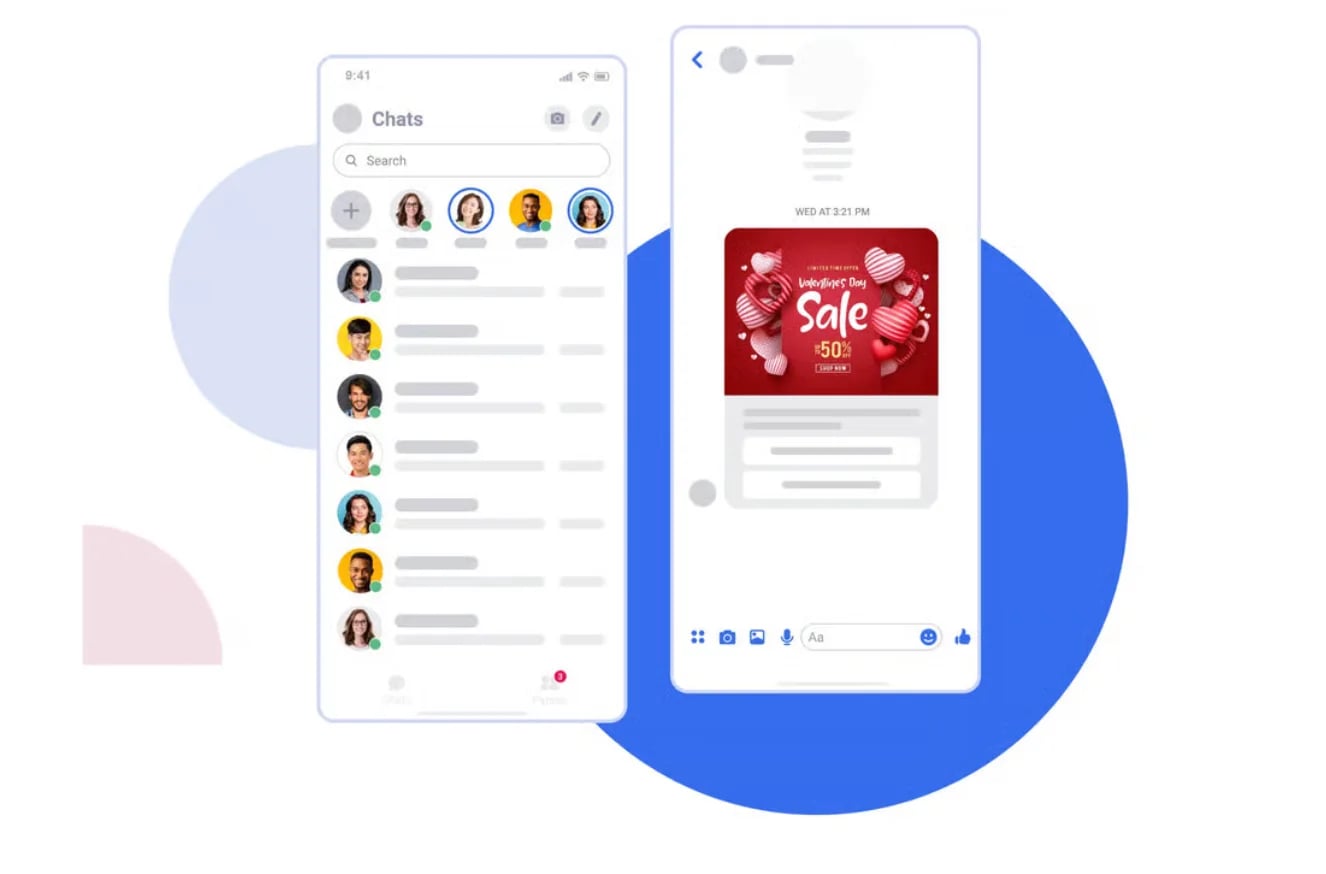
The overuse of discount messaging also leads to a more dangerous consequence: it erodes brand perceived value. When customers become accustomed to a hotel "always having offers," they delay purchasing decisions, wait for lower prices, and gradually become price-sensitive. According to a McKinseyreport, brands that rely too heavily on promotions risk a 10–15% reduction in perceived value in the eyes of customers after just a few campaign cycles.
3. Lack of market segmentation and personalised communication messages
Another key reason promotions become diluted is the tendency to treat all customer groups as a single entity. In reality, hotel guests have very different motivations, behaviours, and expectations: business travellers seek convenience and time efficiency; leisure guests are interested in experiences, ambiance, and emotions; while international guests prioritise cultural and local elements. According to Accentureresearch, up to 91% of consumers tend to choose brands that offer personalised messages and offers, yet only about one-third of businesses in the hospitality sector effectively implement personalisation. When promotional messages are "generic" for everyone, they lack the sharpness to truly resonate with any specific customer group's insights. This lack of clear segmentation also disperses marketing budgets, eroding the effectiveness of individual campaigns. According to Boston Consulting Group (BCG), businesses that effectively implement segmentation and personalisation strategies can increase revenue by 10–20%, while significantly reducing marketing costs per customer.
Consequences: From declining marketing effectiveness to negative impacts on business operations
When communication messages are not built on a foundation of clear differentiation and brand value, the negative impact extends beyond short-term communication effectiveness, reaching cost structures, competitive capacity, and long-term brand health. In reality, many hotels are "paying the price" for seemingly harmless promotional campaigns that lack strategic depth.
1. Decreased effectiveness of marketing campaigns and sales conversion
Promotional messages serve as the first touchpoint between a brand and its customers. When communication content is generic, lacks emotion, and fails to reflect differentiated value, the identification – interest – interaction – conversion behaviour chain breaks down from the very first steps. According to a Nielsenreport, up to 64% of consumer purchasing decisions are strongly influenced by emotion, while rational factors like price come in second. For the hotel industry, where every experience, feeling, and expectation plays a crucial role, dry, repetitive promotional messages can cause customers to scroll past in just 3–5 seconds, which is the average time users take to decide whether to continue paying attention to an advertisement on digital platforms.
The result is a significant decrease in click-through rates (CTR), engagement rates, and especially booking conversion rates. A HubSpot study shows that advertising campaigns with unpersonalised and undifferentiated messages can lead to conversion rates 30–50% lower compared to campaigns built on customer insights and clear brand stories.
2. Increased advertising costs with unmet ROI expectations
In an environment of escalating digital advertising costs, having a strong promotional message is not just a competitive advantage, but a vital factor in controlling expenses. According to Statista, average advertising costs in the travel and hospitality industry have increased by over 20% in the last 3 years, particularly on platforms like Google Ads, Facebook, and Instagram. When promotional messages are not compelling enough, hotels are forced to increase budgets to compensate for low reach and engagement effectiveness, leading to higher costs per click (CPC) and costs per acquisition (CPA). Simultaneously, reliance on OTAs, with commissions ranging from 15–25% of revenue per booking , further severely erodes profit margins.
According to a Phocuswrightreport, hotels with weak communication and promotion strategies spend an average of 18–22% more on marketing costs to achieve the same revenue level compared to brands with clear and differentiated messaging. This is a very high price, especially given the increasing pressure to optimise profits.
3. Negative impact on brand recognition and long-term customer loyalty
Marketing messages are not merely sales tools; they are the "voice" of the brand in the customer's mind. When this voice is inconsistent, vague, or too similar to competitors, a hotel brand will struggle to create a lasting identity. According to Harvard Business Reviewresearch, increasing customer retention rates by just 5% can boost a company's profits by 25–95%. However, customer loyalty does not come from short-term promotions, but is built on consistent experiences and memorable brand messages. When promotions revolve solely around discounts and offers, customers tend to become price-sensitive and easily switch to competitors when better prices are available.
In the long term, this traps hotels in a vicious cycle: no strong brand → reliance on promotions and OTAs → low profit margins → increasingly limited budget for strategic marketing. This is the biggest barrier preventing many hotels, despite having good products, from achieving breakthroughs in revenue and positioning.
Strategic Solutions with NewSun Hospitality
To escape the "vortex" of vague communication messages and pure price competition, hotels need a new approach that is not only stronger in communication, but also strategically deep and closely aligned with brand identity. Effective promotion is not the result of isolated campaigns, but the outcome of a consistent system of thinking, where message, product, and experience are tightly connected. As a specialised consulting firm in the hotel and tourism sector, NewSun Hospitality partners with hotels to redefine how they tell their own story, through the following fundamental strategic directions:
1. Restructure the brand positioning system for differentiation and depth
Every effective promotion message stems from a clear brand positioning. Instead of broad communication or reacting to the market, hotels need to return to the core question: what unique value can we offer our customers?

Analysing the market context, direct competitors, and target customer behaviour helps clarify meaningful differentiators – not just in tangible products, but also in emotions and experiences. From there, promotion messages move beyond mere "discounts" to reflect the brand's spirit, whether it's an authentic local cultural experience, a living space with a distinct identity, or subtle attentiveness at every service touchpoint.
2. Personalise communication messages based on customer segments
In a market where customers increasingly expect to be "heard" and understood, using a generic message for all audiences is no longer effective. Effective promotion must be built on clear customer segmentation and actual behavioural data. Messages for business travellers, couples on holiday, families, or international guests differ not only in language, but also in motivation and expectations. Implementing micro-messaging strategies across every channel, from websites, email, social media, to OTA platforms, helps hotels reach the right people, at the right time, with the most relevant message, instead of "shouting" when no one is truly listening.
3. Elevate promotions through storytelling and content marketing
When customers have become "immune" to discount figures, storytelling becomes the factor that creates sustainable differentiation. Modern promotion needs to be closely integrated with storytelling and content marketing, where hotels tell stories about experiences, people, culture, and memorable moments that guests can feel during their stay.
Emotionally rich content such as experience videos, authentic images, and testimonials from customers or the operational team help the brand become more relatable and trustworthy. Instead of merely prompting immediate purchases, this approach suggests long-term value, nurtures interest, and builds lasting relationships with potential customers.
4. Connect promotions with distinctive products and experiences
A promotion message only truly carries weight when it is linked to the hotel's distinctive products and experiences. Instead of fragmented advertising, promotions can be designed around characteristic experience packages, harmoniously combining accommodation, dining, wellness, or destination exploration. This approach helps shift the focus from "room rate" to "experience value," while also opening up opportunities to increase revenue per customer without over-reliance on promotions. More importantly, promotion now becomes part of the brand experience journey, not just a short-term sales tool.
Conclusion: Promotion requires strategic thinking, not just short-term tactics
In an increasingly competitive tourism and hospitality market, where customers have abundant choices and are increasingly sensitive to advertising messages, a promotion campaign that merely offers discounts or short-term deals is no longer sufficient to create differentiation. Effective promotion today demands a comprehensive strategic mindset, where the message not only "sounds good" but accurately reflects brand identity, resonates with customer emotions, and naturally guides them to action. The marketing message, ultimately, is the brand's voice in the minds of travellers. If that voice is indistinct, lacks identity, or is identical to competitors, the hotel will easily be drawn into price wars where profit margins erode and brand value gradually diminishes. Conversely, when promotion is built on clear positioning, customer understanding, and tells a story of a distinctive experience, it not only drives short-term sales but also creates sustainable long-term brand value. This is precisely the philosophy that NewSun Hospitality pursues when partnering with hotels and owners. Instead of providing fragmented solutions, NewSun focuses on helping hotels re-evaluate their entire communication and marketing system, from brand positioning and promotional messages to connecting product experiences with customer expectations. The goal is not just to increase bookings, but to optimise marketing cost efficiency, reduce reliance on promotions and OTAs, and build a foundation for sustainable growth for the hotel brand. ???? If your hotel is struggling to create distinctive promotional messages, or wishes to restructure its marketing strategy for greater effectiveness, the expert team at NewSun Hospitality is always ready to partner with you and share strategic insights tailored to each business model. ???? Contact NewSun Hospitality to discuss, assess your current situation, and explore new directions for your hotel's promotion strategy and brand development.
- Hotline: +84 768 68 2913
- Email: dosm@nshm.com.vn
- Zalo OA: https://zalo.me/2452770272256938463 (NewSun Hospitality)
- Website: https://nshm.com.vn/ (NewSun Hospitality)
References:
- SiteMinder (2025). "Hotel Booking Trends & The Changing Traveller Report".
- Google Travel Insights (2025). "The Future of Travel: Mobile-first & AI-driven".
- McKinsey & Company (2025). "The promise of travel in the age of AI".
- Deloitte (2026). "Hospitality 2026: The dominance of personalized experience".