


 VN
VN EN
ENIn the competitive world of hospitality, the glittering stars on a hotel's sign are not just symbols of luxury, but also a silent promise to guests of a commensurate experience. Each star is a testament to service quality, meticulous attention to detail, and the ability to touch guests' emotions. However, when these stars are "self-proclaimed" without genuine value, that promise quickly becomes an empty one. And worse – it not only erodes customer trust but also damages the overall reputation of the entire industry. In reality, many accommodation establishments focus on investing in "grandiose" infrastructure and arbitrarily assign themselves 4-5 star ratings based on subjective feelings. Not a few establishments heavily invest in expansive and glittering facades and luxurious interiors, yet neglect the soul of service – people, processes, and the emotional experience that customers truly seek. When the gap between form and substance widens, the consequences are not just negative online reviews, but the silent collapse of trust and loyalty – intangible yet invaluable assets in the hotel industry.

This isn't a story about buildings lacking grandeur or inexpensive interiors. This is the consequence of massive investments misplaced, of unmet expectations, and of brands that exist without vitality, all due to a fatal flaw in product strategy thinking: prioritising the "shell" over the "soul." In an era where authentic experiences are the only thing that can retain customers, "self-rating" is akin to building a sandcastle against market storms – sparkling for a moment, then vanishing without a trace.
Unmasking the "Self-Proclaimed Star" Phenomenon: When Expectations and Reality Diverge
"Self-proclaimed stars" is a term we use to refer to hotels or resorts that position themselves at a high rank – typically 4 or 5 stars – without genuinely meeting the core criteria that define their identity, such as their "Service Standards" or other stringent international standards like Forbes Travel Guide or AAA Diamond. This is a manifestation of delusion – when a brand believes that a glamorous appearance, a luxurious name, or a few expensive details are enough to convince guests of its "class." But in the service industry – where customers perceive through touch, hearing, and emotion – all pretenses are sooner or later exposed.
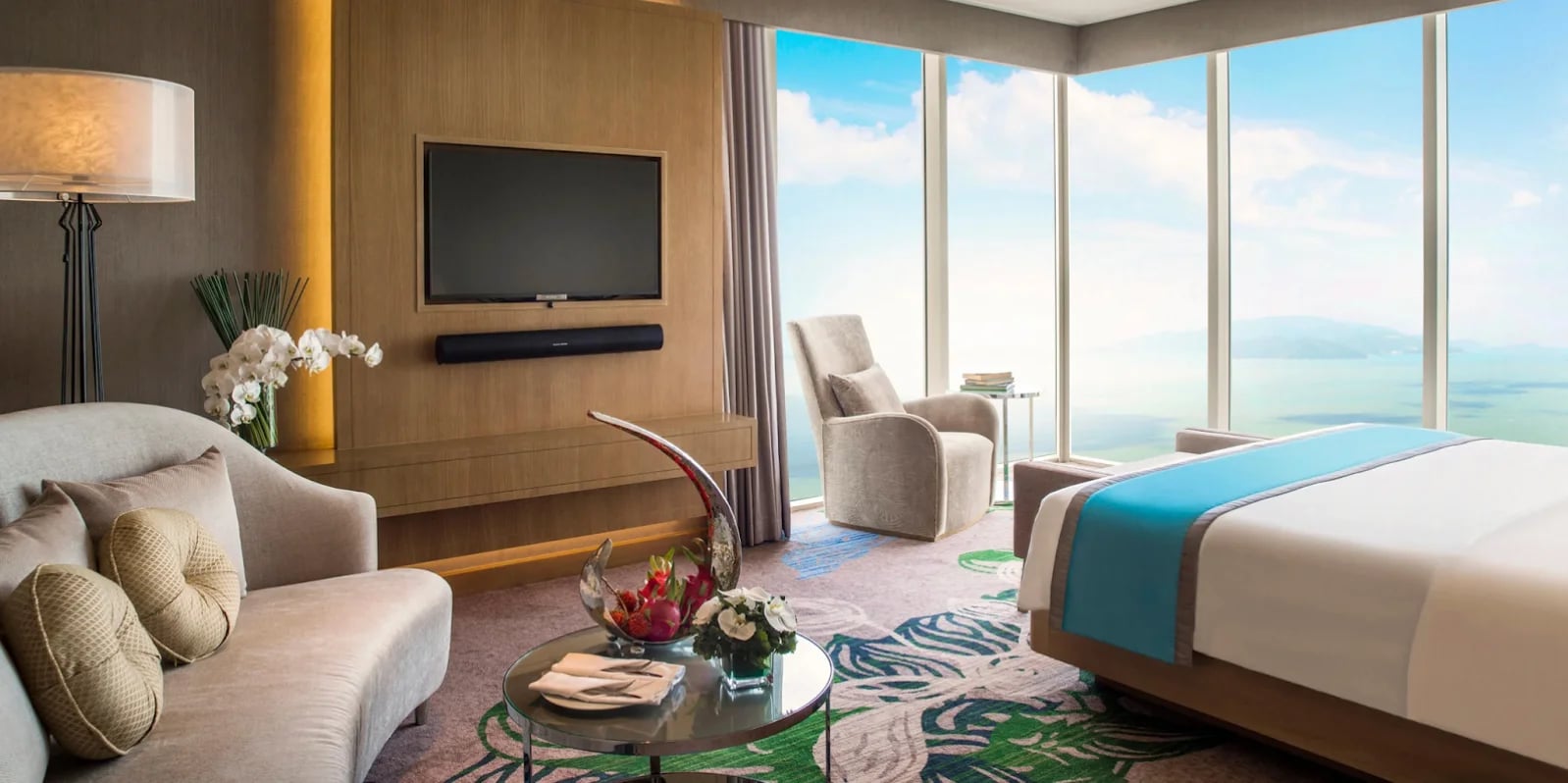
Imagine a symphony out of tune. The "hardware" – such as a gold-leafed lobby, opulent rooms, or an infinity pool – might impress guests for the first few seconds. But the "software" – the soul of the service – is disjointed, inconsistent, and lacks a competent "conductor" to lead it. This is when staff smiles don't stem from genuine dedication, the check-in process is not smooth, the breakfast buffet is monotonous, or guest complaints are taken lightly. When the harmony between facilities and emotional experience is out of sync, the entire system becomes erratic, losing the coherence that is the foundation of true luxury. And then, guests – who have paid a significant amount for a "5-star" experience – enter that space with high expectations, only to leave feeling disappointed. The tiring wait at the reception, the indifferent gaze of staff, a lingering stain on the bed linen, or cold food served late… Each seemingly harmless small detail combines to form a major "crack" in the customer's impression. And when that crack widens, no star – no matter how bright – is strong enough to conceal it. Because in the world of Hospitality, luxury is not about the number of stars, but about the feeling of being respected and understood that each guest carries with them after leaving.
Uncovering the Root Cause: Why is the "Achievement Syndrome" Spreading?
The "self-proclaimed star" issue does not arise spontaneously. It is the result of a series of flawed thinking, persistent gaps in management, and a lack of patience in the journey of building sustainable value. Through consulting and partnering with hundreds of hotel projects across Vietnam, NewSun Hospitality has observed this ailment silently spreading – not only in small, independent accommodations but also in large-scale investment projects. In summary, there are three main reasons why the "achievement syndrome" is becoming increasingly prevalent.
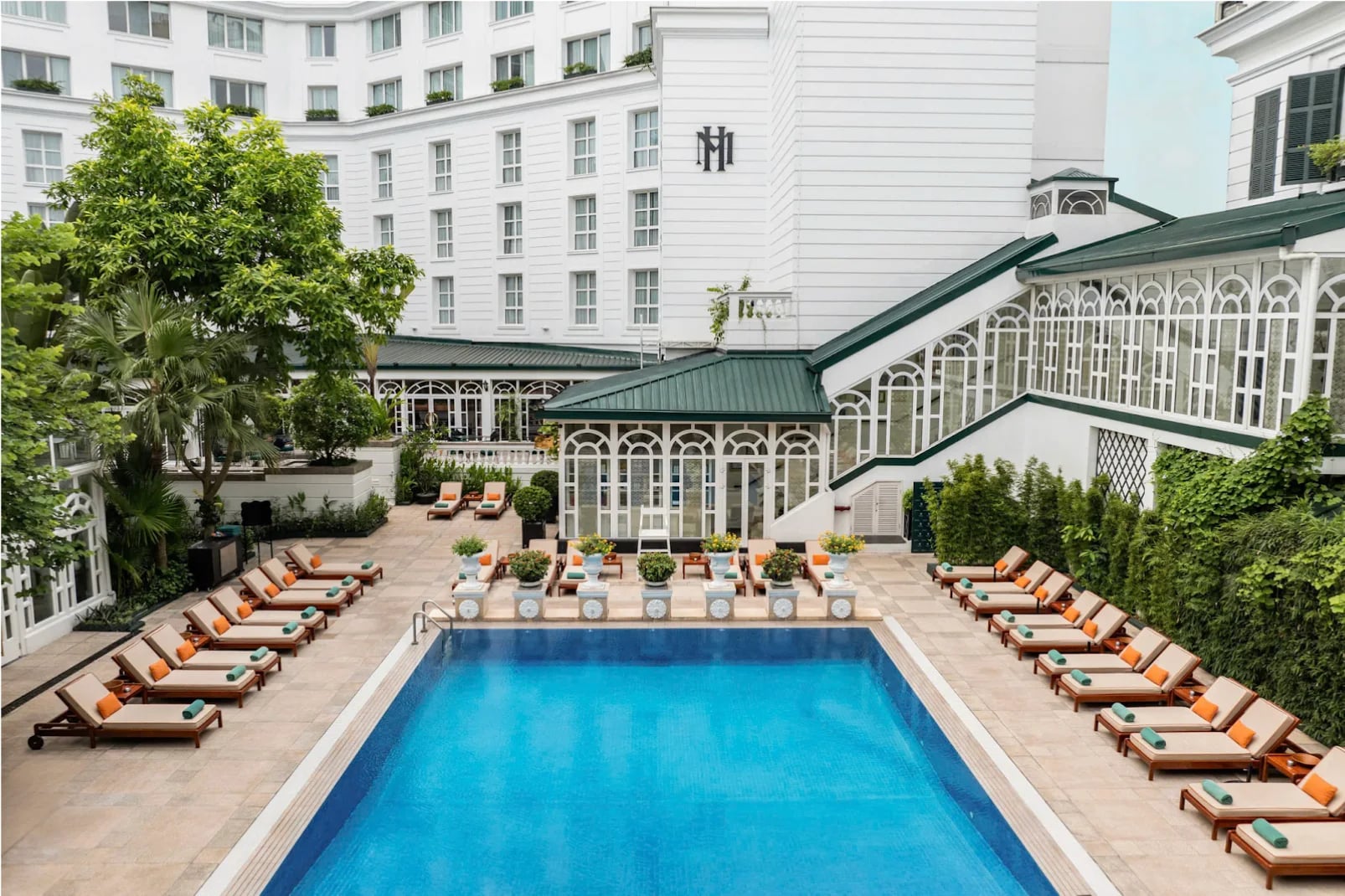
- Competitive Pressure & Short-Term Thinking – When the Market Becomes a Race for Titles.
The Vietnamese tourism market is currently witnessing a fierce "arms race" among investors. With a sharp increase in room supply, many owners view "attaching a high star rating" as a shortcut to boost commercial value: higher room rates, a more attractive image, and easier guest attraction. But behind these glittering signs lies a short-term mindset: selling rooms instead of selling experiences. Many businesses pour large budgets into media, branding, and "luxury" advertising, while the core – service, staff training, and operational standards – is neglected. When the "soul" is disregarded, all marketing efforts are merely a fading coat of paint.

- Fatal Gaps in Operational Management – When the Service Machine Lacks a Conductor.
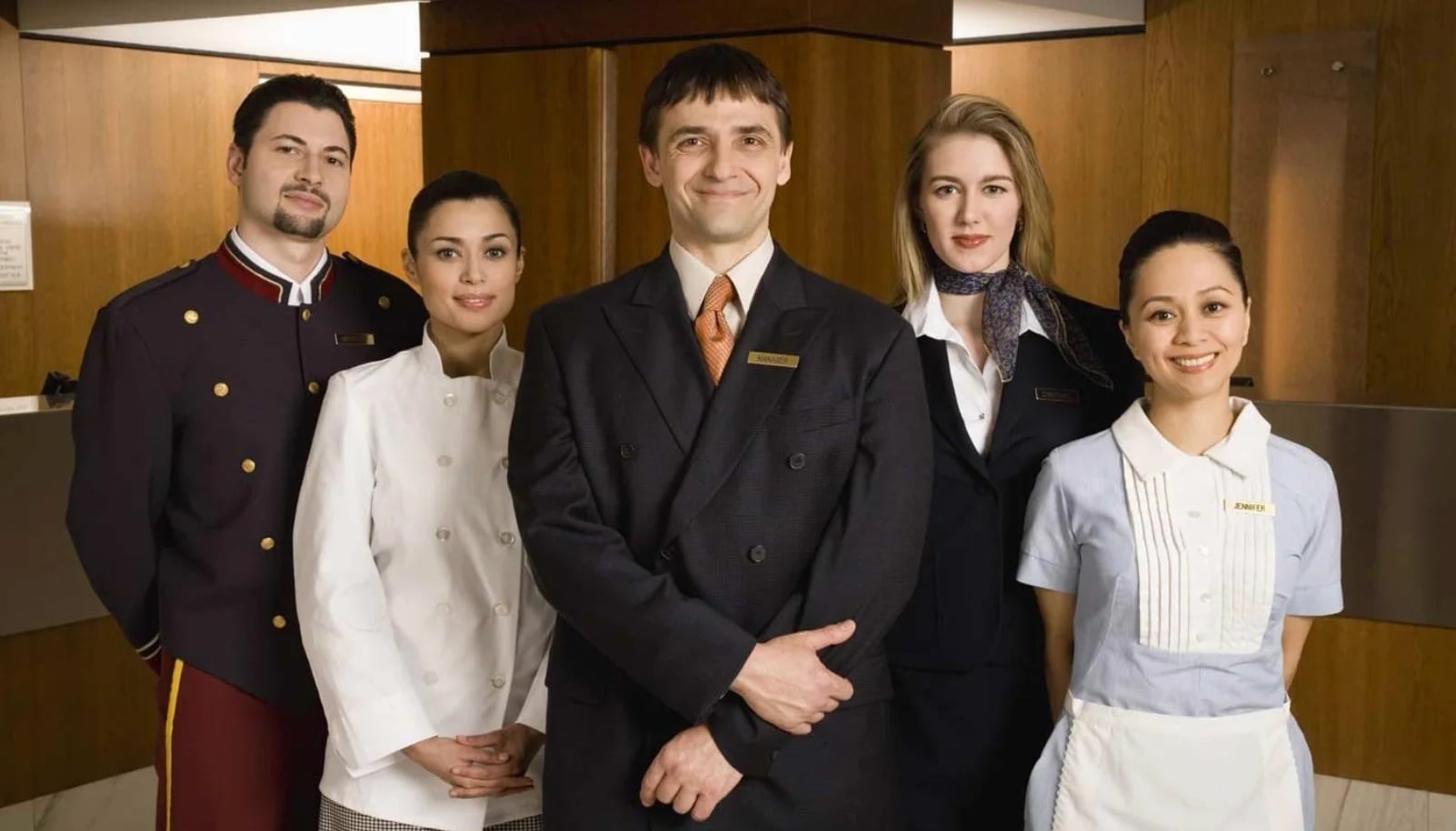
A true 5-star hotel is measured not just by the opulence of its main lobby or the size of its pool, but by the seamlessness of every operational detail. From check-in procedures, room preparation, food and beverage service, to handling guest complaints – all require a clear SOP system, a strict quality control mechanism, and a management team with a strategic service mindset. However, in many "self-proclaimed star" hotels, this apparatus is virtually non-existent. The absence of a "conductor" leads to each department operating in isolation, resulting in a fragmented guest experience. And when processes cannot maintain consistent quality, "class" becomes merely an empty slogan.
- Misconceptions About the Role of Facilities – When Luxury is Equated with Extravagance.
Many investors still hold the mistaken belief that simply investing in expensive furniture, imported materials, and grand designs is enough to achieve 5-star standards. They forget that, in the modern hotel industry, "experience" is the actual product. Today's guests don't just pay for a comfortable bed or a beautiful view; they pay for the feeling of being respected, cared for, and understood. According to PwC research, up to 73% of customers believe that service experience is the most important factor in their purchasing decision – second only to price and product quality. A breakfast served to their taste, a friendly greeting, or a small, timely gesture of care – these seemingly simple things are what guests remember and make them willing to return.
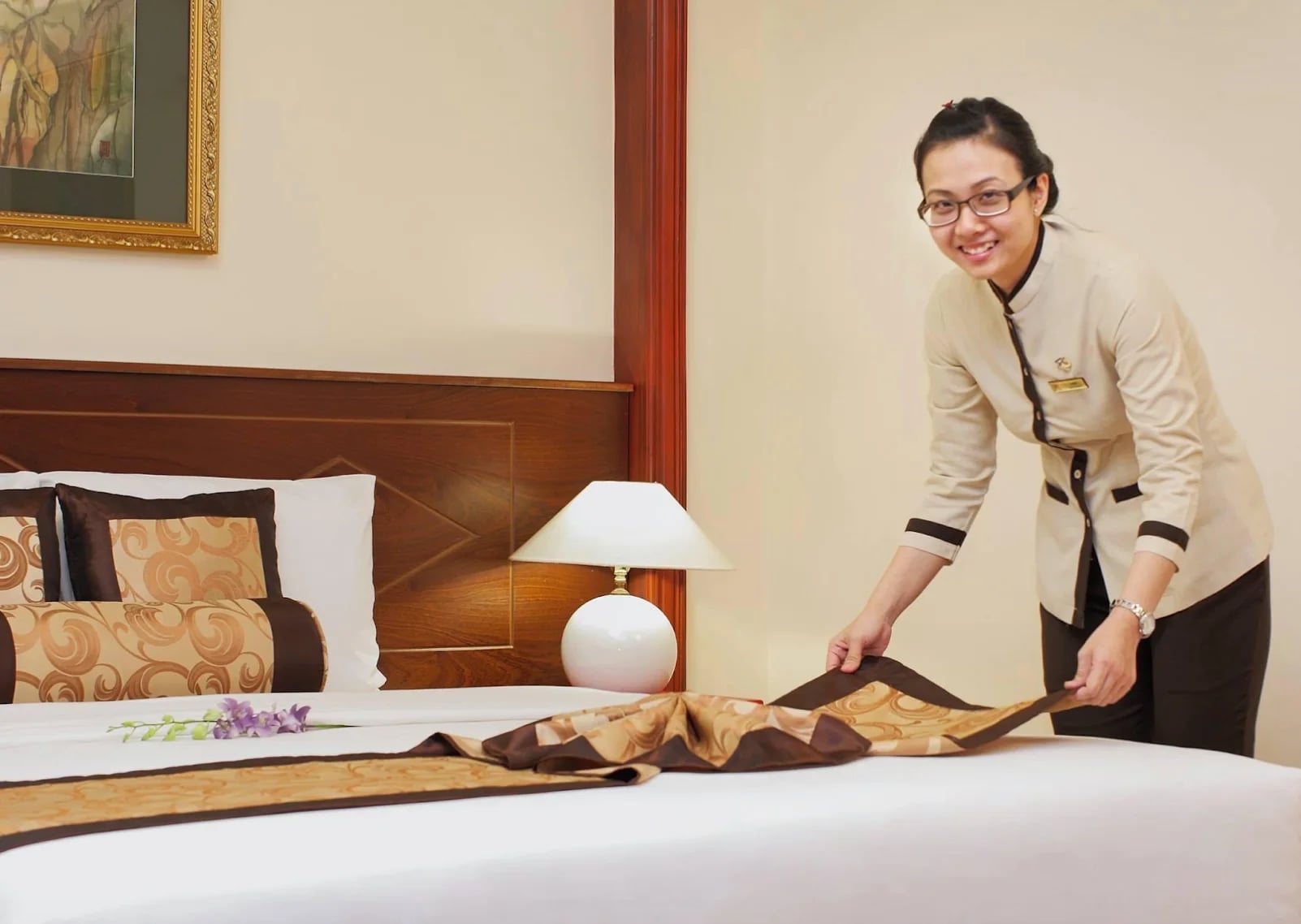
Therefore, the "self-proclaimed star" ailment is not just a misnomer; it is a symptom of a lack of understanding of the core values of the Hospitality industry. When investors pursue superficial appearances while neglecting the guest experience, they not only lose customer trust but also contribute to eroding overall confidence in the rating system – which is a global measure of credibility and quality standards.
Unforeseen Consequences: The "Scars" Left by "Fake Stars"
"Self-proclaiming stars" is not just an act of dishonesty – it is a self-destructive strategy in the service industry, silently eroding reputation, profitability, and even organisational morale. Behind the seemingly glamorous facade are deep "scars" on the brand, on the team, and on customer trust itself – legacies that no marketing campaign can erase.
- Destroying Trust and Brand Value – When a Promise Becomes a Double-Edged Sword.
Trust is the strongest currency in the Hospitality industry. Once customers feel deceived, they don't just leave; they become active "anti-fans," eager to share their negative experiences on every OTA platform, social media, or travel forum. According to a BrightLocal survey, 94% of consumers say just one negative review is enough to make them avoid that business. These "digital scars" will persist indefinitely, lurking on TripAdvisor, Booking, Google Reviews… and every time someone searches for the hotel's name, those complaints reappear like a "verdict" reminder. A brand can spend billions of VND on advertising, but just a few bad reviews are enough to shatter trust – and no "fake star" is bright enough to salvage that.
- The Vicious Financial Cycle – When Profits Are Drained by False Prestige.
When reputation collapses, high-quality guests leave, and the hotel is left with no choice but to lower room rates and offer drastic promotions to maintain occupancy. But the more prices are cut, the more the hotel attracts price-sensitive customers – a group that yields low profits and is less loyal. This drags down the brand's perceived value, shrinks profit margins, and leaves no budget for reinvesting in services, facility maintenance, or staff training. Quality declines, negative reviews increase – and this vicious cycle repeats until the hotel is depleted. That is the true cost of a "fake star," more expensive than any marketing campaign ever undertaken.
- Killing Talent Loyalty – When Service Culture Collapses from Within.
No good employee wants to work in an environment where they constantly face complaints, disappointment, and the pressure to uphold a quality they themselves don't believe in. When reality and image diverge, employees lose their professional pride, and positive energy is drained. They leave, taking their experience and loyalty with them, leaving behind a weak, unmotivated, and disheartened team. Gradually, a toxic corporate culture forms: people work merely to cope, no one dares to speak the truth or initiate change. And when the "soul" of the hotel – its people – fractures, all efforts to reform or reposition are merely belated patchwork.

Ultimately, "self-proclaimed stars" not only harm a brand but also tarnish the image of the entire Vietnamese Hospitality industry. Because every hotel that breaks its promise is a broken link in the chain of international tourists' trust in the quality of Vietnamese service – and to restore it, sometimes it takes not just money, but an entire generation of professionals who are honest and steadfast in true value.
The Solution from NewSun Hospitality: Building "Stars" from True Value
Escaping the "self-proclaimed star" trap is not about a single communication campaign or a few superficial changes. It's a comprehensive restructuring of mindset, starting with how we perceive products, people, and customer experience. In the service world, a true "star" isn't painted on a sign – it's illuminated from within, from the core values that a brand consistently builds every day. And it is there that NewSun Hospitality has found the "formula" to revive true value for hotels struggling in the cycle of false prestige.
- Repositioning the "Product" – Using Customer Experience as a Guiding Principle.
A 5-star hotel is not defined by the number of rooms, the size of the pool, or the luxury of its interiors, but by the customer's emotions at every moment of their stay. Instead of asking "what do we have?", start by asking: "how do we make our customers feel?". NewSun Hospitality always partners with clients to design the Customer Journey – from the moment they first see the brand on social media, to stepping into the lobby, enjoying the service, and leaving with a satisfied smile. Every "touchpoint" – from the lighting in the lobby, the scent in the room, the way breakfast is served, to the farewell greeting – must be planned, standardized, and imbued with the brand's DNA. When every small detail is intentionally designed, the grand experience will naturally form.

- Standardizing Operating Procedures (SOPs) – Building a Solid Foundation for Service.
Premium service cannot rely on employee inspiration; it must be based on a rigorous and consistent system of standardized operations. NewSun Hospitality always begins by helping hotels develop and implement detailed SOPs for each department, from Front Office, Housekeeping, F&B to Marketing and Engineering. This is the "backbone" that ensures consistent quality at all times – whether guests arrive during peak or off-peak season, whether they are veteran staff or new hires, their experience remains consistent and reliable. Standardization not only helps control quality but also provides peace of mind for employees, helping them understand their contribution and how each action delivers true value.
- Investing in People – Turning Staff into "Brand Ambassadors."
In the service industry, people are the soul of the brand. Technology can assist, processes can guide, but only people can create emotion. NewSun Hospitality always considers staff training the "heart" of a sustainable development strategy – not just teaching professional skills, but also nurturing a service mindset and professional spirit. When employees understand that they are not merely serving, but creating emotions for customers, they will act with pride and responsibility. Additionally, building a culture of empowerment, recognition, and fair rewards helps employees become true "brand ambassadors" – individuals who not only work for the hotel but also live by its values.

Ultimately, true "stars" don't come from self-proclaimed titles, but from the recognition of customers – those who feel dedication, professionalism, and sincerity in every detail. This is the sustainable light that NewSun Hospitality believes in and constantly helps its partners create – a light of true value, shining brightly and enduringly amidst the sky full of "fake stars" in today's Hospitality industry.
NewSun Hospitality: Partnering to Create True "Stars"
Understanding the pain points and challenges faced by investors, NewSun Hospitality is more than just a consulting firm. We are strategic partners, "architects" of experience, helping our partners build true "stars" that shine from their intrinsic value. The issue of "self-proclaimed stars" cannot be solved with piecemeal solutions. It requires a comprehensive strategy, and that is where we make a difference:
- For issues of misguided positioning and lack of product strategy: Our Strategic Consulting and Product Restructuring package will conduct in-depth market analysis, identify the true brand DNA, and design a unique customer experience journey, transforming your hotel into an irreplaceable destination.
- For gaps in operational management: NewSun's Operational Management System (SOPs) Development and Process Digitalisation solution will provide an international standard framework, custom-tailored to your model, ensuring consistent, top-tier service quality.
- For human resource challenges: Our In-depth Human Resource Training and Development program not only teaches professional skills but also inspires and builds a service culture from the heart, transforming your staff into your most valuable asset, those who directly deliver "wow" experiences to customers.
Don't let the stars on the sign become a meaningless lie. Let NewSun Hospitality help you transform them into a pledge of honour for quality, an assurance of the peak experiences every traveller desires. Contact us for hotel operations & management consulting:
- Hotline: +84 768 68 2913
- Email: dosm@nshm.com.vn
- Zalo OA: https://zalo.me/2452770272256938463 (NewSun Hospitality)
- Website: https://nshm.com.vn/ (NewSun Hospitality)
References:
- Vietnam National Administration of Tourism (2015). National Standard TCVN 4391:2015 on Hotels - Classification.
- PwC (2018). Experience is everything: Here’s how to get it right. Consumer research report.
- BrightLocal (2023). Local Consumer Review Survey. Survey on the impact of online reviews.