


 VN
VN EN
ENIn the "red ocean" of the hotel industry – where thousands of accommodations are striving to win over every guest – differentiation is no longer a luxury, but a ticket to survival. As business models become increasingly easy to replicate and service standards become saturated, "identity" – the factor that helps hotels survive and develop sustainably – becomes a rarity. Yet, a paradox is unfolding everywhere: numerous hotels are falling into a loop of sameness, from design and communication messages to operational methods, making their products soulless and lifeless.
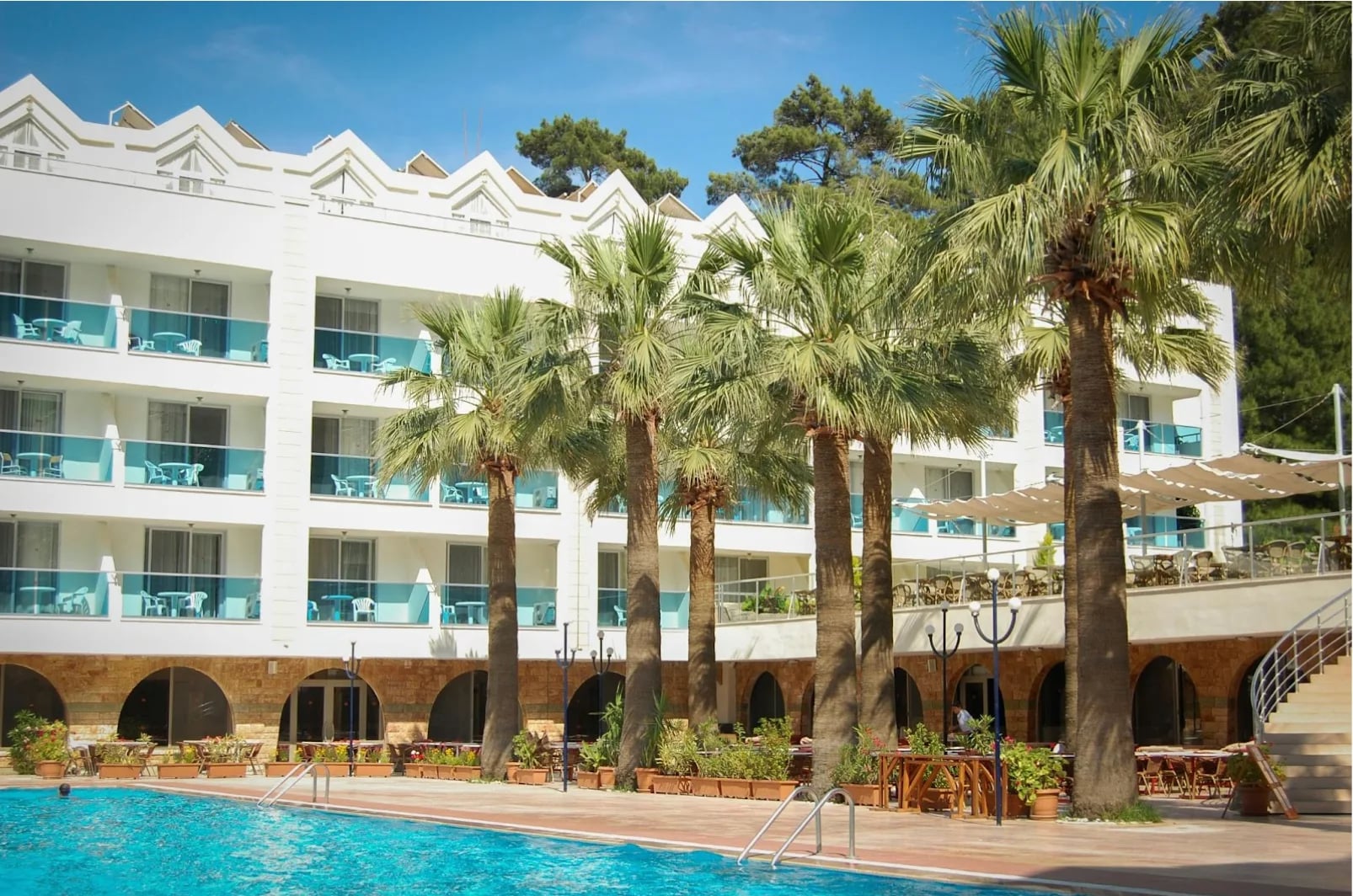
This "sameness" not only makes it difficult for customers to distinguish between one place and another, but also renders marketing efforts wasteful and ineffective. A hotel might invest billions of VND in a communication campaign, but without a clear USP (Unique Selling Proposition) and without creating distinctive emotional touchpoints in the customer experience journey, all efforts will merely "sell rooms" instead of "build a brand." And when price becomes the sole competitive tool, that game will sooner or later turn into a race to the bottom. This is the introductory article for NewSun Hospitality's "Decoding Hotel Product Strategy" series. We will together dissect the core issue: Why hotels are gradually losing their identity, lacking USPs, and failing to create valuable touchpoints in the customer experience journey.
Red Alert: When a "Generic" Hotel Becomes the Last Resort
Let's try a simple yet thought-provoking comparison. Open any OTA (Online Travel Agent) site – from Booking and Agoda to Traveloka – and type the name of a major city into the search box. The results will be startling: hundreds of almost identical hotel names, with very similar photos – pristine white beds, flat-screen TVs, light beige curtains, gleaming glass bathrooms, and a repetitive list of amenities like swimming pools, breakfast buffets, gyms, and shuttle services. Everything looks "fine," but nothing is truly memorable.

The question arises: what are they competing on? The answer, sadly, is price and location. When unable to create differentiation in experience or emotional value, hotels are forced into a price-cutting race – a race where everyone thinks they are "winning," but are actually harming themselves. The phenomenon of "commoditization" in the hotel industry is more widespread than ever. According to a Skift report, over 60% of travellers admit they always compare prices across multiple platforms before booking. This indicates that, in the eyes of customers, most hotels now differ only in the final number on the price list. What is the consequence? Many hotels gradually lose their brand soul, getting caught in a spiral of continuous price reductions to maintain occupancy. Revenue may still exist, but profits are eroded daily. Worse still, they lose their "fans" – loyal customers who loved and returned for the emotional connection. Instead, they get "transient" guests who come once for a cheap price and are ready to leave as soon as a more attractive option appears. Ultimately, they may sell rooms, but they fail to build loyalty – the most valuable asset in modern hotel business.
Tracing the "roots" of the problem: Why isn't your hotel distinctive enough?
The similarity among hotels is not accidental – it is the result of outdated thinking, obsolete processes, and overly cautious approaches in an industry that is changing daily. Instead of asking "How can we be different?", many investors are busy chasing the question "What are others doing?" – and that is precisely when they lose the opportunity to create their own true value. A "copycat" rather than "creative" mindset This is a "chronic disease" of the Vietnamese hotel industry – where successful models often become templates for replication. A boutique hotel that makes a splash with an Indochine or Tropical Modern style is immediately followed by dozens of others rushing to imitate it. A resort with an infinity pool that goes viral on social media will see "infinity pools" popping up everywhere just a few months later. Copying reduces short-term risks, but in the long run, it erodes identity, turning a brand into a bland version among countless other options. Instead of being a pioneer, the hotel becomes a soulless follower.

Over-focus on "hardware," neglecting "software" Many investors believe that a magnificent building, expensive interiors, and premium beds are enough to impress guests. But the truth is, emotional experiences are what make them return. The "hardware" – architecture, equipment – can be bought; but the "software" – people, service culture, customer emotions – must be nurtured. A genuine smile from staff, a greeting that remembers a returning guest's name, a small handwritten note on the pillow – these are tiny details that make guests feel truly valued. And it is these "soft touchpoints" that create sustainable differentiation, something competitors cannot replicate with money.
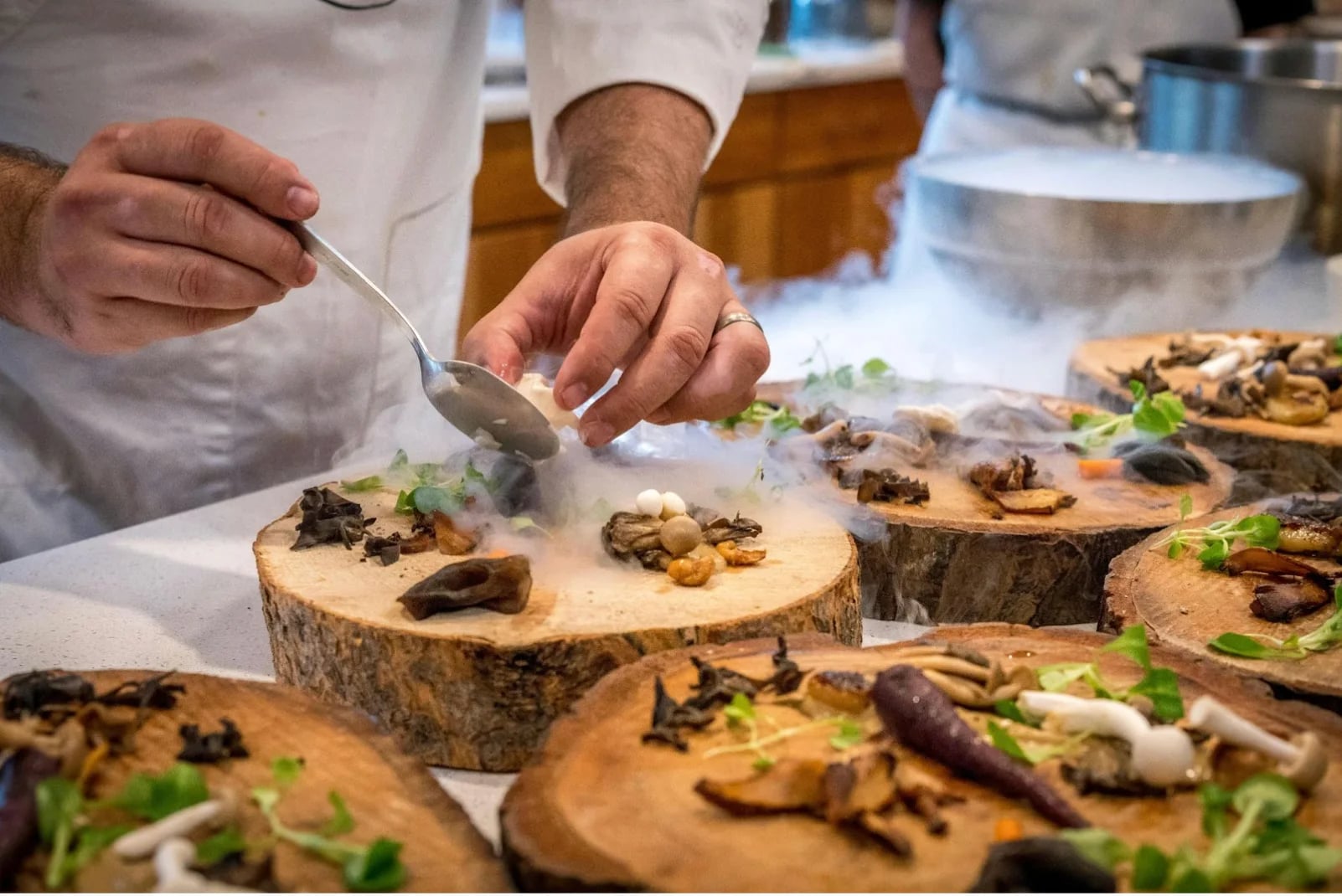
Lack of a compelling brand story A hotel may have beautiful architecture and good service, but without a Brand Story, it remains merely "a place to stay" – not "a place to remember." A brand story is not a lengthy introduction; it is the soul that guides every experience: from design style and lobby music to how staff interact with guests. A hotel created to honour local beauty, to inspire slow living, or to connect people with nature – these are all stories that make guests feel they belong to a meaningful place, rather than just renting a room for the night.

Failure to understand and measure the customer experience journey Many hotels still operate on "intuition" rather than data. They don't know what satisfies customers, and even less what makes them not return. From the moment a guest searches on Google, books via an OTA, checks in at the front desk, to their sleep experience and breakfast the next morning – every touchpoint is an opportunity to create positive emotions. But without a system to collect and analyse feedback, all efforts are mere guesswork. As a result, the customer journey becomes fragmented, inconsistent, and the brand loses its ability to learn and improve itself.
The price of superficiality: Unforeseen consequences
In the hospitality industry – where experience is the "product" – superficiality not only dulls a brand but also leads to profound and lasting consequences. A hotel lacking identity, without a clear USP, and failing to create a distinct emotional connection with guests will sooner or later pay the price. And that price is measured not only in money but also in the loss of trust, reputation, and team morale. Eroding profits due to price wars – The race to the bottom with no escape When there's nothing outstanding for guests to choose you, price becomes the only weapon. But it's also a double-edged sword that causes hotels to harm themselves. Initially, price reductions might help maintain occupancy, but in the long run, profit margins become increasingly thin, operational pressure mounts, and the "reduce – compensate – lose" cycle repeats. With no profit left, marketing budgets are cut, service quality declines – and thus, customers leave. Once a brand is perceived by guests as "cheap," raising prices or repositioning becomes incredibly difficult. This is the dead end for hotels that dare not differentiate.
Low repeat customer rate – When loyalty has no ground to grow A strong brand doesn't need to rely heavily on advertising, because existing customers will be the most effective communication channel. However, hotels that only provide "adequate" experiences will see guests leave without regret. According to Deloitte research, customers with positive and distinctive experiences are up to 82% more likely to return than those with only average experiences. Conversely, an "ordinary" stay gives them no reason to return, let alone motivation to recommend to friends. In an era where emotional experience determines brand value, making guests feel "indifferent" is the biggest failure. Average reviews, no viral effect – The brand becomes "invisible" On platforms like Booking, Agoda, or TripAdvisor, customers only leave glowing 5-star reviews when they are truly emotionally touched. An experience beyond expectations – even a small detail like a surprise birthday wish or a local dish served exactly to their taste – can turn into an inspiring review. In contrast, "mediocre" hotels often only receive bland 3-4 star comments: "Clean room, decent service, nothing special." Sounds okay, but it dies from being ordinary. Because in the online world, only brands that create strong emotions have a chance to be "chosen."
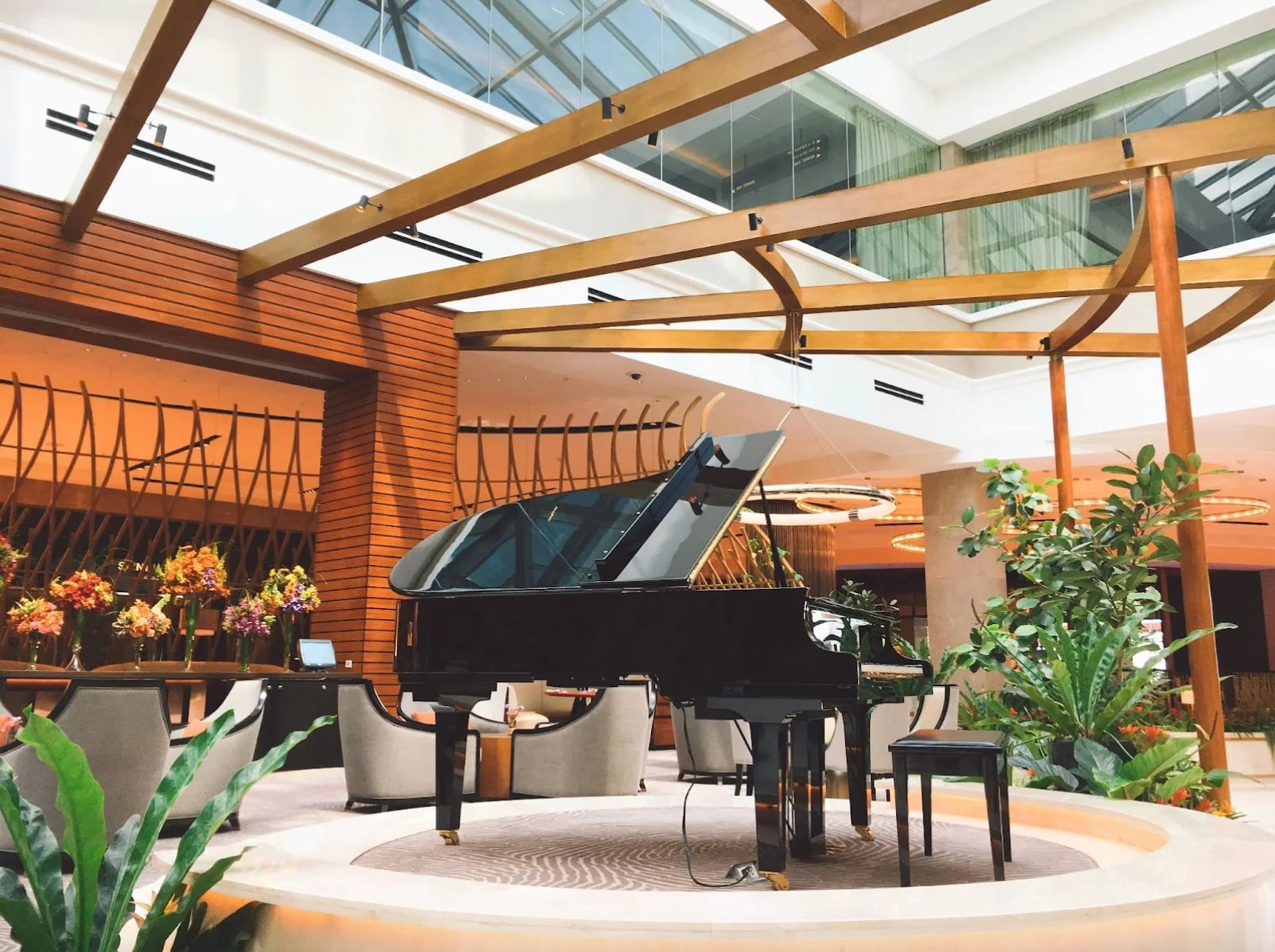
Demotivated staff – When pride in contribution is lost A hotel without identity not only leaves guests indifferent but also causes its own staff to lose faith. When they do not work in an environment with a clear vision and distinctive service standards, all tasks become mechanical and soulless. They follow procedures, complete duties, but lack the motivation to create "Wow" moments for guests. Gradually, the team loses cohesion, and the hotel loses its most valuable asset – passionate people. In contrast, in hotels with a strong service culture, staff are "experience ambassadors" – they take pride in seeing satisfied guests, and that pride is the foundation for long-term success.
Breakthrough solution: Creating an "experience legacy" from the smallest touchpoints
To escape the quagmire of sameness, hotels need more than a new marketing campaign or a few interior design changes. What needs to change is the strategic product mindset – viewing the hotel not just as a place to rest, but as a journey of emotional experiences. This is not about "fixing mistakes," but a comprehensive revolution, where every detail – no matter how small – contributes to creating a lasting brand identity and value. A differentiated hotel doesn't necessarily have to be the most luxurious, but it must be a place where guests feel genuine meaning and care in every experience.
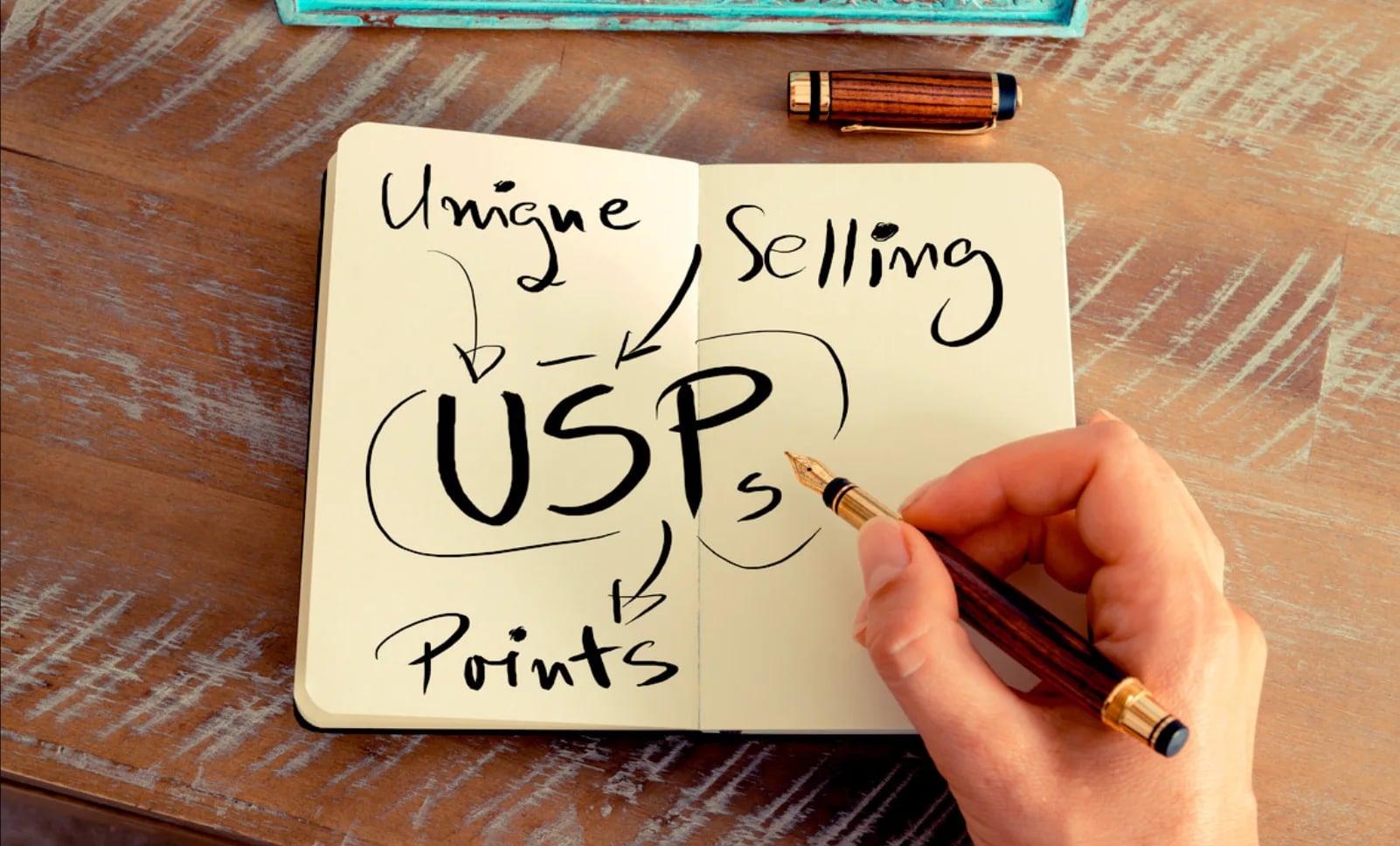
- Define a sharp USP – Answer the "Why?" question The beginning of all differentiation lies in daring to choose: choosing to serve a specific group of guests instead of trying to please everyone. Start by asking fundamental questions: Who is your hotel designed to serve? What unique value do you offer? Then, your USP (Unique Selling Proposition) will not just be a slogan, but a guiding principle for your entire operational strategy. A USP doesn't need to be grand or far-fetched; sometimes, just one very special touch point is enough to make an impression:
- A hotel with the best local breakfast, with ingredients sourced from the local morning market.
- A hotel exclusively for meditation and yoga enthusiasts, with tranquil spaces and early morning classes by the lake.
- A hotel with a "book butler" service – someone who suggests books tailored to the guest's mood.
- Or a hotel with an exclusive street food tour, designed and led by the head chef himself.
It is these "unique touches" that make guests feel they are not just renting a room, but are understood and accompanied.
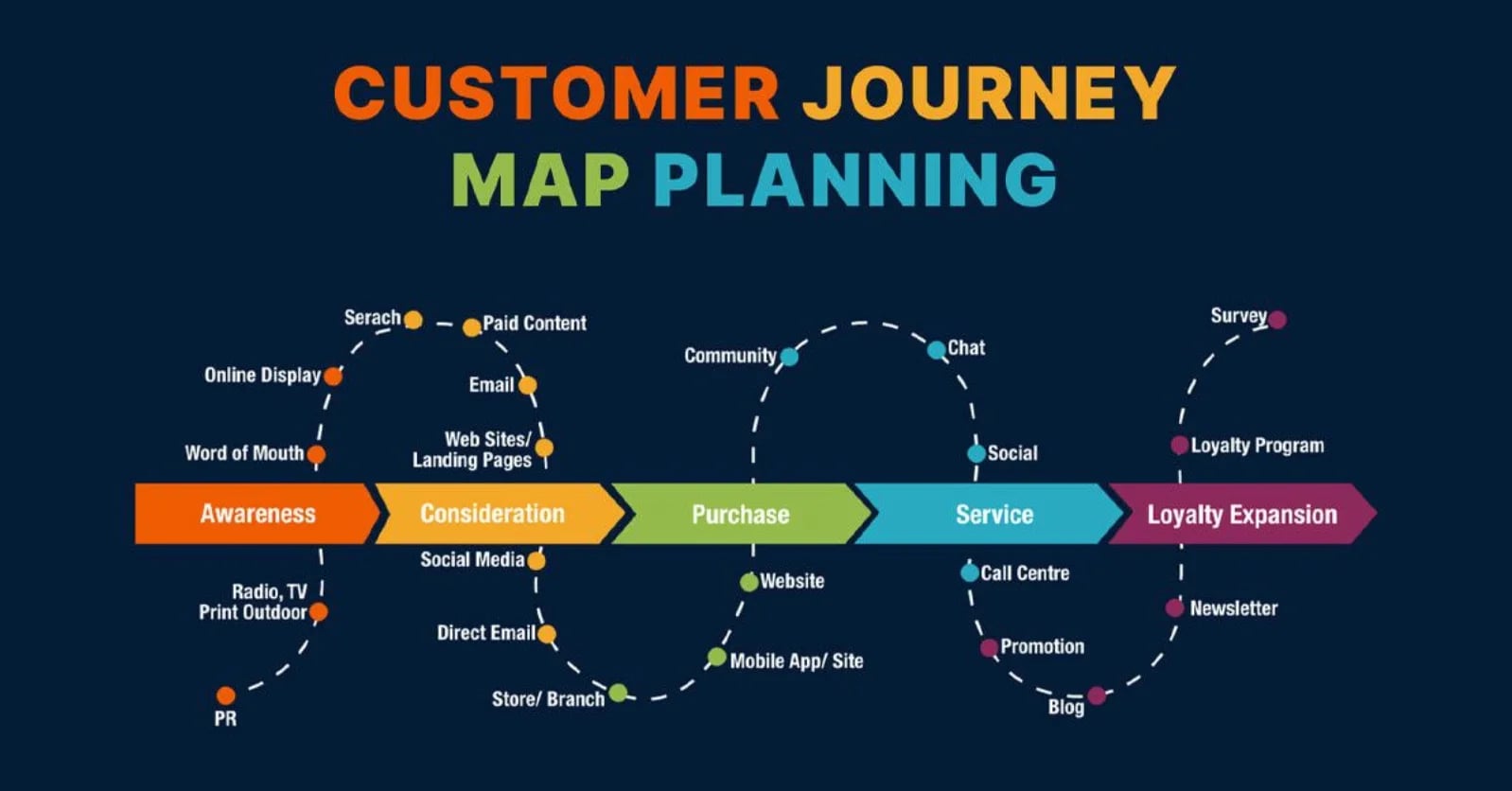
- Map the customer journey – See guests through their eyes A truly differentiated hotel is where every experience is intentionally designed, rather than left to chance. Start by mapping the customer journey – from the moment they search for a destination, to when they leave and share their feedback on social media. At each "touchpoint" – website, phone call, check-in, in-room experience, dining, check-out, post-stay email – ask yourself:
- What do customers expect here?
- What can we do to exceed that expectation?
- How can each touchpoint reflect our USP and brand story?
A personalised video thank you message, a unique music playlist for each season, or even a distinctive scent in the lobby – all can become an "emotional signature" that guests remember forever.
- Empower people – Create authentic "Wow" moments No technology can replace the emotional power of human connection. Employees are the brand's "living storytellers," the bridge that transforms service philosophies into real experiences. Train and empower them – so each employee can freely create small but memorable "Wow" moments: a surprise birthday greeting, a handwritten card left in the room, or simply remembering a returning guest's preferences. According to McKinsey, personalized experiences can increase revenue by 5–15% and marketing spending efficiency by up to 30%. Because behind every successful hotel is always a team that loves their work and is trusted to do the right thing.
- Leveraging Technology – Elevating Service, Not Replacing People Technology is not the enemy of sincerity; it's a tool that enables large-scale personalised experiences. A CRM (Customer Relationship Management) system can remember every detail about a guest: their preference for a high floor, any nut allergies, their habit of drinking ginger tea every morning, or reading the newspaper at 7 AM. This data helps hotels provide proactive and refined service, making guests feel truly "cared for". Furthermore, the application of AI, chatbots, and automation in customer service allows operational teams to focus more on the human element, rather than getting bogged down in repetitive tasks.

NewSun Hospitality: Partnering with you to create unique product strategies
We understand that breaking free from convention and building a differentiated product strategy is a significant challenge, requiring deep expertise and an objective external perspective. At NewSun Hospitality, we don't offer one-size-fits-all solutions. We are strategic partners, accompanying you on this journey. Addressing the issues analysed, NewSun Hospitality provides "tailored" solution packages for each hotel: Brand & Product Strategy Consulting Services: We will collaborate with you to research the market, analyse competitors and internal operations to identify the sharpest USP, pinpoint market gaps, and reposition your product with a competitive advantage.
- Customer Journey Building and Optimisation Solutions: NewSun's team of experts will scrutinise every touchpoint in the current journey, identify pain points, and uncover opportunities to create "wow" moments, thereby designing a seamless, consistent, and emotionally engaging experience flow.
- Excellence in Service & Corporate Culture Training Programme: We don't just train skills. We help you build a customer-centric service culture, transforming every employee into a brand ambassador, a creator and disseminator of unique experiences.
Conclusion
The hotel market will become increasingly competitive. Hotels unwilling to adapt, continuing to follow the path of similarity, will gradually be eliminated. Differentiation is no longer a luxury term; it is a mandatory requirement for survival and sustainable development. Don't let your hotel fade into anonymity. Start your journey of creating your own legacy experience today. Contact NewSun Hospitality for a 1-on-1 consultation on your hotel's product strategy. References:
- Skift (2023). The Enduring Appeal of Price Comparison in Travel.
- Deloitte (2024). 2024 Travel and Hospitality Industry Outlook.
- McKinsey & Company (2022). The value of getting personalization right—or wrong—is multiplying.
- Forbes (2023). The Power Of Personalization In The Hospitality Industry.