


 VN
VN EN
ENAs Vietnam's tourism industry experiences a strong recovery and intensifying competition, understanding and shaping product trends is not just an advantage, but a vital factor for the 4-5 star hotel segment. 2026 is projected to be a challenging yet opportunity-rich arena for brands that can innovate and create value. This article will delve into the current situation, decipher key product trends, and identify the core challenges high-end hotels face in the battle to define their "product."
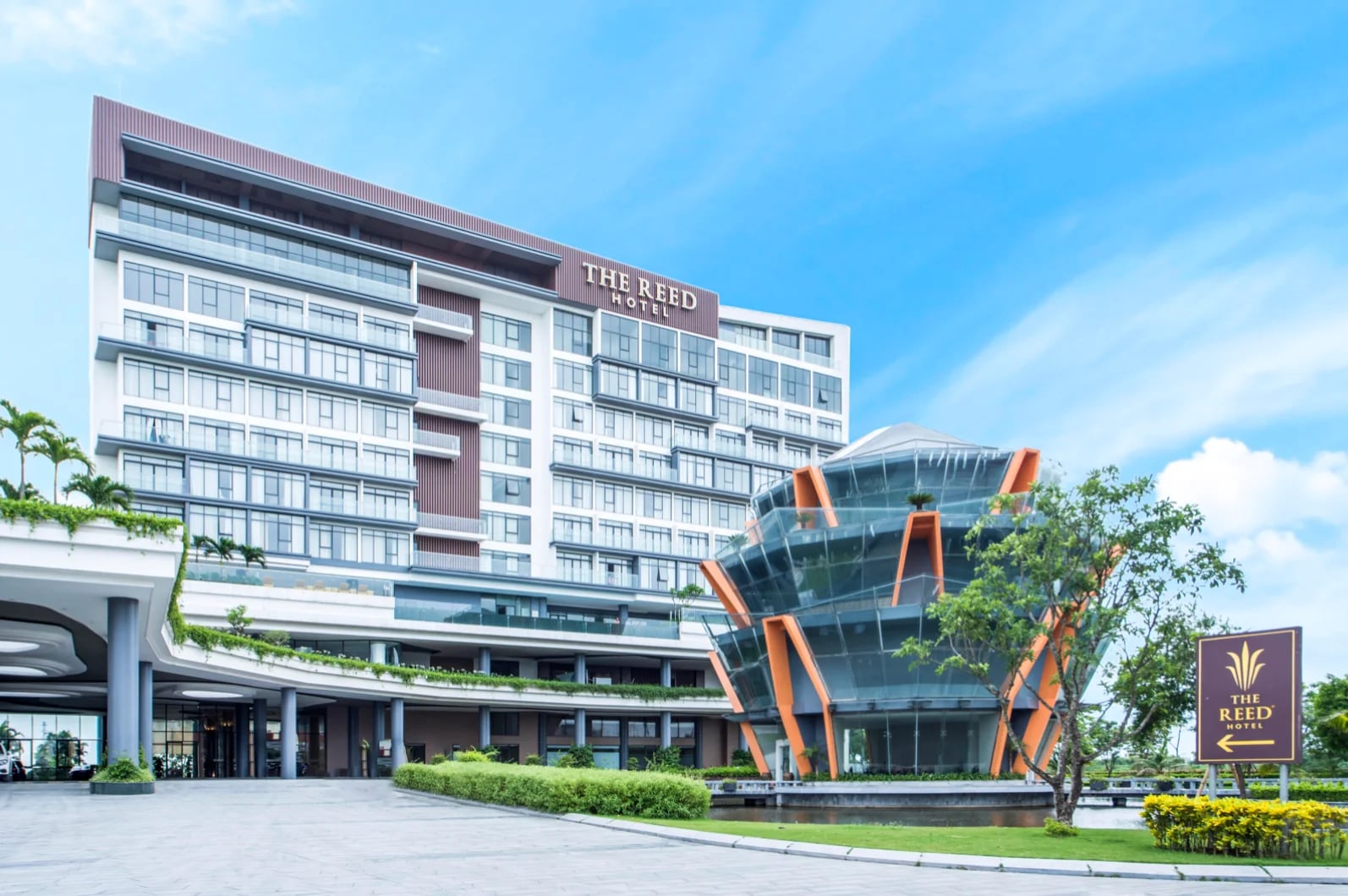
Current Situation: A Lucrative Market, But Fierce Competition
The market is showing extremely positive signs. Total visitor arrivals for 2025 are projected to reach a record 21,168,291, a 20.4% increase compared to 2024 (Vietnam National Authority of Tourism). The return of international visitors, especially from key Asian markets, is driving occupancy rates in major cities like Hanoi and Ho Chi Minh City to impressive levels of 76% and 71% respectively (Savills Vietnam, 2024). However, this optimism comes with immense pressure. The supply of 4-5 star rooms is booming. In Hanoi alone, from 2025 onwards, the market is expected to welcome dozens of new projects with nearly 12,000 rooms, mostly operated by renowned international brands. Similarly, in tourism hotspots like Da Nang and Phu Quoc, the "new opening" race shows no signs of slowing down, with the participation of names such as Radisson RED, Fusion Resort & Villas, Crowne Plaza, etc. (Ministry of Culture, Sports and Tourism, 2025).

This situation creates a saturated competitive environment. As the number of rooms grows faster than tourist arrivals, hotels are forced into a battle not only to attract new guests but also to retain existing ones. In this battle, the product is the ultimate weapon. The general trend shows that hotels are heavily investing in technology to personalise experiences, develop wellness services, and pursue sustainable standards to meet the increasingly stringent demands of luxury travellers.
Trends Shaping 4-5 Star Hotel "Products" in 2026
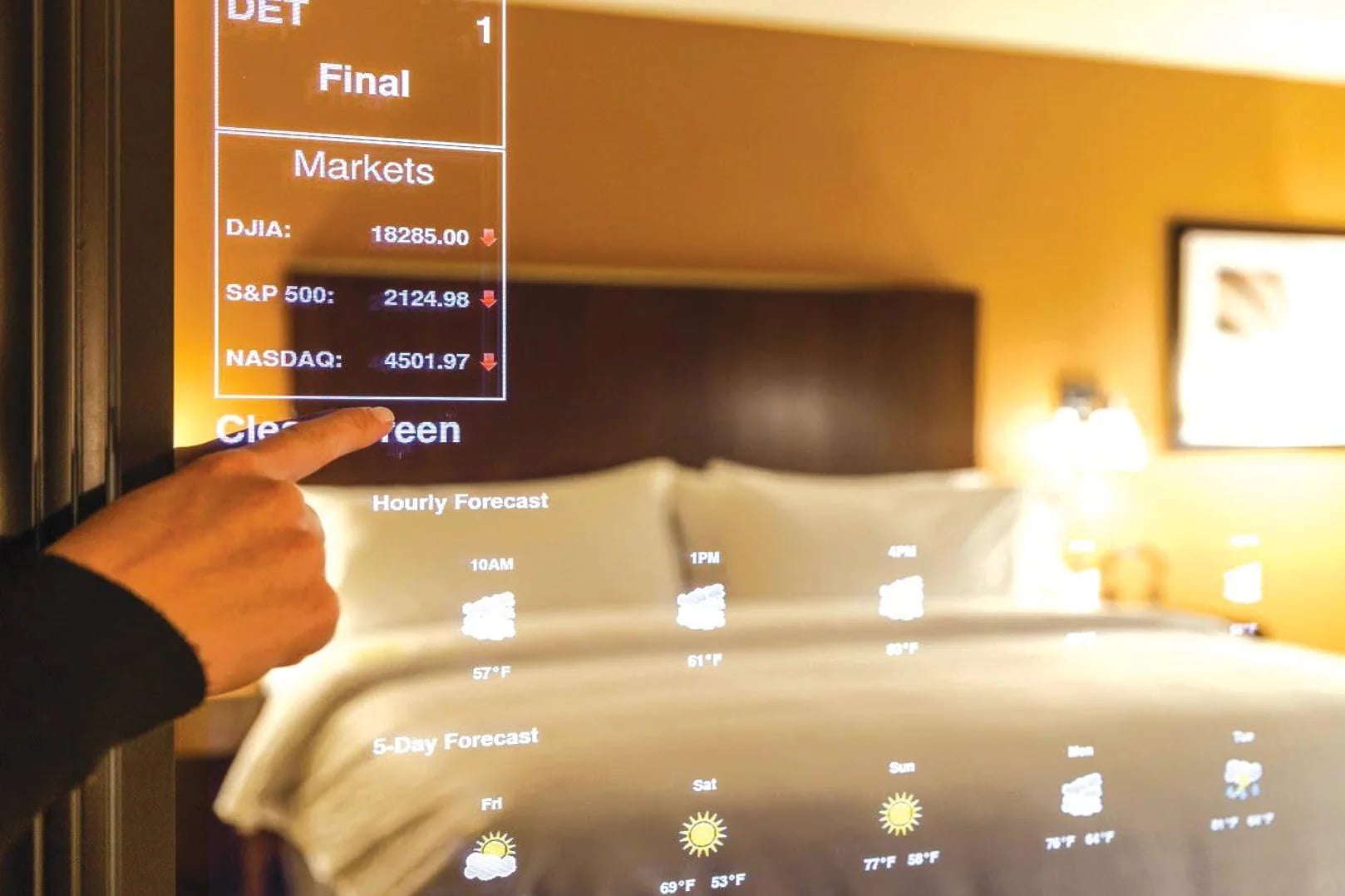
In the race to elevate the guest experience, five core product trends are shaping the luxury hotel industry in 2026. One of the clearest trends is the deep integration of smart technology to create a seamless and "contactless" stay experience. Leading hotels are pioneering the transformation of guest rooms into smart spaces, where guests can easily control all devices, from lighting and temperature to entertainment systems, with just a tablet or voice commands. Concurrently, operational processes are being heavily digitised. Mobile check-in, using phones as digital keys, and contactless payments are gradually becoming standard, enhancing convenience while ensuring privacy and safety for guests in the digital age.
Next, the trend of personalising the customer experience has been elevated to a new level, going beyond standard services. The 4-5 star hotel segment no longer competes on the opulence of its facilities but on its ability to understand and meet the deepest desires of each guest. Data on preferences, habits, and stay history is meticulously collected and analysed to "tailor" every detail, from preparing preferred pillow types or essential oil scents in the room before arrival, to suggesting unique sightseeing itineraries and culinary experiences that match their personality. This subtle attention and thoroughly personalised service create memorable experiences and build lasting customer loyalty. Alongside this development, sustainability and responsible tourism have become indispensable pillars in the strategy of luxury hotels. Guests' awareness of environmental and social issues is increasing, compelling brands to take practical action. Initiatives such as completely eliminating single-use plastics, adopting energy and water-saving technologies, and efficient waste management not only help minimise negative environmental impact but also serve as a significant advantage in the eyes of customers. Furthermore, prioritising local produce, supporting artisanal products, and creating jobs for local communities contribute to a meaningful and humane brand story.

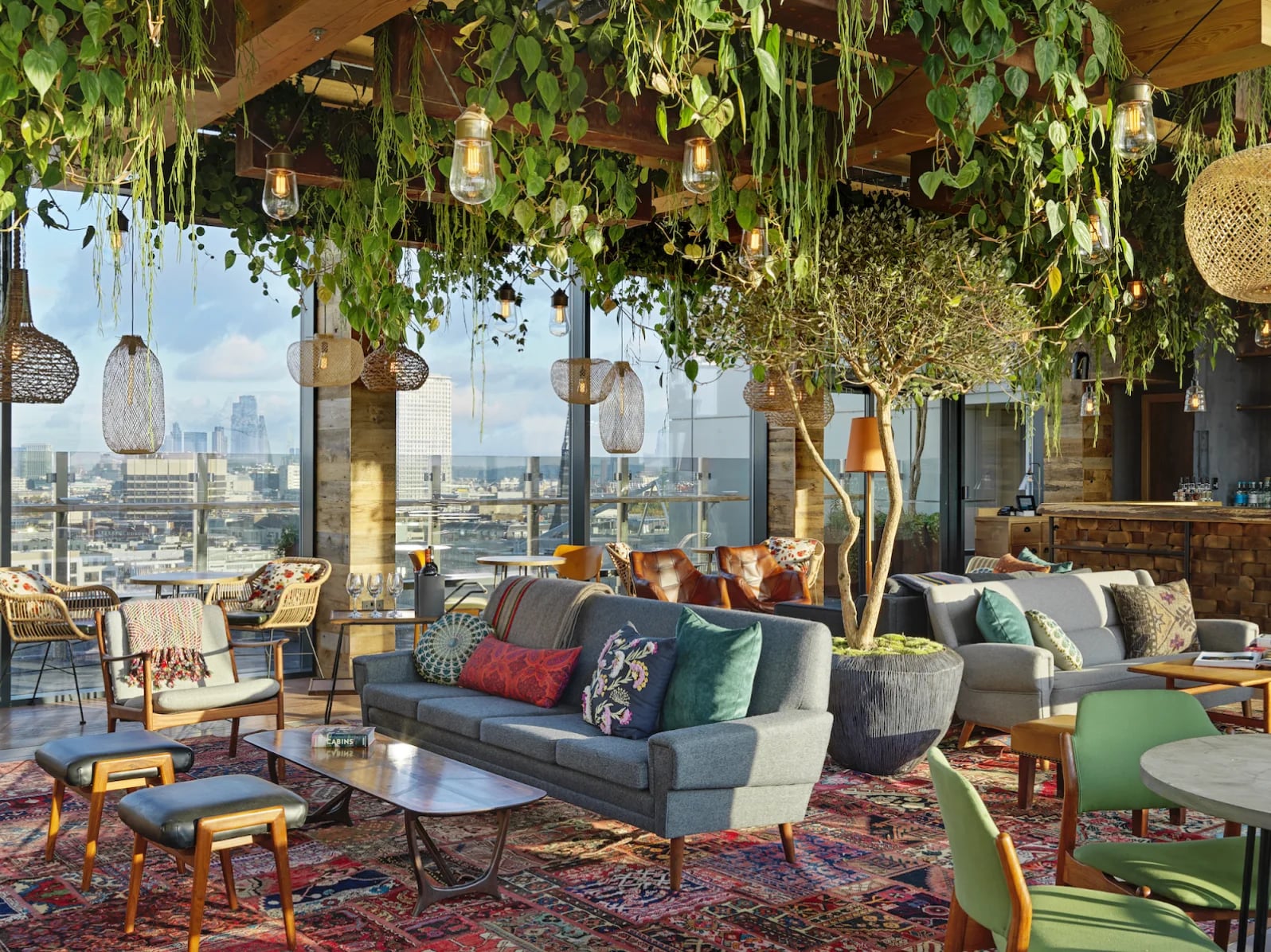
Another significant trend is the strong rise of holistic wellness tourism. Today's 4-5 star hotels are no longer merely places to rest, but destinations for healing and rejuvenating both body and mind. Spa areas are well-invested with diverse treatment programmes, and physical activities such as yoga, meditation, and Pilates are regularly organised. Additionally, culinary aspects receive special attention with healthy menus, organic ingredients, and options catering to specific dietary needs, ensuring guests have a truly healthy stay from within. Finally, architecture and space design are undergoing a revolution, moving towards flexibility, openness, and integration with nature. Common areas like lobbies are no longer rigid but have become multi-functional, serving as modern co-working spaces, cosy cafes, or art galleries. Designs prioritising minimalism, elegance, maximising natural light, and connecting with the external landscape are highly favoured. Incorporating natural elements such as greenery, wood, and stone into interior spaces not only adds aesthetic value but also creates a relaxing environment, helping guests feel calm and healed from the moment they step into the hotel.
Top 5 Product Challenges Hindering Revenue
Amidst fierce competition, many hotels, despite multi-million dollar investments, struggle to find profitability due to fatal flaws in their product structure.
Problem 1: Lack of differentiation, product fails to create a distinctive experience
This is the most common issue. Numerous hotels are launched with similar designs, amenities, and services: an infinity pool, a European restaurant, a rooftop bar, and rooms with "safe" interiors. As a result, their products become bland and easily replaceable in the customer's mind. They sell a place to sleep, not a unique experience. Customers come and go, with no reason to return or recommend, because they can find something similar anywhere.
Problem 2: Incorrect market segment positioning or unsuitable location
Another strategic mistake is building an excellent product but placing it in the wrong location or targeting the wrong audience. For example, a luxurious 5-star resort, focused on tranquility and privacy, is built in a bustling, noisy city centre. Or a hotel with a youthful, modern design attempts to attract an older family demographic. This mismatch between product, location, and target customer makes all marketing and operational efforts meaningless.

Problem 3: "Self-proclaimed stars" – Actual quality does not meet stated standards
The problem of "self-proclaimed stars" or service quality that doesn't match the recognised star rating is eroding customer trust. Many hotels brand themselves as 4-5 stars, but their facilities are dilapidated, service processes are unprofessional, and staff are underperforming. Notably, according to a study by Industry and Trade Magazine, even in 4-5 star hotels, the criterion of "attentive and sincere customer service staff" is sometimes rated very poorly by guests. A bad experience due to "fake" quality not only causes the hotel to lose a customer but also leads to negative reviews spreading across booking platforms and social media.
Problem 4: Facilities built but not effectively utilised (wasteful investment)
Many investors tend to be "greedy," building a plethora of amenities like gyms, spas, kids' clubs, meeting rooms, etc., to "complete the 5-star package" without thoroughly researching actual market demand. As a result, these amenities have very low utilisation rates, while maintenance, operational, and staffing costs remain a monthly burden. This represents a huge waste of resources, directly eroding the hotel's profitability.

Issue 5: Lack of local identity in product design and experience
In the trend of globalisation, many 4-5 star hotels, especially international chains, are inadvertently creating "soulless" products that could be replicated and placed anywhere in the world. They lack connection to the culture, history, and people of the very place they are located. Today's travellers seek authentic experiences. They want to stay in a space that tells the story of the land, enjoy dishes with local flavours, and participate in activities that reflect local life. A hotel lacking a local "soul" is a product that fails to create emotional depth for customers.
Conclusion: Product Repositioning – The Key to the Future
The 2025 luxury hotel market has no room for superficial products. To survive and thrive, investors and managers must bravely confront the weaknesses in their products. It's time to stop chasing quantity and focus on quality, stop copying and start creating differentiated value. Repositioning products, imbuing them with a unique soul, a distinctive experience, and superior service quality is no longer an option, but the only path to solving the revenue equation and asserting a position in a challenging market. In subsequent articles, NewSun Hospitality will analyse the challenges hotels face in more detail, while also suggesting practical solutions. Join us so you don't miss out on valuable insights.
References
- Ministry of Culture, Sports and Tourism (MoCST). (2025). Report on the development of new accommodation establishments in tourist centres.
- Savills Vietnam. (2024). Vietnam Real Estate Market Report Q4/2024.
- Industry and Trade Magazine. (2023). Solutions to improve accommodation service quality at hotels in Hanoi.
- Journal of Economics and Finance. (2025). Hotel market performs well due to strong demand from international tourists.
- VnExpress. (2023). Khanh Hoa fines two hotels for self-proclaimed star ratings.