


 VN
VN EN
ENWhile pricing strategy is a short-term lever that directly impacts revenue, "People" are the long-term foundation that determines a hotel's sustainable development. In 2025, the hospitality industry enters a new phase where technology such as AI, automation, and operational management systems have profoundly changed how businesses operate. However, the human element remains central to creating experiences, maintaining brand identity, and building customer loyalty.
Defining the Role of "People" in the Hospitality Industry
In the 7P Marketing Mix model, the 'P' for People extends beyond simply "employees" to encompass a broader definition: the entire team involved, directly or indirectly, in creating the customer experience. From the board of directors, senior management, and front desk staff, to housekeeping, F&B, security, technical staff, and customer service, each individual is a crucial "piece" in the overall service puzzle.
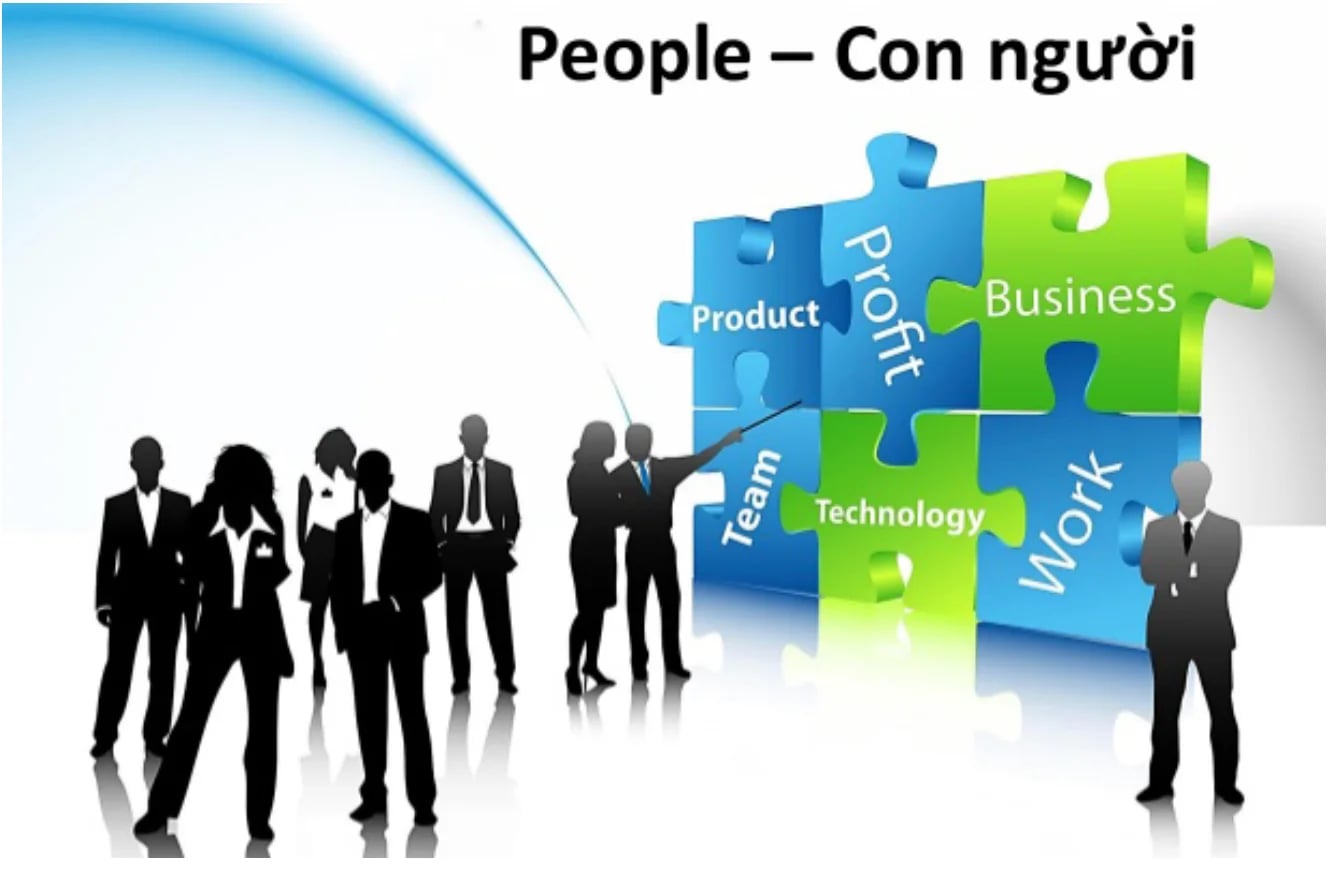
The unique characteristic of the hospitality industry is that the product customers purchase is not merely a room or tangible amenity, but rather the intangible experience created by people. A king-size bed, an infinity pool, or a luxurious restaurant can be replicated in many places. However, the way staff smile upon greeting, the subtlety in remembering personal guest preferences, or the ability to handle situations quickly and professionally – these are the factors that make a difference, encouraging guests to return or recommend the hotel to friends. In other words, People are the "soul" of the hotel. They transform seemingly similar amenities into unique experiences, turning a simple stay into a memorable journey. In an era where customers increasingly value emotions, personalization, and authenticity in service, the Human element is not just a part of the marketing strategy, but the core of all sustainable development strategies in the hospitality industry.
How has the industry landscape affected the "People" aspect in 4-5 star hotels?
Vietnam's tourism industry is entering a period of strong growth, with rapid post-pandemic recovery and significant impetus from domestic and foreign investment. Numerous 4-5 star luxury hotels and resorts are continuously being built and opened in key tourist destinations such as Phu Quoc, Nha Trang, Da Nang, Quang Ninh, and Sa Pa. This presents a huge opportunity for Vietnam to become a leading luxury resort destination in the region.

However, this "explosion in quantity" brings with it a significant problem: human resources in the hospitality industry are becoming increasingly scarce and severely imbalanced. According to the Vietnam National Authority of Tourism (2024), the current accommodation workforce only meets about 70% of actual demand. Among these, the proportion of staff meeting service standards in 4-5 star hotels is much lower, especially in frontline departments – where direct contact is made and first impressions are formed for customers. The gap between international standards and reality in Vietnam is also clearly reflected in service capacity indicators. On average, a hotel in Vietnam currently has 0.4 staff per room, whereas the recommended international standard ranges from 0.8–1 staff per room (Hotelio, 2024). This means that a Vietnamese employee often has to handle twice the workload of colleagues in countries with developed hospitality industries, leading to risks of overload, inconsistent service quality, and high turnover rates. This is particularly evident in resorts with distinct seasonality and large inventory.

Not only is there a shortage in quantity, but the market is also witnessing fierce competition in the "talent hunt." Newly opened hotels often have to accept hiring inexperienced candidates and training them from scratch, or attempt to poach staff from competitors with higher salaries. This situation creates continuous staff turnover, leaving many hotels with unstable human resources and difficulty building a sustainable service culture. All these factors indicate that human resources are becoming the biggest "bottleneck" in the journey to elevate service quality at luxury hotels in Vietnam. This is not merely a human resources problem, but a strategic challenge that directly impacts competitiveness, brand building, and customer retention in an increasingly dynamic market.
People Strategy Trends in the Hospitality Industry 2025
- Flexible & Diverse Recruitment Strategies
In 2025, 4-5 star hotels will not only compete on products or services but also directly in the labour market. To adapt, many establishments have adopted flexible recruitment models, including short-term contracts, seasonal outsourcing, or collaborating with specialized freelancers in areas such as F&B, events, or wellness. This strategy helps hotels optimize costs, avoid wasting resources during off-peak seasons, and quickly supplement their qualified workforce when demand increases. This is considered a "balancing" solution between operational efficiency and flexibility in a volatile competitive environment. The key to this flexible strategy requires management to determine the appropriate ratio of seasonal outsourced staff and the training plan. Otherwise, service quality will be affected. The goal is to optimize costs and ensure operational flow, but not at the expense of service quality.

- Investing in Training and Skill Development
In the hospitality industry – where service is built on "human-to-human moments" – training and skill development are not just internal activities, but vital strategies. While physical facilities can be easily replicated, the competence, attitude, and skills of the staff are what create sustainable differentiation. A prominent reality in the new era is that "soft skills" are valued more than ever. According to LinkedIn research (2024), up to 92% of recruiters believe soft skills are as important as, and sometimes even more important than, hard skills. In a 4-5 star hotel environment, where every conversation, every greeting, and every decision in handling situations can directly impact the customer experience, skills such as communication, empathy, problem-solving, and emotional management become extremely important "soft competitive weapons." Therefore, continuous training is a minimum requirement if hotels want to maintain and elevate service quality. Modern training programs should not only cover technical operations like housekeeping, F&B, or front desk, but must also extend to leadership skills, emotional intelligence (EQ), creative thinking, and especially digital skills – from using Property Management Systems (PMS) and CRM platforms to mastering AI-powered tools.

- Customer-Centric Service Culture
One of the biggest differences between luxury and standard hotels lies in the "service perception." According to many studies, up to 70% of a customer's experience is determined by the human element, not just facilities or amenities. Therefore, 4-5 star hotels in 2025 are focusing on building a unified service culture where every member – from leadership to frontline staff – clearly understands that the customer is at the centre. This culture goes beyond simply following procedures; it involves proactively observing, anticipating needs, and making guests feel valued. The world's leading hotel brands succeed because they have made service an integral part of their identity, making guests feel the difference from the moment they step in.
- Staff Well-being – Retaining Talent Through Engagement
In an increasingly dynamic labour market, high salaries alone are no longer enough to retain top talent. 4-5 star hotels must pay more attention to "well-being" – the balance and happiness of employees at work. Key trends for 2025 include fostering a friendly work environment, reducing stress, supporting mental health, and implementing transparent recognition and reward programmes. When employees feel cared for and connected to the organisation, they naturally become "brand ambassadors," spreading a spirit of service to customers. This is precisely what differentiates a luxury hotel with merely "good facilities" from a truly luxury hotel that touches guests' hearts.
Human Resources Challenges for 4-5 Star Hotels
- Staff Shortages and High Turnover Rates
One of the biggest challenges in the hospitality industry is the shortage of staff, both in quantity and quality. Many 4-5 star hotels struggle to recruit enough staff to meet service standards, especially in frontline positions such as front desk, housekeeping, or F&B. Not only is there a shortage, but high turnover rates also trap many establishments in a vicious cycle: continuous recruitment, training, and then losing staff again. The causes often stem from work pressure, inadequate income, and fierce competition among hotels to "hunt for experienced staff."

- Limitations in Training and Professional Skills
Despite numerous tourism and hospitality training schools, the quality of graduates does not fully meet practical requirements. Most new entrants lack international standard professional skills, especially foreign languages and technology. Many hotels have to invest in retraining from scratch, which is costly and affects service quality in the short term. This is a major challenge, especially as international guests increasingly expect high professionalism and standardisation of services.
- Lack of Motivation and Employee Engagement
A significant portion of hotel staff work in a "holding pattern," lacking the motivation to innovate or improve performance. The main reasons stem from unattractive compensation policies, a high-pressure work environment, and a lack of internal engagement activities. When employees do not feel valued or appreciated, they are unlikely to fully commit to providing the best customer experience. In the long run, this erodes service quality and brand reputation.
- Poor Coordination Between Departments (Internal Communication Breakdown)
A hotel operates smoothly if and only if its departments – front desk, housekeeping, F&B, engineering, marketing – coordinate seamlessly. However, in reality, a lack of updated information and effective communication channels remains common. This leads to delays in handling guest requests, disrupted processes, or even errors. Poor coordination between departments not only affects the customer experience but also easily causes internal conflicts among staff, reducing overall efficiency.

- Limited Opportunities for Career Advancement and Development
Many employees in the hospitality industry, especially in the 4-5 star segment, share that they lack a clear career development path. Many hotels have not established transparent promotion systems or have not focused on long-term investment in their succession pipeline. This leads to young staff quickly seeking opportunities elsewhere, making it difficult for hotels to retain talent. In the long run, this instability will directly impact service quality and the ability to build a strong corporate culture.
Conclusion – Message for Managers
In the 2025 era, as technology and artificial intelligence (AI) increasingly permeate every aspect of operations, the Human (People) factor remains a cornerstone, determining the unique differentiation of each hotel. While machines can automate repetitive processes, it is the human team that creates emotional "touchpoints" with guests – something technology struggles to replicate. Therefore, the people strategy in hospitality extends beyond basic vocational training; it is a long-term journey of building an inspiring, dedicated, and engaged team always ready to deliver experiences beyond guest expectations. With extensive experience in HR consulting and specialised training for the hospitality industry, NewSun Hospitality partners with businesses to develop comprehensive HR strategies. From recruiting the right talent and designing skill development and training roadmaps to fostering a sustainable service culture, we believe a robust HR strategy will become a key competitive advantage, helping hotels not only elevate service quality but also assert their brand position in the highly competitive luxury market. Contact NewSun Hospitality today to build a strong HR strategy, cultivate an elite team, and deliver premium service experiences. References:
- ADP – HR Trends and Tech Transforming the Hospitality Industry (2025)
- EHL Hospitality Business School – Hospitality Industry Trends for 2025
- Hospitality Net – Visioning 2025: The Top Trends Transforming
- Cornell ILR / CAHRS – Four HR Leadership Trends for 2025
- Hospitality Hiring Trends (Escoffier Global, June 2025)
- HotelTechReport – Key Role of HR in the Hospitality Industry and Its Challenges