


 VN
VN EN
ENIn the fiercely competitive 4-5 star hotel sector, the advantage no longer lies in prime locations or unique architecture, but has shifted to another critical asset: human capital. The staff are not merely operators; they are the embodiment of the brand, "ambassadors" who deliver the core values of premium service to every guest. Every interaction, every gesture contributes to creating a distinct identity and building customer loyalty – a decisive factor for sustainable success.

However, an alarming reality casts a shadow over the industry: the crisis of talent shortages and record-high turnover rates is becoming the biggest strategic challenge. This issue is like an insidious crack, deepening daily, weakening operational structures, eroding service quality, and directly threatening the reputation that businesses have painstakingly built. This is a difficult problem that all managers are grappling with. In the introductory article to the series \"Decoding People Strategy in Hotels\", we will delve into this situation, from identifying the problem and tracing its causes to anticipating consequences and, most importantly, proposing strategic solutions.
An Alarming Reality: The "Thirst" for High-Quality Human Resources
The spectacular recovery and growth of the tourism industry post-pandemic has provided strong momentum for 4–5 star hotels, but has also created an unprecedented major challenge: fierce competition for human resources. As the economy thrives, a series of new hotel and resort projects are opening and commencing operations, creating a massive recruitment wave. The demand for personnel, especially experienced and highly skilled staff, has surged dramatically, while the market supply has not been able to keep up. This has led to many key positions in high-end hotels constantly being vacant, creating a "human resources fever" across the industry. The reality shows that the overall picture of the hospitality industry's workforce clearly reflects the market's intensity. According to statistics from the Hotel Association, the current workforce only meets about 70% of the actual and growing demand. The average staff-to-room ratio is only about 0.4 people per room – a figure far too low compared to international standards required for perfect high-end service operations. As a result, hotels and resorts not only have to accelerate recruitment but also engage in a "talent war" with competitors, offering attractive remuneration policies to retain core staff and attract the most potential candidates.

Notably, this competition is not limited to a few positions but has spread across all departments. From Housekeeping, F&B, Front Office, and Spa to strategic roles like Sales & Marketing, all are facing significant recruitment pressure. Without building a sustainable human resources strategy, including internal training, improved benefits, and employer branding, the personnel shortage will become a major obstacle, directly affecting competitiveness, service quality, and the long-term development of hotels in this golden era of tourism.
Deconstructing the Core Causes of the Problem
To find effective solutions, a deep analysis of the root causes of the problem is crucial. The "thirst" for personnel that the hotel industry is experiencing is not an isolated phenomenon, but rather a cumulative result of the tourism industry's excessively rapid development and increasingly fierce competition in the labour market. Each cause contributes to a complex human resources challenge, requiring strategic and comprehensive solutions. The boom in the tourism industry is the initial cause of this race. After a period of stagnation, the strong economic recovery has driven a surge in demand for travel and leisure. To seize this golden opportunity, a series of new hotels and resorts have been continuously built and opened across the country. This rapid, industry-wide expansion has created a massive and simultaneous recruitment demand, far exceeding the supply capacity of the labour market, which needs time for training and experience accumulation. The available workforce has quickly been "fragmented" and is insufficient to fill vacant positions. Furthermore, competition for income and benefits has become fiercer than ever. In a context where "supply cannot meet demand," new hotels and resorts are willing to offer more attractive salaries and benefits to lure talent from competitors. This creates a new competitive landscape, making skilled employees prone to comparison and easily switching jobs to seek better opportunities. Businesses that fail to adjust their remuneration policies promptly will face the risk of losing key personnel, creating a major bottleneck in maintaining operational stability and quality.
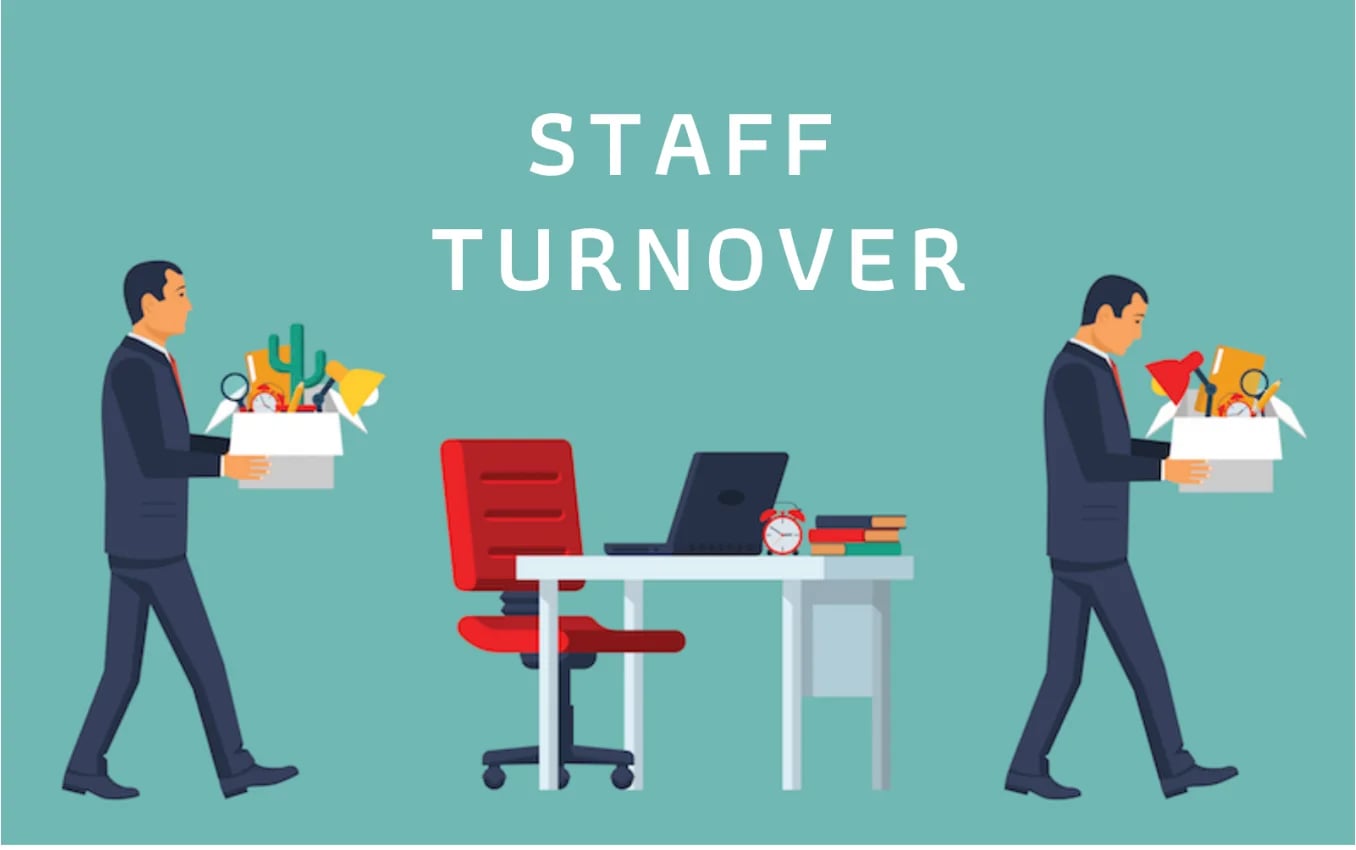
The uniform development across all market segments also contributes to increased pressure. Not only the 4–5 star luxury segment, but also 1–3 star mid-range hotels, homestays, and new types of accommodation are developing strongly to serve diverse tourist demographics. This wave of development has attracted a large number of general and semi-skilled labourers, dispersing human resources across the entire market. This makes it even more difficult for high-end hotels, which have stricter requirements for skills and foreign languages, to find qualified candidates.

Finally, we must mention the talent competition with other service industries. As the economy develops, sectors such as high-end retail, aviation, event organisation, and finance-banking also have a great demand for personnel with strong soft skills and communication abilities. These skills are precisely the strengths of hotel industry staff. With many attractive career options, employees have more leverage to negotiate and seek the best working environment, pushing the hotel industry into a human resources competition not only internally but also with the entire labour market.
Dual Consequences: Operational Losses and Diminished Customer Experience

From a Management Perspective
- Reduced operational efficiency When human resources are cut or in short supply, the workload is inevitably shifted onto the remaining staff. This forces them to work at a higher intensity, for many consecutive hours. The inevitable consequences are overload, burnout, and a significant increase in service errors. In the long run, this is also a direct cause of continuously escalating staff turnover rates, creating a vicious cycle that is difficult to escape.
- Escalating costs One of the most obvious burdens is financial cost. Hotels are forced to continuously spend on recruitment activities, job postings, interviews, and especially training new employees. However, this cost is not limited to tangible figures. Unskilled employees often make many mistakes during service, leading to "invisible costs" that are difficult to quantify: from operational incidents and revenue loss to a decline in customer trust.
- Direct Impact on Revenue and Business Opportunities Limited human resources mean hotels cannot operate at full capacity. Many establishments are forced to temporarily close sections of rooms, or limit the operating hours of restaurants or spas. Particularly in event organisation, numerous hotels have had to decline large contracts simply due to insufficient staff. This represents a direct loss of revenue and also has a long-term impact on market competitiveness.

From a Customer Perspective
- Decline in Service Quality When understaffed, the first experience customers clearly perceive is delays and a lack of attentiveness. They may have to queue longer at check-in, wait for their room to be prepared, or receive slow service at the restaurant. These may seem like minor issues, but they significantly affect perceptions of professionalism and class.
- Erosion of Customer Experience Especially in the 4–5 star segment, where customers are willing to pay a premium for perfection and personalisation, any shortcoming can become a "fatal flaw". A room missing a small detail, such as towels not folded to standard, or breakfast served 10 minutes late, can ruin their entire experience. Worse, these disappointments can easily turn into negative reviews on social media or online booking platforms – directly damaging the brand reputation that hotels spend years building.
- Lack of Service Sophistication In the luxury segment, "service" goes beyond meeting basic needs; it must demonstrate sophistication, understanding, and personalisation. However, new or inexperienced staff often struggle to grasp the subtle expectations of discerning guests. They may follow procedures correctly but lack the finesse and sensitivity that define 5-star service. This lack of sophistication leaves guests feeling let down and makes it difficult to foster brand loyalty.
The Solution to the Human Resources Challenge: From Talent Retention to Operational Optimisation
In the context of the hospitality industry facing significant pressure from staff shortages and high turnover rates, managers cannot rely solely on stopgap measures. Instead, a comprehensive HR strategyis needed, one that addresses short-term challenges to maintain operations while building a long-term vision to strengthen a sustainable human resources foundation.
Solutions for Managers
- Building a talent retention strategy – the top priority
Retaining the current team is the most cost-effective and efficient approach. Long-term employees not only understand operational procedures but also serve as the "living memory" preserving the service ethos and corporate culture. Short-term solution: Flexible labour utilisation During peak seasons, hotels can leverage seasonal or part-time staff, or partner with staffing agencies. This has become a common global trend to quickly address shortages while maintaining basic service quality.

Long-term solution: Investing in human development
- Training & Development: Establish clear career paths, regularly organise skills training courses, and create opportunities for employees to learn and advance their careers within the hotel.
- Competitive Compensation Policies: Develop fair salary and bonus structures, attractive benefits, and non-monetary rewards to make employees feel their contributions are valued.
- Fostering a Positive Work Environment: Build a corporate culture where respect, cohesion, and motivation are paramount. A healthy environment helps employees view the hotel as their "second home."
- Elevating Employer Branding
This involves not only promoting the hotel as an ideal holiday destination but also asserting it as a professional workplace with ample development opportunities and appreciation. A strong employer brand will help the hotel attract talent from the very first application stage.
Solutions for Customer Experience
Even when facing staff shortages, hotels must ensure service experience – as it is the "soul" that builds brand reputation.
- Leveraging technology to ease staff workload
Repetitive processes such as booking, check-in/check-out can be automated. This not only saves human resources but also provides maximum convenience for guests, while allowing front-line staff to focus more on personalised care.
- The pioneering role of management
During peak times, leadership and middle management must be ready to "roll up their sleeves" and directly support front-line departments. The image of managers working alongside staff not only maintains service quality but also serves as a powerful inspiration, fostering team spirit throughout the entire workforce.
- Multi-skilling training and a culture of collaboration
Every employee needs to be guided by the principle that: customer experience is the top priority. Therefore, multi-skilling training becomes essential so they can flexibly support each other across departments. When housekeeping is short-staffed, reception can assist with room checks; when the restaurant is overwhelmed, administrative staff can temporarily help with service. A "no customer waits" culture will blur departmental boundaries, creating a cohesive team focused on a common goal.
Conclusion
Staff shortages and high turnover rates are not "headaches" that can be solved overnight. This is a systemic challenge, requiring perseverance, a long-term strategy, and a people-centric human resource management approach. Only by placing people in their rightful position – as both a driving force and the most valuable asset – can businesses achieve operational stability and build a solid foundation for sustainable competitive advantage in the volatile hospitality industry. This is precisely why NewSun Hospitality has developed comprehensive hotel consulting and operational solutions, helping investors and managers address human resource challenges from the root. From building a scientific HR management system, designing competitive compensation and benefits policies, to providing skills training, operational procedures, and supporting technology solutions – all aim to optimize resources, increase efficiency, and retain talent. ???? Contact NewSun Hospitality now to transform the "HR challenge" from a difficult problem into a breakthrough opportunity – building a stable team, enhancing customer experience, and increasing sustainable profits for your hotel.
References
[1] Annual Report on Tourism - Hotel Industry, Vietnam Hotel Association, 2024. [2] Analysis of the Hotel Industry Labor Market Post-Covid, TopCV, 2023. [3] Impact of the Covid-19 Pandemic on Human Resources in the Service Industry, Institute for Tourism Development Research, 2022. [4] Report on Vietnam Tourism Trends, Vietnam National Administration of Tourism, 2024. [5] Survey on High School Students' Major Selection Trends, Ministry of Education and Training, 2023. [6] The Great Resignation: Navigating the new world of work, McKinsey & Company, 2022. [7] The True Cost of a Bad Hire, Society for Human Resource Management (SHRM), 2022. [8] Calculating the Cost of Employee Turnover, Gallup, Inc., 2023. [9] The Rise of the Gig Economy in Hospitality, Hotel Tech Report, 2023. [10] The Importance of Employer Branding in a Competitive Talent Market, Harvard Business Review, 2023. [11] Leaders Eat Last, Simon Sinek, Penguin Group, 2014.