


 VN
VN EN
ENIn recent years, technology has become one of the most powerful influences on how travel, hotel, resort, and cruise businesses operate. From booking services, revenue management, and customer care to human resources coordination, many processes that once relied on manual operations are gradually being digitised and automated. This shift not only helps businesses improve operational efficiency but also creates more convenient, faster, and personalised experiences for customers.

Over the next five years, technology is predicted to remain central to the development of the hospitality industry. Solutions such as artificial intelligence, data analytics, operational automation, and integrated management platforms will become increasingly prevalent. However, the value of technology will not lie in how many systems a business uses, but in its ability to connect technology with business strategy, operational processes, and actual customer needs. The following are the technology trends expected to bring significant changes to the hospitality industry in the coming period.
Artificial Intelligence will become part of operations
Artificial Intelligence, or AI, is gradually transitioning from an experimental technology to a direct support tool for many activities in the Hospitality industry. In the future, AI can help businesses analyse customer behaviour, forecast demand, recommend suitable products, and automate parts of customer service operations. The application of AI also helps operational teams process large volumes of data faster, thereby improving decision-making quality.
For hotels and resorts, AI can assist in forecasting occupancy, identifying booking trends, and recommending appropriate pricing at different times. In the cruise sector, this technology can help businesses analyse the needs of each market, optimise sales plans, and enhance itinerary personalisation. When applied correctly, AI will not completely replace humans but will become a tool to help teams improve productivity and service quality.
Data will become the foundation of business decisions
In an increasingly competitive business environment, decision-making based on experience or intuition will gradually be replaced by data-driven management. Hospitality businesses will focus more on collecting, connecting, and analysing data from various sources such as booking systems, CRM, PMS, websites, social media, and distribution platforms. When data is centrally managed, businesses can build a more comprehensive view of customer behaviour and the effectiveness of each business channel.
In the next 5 years, data will not only be used to compile reports but also become a forecasting and decision-making support tool. Businesses can proactively identify demand trends, evaluate the effectiveness of each product group, and adjust sales strategies according to market fluctuations. This will be an important foundation for hotels, resorts, and cruises to optimise resources and enhance competitiveness.
Personalised experiences will become the new standard
Customers increasingly expect businesses to understand their needs and provide experiences tailored to each individual. In the future, personalisation will not be limited to sending emails with the customer's name or suggesting related services. Technology will enable businesses to build a seamless experience from the moment customers search for information, book services, stay, until after their journey ends.

Based on data about transaction history, preferences, and service usage behaviour, businesses can offer more relevant suggestions regarding room types, dining, entertainment activities, or special offers. This not only helps increase satisfaction but also opens up opportunities to boost revenue from supplementary services. In a context where customers have many choices, the ability to deliver tailored experiences will become a significant competitive advantage.
Automation will help businesses optimise resources
Automation will continue to be one of the prominent trends in the Hospitality industry in the coming years. Many repetitive tasks such as receiving bookings, confirming information, updating data, sending notifications, and compiling reports can be processed automatically through technology platforms. This helps businesses reduce pressure on staff and limit errors that may arise during manual processing.
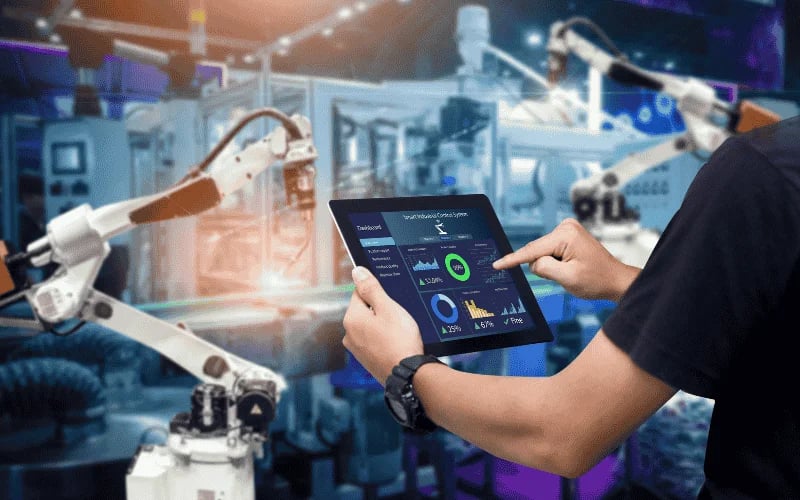
However, the goal of automation is not just to cut staff but also to allocate resources more efficiently. When technology handles repetitive tasks, employees can dedicate more time to activities requiring expertise, creative thinking, and direct interaction with customers. This factor helps businesses simultaneously improve productivity and maintain the quality of personalised service.
Technology systems will be connected into an ecosystem
One common challenge for many businesses today is using multiple software systems that are not interconnected. Data is scattered across PMS, CRM, booking systems, accounting software, and marketing platforms, making management complex. In the future, system integration will become increasingly important to create a synchronous operational ecosystem.
When platforms can exchange data, businesses can track the entire customer journey and manage business operations on a unified platform. Data connectivity also helps reduce repetitive data entry, improve accuracy, and facilitate the creation of real-time management reports. This will be an important foundation for businesses looking to scale while maintaining effective control.
Self-service technology will enhance customer and partner autonomy
Customers and partners are increasingly seeking to proactively conduct transactions without waiting for staff assistance. Self-service solutions such as online check-in, smart room keys, chatbots, customer portals, and online booking systems will continue to develop. These platforms help shorten processing times and provide a more flexible experience throughout the service journey. For B2B operations, online booking portals can help agents proactively look up information, check availability, and make bookings at any time. Expanding 24/7 service capability helps businesses reduce reliance on working hours and mitigate the risk of missing business opportunities. This is also a crucial direction for businesses to build flexible sales models and be ready to expand their partner network.
Technology will support the development of sustainable Hospitality models
Beyond business efficiency, technology will play an increasingly vital role in helping businesses achieve their sustainability goals. Smart management systems can monitor electricity, water, and resource consumption during operations. The data collected will help businesses identify areas of potential waste and develop optimal solutions.
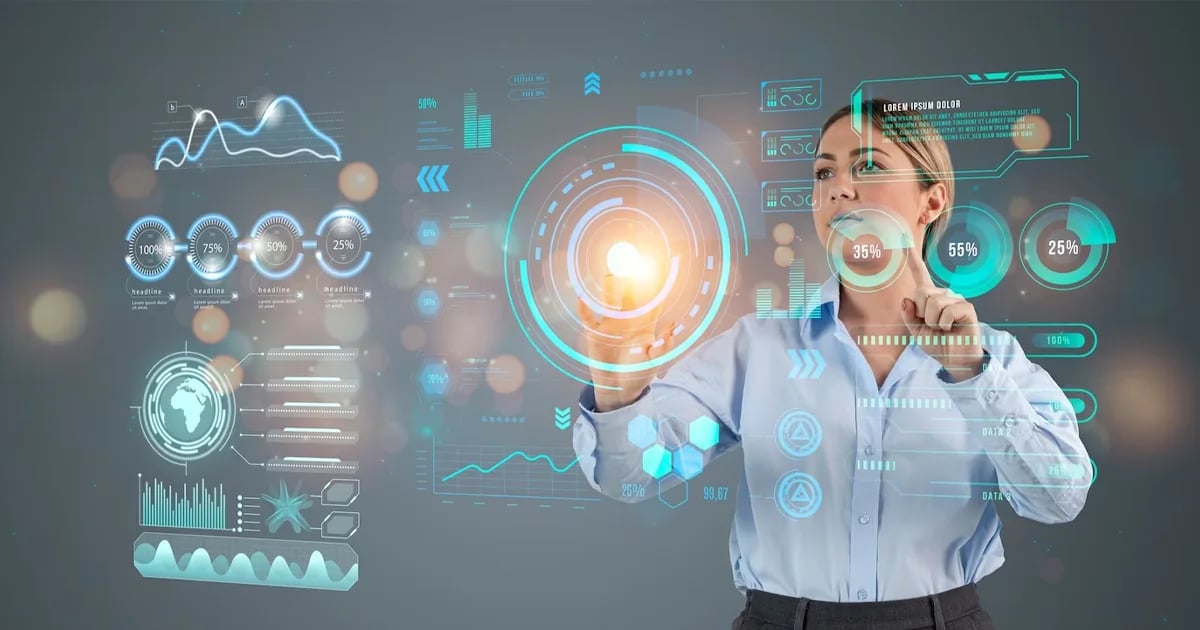
Technology adoption can also contribute to reducing paper usage through online booking processes, information management, and reporting. When implemented cohesively, digital solutions not only help businesses reduce operating costs but also support building an environmentally responsible brand image. In the future, the ability to integrate technology, business efficiency, and sustainable development will become a crucial criterion in the development strategies of many hospitality businesses.
The challenge is not investing in more technology
While technology adoption offers many opportunities, it also presents new demands regarding strategy and operational capabilities. A business might possess numerous modern software solutions yet still face difficulties if systems are not integrated or if the team is not ready for change. Therefore, digital transformation must be viewed as a holistic process encompassing technology, processes, data, and people. Before investing, businesses need to clearly define the problems to solve and the goals to achieve. Selecting solutions that align with the business model, scalability, and operational capabilities will be more important than owning a system with excessive features. Technology only truly creates value when applied in the right context and helps businesses solve real-world problems.
NewSun Hospitality partners with businesses to build digital capabilities
In a rapidly changing technological landscape, NewSun Hospitality recognises that digital transformation is not merely about implementing new software. It is a process of building a more flexible business model, connecting data more effectively, and enhancing long-term customer service capabilities. Therefore, technology solutions must be developed based on a deep understanding of operational activities and the specific characteristics of each business.
Leveraging its experience in strategic consulting, operational management, and implementing technology solutions in the hospitality sector, NewSun Hospitality aims to support businesses in progressively digitising key operations. The 24/7 B2B Booking Portal solution is one such platform developed to help businesses optimise booking processes, enhance partner experiences, and expand continuous sales capabilities. Over the next five years, technology will continue to bring profound changes to the tourism, hotel, and cruise industries. Businesses that proactively build data foundations, standardise processes, and select appropriate solutions will have greater opportunities to enhance their competitiveness. With a focus on integrating operational consulting and technology application, NewSun Hospitality aspires to be a trusted partner for businesses on their journey towards digital transformation and sustainable development.
- Hotline: +84 768 68 2913
- Email: dosm@nshm.com.vn
- Zalo OA: https://zalo.me/2452770272256938463 (NewSun Hospitality)
- Website: https://nshm.com.vn/ (NewSun Hospitality)