


 VN
VN EN
ENAs part of digital transformation, many businesses in the hotel, resort, tourism, and cruise sectors are investing in online booking platforms to enhance business efficiency. However, many entities still confuse Booking Portals and Booking Engines, leading to the selection of solutions that are not suitable for their operating model. While both support online booking activities, these two systems are designed for different user groups and address entirely different business challenges.
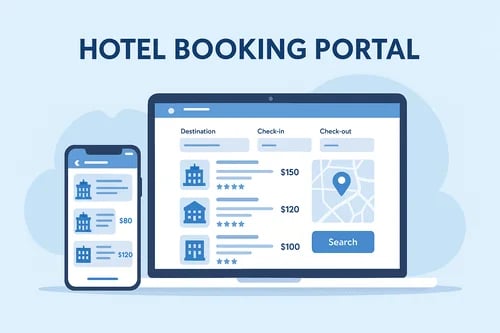
Understanding the differences between a Booking Portal and a Booking Engine not only helps businesses optimise investment costs but also build a digital transformation strategy aligned with long-term development goals. Especially for businesses serving both individual customers and a network of travel agents, choosing the right solution will create a significant competitive advantage in the market.
What is a Booking Engine?
A Booking Engine is an online booking or service reservation system integrated into a company's website to serve end-customers (B2C). When visiting the website, customers can actively search for information, select room types or services, check prices, make payments, and complete the booking process directly on the platform. This solution has become popular in the hotel and tourism industry, especially for businesses looking to increase direct bookings and reduce reliance on OTA platforms.
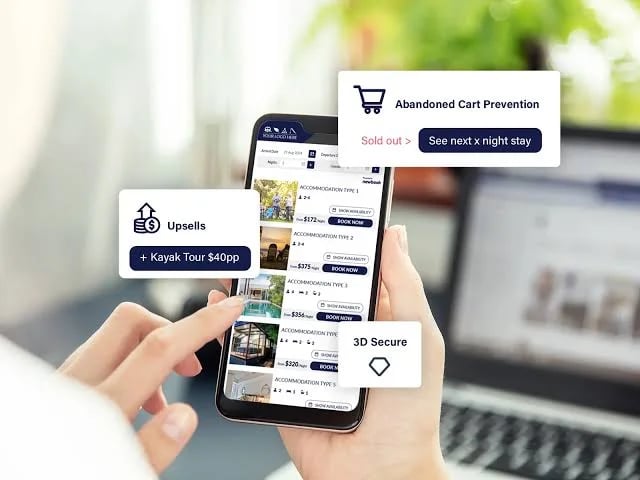
In addition to supporting service bookings, a Booking Engine also enhances the customer experience through a fast and convenient booking process. The system is usually integrated with the company's official website to synchronise data, update real-time room availability, and implement promotional programmes for individual customers. The primary goal of a Booking Engine is to increase revenue from direct sales channels and build long-term relationships with end-customers.
What is a Booking Portal?
Unlike a Booking Engine, a Booking Portal is developed specifically for B2B customers such as travel agents, tour operators, partner companies, or service distributors. The system acts as an online transaction gateway where partners can log in with their own accounts to search for products, check inventory, view pricing policies, make bookings, and manage their entire transaction history.
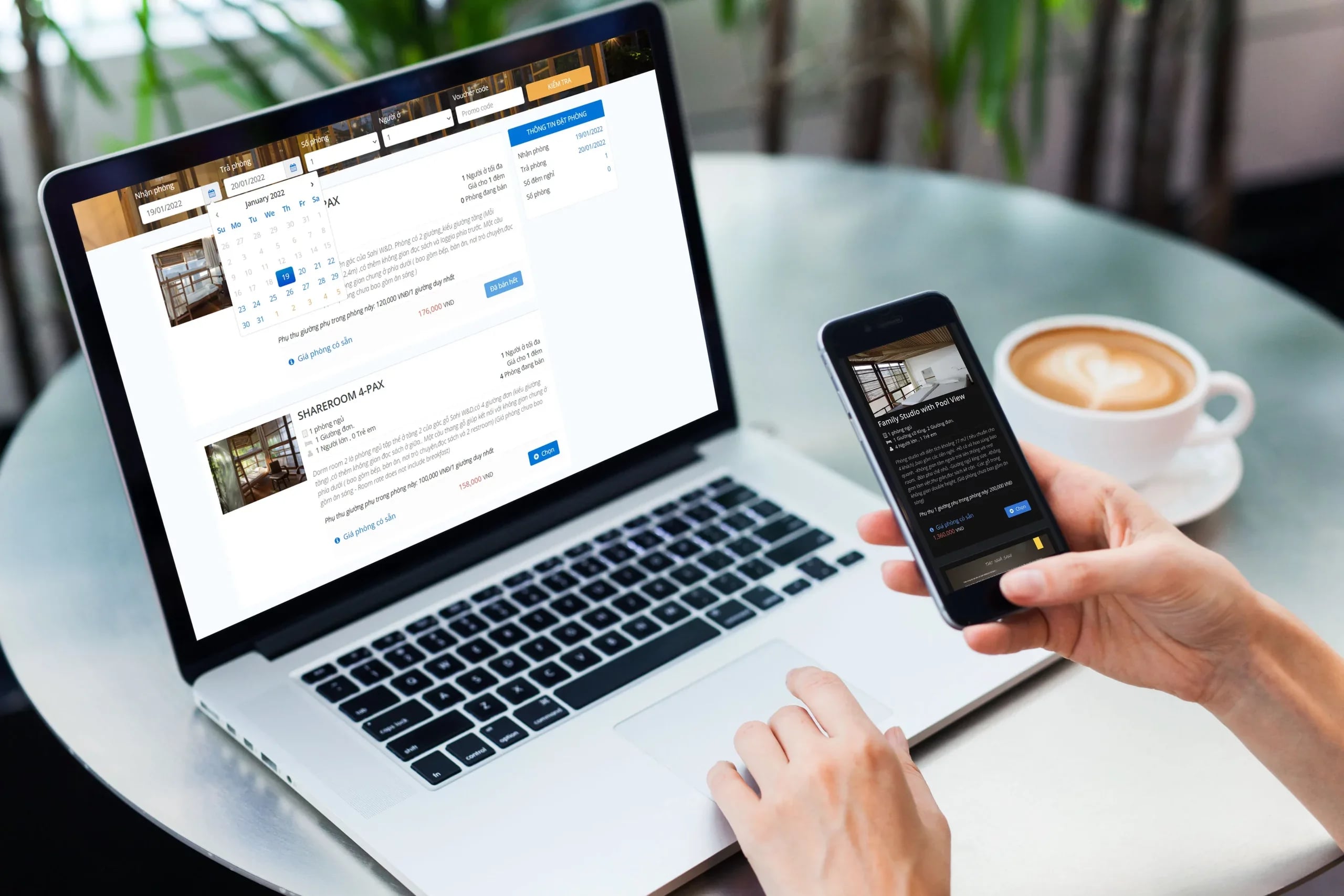
A key differentiator of a Booking Portal is its ability to manage a partner network. The system allows businesses to set up various pricing policies for each agent, assign user permissions, track sales, manage accounts receivable, and control the entire sales process on a unified platform. This solution is suitable for businesses with an extensive agent network that need to digitise their B2B operations.
The Difference Between a Booking Portal and a Booking Engine
While both serve the goal of online sales, Booking Portals and Booking Engines are built for two entirely different customer groups. A Booking Engine targets individual customers who want to book rooms or services directly on the company's website. In contrast, a Booking Portal focuses on business partners such as travel agents or tour operators, who need access to the system to conduct transactions according to specific policies. The difference is also reflected in their operational approach. A Booking Engine typically prioritises a simple booking experience, quick payments, and optimising the conversion rate for individual customers. Conversely, a Booking Portal places more emphasis on partner relationship management, account permissions, flexible pricing policies, and the ability to track business data. Therefore, these two systems do not compete but complement each other within a multi-channel sales strategy.
When should a business invest in a Booking Engine?
A Booking Engine is a suitable choice for businesses looking to strongly develop direct sales channels to end-customers. Hotels, resorts, or cruises with a large volume of website bookings will leverage the advantages of this system to reduce OTA commission costs and proactively implement sales programmes for different periods.

In addition to increasing direct revenue, a Booking Engine also helps businesses build a customer database, implement post-sales care programmes, and develop more effective marketing activities. This is an important platform for businesses aiming for a brand development strategy and increasing customer retention rates.
When should a business implement a Booking Portal?
For businesses whose revenue primarily comes from an agent network or distribution partners, a Booking Portal will be more effective. The system allows agents to proactively make bookings anytime, anywhere, without needing to contact the sales or operations department directly. This shortens processing time, reduces pressure on staff, and enhances the partner experience. Additionally, a Booking Portal also helps businesses centrally manage all transaction data, sales by agent, and the effectiveness of each distribution channel. This is an important platform for businesses to expand their partner network, build flexible business policies, and gradually digitise their B2B sales process.
Should a business implement both a Booking Portal and a Booking Engine simultaneously?
For many businesses in the hospitality industry, the answer is yes. When a business develops both B2C and B2B markets simultaneously, using both systems creates a complete sales ecosystem. A Booking Engine helps optimise revenue from direct customers, while a Booking Portal effectively leverages the network of agents and distribution partners.
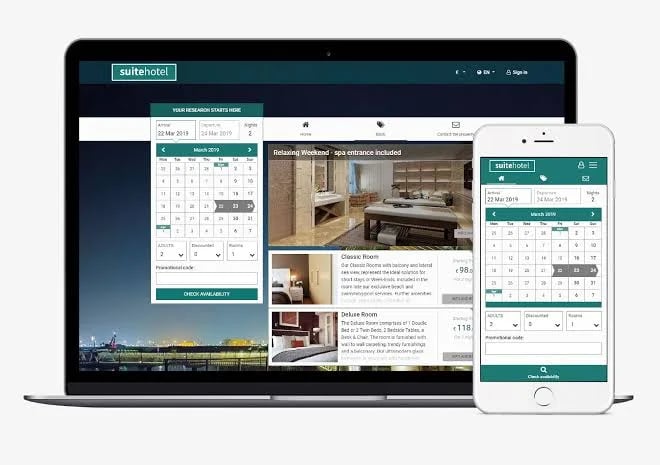
These two platforms can be connected to management systems such as PMS, CRM, or Revenue Management to synchronise data and optimise operational activities. As a result, businesses not only enhance business efficiency but also build a technological foundation ready for future expansion.
NewSun Hospitality – Partnering with businesses to choose the right solution
Experience shows that no single technology solution fits all business models. It is crucial for businesses to accurately assess their needs, operational characteristics, and development strategy before choosing the appropriate platform. Investing correctly from the outset will help save costs, shorten implementation time, and deliver long-term effectiveness.
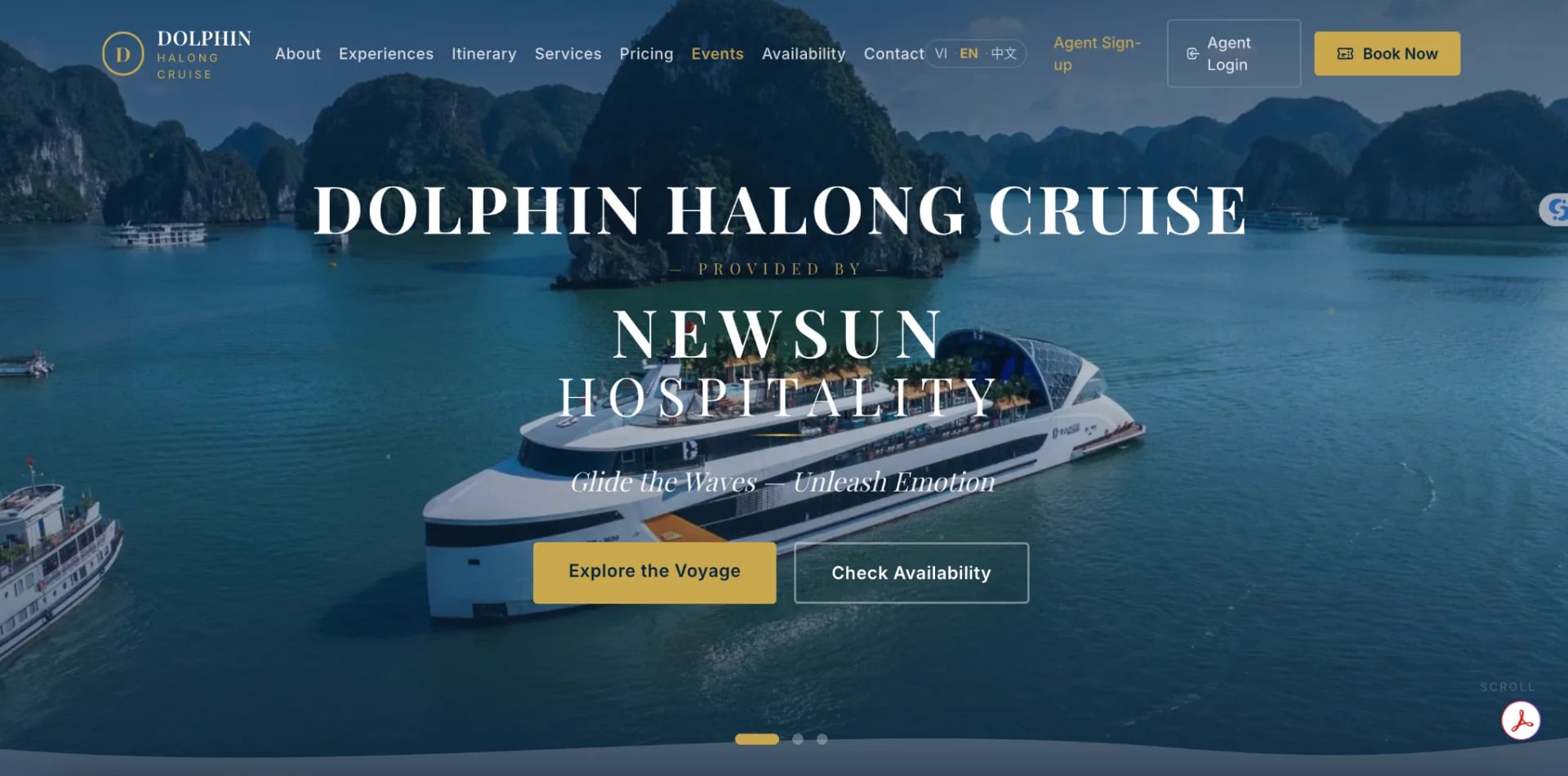
Leveraging its experience in consulting and implementing technology solutions for the tourism, hotel, and cruise industries, NewSun Hospitality has developed the 24/7 Service Booking Portal (B2B Booking Portal) Solution to help businesses digitise their booking processes for partners. The system is built on real-world operational needs, allowing agents to independently search for services, make bookings, track transactions, and manage information on a single platform. This is not just a technology solution but also a tool to help businesses enhance operational efficiency, expand their partner network, and build a solid foundation for digital transformation in the hospitality industry.
- Hotline: +84 768 68 2913
- Email: dosm@nshm.com.vn
- Zalo OA: https://zalo.me/2452770272256938463 (NewSun Hospitality)
- Website: https://nshm.com.vn/ (NewSun Hospitality)