


 VN
VN EN
ENFor many years, digital transformation in the hospitality industry primarily focused on moving the booking process online. However, with the rapid advancement of artificial intelligence (AI), Big Data, and automation technology, customer expectations have also shifted dramatically. Today, guests not only desire convenient online booking but also expect systems to automatically suggest suitable options, remember preferences, provide 24/7 support, and complete transactions in just a few steps.

According to Deloitte, the application of Generative AI is ushering in a new era for the travel and hospitality industry. In just a few years, the percentage of travellers using AI to plan their trips has increased many times faster than in the early stages of this technology's emergence. Deloitte believes that AI will not only assist with information retrieval but will also gradually transform the entire process of discovery, selection, and booking of services, delivering personalised experiences on an unprecedented scale. This means that automation will become one of the core competitive advantages for hotel businesses in the coming years.
Automation is transforming the entire booking journey
Previously, the booking process often involved multiple steps such as searching for hotels, comparing prices, reading reviews, contacting consultants, confirming reservations, and making payments. Today, most of these steps are being automated through AI and digital platforms. Customers simply input their preferences, such as budget, number of guests, length of stay, or purpose of travel, and the system can suggest the most suitable options based on historical data and user behaviour.

Euromonitor reports that approximately 66% of global travel service bookings are made online, while mobile bookings account for about 35% of total online sales. With the majority of transactions occurring digitally, the application of AI and automation in the booking process is no longer an option but a fundamental requirement to enhance customer experience and optimise operational efficiency. For hotel businesses, this offers benefits on both sides. Customers receive a faster, more personalised, and convenient experience, while businesses significantly reduce manual workload, minimise errors in booking processing, and improve conversion rates from visitors to actual guests.
AI is becoming a 24/7 "room sales agent"
One of the biggest changes brought by automation is the emergence of AI assistants capable of interacting like real consultants. Instead of merely answering fixed questions, today's AI can understand customer needs, recommend suitable room types, suggest additional services, answer queries, and help complete transactions without human intervention.
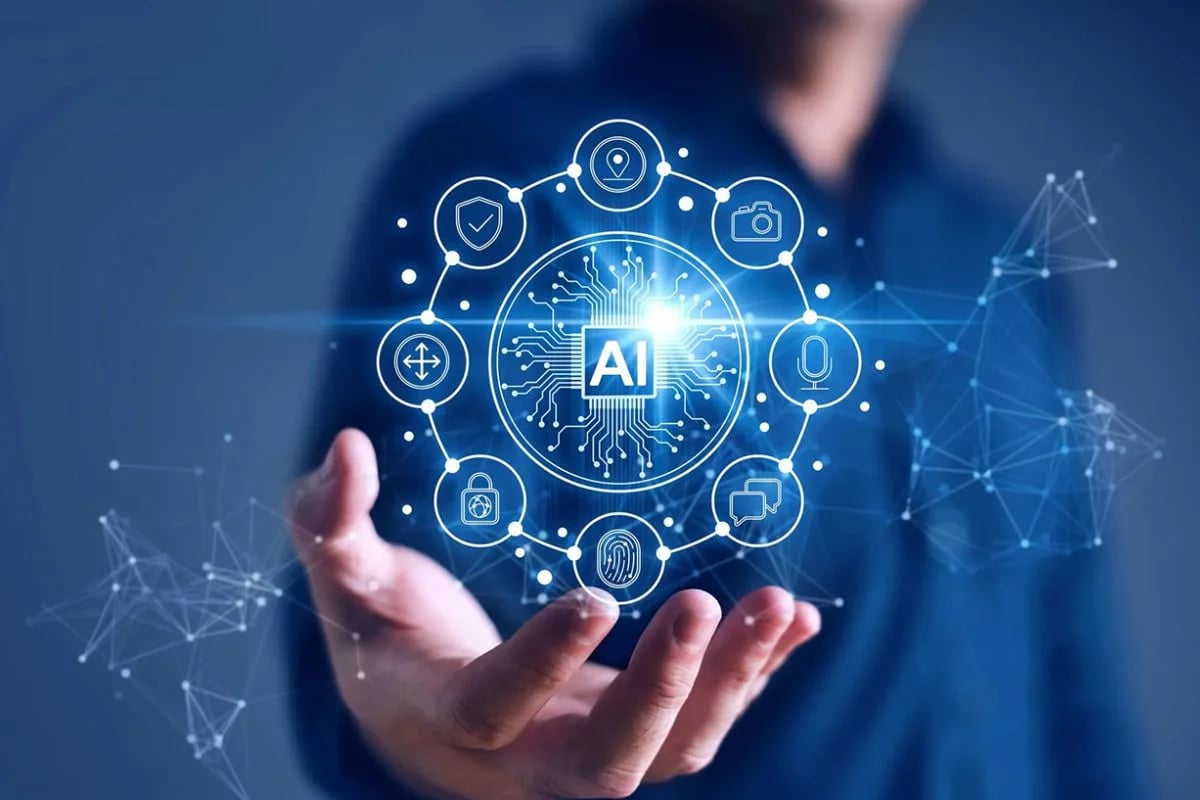
According to Statista, AI has become a top investment priority for the global travel and hospitality industry. Many businesses are implementing AI in customer service, revenue management, website optimisation, and booking systems to enhance operational efficiency and improve guest experience. Furthermore, surveys of international hotel chains indicate that AI is expected to be the most innovative area in hotel operations in the coming years. For hotels, AI chatbots not only reduce the burden on the reservations department but also ensure that all guest requests are answered instantly, even outside business hours. This is particularly crucial as customers increasingly expect immediate responses rather than waiting for email or call confirmations.
Automated personalisation will be a decisive factor in conversion rates
One of the greatest values of automation lies not in replacing humans, but in its ability to leverage data to provide tailored recommendations for each customer. The system can remember a guest's preferred room type, location, budget, payment method, or frequently used additional services, automatically suggesting them for future bookings. Deloitte believes AI is enabling real-time personalisation, allowing businesses to adjust prices, offers, and services based on each customer's context, behaviour, and needs. This is a significant step forward in improving conversion rates, increasing revenue from ancillary services, and building long-term customer loyalty. Furthermore, personalisation helps businesses reduce reliance on mass discounts. Instead of competing on lower prices, hotels can create higher value through relevant recommendations at the right time.
The future of booking is AI Agents, not manual processes
While chatbots represent the initial step in automation, AI Agents are considered the next stage of development. Unlike chatbots, which only respond to requests, AI Agents can proactively search for hotels, compare prices, assess quality, check room availability, select suitable offers, and complete bookings based on pre-established customer criteria.
According to Deloitte and Statista, AI Agents are considered the most significant advancement capable of transforming the online booking market since the advent of the internet. Travel businesses, OTAs, and major hotel chains are heavily investing in this technology to create smarter, more automated, and personalised booking experiences. Meanwhile, many international hotel brands are also developing platforms capable of direct AI integration to meet new market trends. This means businesses not only need an attractive website but also must prepare data infrastructure, booking systems, and a technology platform flexible enough to be compatible with future AI models.
What should hotel businesses prepare for?
The trend of automation in booking is not merely about investing in an additional chatbot or new software. It is a process of redesigning the entire customer journey to be seamless, personalised, and data-centric. The booking system needs to be integrated with CRM, PMS, Revenue Management, payment gateways, loyalty programmes, and marketing platforms to create a unified ecosystem.

Furthermore, businesses must focus on data quality, API integration capabilities, and customer behaviour analysis. As data becomes the "fuel" for AI, hotels with comprehensive, accurate, and continuously updated data systems will gain a distinct advantage in enhancing customer experience and optimising revenue.
Conclusion
Automation is ushering in a completely new phase of development for booking operations. Customers no longer just expect quick bookings; they desire an entire journey – from searching, consulting, and selecting to payment – that is smart, personalised, and virtually hands-off. In this context, AI, data, and automation will become the foundation for hospitality businesses to enhance competitiveness, optimise operating costs, and build superior customer experiences. As AI and automation profoundly transform customer booking behaviour, hospitality businesses need more than just a technology solution; they require a comprehensive transformation strategy. NewSun Hospitality partners with investors and operators in digital transformation consulting, building Sales & Marketing systems, optimising booking processes, applying AI to operations, and enhancing customer experience, helping businesses prepare for the smart hotel era.
- Hotline: +84 768 68 2913
- Email: dosm@nshm.com.vn
- Zalo OA: https://zalo.me/2452770272256938463 (NewSun Hospitality)
- Website: https://nshm.com.vn/ (NewSun Hospitality)
References:
- Deloitte. (2026). 2026 Travel Industry Outlook.
- Deloitte. (2025). 2025 Travel Industry Outlook.
- Euromonitor International. (2023). Revolutionising Travel: ChatGPT and Generative AI Usher in New Era of Automation.
- Euromonitor International. (2023). Use of AI Tools Such as ChatGPT to Plan Travel Set to Boom.
- Statista. (2026). Artificial Intelligence (AI) Use in Travel and Tourism: Statistics & Facts.
- Statista. (2026). Artificial Intelligence (AI) Use in Hospitality: Statistics & Facts.
- Statista. (2025). Use of Artificial Intelligence in Hotels' Internet Booking Engines and Websites Worldwide.