

 VN
VN EN
ENWhile 2023 was the year Generative AI exploded with the popularity of ChatGPT, from 2025 onwards, the market has seen a new development: businesses are no longer just using generic AI models but are starting to build their own AI trained on their specific data. In the hotel industry, this trend is being called by many experts a new concept: Hotel GPT.

Instead of asking questions to a chatbot with general world knowledge, Hotel GPT is built as an "internal AI assistant," understanding all hotel-related information, from room systems, operational procedures, service standards, and business policies to customer profiles, revenue data, and operational history. In other words, if ChatGPT is like an expert with broad knowledge but no understanding of your business, Hotel GPT is a seasoned employee who has worked at the hotel for many years, always ready to support all departments in just a few seconds. This trend is not accidental. According to Deloitte, Generative AI is becoming one of the technologies with the greatest potential to create value for the service industry due to its natural language processing capabilities, data analysis, and decision-making support. For the hotel industry, AI is no longer limited to automating simple tasks but is gradually becoming a platform to support operations, enhance customer experience, and drive revenue growth. This creates the premise for the emergence of AI models "tailored" for each business.
What is Hotel GPT?
Hotel GPT can be understood as an AI assistant built specifically for individual hotels or hotel chains. Unlike public chatbots, Hotel GPT is connected to a business's internal data, allowing the AI to accurately answer questions related to business operations rather than just providing general knowledge. Hotel GPT's data sources can include Property Management Systems (PMS), Customer Relationship Management (CRM) systems, Revenue Management Systems (RMS), Standard Operating Procedures (SOPs), internal training materials, incident handling procedures, product and service information, restaurant menus, loyalty program data, and many other data sources. When these data sources are integrated and continuously updated, Hotel GPT becomes a "digital knowledge base" capable of searching, analysing, and responding almost instantly. A key difference is that Hotel GPT not only "knows" but also "understands" how the hotel operates. This helps the AI provide answers that align with each business's policies, procedures, and business objectives, rather than generic responses.
How do ChatGPT and Hotel GPT differ?
This is a question many hotel managers ask when they start learning about AI. In reality, Hotel GPT is not an entirely new AI model, but rather how businesses leverage the power of large language models combined with their own proprietary data. ChatGPT is trained on a massive amount of data from various fields, so it can assist with content writing, translation, analysis, or answering general questions. However, ChatGPT doesn't know how many room types your hotel has, what the VIP guest handling procedure is, or how the cancellation policy is applied. Without specific data, the AI cannot provide accurate answers.
Hotel GPT, on the other hand, is built to address precisely this gap. The AI can access the business's knowledge base, understand the hotel's operational context, and answer very specific questions such as: "What are the steps in the Out of Order room procedure?", "What benefits do Platinum guests receive?", "What is the booking trend for the Korean market next week?" or "What training content do new employees need to complete in their first week?". This ability to be closely tied to internal data makes Hotel GPT a practical daily work tool rather than just a typical Q&A chatbot.
Why is Hotel GPT considered an inevitable trend in the hotel industry?
The hotel industry generates a massive amount of data every day. From booking data, revenue, customer reviews, stay history, operational reports, training materials, to thousands of emails and customer service messages, all are valuable sources of information but are often scattered across various systems. According to Statista, global data volume continues to grow strongly year after year, and businesses are increasingly viewing data as a strategic asset in their digital transformation. However, data only truly creates value when businesses can exploit it and convert it into business decisions.
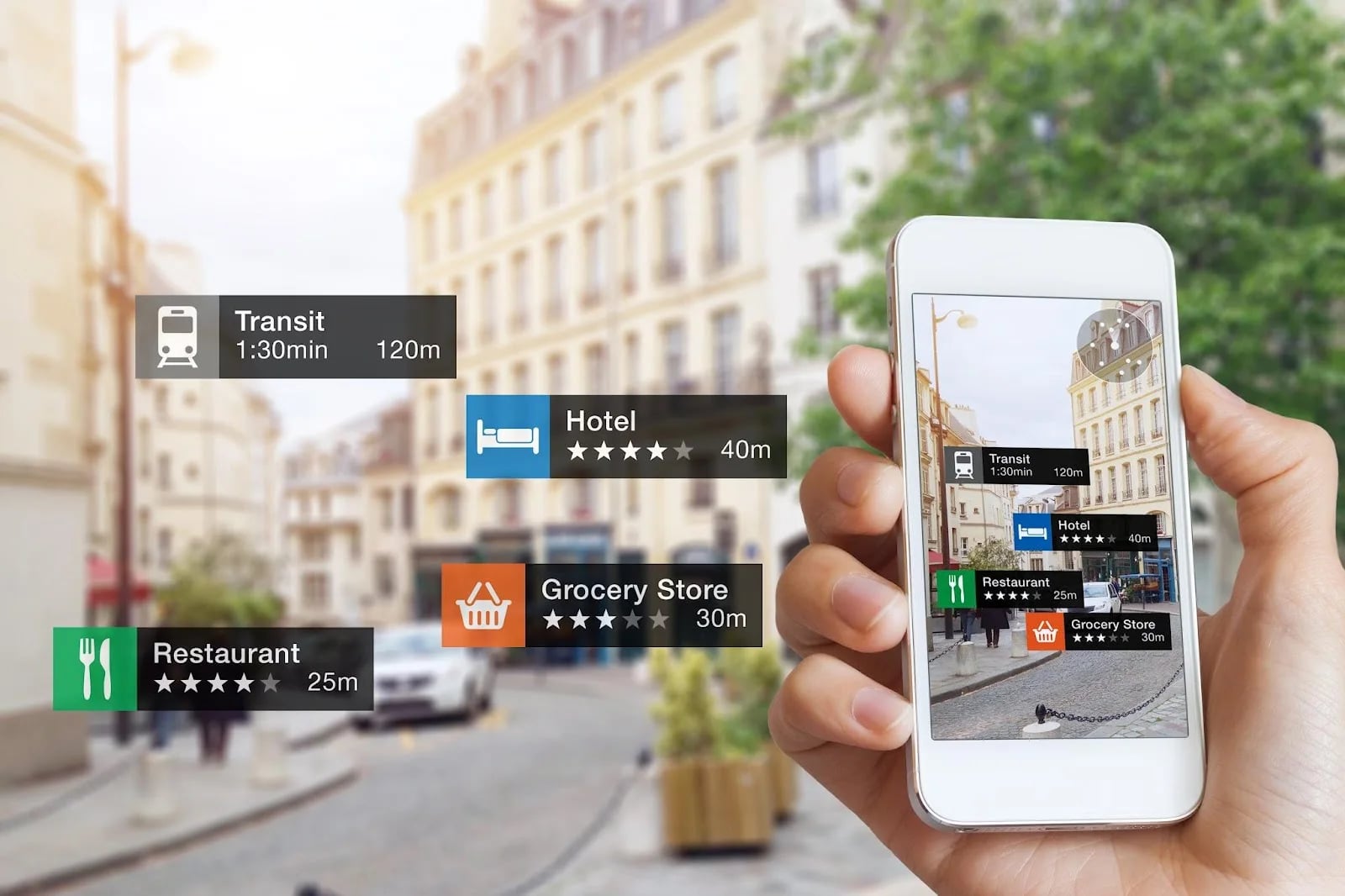
Hotel GPT is the bridge between data and people. Instead of spending a lot of time searching for documents or compiling reports, employees simply ask questions in natural language to receive immediate answers. This helps shorten work processing time, reduce operational errors, and accelerate decision-making. Moreover, in an industry facing labour shortages and increasing demands for personalised customer experiences, having a dedicated AI assistant will become a significant competitive advantage. Instead of increasing staff for repetitive tasks, businesses can leverage AI to free up resources, thereby focusing more on improving service quality and developing value-added activities.
Which hotel departments can Hotel GPT support?
Unlike many technologies that serve only one specific department, Hotel GPT can create value for almost the entire hotel operational system. For the front office, Hotel GPT can assist with looking up customer information, quickly answering questions about stay policies, guiding procedures for handling unforeseen situations, and suggesting suitable services to increase cross-selling revenue. Instead of spending a lot of time searching for documents or asking managers, staff can get answers directly through the chat interface.
For the sales and marketing department, Hotel GPT can analyse market trends, compile customer data, propose communication campaign ideas, assist in developing multi-channel content, and analyse marketing performance based on real data. This helps the marketing team shift from manual tasks to focusing more on brand development strategy. In the HR and training department, Hotel GPT can act as an "AI instructor," guiding new employees through operational procedures, answering questions related to service standards, assisting with knowledge checks, and shortening training time. For hotel chains with multiple properties, this is a solution to standardise knowledge and ensure consistent training quality across the entire system. In revenue management, Hotel GPT can also aggregate data from multiple sources, analyse market fluctuations, assist with demand forecasting, and provide information to help managers make faster decisions. While AI cannot completely replace revenue management experts, its ability to process data at high speed will significantly enhance work efficiency.
What value does Hotel GPT bring to hotels?
The biggest difference between Hotel GPT and conventional AI tools lies in its ability to become an enterprise's "knowledge brain". While hotel data was previously scattered across various systems such as PMS, CRM, RMS, accounting software, SOP documents, or internal folders, Hotel GPT acts as an intelligent connecting layer, leveraging all this data through natural language. Instead of searching through hundreds of documents or waiting for departments to compile reports, managers can simply ask a question and receive an answer almost instantly. The first benefit Hotel GPT offers is enhanced operational efficiency. According to the State of AI in Hospitality 2025 report by h2c GmbH, hotel businesses are shifting their focus from AI experimentation to deploying solutions that can improve labour productivity, optimise processes, and reduce staffing pressure. This reflects a general industry trend where AI is no longer seen as a showcase technology but has become a practical operational support tool. When all processes are digitised and connected to Hotel GPT, employees no longer spend significant time looking up information, searching for forms, or asking managers about familiar procedures. For example, a new front desk employee can ask the AI about the process for early check-ins, room upgrade policies, or how to handle a specific complaint. Within seconds, Hotel GPT will provide an answer based on the hotel's internal regulations, rather than a theoretical response like conventional chatbots.
The next value is standardised service quality. In many hotels, especially chains with multiple properties, differences in staff experience can lead to the same situation being handled in various ways. This directly impacts customer experience and brand consistency. Hotel GPT helps mitigate this by providing a single, standardised source of information for all employees. Whether staff are working in Hanoi, Da Nang, or Ho Chi Minh City, they all access the same processes and service standards established by the business. Another value that many hotel groups are interested in is reduced staff training time. The hotel industry typically has a high staff turnover rate, meaning businesses must constantly recruit and train new employees. Instead of department heads spending significant time instructing on basic knowledge, Hotel GPT can act as a "digital instructor", answering frequently asked questions, guiding operational procedures, and testing employee knowledge. This significantly reduces initial training time, while allowing managers to focus more on practical skill coaching and professional development. Beyond operational factors, Hotel GPT also opens up opportunities for personalising customer experiences at scale. This has been a prominent trend in the tourism and hospitality industry for several years. According to Deloitte, customers increasingly expect businesses to understand their preferences, behaviours, and needs to deliver tailored experiences rather than applying the same process to everyone. When connected to a CRM system, Hotel GPT can remember stay history, service usage habits, room type preferences, dietary requirements, or special requests for each customer. As a result, the AI can proactively suggest suitable services, help staff provide better customer care, and contribute to increased guest satisfaction and return rates.
Are hotel groups currently using Hotel GPT?
Although the term "Hotel GPT" is still relatively new, many international hotel groups have already begun deploying AI assistants developed on their own proprietary data platforms. A prime example is Marriott International, which continuously expands its AI applications to personalise guest experiences and optimise pre-stay, in-stay, and post-stay customer care. Concurrently, numerous technology companies such as Oracle Hospitality, Mews, Cloudbeds, Shiji Group , and Canary Technologies have also integrated Generative AI into their hotel management systems to support customer responses, data analysis, automate operational processes, and enhance management efficiency.

Notably, the current trend is no longer limited to adding chatbots to websites. Instead, businesses are building AI platforms capable of connecting with the entire hotel technology ecosystem. AI not only answers questions but can also access data, support decision-making, and perform various tasks on behalf of humans within authorised limits. According to Deloitte, Generative AI will create the greatest value when integrated directly into business workflows rather than operating as a standalone tool. This is precisely the future development direction for Hotel GPT, where AI becomes part of the operational system instead of just a separate support application.
Conclusion
The emergence of Hotel GPT marks a significant shift in the hospitality industry's application of AI. While early stages primarily saw businesses using AI to support individual tasks like chatbots or content creation, the current trend is to build an AI assistant trained on the business's own data, capable of supporting all departments throughout operations. In an era where data is increasingly a strategic asset, Hotel GPT not only helps hotels work faster but also enables businesses to more effectively leverage the knowledge within their organisation. This will be a key factor in creating a competitive advantage for hotels during digital transformation, while also ushering in a smart, flexible, and data-centric operating model. NewSun Hospitality is ready to partner with you in strategic consulting, data standardisation, and developing AI models tailored to each business's specific needs, ensuring a systematic and sustainable digital transformation.
- Hotline: +84 768 68 2913
- Email: dosm@nshm.com.vn
- Zalo OA: https://zalo.me/2452770272256938463 (NewSun Hospitality)
- Website: https://nshm.com.vn/ (NewSun Hospitality)
References
- Deloitte. (2024). Embracing the future: AI's transformative role in hospitality. Deloitte Insights.
- h2c GmbH. (2025). State of AI in Hospitality 2025.
- Oracle Hospitality. (2024). Hospitality in 2025: Automated, intelligent and more personal.
- Statista Research Department. (2025). Artificial intelligence (AI) use in hospitality: Statistics & Facts. Statista.
- McKinsey & Company. (2023). The economic potential of generative AI: The next productivity frontier.