


 VN
VN EN
ENThe hospitality industry is highly susceptible to market fluctuations. Changes in travel demand, consumer trends, operational cost pressures, labour shortages, and intensifying competition can all directly impact the business performance of accommodation providers. According to various market reports from Savills and other international research firms, the hotel industry is entering a period of recovery and positive growth. However, alongside these opportunities come new operational management challenges, particularly regarding human resources. Many hotels face rapidly increasing guest demand while the supply of quality labour struggles to keep pace, leading to significant pressure in maintaining service quality and optimising costs.

In this context, an organisation's adaptability becomes a crucial competitive advantage. Hotels capable of flexible resource allocation, effective inter-departmental coordination, and rapid response to market fluctuations typically maintain better operational performance than their competitors. So, what is the solution for hotels to build a flexible team while ensuring service quality? The answer lies in cross-training – a human resource management method increasingly adopted by international hotel brands to enhance adaptability and optimise operational efficiency.
What is Cross-training?
Cross-training is a training method that enables employees to perform tasks across multiple positions or departments within a hotel, rather than being proficient in only one function.

For example, a front desk employee might receive additional training in reservations and online customer service. Restaurant staff could assist the banquet department during busy events. Housekeeping staff could understand and perform some basic procedures related to customer care or room inspection before handover. The goal of cross-training is not to turn every employee into a "jack of all trades," but to create a flexible workforce that can support each other when the business faces unusual situations.
Labour shortage is becoming a major pressure for the hotel industry
In recent years, staff shortages are no longer an issue exclusive to Vietnam but have become a global challenge for the hotel industry. According to the American Hotel & Lodging Association (AHLA), 65% of surveyed hotels reported still experiencing staff shortages despite the market's post-pandemic recovery. Notably, recruiting and retaining employees continues to be one of the biggest pressures for hotel operators. In Europe, the Accommodation Barometer 2025 survey published by Statista shows that hotels are facing significant difficulties in recruiting management, operational, and service personnel. Skill shortages are considered one of the biggest barriers to industry growth.
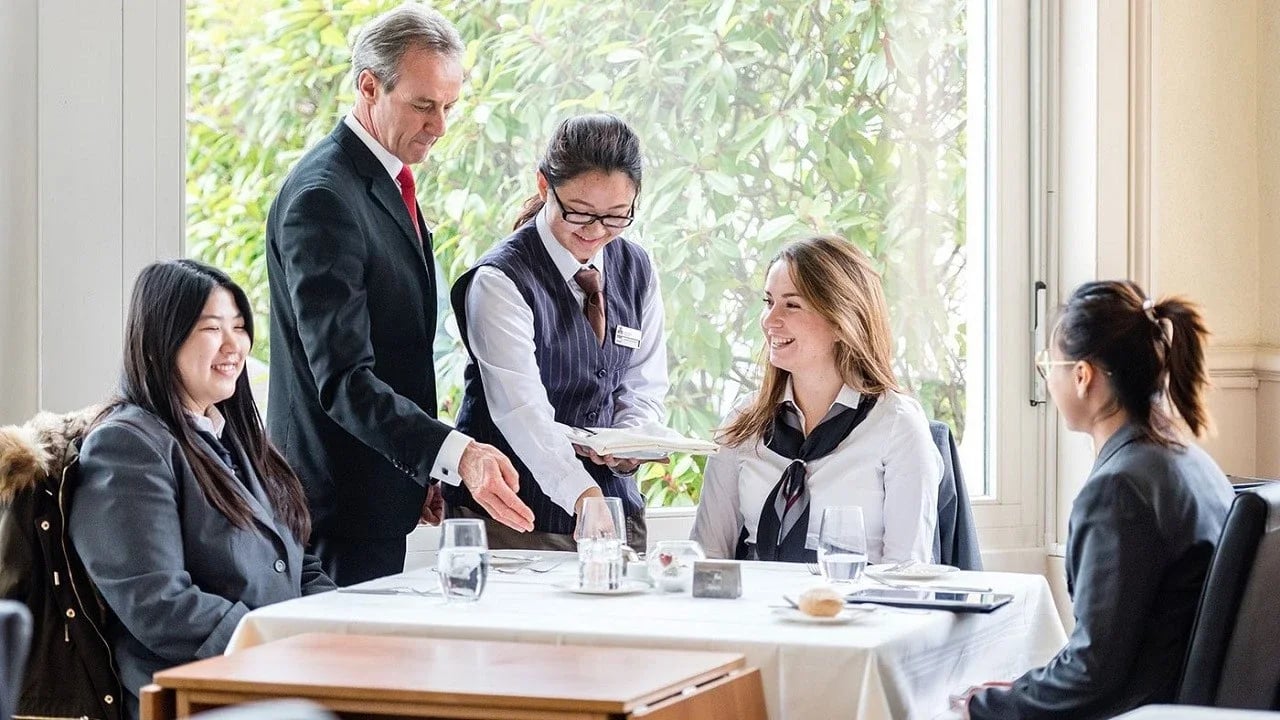
In Vietnam, this challenge is even more pronounced. According to the Vietnam Institute of Tourism Training (VITEA), the tourism industry needs approximately 40,000 new workers annually, but the current supply only meets about 20,000. Notably, only about 43% of the current workforce has received formal professional training. In a context of increasingly scarce human resources, focusing solely on new recruitment is no longer a sustainable solution. Hotels need to find ways to utilise existing resources more effectively, and cross-training is one of the most important tools.
Why has Cross-training become the "golden key" during a crisis?
Increased adaptability during staff fluctuations
Crises often lead to workforce reductions or unexpected resignations. If each employee only knows a single job, the hotel can easily experience operational disruptions. Conversely, when employees are multi-skilled, the business can quickly reallocate resources between departments without significantly impacting the customer experience. This is a particularly important advantage for small and medium-sized hotels, where human resources are often not abundant.
Reduced operating costs
Personnel costs are always among the largest expenses for hotels. Through cross-training, hotels can optimise work schedules, reduce the need for seasonal recruitment, and limit situations where one department is overstaffed while another is understaffed. During periods of significant seasonal fluctuations in occupancy, this model helps businesses maintain operational efficiency without substantially increasing labour costs.
Improved customer experience
An employee who understands the operational processes of multiple departments will have a more comprehensive view of the customer journey. For example, a front desk employee who understands how the housekeeping department operates will proactively coordinate to shorten check-in times. Restaurant staff who understand guest care procedures will be able to make more appropriate recommendations. Effective inter-departmental coordination helps reduce operational errors and enhance overall service quality.
Increased employee engagement
One of the reasons hotel staff left the industry after the pandemic was a feeling of monotonous work and a lack of development opportunities. Cross-training provides opportunities for employees to learn new skills, gain a better understanding of overall hotel operations, and expand future career advancement opportunities. This contributes to increased engagement and reduced turnover, one of the most challenging issues in the hospitality industry today.
Considerations when implementing Cross-training
While offering many benefits in enhancing team flexibility, Cross-training should not be simply understood as training every employee to perform all tasks in a hotel. If implemented without clear direction, a cross-training programme can lead to employee overload, reduced work efficiency, or a decline in specialised quality in core positions.

To achieve true effectiveness, hotels need to start by clearly identifying departments and positions that can support each other in operations. For instance, front desk and reservations, restaurant and banquet, or customer service and sales are job groups with significant overlap and are easier to cross-train. Based on this, businesses need to develop a training roadmap suitable for each staff group, ensuring learners are equipped with sufficient knowledge and skills to support tasks when needed without affecting their primary duties. In addition to training activities, the human resource management system also needs to be adjusted accordingly. Performance evaluation criteria should not only focus on the results of individual positions but also recognise inter-departmental collaboration, willingness to support tasks, and contributions in unforeseen situations. This motivates employees to learn new skills and actively participate in the company's cross-training programmes.
Conclusion
In an increasingly volatile market, a hotel's competitive advantage stems not only from its facilities or prime location but also from its operational flexibility. Cross-training helps businesses build a multi-skilled workforce, increasing adaptability during crises, optimising operating costs, and enhancing customer experience. This is not merely a training programme but a modern human resource management strategy, suited to the new landscape of the hospitality industry. At NewSun Hospitality, we not only advise on operational strategy but also partner with investors and hotel management to build HR management systems, competency frameworks for positions, and practical training programmes tailored to each business model. If your hotel is facing challenges with staff shortages, optimising operating costs, or improving team efficiency, contact NewSun Hospitality for the most suitable solutions.
- Hotline: +84 768 68 2913
- Email: dosm@nshm.com.vn
- Zalo OA: https://zalo.me/2452770272256938463 (NewSun Hospitality)
- Website: https://nshm.com.vn/ (NewSun Hospitality)
References:
- American Hotel & Lodging Association. (2025). Staffing shortages continue across U.S. hotels. Retrieved from AHLA workforce survey data.
- Savills Vietnam. (2025). Vietnam Real Estate Market Report Q2/2025: Hospitality Market Overview. Retrieved from Savills Research.
- Savills Vietnam. (2020). HCMC Hotel Market Report Q1/2020. Retrieved from Savills Research.
- Statista. (2025). European Accommodation Barometer 2025: Hiring challenges and skill shortages in hospitality. Retrieved from Statista Research.
- Vietnam Tourism Education Association (VITEA). (2025). Vietnam tourism workforce development and training challenges. Reported by VietnamNet and VOV.
- RMIT Vietnam. (2025). Tourism and hospitality boom puts spotlight on skills shortage. Retrieved from RMIT Vietnam News.