


 VN
VN EN
ENIn the previous instalment, we explored the "gap" in the Mai Chau - Hoa Binh resort market and the challenging dilemma faced by the Noong Luong Retreat investor: owning a vast 118-hectare land bank, yet risking "scattered investment" and falling into a price-driven competition spiral with mass-market accommodation models. As the consulting and operations management partner from the very beginning, NewSun Hospitality understands that a beautiful plot of land alone is not enough to create a successful project. To transform the investor's vision into a sustainable profit-generating machine, a precise "implementation roadmap" is essential. In this second article, let's delve into the practical market research process and the strategic solutions NewSun Hospitality applied to comprehensively address the challenges for Noong Luong Retreat.
Beyond the Numbers: Market Research from a "Practical & Operational" Perspective
For NewSun Hospitality, market research is always the first step before making any decisions regarding product positioning, investment scale, or operating model. A successful resort project is not built on inspiration or attractive ideas on paper, but must start with a clear understanding of market needs, what customers truly desire, and the gaps the project can exploit. The data collected from the market forms the basis for answering the most important questions: which customer segment to serve, which products are competitive, what investment level is reasonable, and which business model can achieve long-term sustainable growth. However, market research in the hospitality industry goes beyond reading reports or analysing tourism growth indicators. NewSun is more interested in "real-world" factors and the project's practical operational viability: what criteria customers use to choose a destination, what competitors are doing well, what unmet needs exist, and whether the market opportunity is large enough to translate into revenue. This approach ensures that all subsequent decisions, from brand positioning and product design to operating model development, are based on data and feasibility, rather than intuition or subjective expectations.
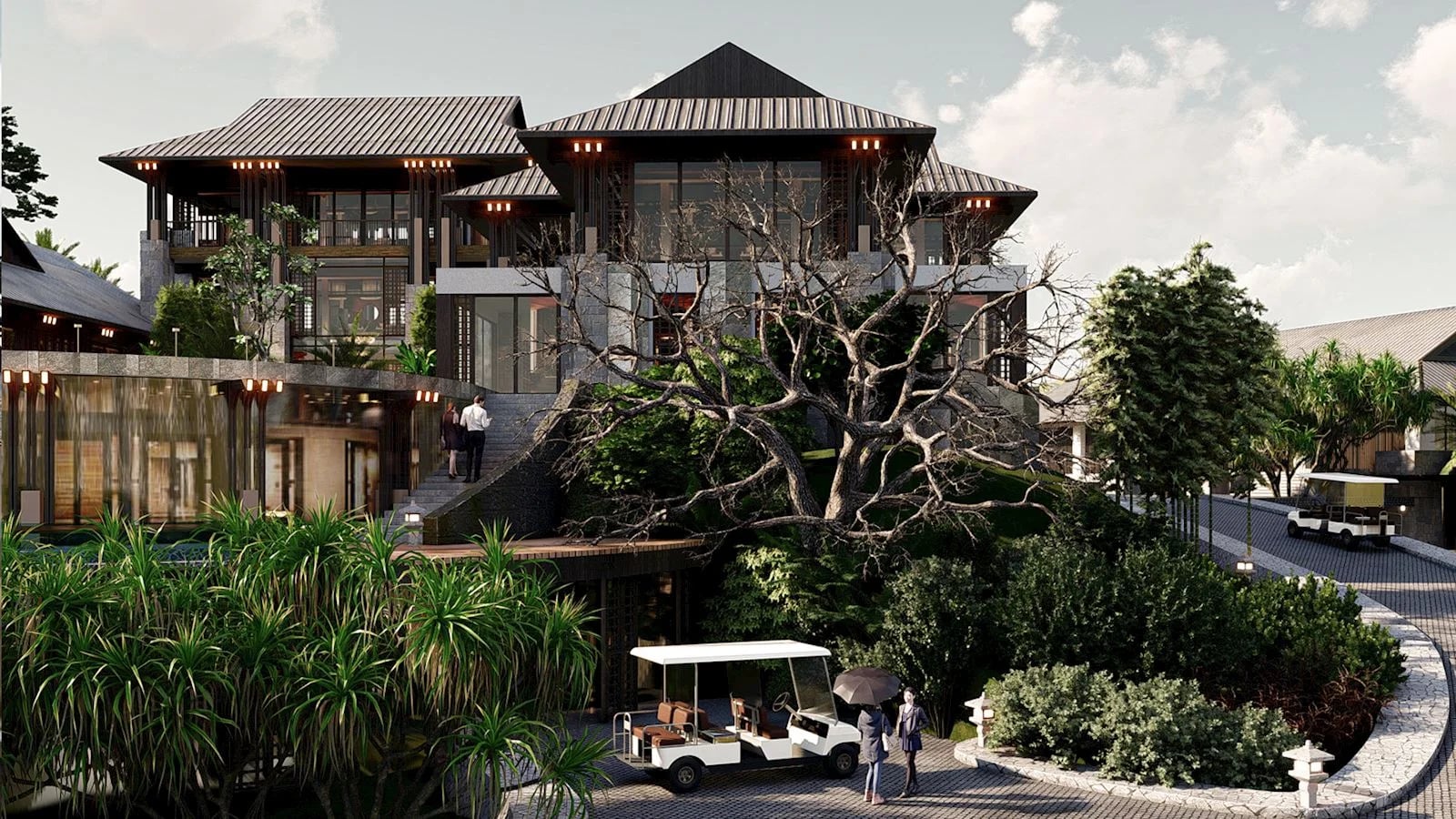
Market Research from a Practical Perspective
The difference in NewSun Hospitality's approach lies in conducting market research not just through desk-based secondary reports, but by combining market data, field surveys, and practical operational insights. We simultaneously analyse multiple layers of information: tourism and hospitality trends, existing supply structure, target customer profiles, spending behaviour, competitor products, local resource advantages, and the commercial viability of each component. More importantly, every piece of data collected is framed by the ultimate question: can this translate into a better customer experience and higher business efficiency? Therefore, NewSun's research results do not merely describe the current market, but aim to define what the project should become in the future. From this data and analysis, we develop development scenarios, assess the feasibility of each option, and select the most suitable direction based on the investor's capacity, operational conditions, and long-term goals. This also forms the foundation for informed decisions regarding product positioning, functional planning, and revenue models in subsequent stages, minimising investment risks.
Categorising Competitors Instead of Just "Counting" Them
A survey by Savills Hotels once indicated that over 60% of hospitality projects face operational difficulties due to incorrect competitor and segment positioning from the outset. At Noong Luong, the NewSun team conducted in-depth research for several weeks, not only through field surveys but also by systematically "categorising" competitors:
- Direct local competitors.
- Regional nature retreat models.
- National retreat/wellness models for reference.
By analysing OTA (Online Travel Agent) data, evaluating customer reviews, and observing how competitors structure their pricing, NewSun uncovered a valuable insight: The market has no shortage of accommodation, but there is a significant demand for products designed as experiential journeys. Many places boast excellent scenery but fail to create compelling reasons for guests to extend their Length of Stay or accept a higher Average Daily Rate (ADR).
Identifying Risks from Inception
Based on our research combined with in-depth interviews regarding the Investor's capabilities, we identified the four biggest risks Noong Luong must avoid:
- Scale Risk: Over-investing beyond the actual needs of Phase 1, leading to enormous Fixed Costs.
- Positioning Risk: The "greedy" concept trap – wanting to be a homestay, a luxury resort, and a farmstay all at once, resulting in a diluted product lacking identity.
- Reverse Operational Design Risk: Architectural functions not serving operations (e.g., oversized restaurant, incorrectly designed kitchen workflow, cross-traffic between guest and staff flows).
- Commercial Risk: Selling individual rooms instead of experiences, missing opportunities to optimise revenue (RevPAR).
Customer Profile and Redefining "Wellness"
If we adhere to the traditional definition, "Wellness" must be accompanied by massive spas or expensive medical treatments. However, data from the Wellness Tourism report by the Global Wellness Institute shows that the new generation of travellers, especially post-pandemic, tend to seek healing from the most authentic elements.
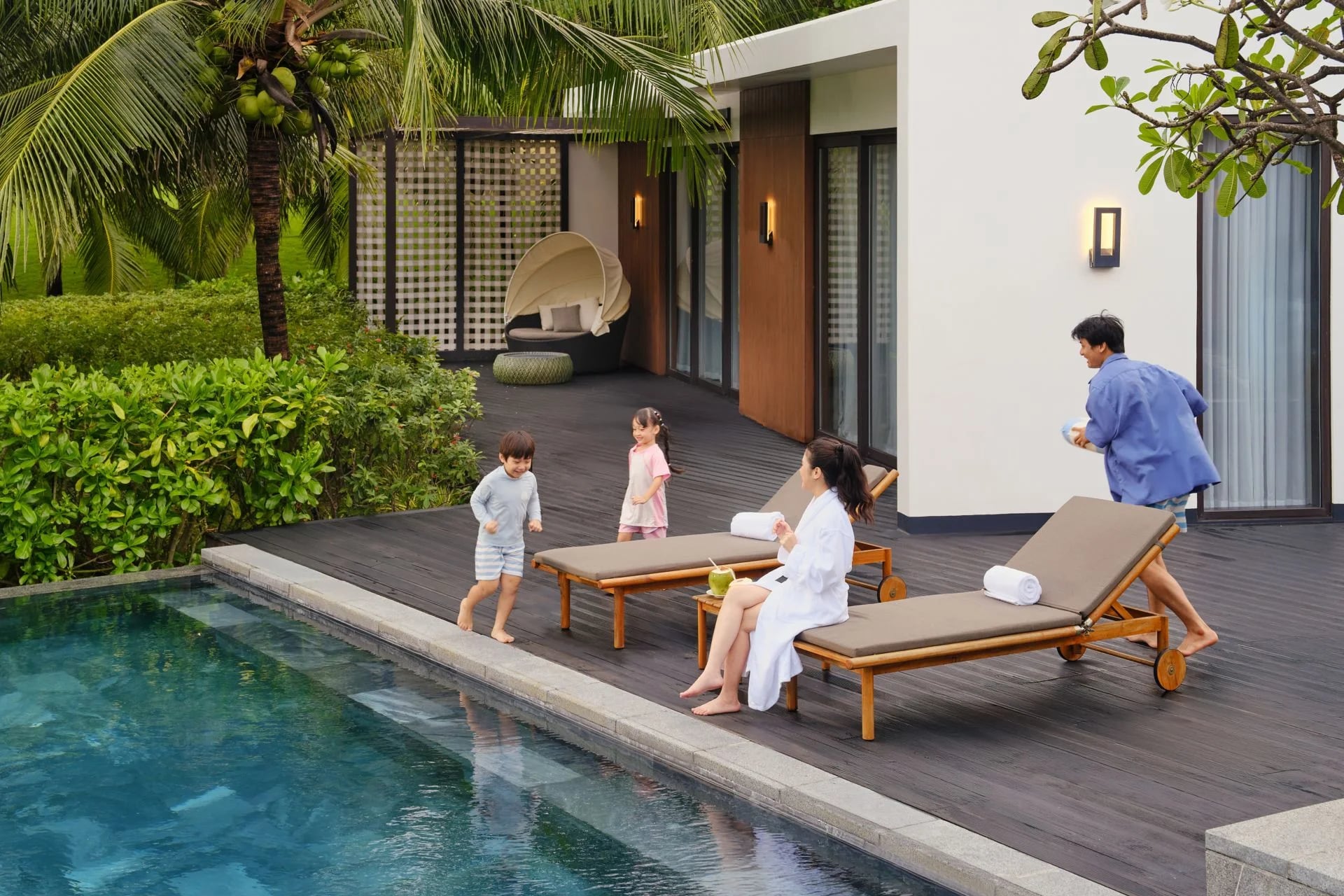
Based on this, NewSun redefined the concept of Wellness for Noong Luong: "Healing by living." Wellness here is not about luxurious amenities, but about eating clean, sleeping soundly, breathing fresh air, walking in nature, gardening, and connecting with local culture. NewSun also clearly segmented the target customer base into three key groups, ensuring they are "Right - Sufficient - Deep":
- Mid-to-high-end domestic guests (primarily from Hanoi & Northern Vietnam): Intellectual families, groups of friends, and couples seeking depth in their weekend getaways.
- Expats and international guests: Those who appreciate "Slow Travel," authentic culture, and nature, avoiding the hustle and bustle of industrial resorts.
- Retreat/Niche Market: Yoga groups, creative workshops, small businesses requiring a secluded space.
They come to Noong Luong not to "buy a night's sleep," but to buy a state of being: tranquility, a sense of gentle care, and a memorable story.
3 Strategic Decisions Shaping Noong Luong Retreat

From these sharp analyses, NewSun Hospitality and the Investor finalised 3 strategic decisions, serving as the "guiding principles" for the entire project:
- Decision 1: Opt for a lean, boutique retreat model. Instead of developing the entire 118 hectares, Phase 1 focuses on just 31 rooms. This lean approach allows for personalised service at every touchpoint, ensures absolute privacy for guests, and reduces cash flow risk for the Investor. Not positioned as a homestay or a mass-market resort, Noong Luong embodies a boutique retreat with cultural depth.
- Decision 2: "Package Selling" strategy instead of selling rooms. NewSun designed Noong Luong's product as a complete journey (2 days 1 night, 3 days 2 nights). The core value lies in the seamless integration of Accommodation + F&B (with a single, central restaurant strong in local identity to optimise operational costs) + Agricultural and cultural activities. Package selling not only increases average spend per guest but also allows the operational team to control 100% of the experience quality.
- Decision 3: Strict investment discipline in Phase 1. NewSun's principle is: Prioritise only items that directly create core experiences and real revenue. Resolutely cut or postpone "visually appealing but high-operating-cost" amenities to later phases. All functional design drawings are scrutinised by NewSun's setup experts through the lens of optimising staff efficiency.
Research that is not fanciful, solutions that are not just on paper. By repositioning the product model, maintaining investment discipline, and designing a "healing" experience journey, NewSun Hospitality successfully helped the Noong Luong Retreat investor alleviate the pressure of land fund and initial operating cost challenges. An excellent strategy has been developed, but when entering the actual operational phase, will everything run as smoothly as expected? What long-term values have been established, and what will become of Noong Luong (as well as other projects NewSun has partnered with) without a professional setup "conductor"? We invite readers to continue reading Part 3: From Strategy on Paper to an Operable Model in NewSun Hospitality's Case Study series!