


 VN
VN EN
ENHaving concluded our journey to conquer a world natural heritage site with the ultra-luxury Dolphin Halong Cruise project in the previous series, NewSun Hospitality now takes readers back to the highlands of the Northwest. As the accommodation industry undergoes a strong transformation, the challenge for investors is no longer simply "building a beautiful resort," but "how to survive, be profitable, and operate sustainably." To continue the “Behind The Project”series, we are officially launching our second Case Study: The Noong Luong Retreat Eco-Resort Project (Mai Chau, Hoa Binh). In this introductory article, join NewSun's experts as we dissect the market landscape, delve into the gaps in Hoa Binh's resort real estate, and understand the "pain points" of the investor before the first brick was laid.
1. Hoa Binh's Resort Market: Vast Potential, Lacking Depth
Located just a 2-hour drive from central Hanoi, Hoa Binh province in general, and Mai Chau in particular, have long been positioned as the "capital" of suburban leisure tourism. However, from the perspective of professional hospitality investment, this market presents a significant paradox: While visitor numbers are steadily increasing, per capita spending and length of stay are not commensurate.
The boom in Wellness & Retreat trends
According to a report from the Global Wellness Institute (GWI), Wellness Tourism is growing at a rate of 15-21% per year, double that of conventional tourism. In Vietnam, research by Savills Hotels and Kantar also indicates a clear shift in the preferences of mid-to-high-end customers post-pandemic: they are no longer interested in bustling destinations. Instead, the demand for "Retreat" spaces – places that connect with nature, offer healthy eating, and promote physical, mental, and spiritual well-being – is driving the market.
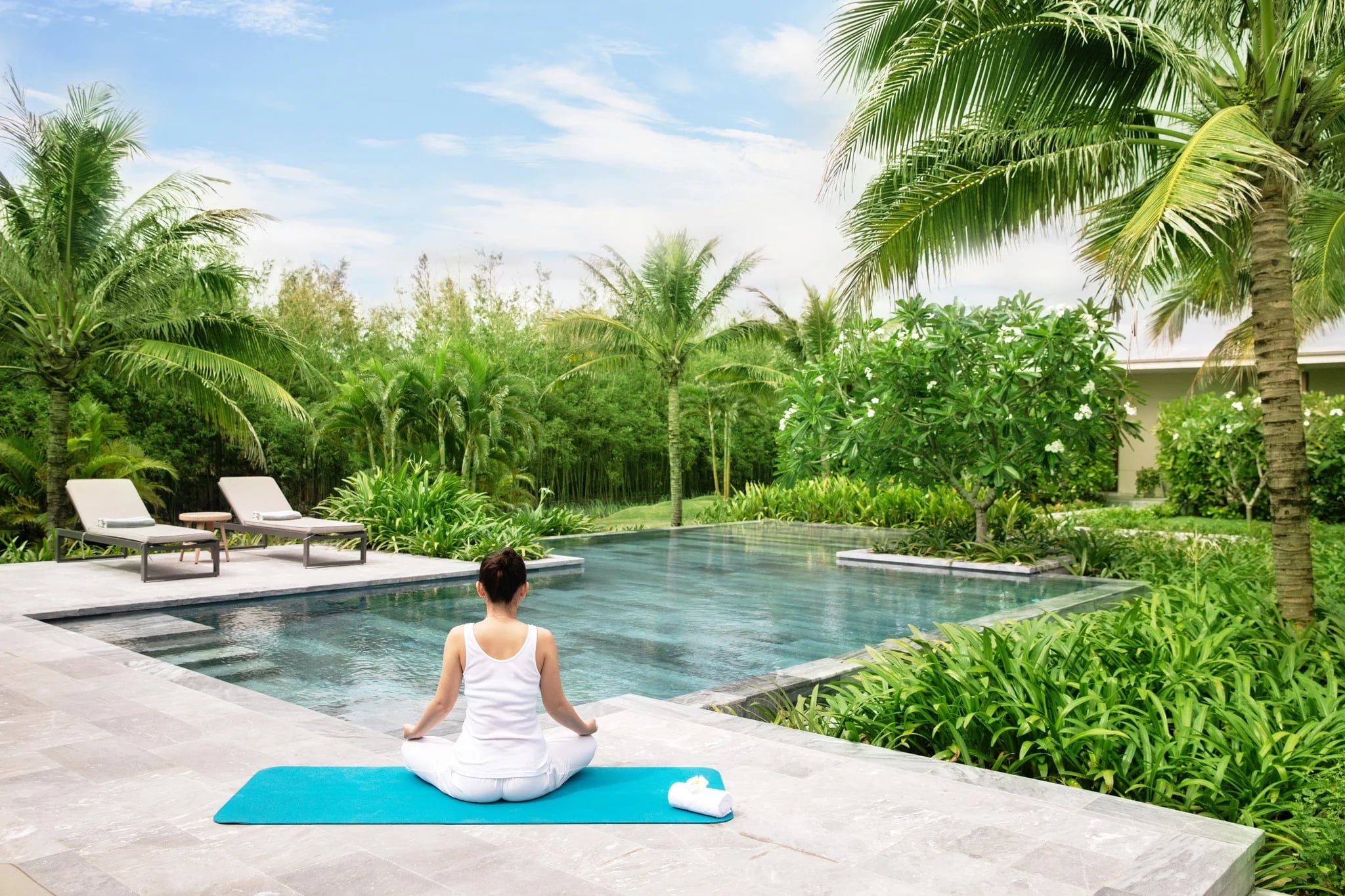
In Mai Chau - Hoa Binh today, the advantages of landscape, local culture, and geographical location are undeniable. However, when the NewSun Hospitality team conducted a survey and project evaluation, we found that the market is fragmented and has three major gaps:
- Firstly, "Stuck" in the mass market segment: The current accommodation supply has too many layers, from small homestays, community guesthouses, and farmstays to some ecolodges and nature resorts. The common thread is that most focus on basic "accommodation + scenery + local cuisine." The market severely lacks a true Boutique Retreat model – one that doesn't require ostentatious luxury but demands sophistication, cultural depth, and targets a higher-paying clientele.
- Secondly, Gaps in the business model (Lack of package-selling mindset): Many accommodation establishments in Hoa Binh operate by "selling individual rooms" and then upselling various minor services. The result is low revenue per available room (RevPAR). The market is missing comprehensive Package products: Accommodation + F&B (food & beverage) + Outdoor activities (agriculture/culture) + Light wellness.
- Thirdly, Disconnect between Concept and Operations: Many projects have magnificent architectural blueprints, but once operational, they face difficulties due to impractical functionality and excessively high operating costs because they were not carefully planned during the setup phase.
If done incorrectly, Noong Luong Retreat could easily fall into the category of ordinary nature accommodation and enter a "red ocean" where establishments compete fiercely on room rates.
2. The Investor's Challenge: A 118-hectare land bank and a "Thirst" for an implementation roadmap
The investor of Noong Luong Retreat is a group of private investors with strong financial capabilities, a long-term vision, and a massive land bank of up to 118 hectares. However, this is not an international hotel operating group with an existing standard system or commercial apparatus.
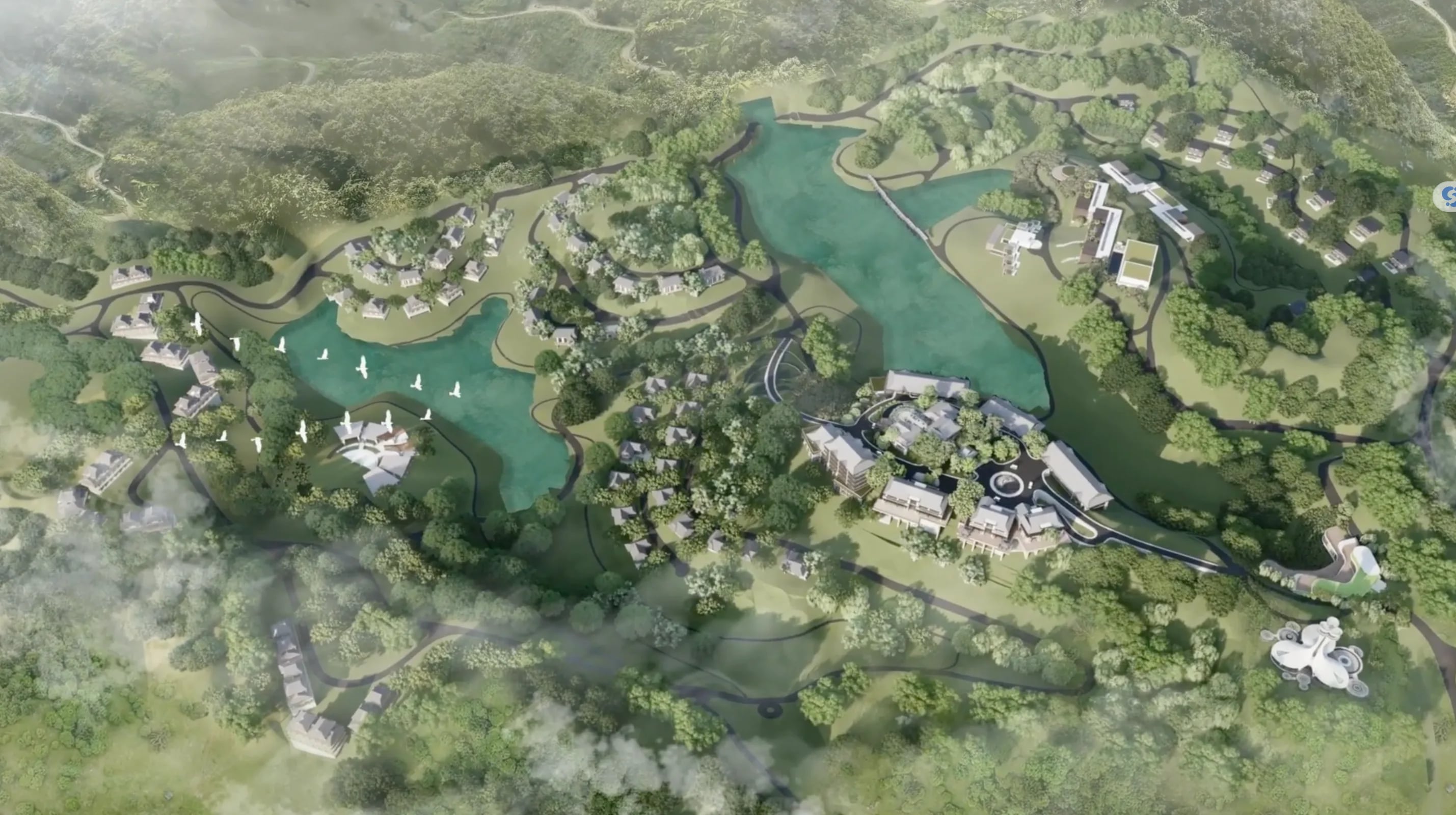
Owning a large plot of land is both an absolute advantage and the most risky "trap" for any novice investor. Without a clear phased strategy, the project could easily fall into scattered investment, "drawing up" too many items, leading to capital lock-up and cash flow burden. When they approached NewSun Hospitality, the Investor did not ask us to write a romantic concept on paper. What they needed was a practical and sharp "Development Roadmap"that thoroughly addressed core challenges: The first question was: does the current market truly need another resort project in Mai Chau – Hoa Binh? In reality, this area has seen many homestays, ecolodges, and nature resort models emerge over the years. If Noong Luong Retreat continues to follow the beaten path of "beautiful views – accommodation – basic experiences," the project will quickly fall into price competition and struggle to create a long-term differential advantage. The second question was: who will be the customer group willing to pay for this product? The Investor did not want to develop a mass-market model serving the majority at low prices. However, to build a high-value retreat product that stands above the market, it is crucial to clearly define the target customer profile:
- Why do they go on retreat?
- What experiences are they seeking?
- What is their actual spending capacity?
- What do they expect beyond just a place to stay?
- And what is compelling enough to make them stay longer, return more often, or be willing to purchase a package instead of just booking individual rooms?
The third question was: how much should be invested in the initial phase to both control risk and ensure commercial viability? This is a crucial challenge for projects with large land banks. If investment is too scattered too early, the operational and cash flow pressure will be immense. But if it's too small or lacks a clear product structure, the project will also struggle to attract market interest. Therefore, NewSun had to work with the Investor to re-evaluate the entire phased structure:
- How many rooms should be implemented in the initial phase?
- Which items should be prioritised first?
- Which items are not immediately necessary?
- What will be the main revenue generator?
- And what will enhance the experience to increase spending per guest?
The final and most challenging question was: what operating model is suitable for the project in the long term? A retreat project cannot be operated with the mindset of a city hotel, nor can it be managed like an impromptu homestay. Noong Luong Retreat needs a model that is lean enough to control costs, yet still ensures consistency in the customer experience. This means that every element, from concept, functionality, guest flow, customer experience, staffing structure, F&B, wellness, to outdoor activities, must be considered from the very initial stage.
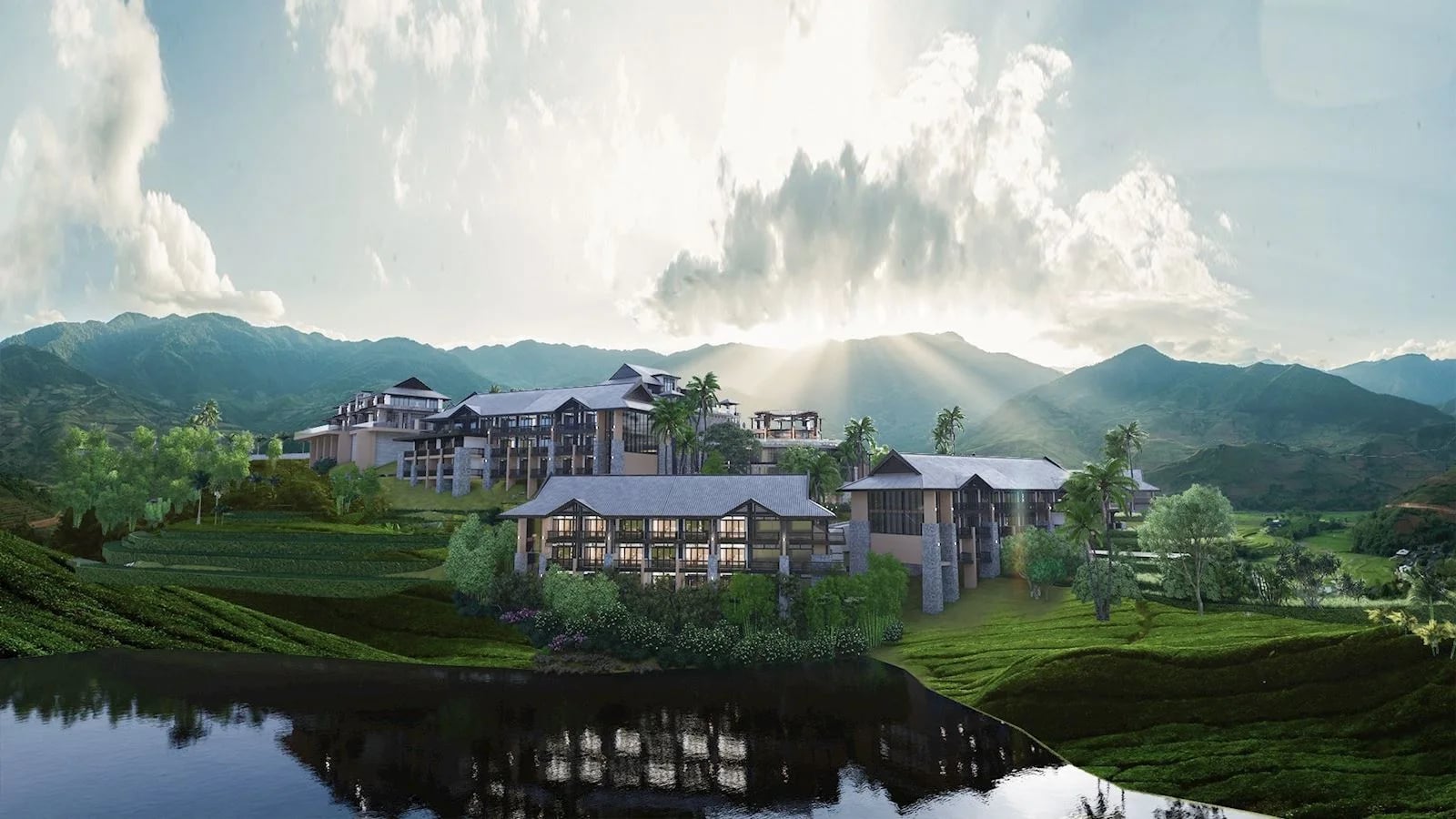
A 118-hectare land bank, a growing but undefined market, and the expectation of building a distinctive and long-term sustainable resort product. This was the challenge the Investor presented to NewSun Hospitality from the very beginning of the Noong Luong Retreat project. But how do we transform these potentials into a truly viable hospitality model? How do we correctly identify the customer segment, build a differentiated product, optimise investment scale, and create a sustainable operating model instead of just an attractive idea? In the next instalment of this series, NewSun Hospitality will share in detail how we approached and solved this problem through market research, competitor analysis, identifying market gaps, and building a strategic positioning for Noong Luong Retreat. How were the crucial initial decisions made, and why did they become the foundation for the entire development direction of the project? Stay tuned for Part 2: "From Market Data to Positioning Strategy – The First Steps of Noong Luong Retreat".