


 VN
VN EN
ENFrom 2023–2025, the Vietnamese hotel industry is entering a strong post-pandemic recovery cycle. International arrivals are increasing rapidly, occupancy rates are significantly improving, and a series of international brands continue to expand their presence in Vietnam. However, behind this positive growth lies a silent yet fiercer "battle" than ever before: the battle to retain core personnel in the 5-star hotel segment.
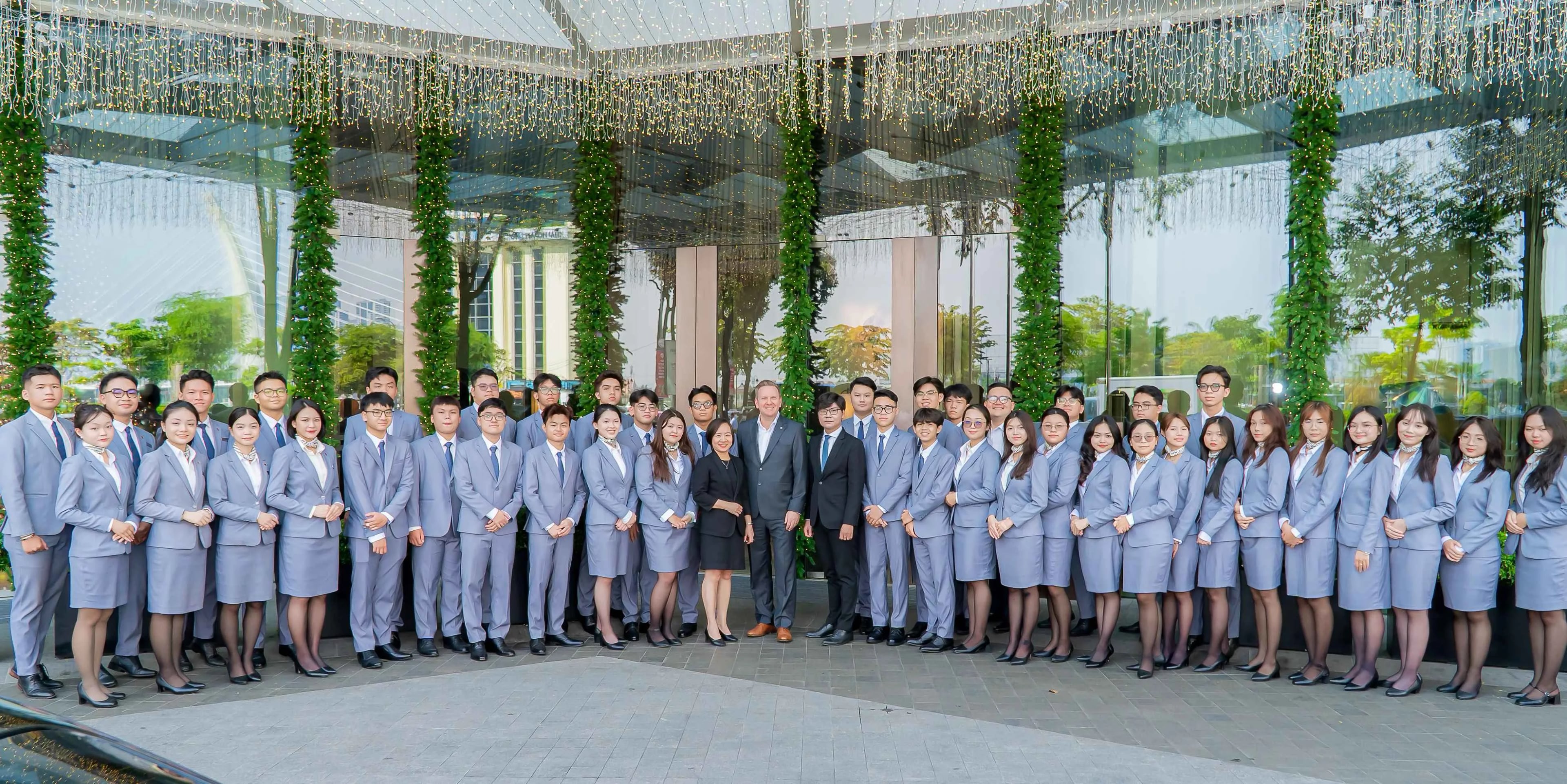
According to Savills Vietnam's periodic report on the resort real estate market, by the end of 2025, the supply of mid-to-high-end segments will have reached approximately 192,300 rooms, with over 90 international hotel management brands present. It is projected that between 2026 and 2028, the number of global brands operating in Vietnam will exceed 130. The boom in luxury hotel projects andBranded Residenceshas opened a new chapter for the hospitality industry, but has also ignited a fierce, underlying battle: the war to attract and retain core personnel. In the 5-star segment, an organisation's greatest asset is not its grand architecture or luxurious interiors, but the capabilities of its core talent. These include General Managers (GMs), Heads of Department, Executive Chefs, and mid-level managers who can smoothly operate service machinery to stringent international standards. As project supply grows exponentially, retaining these talents becomes a critical factor determining each brand's competitiveness.
When salary is no longer the sole deciding factor
For many years, the luxury hotel sector was considered an attractive working environment due to its international nature, career advancement opportunities, and professional prestige. However, the new generation of workers, especially Gen Z and Millennials, are completely changing their perspective on work. Employee behaviour studies by Decision Lab and various HR research organisations in Southeast Asia show that young workers today prioritise work experience, work-life balance, flexibility, and personal development over merely focusing on a fixed salary. This presents a significant challenge for the hotel industry – a sector known for its high work intensity, continuous operational pressure, and irregular working hours.

In the 5-star hotel segment, the issue becomes even more critical because core personnel are not just task performers; they are individuals who uphold service standards, train teams, and maintain international-standard customer experiences. Losing a Front Office Manager, Executive Housekeeper, or Director of Sales can sometimes mean more than just losing a position; it can lead to disruption in operational culture and overall service quality. Particularly, as the market strongly recovers post-2023, many new international brands entering Vietnam have created a large-scale "headhunting" wave. These new hotels are willing to pay 20–40% higher salaries for experienced management positions to quickly stabilise operations. This causes existing hotels to face high turnover rates, especially among well-trained staff.
Pressure to retain staff amid expanding luxury hotel supply
According to Savills, between 2024 and 2026, Hanoi and Ho Chi Minh City will see thousands of new hotel rooms, mostly in the luxury segment and operated by international brands. This means the market will not only compete for customers but also directly for high-quality operational personnel. An internationally experienced General Manager, an Executive Chef capable of developing F&B concepts, or a Director of Revenue skilled in optimising revenue are now "strategic assets" that every hotel wants to possess.

In reality, the cost of replacing a mid- or senior-level hotel manager is often much higher than their monthly salary. Businesses incur additional costs for recruitment time, retraining, team stabilisation, and service experience recovery. More importantly, continuous staff changes can easily create internal instability, reducing overall organisational cohesion. This is why many large hospitality groups are now shifting from a "recruit to operate" mindset to "building a talent retention ecosystem."
Talent retention is no longer an HR problem, but a brand strategy
New trends in the hospitality industry show that hotels with good staff retention often invest not only in compensation but also heavily in employee experience. Many international brands have begun to develop wellbeing programmes, leadership training, personalised career paths, and a more flexible internal culture. Some luxury hotels even use AI technology and HR data to monitor employee engagement in real-time, thereby proactively identifying turnover risks.
In an increasingly competitive service industry driven by customer experience, the quality of human resources becomes a core differentiator. A hotel with beautiful design, a good location, or millions of USD invested in facilities can still fail if it cannot retain a stable and professional operational team. Notably, the younger generation of employees today also highly values corporate culture. They want to work in an environment that offers recognition, transparency, and genuine opportunities for development. This forces 5-star hotels to adopt a more modern approach to human resource management, rather than relying solely on traditional operational models that tend to be rigid and hierarchical.
The future of the hotel industry will be a competition for people
As the Vietnamese hospitality market enters a new growth cycle, the gap between hotels will no longer solely be defined by investment scale or international brands, but by the ability to build a sustainable workforce.

In an industry where customer experience is built from the smallest interactions, personnel are the "soul" of a hotel brand. Businesses capable of retaining talent, building a positive culture, and developing long-term teams will be the ones with a true competitive advantage in the 2025–2030 period. Because ultimately, the biggest battle in the hotel industry is not a battle for room rates or occupancy, but a battle for retaining people.
NewSun Hospitality – Partnering with hotel businesses in operational and team development challenges
At NewSun Hospitality, we understand that human resources are not just an operational asset but also a decisive factor in customer experience and hotel brand value. With experience consulting and partnering with numerous hospitality businesses in Vietnam, NewSun Hospitality provides training, operational, and team development solutions aligned with modern market trends. Contact NewSun Hospitality to build a sustainable operational and human resource development strategy for your hotel during the new growth phase of Vietnam's tourism industry.
- Hotline: +84 768 68 2913
- Email: dosm@nshm.com.vn
- Zalo OA: https://zalo.me/2452770272256938463 (NewSun Hospitality)
- Website: https://nshm.com.vn/ (NewSun Hospitality)
References:
- Savills Vietnam Q1/2024 Market Brief Savills Vietnam. (2024). Vietnam Quarterly Market Report Q1/2024. Savills Vietnam.
- Savills Vietnam Q4/2024 Market Brief Savills Vietnam. (2024). Vietnam Quarterly Market Report Q4/2024. Savills Vietnam.
- Savills Hospitality Update 2024 Savills Hotels. (2024). Viet Nam Tourism and Hospitality Update: Market Recovery and Challenges in 2024.
- Decision Lab. (2024). Consumer & Workforce Trend Analysis in Vietnam. Decision Lab Vietnam.