


 VN
VN EN
ENIn the 4–5 star hotel segment, especially in destinations with abundant supply, "price wars" are an almost recurring scenario whenever the market enters a period of declining demand. This has been particularly evident in the post-COVID-19 context, with international tourist arrivals yet to fully recover, or during low seasons when bookings from both domestic and international guests sharply decline. To maintain occupancy, many upscale hotels – traditionally associated with luxury, impeccable service, and brand value – have been forced to deploy their most sensitive "weapon": room rate reductions.

Many establishments opted to launch a series of short-term promotions, attractive discount packages, and even drastically reduced room rates, with the sole aim of filling beds. This trend was clearly illustrated during the Tet holiday at the end of 2022 in Hanoi: while the international market remained sluggish, many 5-star hotels offered rooms for only around 3 million VND/night. Notably, some hotels even aggressively "undercut" prices, bringing room rates down to nearly 1.5 million VND/night – a surprisingly low figure, as such prices are rarely found in cities renowned for high-end tourism in the region, such as Bangkok or Singapore (VietnamNet News).
Causes – Why has the market entered a price race?
Oversupply is the core factor fuelling price wars in the luxury hotel segment. In just one decade, Vietnam's hotel industry has undergone a dramatic transformation: the number of mid- to high-end accommodation establishments has increased 6–7 fold, with a massive influx of new projects and an increasingly dense presence of renowned international brands (Tin nhanh Chứng khoán; Tatler Asia). While the market was previously dominated by a few major players, the landscape is now entirely different: numerous foreign and domestic "giants" are vying for position, making competition fiercer than ever.

In this context, pricing quickly became the easiest and most irresistible "weapon". When the differences between hotels in terms of service, experience, or product are not truly distinct, customers often compare directly based on the most visible factor: room rates. Lacking unique selling points to create a competitive advantage, many hotels resort to a short-term solution: lowering prices to attract guests, regardless of the long-term consequences.

This situation is exacerbated during market downturns. The COVID-19 pandemic was a prime example: international tourist arrivals virtually disappeared, domestic guests limited their spending, while operating costs for luxury hotels remained very high. The mindset of "maintaining occupancy at all costs" quickly spread, and many establishments did not hesitate to apply unprecedented low rates just to maintain cash flow, even when revenue barely covered costs.
Consequences – The "price war" harms both internal operations and the market
Firstly, the most obvious impact is the decline in Average Daily Rate (ADR). According to Savills Vietnam's hotel market report, the average room rate in Hanoi decreased by 15–20% in 2022–2023 compared to pre-pandemic levels (VietNamNet News). This means that revenue per room was significantly eroded, leading many 4–5 star hotels to a situation where revenue was insufficient to cover the inherently high operating costs of the luxury segment. For hotels with prime locations, significant investment costs, and large staff teams, maintaining high occupancy through low prices does not always guarantee cash flow, and can sometimes lead to prolonged operating losses.

Beyond impacting cash flow, continuous promotions and deep discounts also damage brand image. In customers' minds, 5-star hotels are associated with luxury and premium experiences. But when prices are on par with, or even lower than, 3–4 star resorts in other regional markets, customers easily become sceptical: "A 5-star hotel at this price, is it really still 5-star?". Worse, they may develop a habit of waiting for promotions instead of booking immediately, making it difficult for hotels to return to original prices later. The long-term consequence is the establishment of a low price floor that is hard to reverse. Statistics from Savills and CBRE show that 5-star hotels in Vietnam are currently among the lowest priced in Southeast Asia, even significantly lower than Bangkok, Singapore, or Kuala Lumpur (VietNamNet News). This not only reflects the immediate difficulties the hotel industry faces but also poses a major challenge in raising prices again: domestic guests, accustomed to low prices, will react strongly when room rates return to levels commensurate with 5-star standards.

When all parties join the "race to the bottom", the outcome is usually the same: no one truly wins. Occupancy rates may tick up due to low prices, but Revenue Per Available Room (RevPAR) and profit per room both decline significantly. More dangerously, the luxury brand is eroded, making post-crisis recovery much slower and more difficult.
Solution: Avoid the low-price competition trap – Elevate through value and differentiation
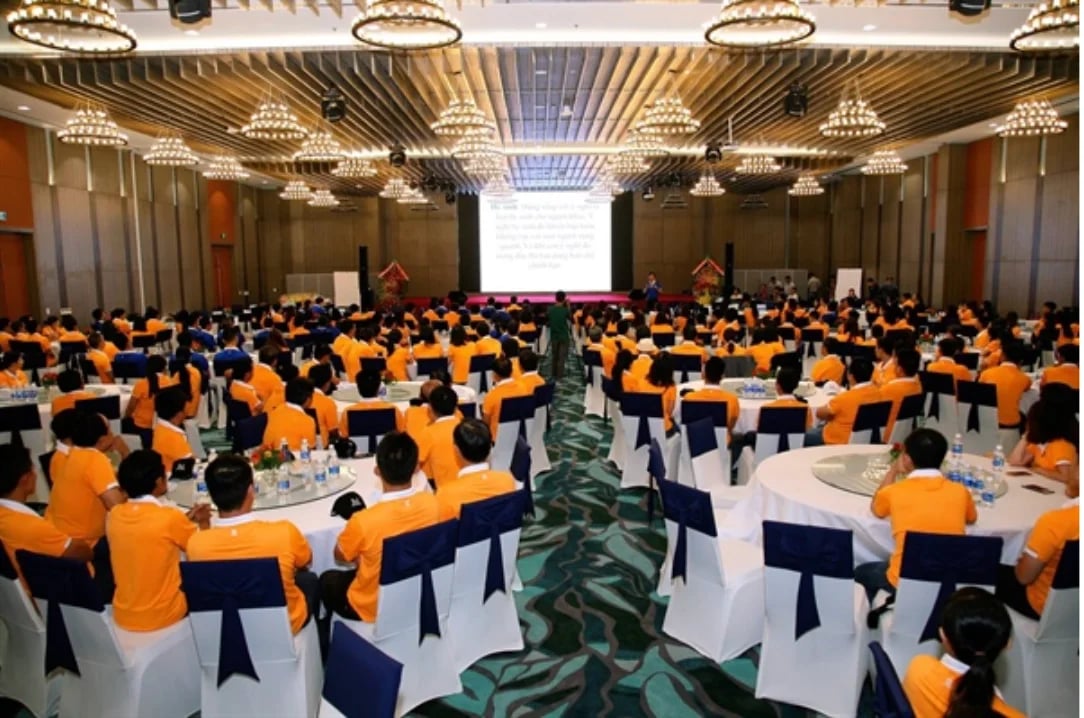
- Increase package value instead of direct price reduction In a challenging market, instead of lowering room rates to attract guests, hotels can opt for a smarter solution: increasing the value of service packages. For example, instead of selling a Deluxe room at a 30% discount, the hotel can maintain the price but offer a complimentary spa voucher, a free upgrade to a higher room category, include dinner at a signature restaurant, or provide a free local tour experience. This approach helps protect ADR (Average Daily Rate) while making guests feel they are getting "more for their money". More importantly, this added value does not cause the hotel to lose significant revenue, as most supplementary services have high-profit margins or low costs compared to their positive impact on the customer experience.
- Invest in professional marketing & revenue management According to experts from Colliers, difficult periods are precisely when hotels need to accelerate investment in marketing and revenue management rather than cutting budgets (Tin nhanh chứng khoán). Building a sustainable brand identity, launching campaigns targeting domestic guests, MICE (Meetings, Incentives, Conferences, and Exhibitions) travellers, business travellers, or even exploring emerging markets are key to maintaining guest flow. Simultaneously, implementing a Revenue Management System (RMS) helps hotels optimise prices across different channels and times, instead of "across-the-board price reductions" based on emotional reactions. Entities that are proactive in systematic revenue management are often the hotels that recover fastest and strongest after a crisis.
- Information Sharing & Price Floor Consensus within Associations A community-based yet highly practical solution is for hotels within the same industry association to share data and agree on a price floor. If each party engages in a "race to the bottom," ultimately everyone loses. Jointly establishing minimum pricing principles not only helps stabilise overall price levels but also prevents self-cannibalisation in an already oversupplied market. Many hotel associations in Thailand and Singapore have successfully implemented this model, helping the industry maintain balance even during demand downturns.
- Brand Building & Enhancing Unique Service Quality The most sustainable long-term strategy lies in investing in quality and differentiation. A hotel can only maintain its competitive edge by creating unique experiences, distinct identity, and superior service – elements that low prices cannot replace. When the market recovers, hotels that have protected their image and prestige will easily be able to raise prices again, while attracting the premium guest segment willing to pay for genuine quality. Conversely, establishments accustomed to selling cheaply will find it very difficult to persuade customers to return at higher prices, as they themselves have diluted their brand value.

Conclusion – From price war to sustainable value strategy
The price-cutting race – while it may temporarily boost occupancy – is essentially a "short-term fix" that erodes long-term value: brands lose prestige, profits are depleted, and the entire market falls into a low-price environment that is difficult to recover from. In the long run, this is nothing short of a self-defeating spiral where no one truly wins. To survive and achieve sustainable growth, hotels need to shift from a "sell cheap to fill rooms" mindset to a strategy of competing on value. This means optimising product packages, refreshing marketing approaches, investing in strong brand building, and fostering smart industry collaborations. By doing so, hotels will not only maintain their competitive advantage but also build a foundation for elevation and breakthrough when the market recovers. NewSun Hospitality is proud to be a partner in helping hotels enhance their revenue strategies:
- Consulting on building value packages instead of mere price reductions.
- Implementing brand positioning marketing strategies during a crisis.
- Developing a professional revenue management model to be ready for post-pandemic recovery.
???? Contact NewSun Hospitality today to transform "challenges" into a stepping stone for a sustainable pricing strategy, rather than a short-term price war that could deplete your hotel's long-term potential. References
- VietnamNet – 5-star hotels in Hanoi during Tet 2022 offered prices from just 1.5 million VND/night; average room rates decreased by 15–20% compared to pre-pandemic levels
- Savills – Vietnam ranks second in the region for the number of mid-to-upscale hotel projects; most new supply features international brands
3. Colliers – Emphasises the importance of marketing and revenue management strategies during market downturns