


 VN
VN EN
ENIn the modern hotel world, where every minute, every event, every booking can significantly alter the supply-demand landscape, maintaining fixed prices for peak or off-peak seasons is no longer a sufficiently robust solution. Static pricing – a fixed and "frozen" rate sheet – was once a popular choice due to its simplicity and ease of management. However, in an uncertain and fiercely competitive market, this approach not only reduces potential revenue but also causes hotels to lose opportunities to enhance their competitive advantage.
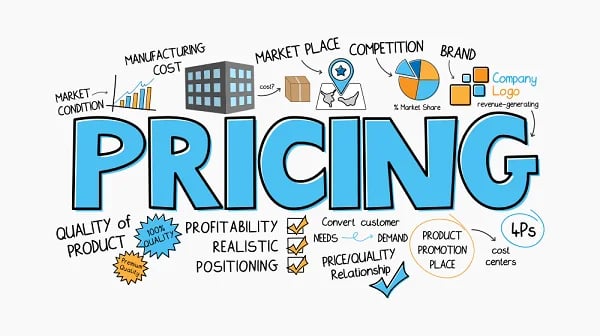
Current Situation and Consequences – When Pricing Fails to Keep Pace with the Market
Maintaining a fixed price in the hotel business means ignoring a range of significant market fluctuations, from sudden surges in demand and major local events to unusually rapid booking paces. These factors, however, directly impact the ability to maximise revenue. According to MakCorps, while a static pricing strategy may seem simple and easy to manage, it actually carries significant risks: “Set it once, forget about it… most are unknowingly leaving serious money on the table” . In other words, "setting and forgetting" prices causes hotels to miss opportunities to react quickly to supply and demand fluctuations, while flexibility is precisely what creates a competitive advantage.

The consequences of this strategy are evident in practice. During peak season, a hotel might achieve near-maximum occupancy, but without price adjustments, profits won't be optimised. Conversely, during off-peak season, maintaining the same prices or only slightly reducing them makes it difficult to attract guests, leading to many empty rooms. This directly impacts RevPAR (Revenue per Available Room), a key indicator reflecting a hotel's revenue generation efficiency. According to Investopedia, a higher RevPAR generally means the hotel is operating more efficiently. A sustained decline in RevPAR not only reduces revenue but also weakens the hotel's competitiveness in the market.
Why do many hotels still use static pricing?
One common reason many hotels maintain a static pricing strategy is familiarity and ease of management. Applying a fixed rate sheet simplifies operations for front desk, sales, and reservations departments, avoiding constant changes and reducing the risk of errors when quoting prices to guests. This model also creates a sense of stability for the operational team, especially for smaller hotels or those without dedicated revenue management personnel. However, this convenience comes at a cost: the hotel loses the ability to react quickly to market fluctuations, which is crucial in the modern hospitality industry.

The second reason is the lack of professional support tools. Many accommodations have not invested in a Revenue Management System (RMS), which allows for real-time data-driven price monitoring and adjustment based on booking pace, search demand, or competitor pricing. Without an RMS, pricing decisions are primarily based on manual observation or delayed reports, limiting the ability to optimise prices. This is particularly disadvantageous during periods of rapid market change, where a few hours of delay can result in significant lost revenue.
The final reason stems from the habit of relying on intuition or simple competitor comparisons. Many hotels only monitor the prices of their closest competitors and adjust accordingly, but this is often slow and lacks systematic execution. Even when aware of competitor price increases or decreases, many hotels cannot react quickly enough due to the lack of a data foundation to analyse the specific impact on their own booking demand. This approach not only reduces pricing effectiveness but also keeps the hotel in a passive position, chasing the market instead of leading trends.

Dynamic Pricing – The Flexible Pricing Solution in the Digital Data Era
Dynamic pricing is becoming a "lifesaver" for hotels looking to maximise revenue and react quickly to market fluctuations. According to NetSuite, this strategy helps maximise bookings and revenue by adjusting optimal prices – increasing when demand is high, decreasing when demand is low – thereby improving both occupancy rates and RevPAR. The strength of dynamic pricing lies in its ability to capitalise on every revenue opportunity, while minimising empty rooms or selling below true value during off-peak periods. To effectively implement this strategy, many hotels have invested in modern Revenue Management Systems (RMS) integrated with artificial intelligence (AI). These systems can automatically adjust prices in real-time based on multi-dimensional data: competitor prices, market trends, booking pace, weather conditions, and even major local events.

Major hotel groups like IHG and Marriott have demonstrated the effectiveness of dynamic pricing by applying competitive data and price elasticity analysis to adjust room rates. Thanks to this technology, IHG recorded a RevPAR increase of up to 2.7% – a significant result in the fiercely competitive lodging industry (Wikipedia). Furthermore, a study published on arXiv in November 2024 on dynamic pricing in the tourism industry shows clear potential: an average revenue increase of 22%, a 17% faster price reaction speed, and a 15% improvement in customer satisfaction. These figures indicate that dynamic pricing not only optimises profits but also enhances customer experience – a core factor in retaining and developing a loyal customer base.
Conclusion – Transform Strategy, Make New Strides
In the context of a constantly fluctuating global tourism market, static pricing strategies have gradually become outdated and revealed numerous limitations. The rapid changes in customer demand, the impact of special events, real-time booking trends, and more, all require hotels to be able to react more quickly and accurately. This is precisely why dynamic pricing is becoming an inevitable trend. When implemented alongside a modern Revenue Management System (RMS), hotels can not only optimise selling prices at any given time but also seize opportunities to increase RevPAR, boost occupancy rates, and minimise under-selling. In the long term, this solution both increases profitability and maintains a sustainable competitive position in the market. As a pioneer in providing hotel management solutions, NewSun Hospitality offers partners a comprehensive product ecosystem to support effective dynamic pricing implementation. From analysing market data, competitor pricing, and booking behaviour, to providing data-driven strategic pricing consulting services, NewSun Hospitality helps hotels transition from static to dynamic pricing smoothly and efficiently. As a result, hotels not only achieve outstanding revenue growth but also enhance customer experience, retain loyal customers, and expand market share in an increasingly fierce competitive environment. Contact NewSun Hospitality today to discover the optimal dynamic pricing solution for your hotel. References
- MakCorps – Hotel Rate Intelligence Platform: “Set it once, forget about it… most are unknowingly leaving serious money on the table.”
- Investopedia – Revenue Per Available Room (RevPAR) Definition and Formula: Explains the RevPAR metric and its significance in the hotel industry.
- NetSuite – Dynamic Pricing Strategies in Hospitality: Introduces the benefits of dynamic pricing in maximising revenue and occupancy.
- Mews – Atomize RMS: Case study on how applying an RMS helped a hotel increase RevPAR by 35% and reduce manual operation time.
- Wikipedia – InterContinental Hotels Group (IHG): Information on IHG's 2.7% RevPAR increase thanks to Price Optimization.
- arXiv – Microservices for Dynamic Pricing in Tourism: A November 2024 study showing the model helps increase revenue by 22%, improve price reaction speed by 17%, and boost customer satisfaction by 15%.