


 VN
VN EN
ENTo offer new and exciting experiences and meet the growing demands of travellers, many hotels have changed their business development approach to keep up with trends. So, what hotel business development trends will be popular in 2023?

Optimise room and space utilisation
Room sales are the hotel's primary revenue stream, while space utilisation generates supplementary and passive income. A flexible combination that maximises these resources will lead to more efficient hotel operations. To sell rooms effectively, we need to ensure high occupancy rates. Hotels should continuously measure, analyse, and evaluate to improve and apply factors that enhance occupancy for better results. To effectively utilise hotel space, it's crucial to identify the advantages of the hotel's location. If the hotel is in a high-traffic area like a city centre or pedestrian street, it can sell beverages and fast food. If it's in a tourist area, near scenic spots or the beach, it can sell drinks, souvenirs, and tour tickets. Hotels also need to balance commercial activities with providing guests with an enjoyable experience. Over-focusing on sales while neglecting the guest experience will deter repeat visits and recommendations.
Detailed revenue and expenditure control to prevent losses
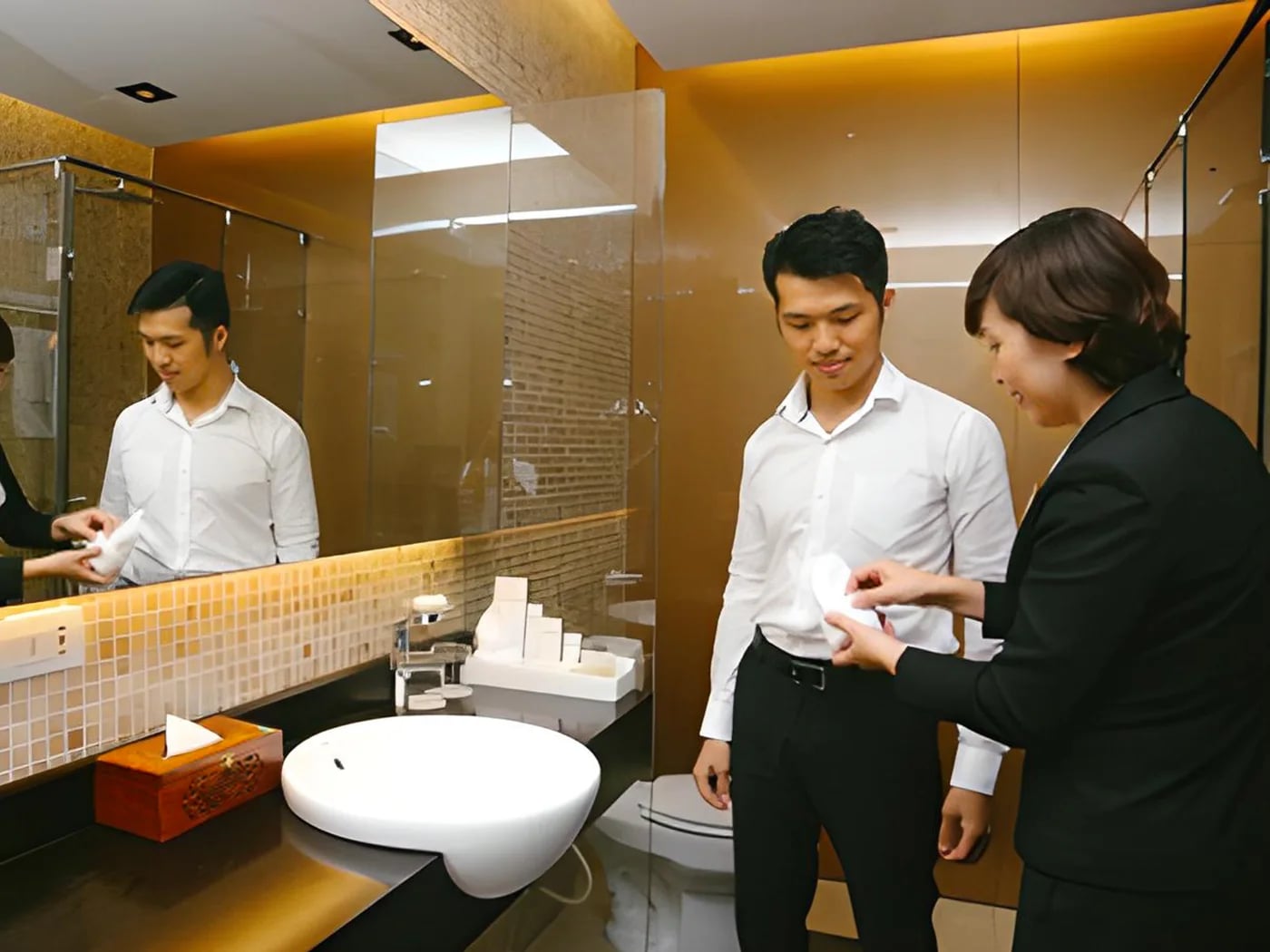
High revenue without effective control over income sources, leading to financial leakage and deficits, will ultimately fail to guarantee profit. Hotels need to establish a summary of revenue and expenditure fluctuations for specific periods (daily, weekly, monthly, quarterly, etc.). This helps the accounting and management departments understand the hotel's business performance, revenue generation, and any areas or categories experiencing deficits or losses. Concurrently, managers must monitor the system at specific times to evaluate which categories are profitable and which should be limited to avoid losses. For example: In summer, student travel increases, so spaces should be renovated to be more youthful, and dorm rooms developed; in winter, fewer guests and reluctance to travel far mean reducing tours and increasing shuttle services to meet demand.
Forecast trends to stay ahead
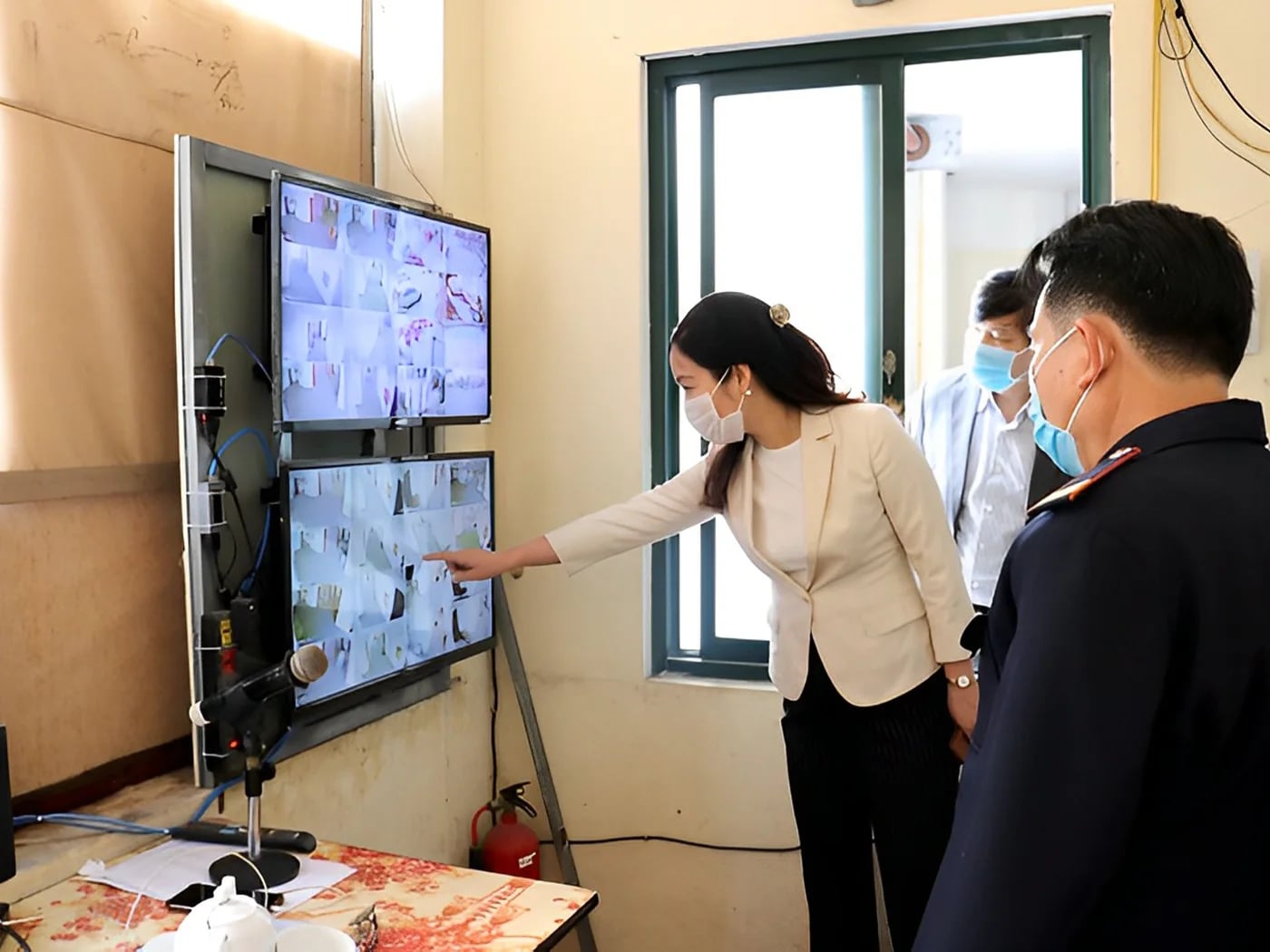
To manage a hotel effectively and efficiently, one crucial factor is the manager's strategic vision, ability to forecast trends, and proactive approach. Forecasting allows the hotel to prepare for and anticipate near-future trends, and also to rectify and improve past strategies that did not yield desired results. There are various methods for forecasting trends in hotel management, such as: - Using historical data: Tracking past revenue fluctuations and bookings to predict future patterns. - Considering events: Fixed events like holidays, Tet, Christmas, etc., are predictable. Unexpected events like football matches or popular competitions should be predicted with caution, as they are often inaccurate and sudden, leaving hotels insufficient time to prepare optimally. - Monitoring market and competitor trends: Observing narrow scopes, such as new homestays or tourist areas opening nearby; or broader scopes, such as disease control, or vaccine passport issuance for those with two or more doses. Both can create demand spikes and directly impact your hotel's room sales. - Collaborating with departments: Front desk staff frequently interact with guests making reservations, making it easy for them to monitor and identify changes in booking demand and service usage. Other departments will also have professional insights and forecasts related to their work. Managers collect and consolidate this information to ensure their forecasts are more aligned with reality.

Connect with partners for better, more proactive customer support
Hotels need to identify their key partners to collaborate with and enhance operational resources, enabling them to meet more customer needs and experiences. Partners that hotels should consider include: - Online Travel Agencies (OTAs): These platforms connect hotels with customers. OTAs are increasingly used, bringing numerous bookings to hotels and thereby increasing revenue. - Car rental/taxi services: This relationship provides car rental companies with more customers, while hotels create a seamless, safer experience for their guests. - Supply chains: Ensuring the quality and uninterrupted supply of cooking ingredients, hotel amenities, etc., helps the hotel always be ready to serve guests. Finding and building relationships with partners helps hotels operate more proactively and seamlessly. Essentially, partners help hotels manage peripheral issues like bookings, services, and dining, allowing the hotel to focus on delivering the best customer experience.
Appropriate, flexible human resource management
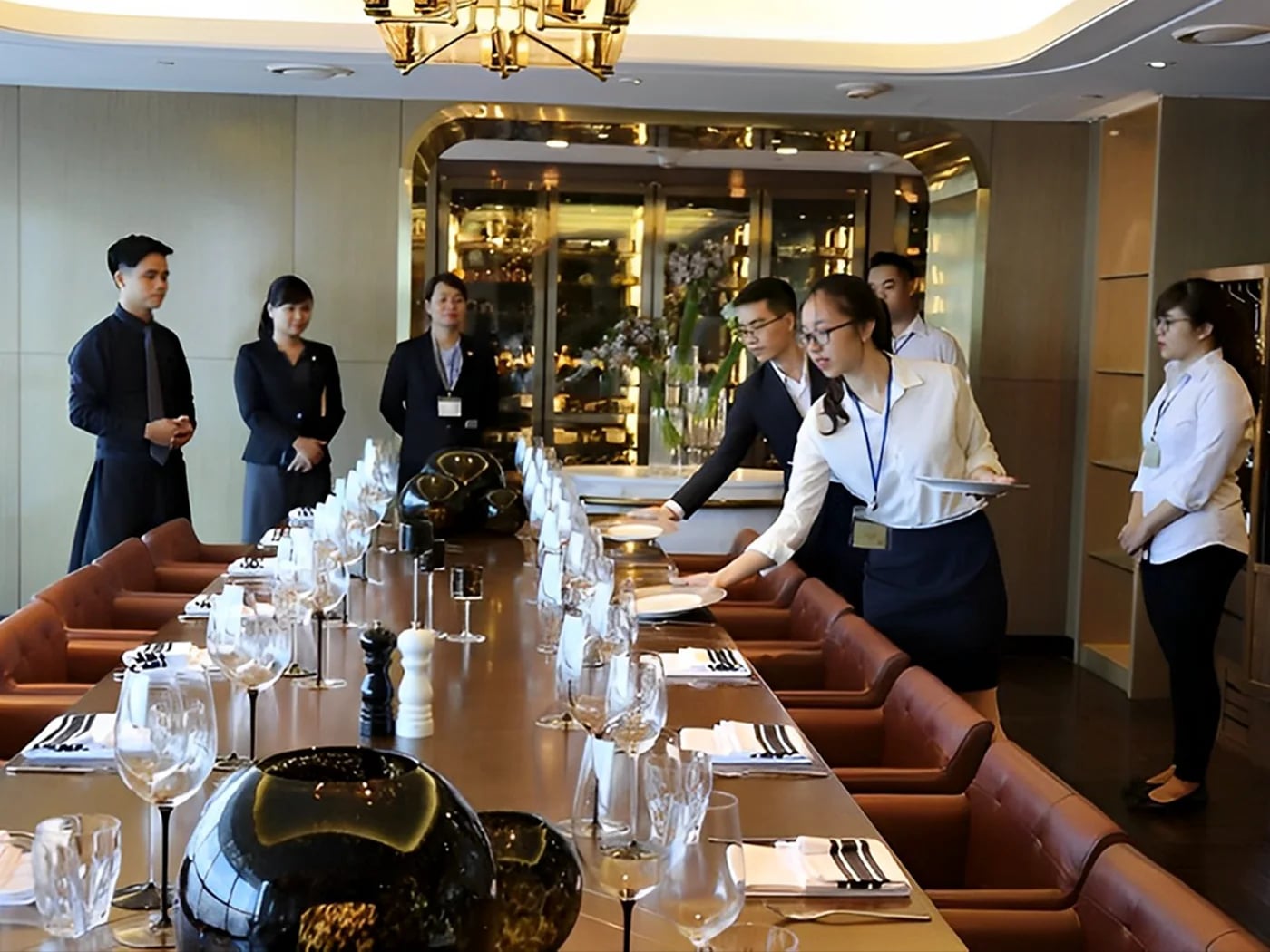
Human resources are the energy of a hotel, and for some guests, they are the face of the hotel. Therefore, strict and effective HR management is essential to ensure that the customer's perspective remains consistently positive and favourable. - Effective responsibility assignment: Hotels need to manage the work of each department and individual based on a work plan that clearly outlines tasks, roles, timelines, and related departments. - Fair and clear salaries and allowances: Ensure employees are fairly compensated for their work. Hotels must establish a comprehensive, detailed salary policy that aligns with positions and capabilities, and remains competitive compared to rivals. - Friendly and safe working environment: Ensure that employees' skills and expertise are utilised appropriately, recognised adequately, and fairly remunerated. When an individual is placed in the right role, performs tasks they excel at, and receives corresponding rewards (salary, allowances), they are less likely to develop negative opinions, resentment, or jealousy towards others. - Create advancement opportunities for everyone: Finally, hotels need to create a career progression environment for employees so they can set goals and strive for them. A lack of recognition for employees' efforts and development, not concretised by actions (salary increases, promotions), will lead to "brain drain" at your hotel, as employees will leave for places with better development opportunities and more attractive salaries for their skills.
Standardised customer management
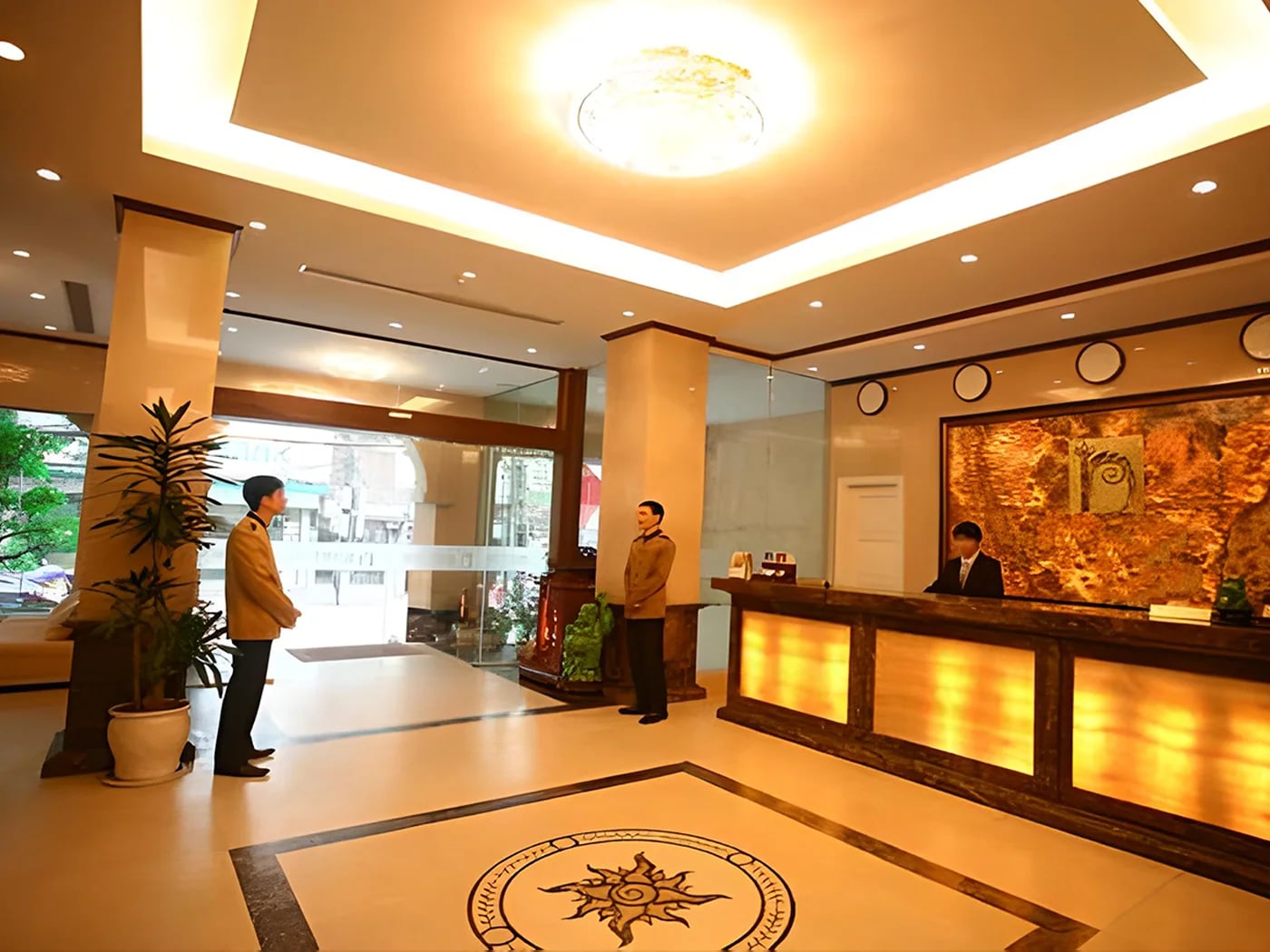
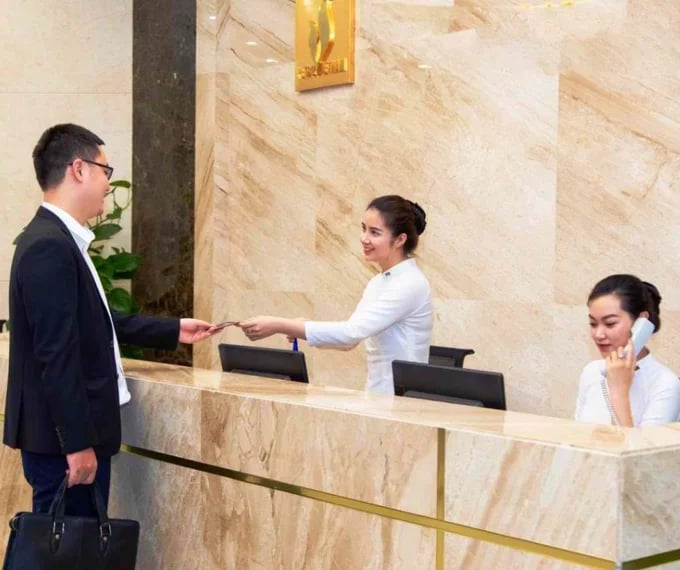
Customers pay for the hotel and its staff's salaries. Therefore, ensuring a positive customer experience and effectively handling emerging situations are crucial for efficient hotel management. - Professional attitude towards customers and colleagues: In the service industry, a professional attitude when interacting with customers is essential, always prioritising the customer and their experience. Managing and ensuring this is equally important, as one unprofessional action can significantly impact the hotel's reputation. - Prompt and decisive situation handling: In reality, new situations constantly arise in hotel operations, varying in severity (requiring input/support from multiple departments/levels) or simplicity (self-resolvable or no action needed). - Readiness for multilingual communication: To communicate professionally and courteously with customers, hotel staff must be proficient in foreign languages, especially English. English proficiency enables staff to communicate better, handle situations perfectly, and deliver higher quality service.
Using suitable hotel management software helps improve hotel management
Using appropriate hotel management software helps hotels operate stably, efficiently, and more securely. Specifically, the benefits that management software brings to hotels include: saving time and money for the entire system; visually tracking all operations; synchronising and integrating data across all sales channels; enhancing online presence, and more.
Effective hotel management requires a diverse range of skills across many operational areas. You might feel overwhelmed, thinking it's too much for anyone to manage a hotel well. But don't worry; these skills can be learned and improved over time, though some require proper instruction and training. So, if hotel management is your goal, start by learning and gradually enhancing your skills and expertise. Your experience and operational understanding will develop, leading to more stable and professional hotel management.
SOURCE: Blue Jay