


 VN
VN EN
ENImagine a guest, Mrs. Lan, calls Front Office at 10 PM to request an extra soft pillow. The front desk agent notes the request and promises immediate action. However, this information is not relayed to Housekeeping in a timely manner. 30 minutes later, Mrs. Lan calls again, her tone now tinged with annoyance. The front desk frantically contacts Housekeeping, but the night shift staff are unaware of the request. The perfect service "symphony" the hotel meticulously built suddenly becomes discordant due to a single "wrong note" in communication. This is not an isolated incident. Poor inter-departmental coordination (Internal Communication Breakdown) is an invisible "gap", a silent ailment eroding the health of countless hotels, from charming boutiques to magnificent 5-star establishments. It is the root cause of numerous operational errors, diminishing guest experience and directly impacting revenue.
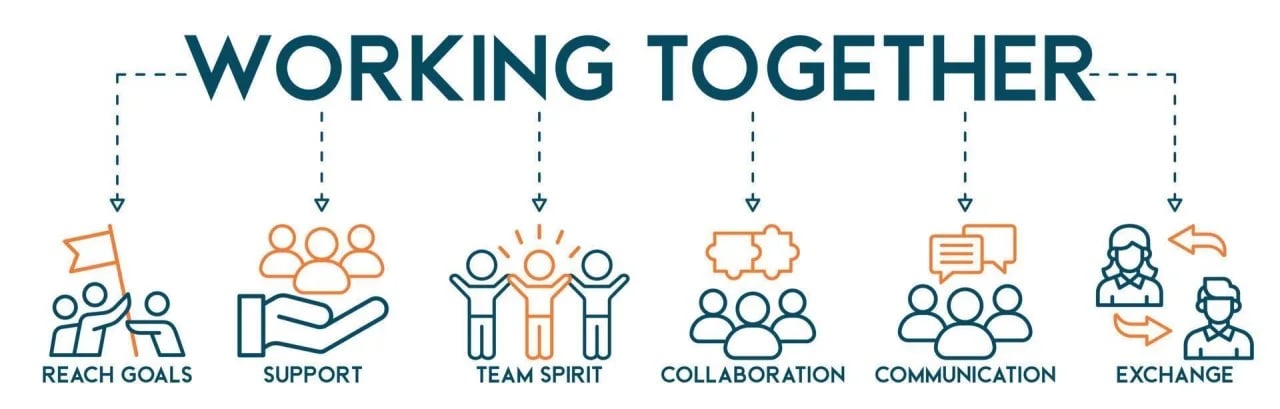
In this article, we will dissect this pressing issue, from identifying its root causes and anticipating its devastating consequences, to, most importantly, presenting strategic solutions that NewSun Hospitality has refined through years of experience.
"Dissecting" the Root Causes of Disjointedness
The lack of inter-departmental coordination in hotels does not arise spontaneously. It is the result of a series of systemic, cultural, and long-standing operational habits within the organisation. When unrecognised and unaddressed, these factors gradually become "invisible barriers" that hinder smooth operations and diminish the quality of customer experience.
Silo mentality and localised objectives
One typical reason is that each department focuses solely on its own interests and KPIs, rather than a common goal. Front Office prioritises check-in and check-out speed. Sales strives to sell as many rooms as possible, sometimes even making commitments beyond actual capacity without prior notification to operational departments. F&B focuses on controlling food costs, occasionally inadvertently cutting important options that VIP guests are expected to receive. Engineering, meanwhile, prioritises infrastructure issue resolution according to its own schedule. Each department acts like a "separate island," lacking connection and a holistic view that customer experience is the ultimate measure of success.

Outdated and inefficient communication channels
Many hotels still rely on shift handover logbooks, fragmented phone calls, or hastily scribbled notes for work communication. This approach not only easily leads to miscommunication but also increases the risk of critical information being missed. In a specialised environment like a hotel, where every process runs at high speed and with near-absolute accuracy, a single piece of incorrect or delayed information at one stage can create a domino effect, impacting the entire customer service cycle.
Lack of inter-departmental Standard Operating Procedures (SOPs)
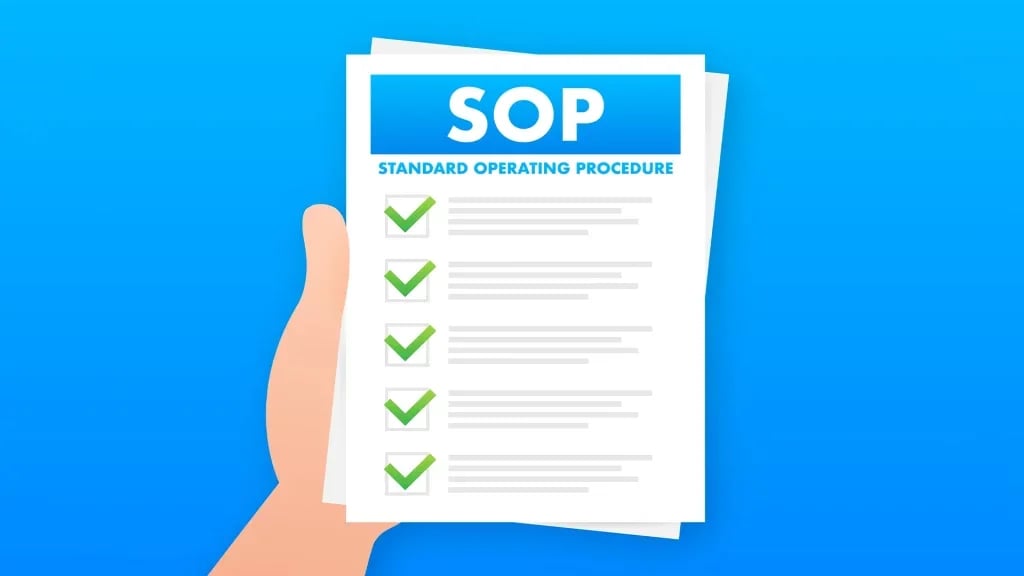
Most hotels develop detailed SOPs for individual departments but neglect inter-departmental SOPs. This leads to "responsibility gaps" in practice. For example, when a guest has a special request, the process may simultaneously involve Front Office, Housekeeping, F&B, and Engineering. However, without a clear coordination protocol, handling often becomes overlapping or involves buck-passing, causing delays and reducing service quality.
Corporate culture and leadership's role
Finally, but decisively, are cultural factors and the management's operational style. If leadership does not value and exemplify building a transparent, open, and collaborative communication environment, subordinates will find it difficult to prioritise. Conversely, an environment where harsh criticism overshadows a supportive spirit will create apprehension, making employees hesitant to proactively share information or collaborate with other departments. Corporate culture thus becomes the "key" determining the level of coordination within the organisation.
When the "Orchestra" is Out of Tune: Unforeseen Consequences Proven by Numbers
Poor internal communication is not merely about vague feelings or temporary "discomfort" at work. It is a systemic issue with tangible consequences, clearly measurable in numbers, costs, and even long-term damage to brand reputation.
Customer experience plummets
The most obvious consequence is a severe decline in customer service quality. When information is not accurately conveyed, "minor errors" in operations can turn into terrible experiences in the eyes of guests. For example, a guest has to wait for hours because their room is not ready – simply because Front Office did not inform Housekeeping about an early check-out. Or a VIP guest is served a dish with an allergenic ingredient, simply because Sales did not correctly relay the information to F&B. These seemingly minor situations accumulate into disappointment, leading guests to leave negative reviews on TripAdvisor, Booking.com, or Google Reviews. And like a domino effect, each bad review gradually erodes trust and brand image in the market.

Decreased efficiency and wasted resources
Beyond affecting guests, poor communication directly reduces work productivity. Imagine the Front Office failing to promptly update room status after guest check-out, or special check-in requests (early check-in, extra bed) leading to unscientific room cleaning schedules for Housekeeping (prioritising room status for cleaning). This impacts guest experience (long check-in times, waiting for room cleaning) and reduces productivity during that shift, potentially requiring overtime or excessive movement, not to mention the reactive nature that could lead to missing supplementary items when setting up a Vacant & Clean room for guests.
Toxic work environment and high turnover rate
When there is a lack of transparency and clarity in communication, conflicts between departments are inevitable. Front Office blames Housekeeping, F&B blames Sales, and Engineering attributes responsibility to operations. These accusations and escalating tensions create a heavy work environment, demotivating employees and eroding their engagement. This directly contributes to an increased turnover rate – a significant challenge for the hotel industry. Studies show that organisations with effective communication systems report up to 50% lower turnover rates. In other words, improving communication is not just about enhancing work efficiency, but also about retaining talent.

Damage to revenue and profit
Finally, and most critically: revenue and profit are severely impacted. An unhappy customer will not return, and they certainly won't recommend the hotel to friends or colleagues. Meanwhile, the cost of acquiring a new customer is always many times higher than the cost of retaining an existing one. Not to mention, incidents arising from poor communication often force hotels to offer compensation, discounts, or free services to "appease" customers. All these costs directly erode profit – the lifeblood of the organisation.
"Harmonising" the "Orchestra": Comprehensive Solutions from Experts
To overcome fragmented and uncoordinated inter-departmental collaboration, hotels cannot rely solely on temporary or piecemeal measures. A strategic, multi-faceted, and sustainable approach is needed – much like an "orchestra" requires tuning, synchronised rhythm, and the guidance of a skilled conductor to create a complete harmony.
- Build an open communication culture with the customer at its heart: First and foremost, change must begin with mindset. Leadership must be the pioneers in breaking down "silo mentality," communicating clearly that the ultimate goal of every department – from Front Office, Housekeeping, F&B to Engineering or Sales – converges on a single point: customer satisfaction. In other words, the Customer Experience (CX) mindset needs to be widespread in service industries, with Hospitality demanding CX be prioritised.
- Top-down mindset change: Leaders need to emphasise the importance of information sharing, collaboration, and shared responsibility.
- Inter-departmental briefings: Organising daily (Morning Briefing) and weekly meetings for events requiring inter-departmental coordination, with the participation of key department heads, helps everyone stay updated, forecast workloads, and collectively resolve issues before they become problems.

- Standardise processes and apply technology: For an orchestra to play in tune, it needs a standard score. In a hotel, this is the system of inter-departmental SOPs (Standard Operating Procedures) – clear and consistent coordination processes.
- Develop inter-departmental SOPs: Instead of focusing solely on individual departments, specific coordination procedures need to be established for common situations, such as welcoming VIP guests, handling complaints, preparing events, or responding quickly to technical issues.
- Implement management technology: Modern software platforms allow for real-time request logging, task assignment, and progress tracking, minimising errors and saving time. These are the "digital instruments" that help all departments play in tune and not miss the overall melody.
- Soft skills training and fostering collaboration: To create harmony, each "musician" not only needs strong professional skills but also must know how to listen, coordinate, and adapt to fit the team.
- Communication skills training: Courses on effective communication, active listening, conflict resolution, and teamwork will help employees at all levels understand their role in the "customer service symphony."
- Team-building activities: These programmes connecting staff from different departments not only create enjoyment but, more importantly, foster empathy, understanding of each other's work challenges, and build team spirit.

- The inspiring "conductor": Finally, an orchestra cannot sound good without a conductor. In a hotel, that role belongs to the leadership team.
- Lead by example in communication and collaboration: Senior and middle management must actively listen, encourage employee feedback, and promptly recognise effective collaborative efforts.
- Inspire and guide: Leaders manage not only through regulations but also lead with vision, fairness, and a spirit of partnership. They are the "conductors" who ensure each "musician" – meaning each department – plays in harmony in a single symphony: a perfect customer experience.
NewSun Hospitality: Your Business's "Conductor"
Understanding the profound challenges hotels face, NewSun Hospitality doesn't just offer advice. We provide tailored solutions to perfectly re-harmonise your operational machinery. - Consulting and Operational Process Restructuring Services: Our experts will conduct a comprehensive "health check" of your hotel's current communication systems and coordination processes. We will identify "bottlenecks," redesign inter-departmental SOPs intelligently and efficiently, ensuring seamless information flow from guest booking to check-out. - Human Resources Training and Development Programmes: NewSun Hospitality offers in-depth training packages, specifically designed for the hospitality industry, focusing on:
- Inter-departmental communication and conduct skills.
- Problem-solving and conflict resolution skills.
- Building teamwork and a customer-centric service culture.
- Training middle managers to become inspiring "conductors."
Conclusion
Poor inter-departmental coordination is not an issue to be taken lightly. It is a "silent destroyer" that can undermine all efforts to build a strong brand and excellent service. Investing in improving internal communication is investing in the strongest foundation for sustainable growth: customer satisfaction and a cohesive, high-performing team. Don't let your service "symphony" fall out of tune. Let NewSun Hospitality be the "conductor" accompanying you, creating outstanding and memorable experiences for every guest. Contact us today for a free consultation! References: (1) McKinsey Global Institute. (2012). The social economy: Unlocking value and productivity through social technologies. (2) Trade Press Services. (2021). The High Cost of Poor Communication.