


 VN
VN EN
ENUnlike other industries, the tourism sector operates seasonally, with peak and off-peak periods, festival tourism seasons, and prominent beach tourism seasons, among others. So, how should hotels market themselves to customers for optimal business performance? NewSun Hospitality will present an effective Marketing Strategy for hotels in tourist destinations in the article below.
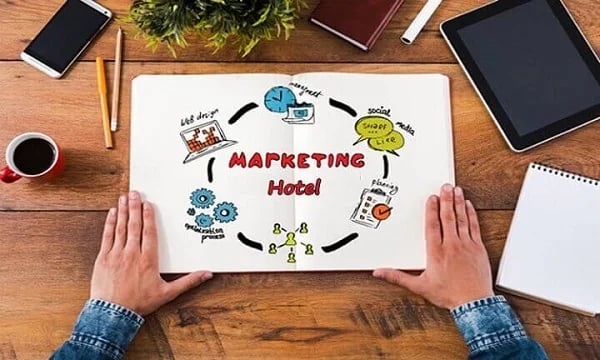
1. Significant Potential of Hotels in Tourist Destinations
Vietnam boasts a wealth of entertainment and tourism destinations, scenic landscapes, historical sites, traditional festivals, and distinctive culture and cuisine, offering immense potential for tourism development. "In 2019, Vietnam tourism received the World's Leading Heritage Destination award from the World Travel Awards, and the World's Best Golf Destination award from the World Golf Awards. Additionally, the World Travel Awards honoured Vietnam as Asia's Leading Destination for two consecutive years (2018-2019), Asia's Leading Cultural Destination 2019, and Asia's Leading Culinary Destination 2019" – statistics from the Vietnam National Administration of Tourism. This quote highlights the growing development of Vietnam's tourist destinations, attracting numerous domestic and international visitors. While this presents an opportunity for exceptional economic growth, it also poses a significant challenge, requiring service industries at these destinations, particularly accommodation businesses, to implement effective business and marketing strategies.
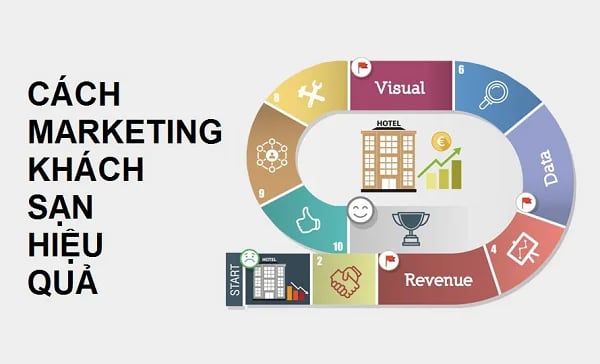
2. The Most Effective Marketing Strategies for Hotels in Tourist Destinations
The inevitable trend in today's digital age is that tourists will search for information about destinations, the best service providers there, and essential travel tips. Therefore, to reach customers, the initial strategies always involve search and promotional tools. 2.1. Marketing on Search Engines and Social Media For tourists who have never visited a particular destination, they will naturally search for information related to it: accommodation, dining, transportation, etc. The question is, "Where does your hotel rank in Google search results?" or "Is there much information about your hotel on social media?" If your hotel consistently ranks among the top search results for accommodation at a destination, customer traffic will steadily increase. Combining this with social media is also fertile ground for attracting customers with appealing information about rooms and hotel services. Once customers have absorbed the necessary information for their trip, booking is just a click away. 2.2. Marketing on the Hotel's Own Website A website is no longer new to a hotel's marketing strategy, but it is truly important and essential. A website not only demonstrates the hotel's professionalism by having an official page with comprehensive information on room types, prices, and in-hotel services, but it also serves as a powerful tool for advertising on online channels. 2.3. Marketing through Tourism Events at the Destination At such events, news is often published by domestic and international media, quickly reaching customers. This is a great opportunity to partner with others to promote the hotel's brand, and for the hotel's services to connect more closely with customers. 2.4. Tourism Stimulus Programs, Customer-Attracting Pricing Policies - Special promotional program at tourist destination A, exclusively at hotel B - Receive a voucher with many offers during the tourist season when booking 10 or more hotel rooms - Only one day left to "grab" 10 VIP rooms for only 699,000 VND at the most famous tourist destination ABC. Integrating seasonal pricing policies and tourism stimulus programs like these aims to attract customer attention. Additionally, subtly highlighting your hotel's superior advantages to customers is also an effective marketing method. 2.5. "Service Quality" is Always the Best Marketing Strategy You cannot keep advertising how good your hotel is if the service provided is "substandard." So, always ask questions to best improve the hotel's quality: - What kind of room do customers need, and what amenities should it have? - Food and beverage services (if available): Is the menu diverse and appealing to customers with local specialties? - What do customers want from other accompanying hotel services: if the room rate is high, is laundry service free? Do loyal customers have vouchers for care and beauty services? - Especially, what is the attitude of hotel staff when customers have questions or complaints about hotel services? It is the meticulousness in the hotel's service and hospitality that makes customers comfortable and satisfied during their stay, leading to a higher return rate. Along with this, customer after-sales policies and caring for existing customers will make them remember your hotel again. Subsequently, they are likely to recommend it to family and friends and share its advantages on social media. This is the most effective marketing channel, affirming the hotel's brand in the tourism market. These are insights from NewSun Hospitality on effective marketing strategies for hotels at tourist destinations that you can apply. The continuous development of technology requires hotels to keep up with trends and gain an advantage over competitors to promote their hotels in both domestic and international tourism markets.